

Southern Pointe Living Center

Save

Southern Pointe Living Center

101 Sherrard Drive, Colbert, OK 74733

For more information about senior living options: (844) 490-3973

3.6 from 17 reviews
5 stars
9
4 stars
3
3 stars
0
2 stars
0
1 stars
5

Skilled Nursing Facility

What level of care are you interested in?

Assisted Living

Memory Care

Independent Living

Skilled Nursing Facility

Continuing Care Retirement Community (CCRC)CCRC

Other


Request a tour at Southern Pointe Living Center

    Overall Review of Southern Pointe Living Center

    Pros

    • pro The staff are described as doing great at their jobs and forming friendly connections with each resident.
    • pro They know each resident's favorite things, pet peeves, and habits, and they are loved for it.
    • pro The staff are friendly, chatty, and connect well with residents.
    • pro Staff go above and beyond, cleaning up, ensuring cleanliness and comfort, and providing small touches like extra blankets and appropriate supplies.
    • pro The meals are tasty and varied, with flavorful options for pureed diets.
    • pro Baylor the resident dog provides companionship and a positive presence for residents.
    • pro The care team is compassionate, attentive, and listens to family concerns, addressing dietary needs and other changes promptly.
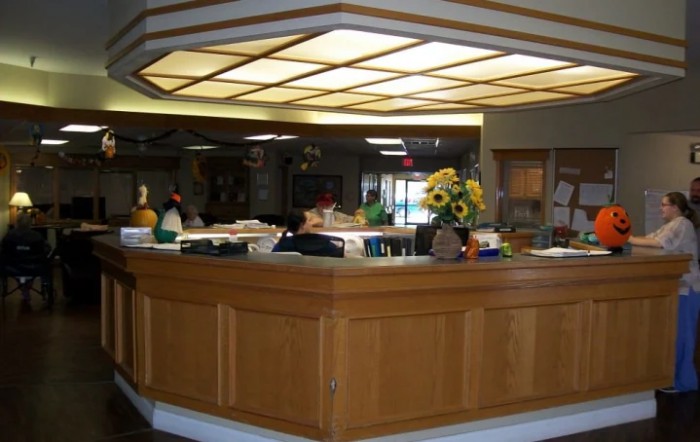
    • pro The facility is very clean and well-maintained.
    • pro The care staff help residents regain mobility and enjoy activities like dining in the dining room and taking walks outside.
    • pro Families feel supported by a team of caregivers who share the responsibility and care for their loved ones.

    Cons

    • pro The facility is consistently understaffed and unable to keep caregivers due to administration.
    • pro Residents are not adequately cared for; bedsores go untreated and patches never reach the patient.
    • pro Staff dismiss family concerns and refuse to share information unless the relative is the power of attorney.
    • pro There are days with no staff visible, leaving residents unattended from the front entrance to their rooms.
    • pro A resident was found choking with no timely help, raising concerns about monitoring and response.
    • pro Families are told they must supply wipes or depends, which is described as illegal.
    • pro The HVAC system is broken, leaving some rooms too hot and others freezing, creating an uncomfortable environment.
    • pro Food quality is poor and overcooked, with complaints about meals not being properly supervised for swallowing difficulties.
    • pro The administration is criticized for prioritizing money over patient care and is described as something that should be shut down.

    Review

    The collection of comments about Southern Pointe Living Center presents a story with many voices, some of which describe a troubling experience and others that speak warmly of care and community. Taken together, the reviews sketch a place where care quality appears to vary widely by situation, staff presence, and perhaps even time of day. On one end of the spectrum are accounts that read like urgent warnings: families recount rapid health declines in residents, perceived neglect, and systems that seem ill-equipped to respond to urgent medical problems. On the other end are stories of real appreciation for compassionate staff, meaningful daily routines, and improvements in quality of life for residents, especially those on hospice or needing substantial support in daily activities.

    Several reviews focus on a very painful, personal experience: a grandmother who moved into the facility and ultimately passed away after what the author believes was inadequate care. The reviewer describes rapid health deterioration, including symptoms consistent with a stroke, such as intense slurred speech, and claims that the Director of Nursing did not acknowledge or properly respond to warning signs. The account goes further to allege dismissiveness when concerns were raised, a lack of transparency about the resident's condition, and an assertion that the facility did not provide basic supplies like wipes or adult incontinence products, instead pushing families to supply what is legally the facility's responsibility to provide. The reviewer also alleges miscommunications with Adult Protective Services and questions about staff accountability, noting that bedsores developed from immobility and that patches or treatments ordered by family were never delivered to the resident. The narrative continues with reports of a disconnected phone line, a disappearance of staff during a time when the family visited, and a troubling lack of monitoring - culminating in a fatal incident that involved the resident being found choke-suffocated or otherwise endangered while alone, which the author ties to a lack of staff presence.

    Another thread in the reviews centers on systemic understaffing and its consequences. There are repeated claims that the facility is consistently short-handed, with aides overwhelmed by workload and administration more focused on financial concerns than on patient care. Several reviewers emphasize that residents are not consistently monitored, that meals are not adequately staffed or supervised, and that help with basic needs - such as assistance during meals for those who have swallowing difficulties or require help getting in and out of bed - can be inconsistent or entirely unavailable. There are mentions of bad experiences on weekends when "there is barely any food" and the overall day-to-day operation feels lean to the breaking point. Complaints about environmental conditions add another layer: some reviews describe air conditioning or heating systems that fail to regulate room temperatures properly, leaving some rooms uncomfortably hot in Oklahoma summers and too cold in winter, a situation described as unacceptable for elderly residents.

    The documents also share a tension between negative experiences and a more hopeful or positive perspective. A different cluster of reviews presents families who describe substantial improvements in their loved ones' lives after placement at Southern Pointe. One family, whose relative is on hospice at home and then moved to the facility, reports a remarkable increase in quality of life: the patient is able to participate in dining in the main dining room, to move around in a wheelchair, to enjoy outdoor time, and to receive proper personal care such as real showers instead of bed baths. This narrative highlights staff who are described as attentive and caring, able to manage dietary restrictions, and willing to go above and beyond to support both the resident and family. The reviewer consistently mentions specific staff members by name and expresses deep gratitude for the care provided, noting that the environment feels personal and nurturing rather than cold or punitive.

    Within these more favorable accounts, there are still caveats about the facility's physical environment and operations. The building is described as modern and clean in some reviews, while others note wear and tear, a less-than-perfect condition of some rooms, and older infrastructure that could benefit from updates. Yet, even amid these criticisms, the reviewers emphasize the importance of the people who staff the facility: caregivers who know residents' preferences, staff who maintain a sense of community, and nurses who respond to dietary needs or other concerns with proactive changes. The sense of community is strengthened by small touches: a resident dog that visits with patients, friendly interactions that feel personal rather than robotic, and moments of connection where caregivers assist a resident who is resisting or struggling with routine tasks.

    Several comments pivot to the administrative side, with mixed feelings about leadership. Some reviewers accuse the administration of prioritizing finances over patient care, calling for accountability and even suggesting that the facility should be closed or restructured. Others counter that, despite occasional criticisms, there are administrators and staff who listen, document concerns, and take steps to address issues promptly. In particular, a few reviewers describe how the Director of Nursing, Rhonda, engages with families, takes notes on dietary restrictions, and communicates with staff to resolve problems. This contrast - between perceived systemic shortcomings and individual acts of responsiveness - appears repeatedly, underscoring the complicated reality of running a long-term care facility where experience can differ dramatically from one resident's day to the next.

    In sum, the body of reviews illustrates a facility that elicits strong feelings on both ends of the spectrum. Some families feel that their loved ones faced neglect or inadequate responses to medical signs, inconsistent staffing, and frustrating lapses in communication. They describe frightening moments of isolation, insufficient monitoring, and questionable practices around basic care supplies. Other families, by contrast, celebrate Southern Pointe Living Center as a place that has given their loved ones significant improvements in daily life, including improved mobility, better meal experiences, and meaningful human contact with empathetic staff. They speak of clean surroundings, compassionate caregivers, and a sense of community that makes the residence feel like a home rather than a mere institution.

    For anyone considering this facility, the reviews suggest a practical approach: visit in person at different times of the day and week to observe staffing patterns and responsiveness, ask direct questions about stroke recognition and emergency protocols, and verify policy details about supplies and meals. It's clear that experiences here are not uniform, and the quality of care seems to hinge on both the day-to-day presence of staff and how well administration supports their frontline teams. The stories collectively caution prospective families to weigh the need for consistent staffing and transparent communication against any impression of warmth and attentiveness they might observe during a tour or a trial period, and to seek out additional firsthand information from current residents and other families to form a complete picture of what life at Southern Pointe Living Center is truly like.

    Features

    Housing

    • 95 resident community capacity 95 resident community capacity

    Types of Care

    • Skilled Nursing Facility Skilled Nursing FacilitySkilled Nursing Facilities are crucial for seniors as they provide round-the-clock medical care, rehabilitation services, and assistance with daily activities. These facilities ensure that seniors receive the specialized care they need to maintain their health and well-being as they age.

    Amenities

    • Air-conditioning Air-conditioningAir conditioning is important for seniors as they are more vulnerable to heat-related illnesses and may have underlying health conditions that make it difficult for them to regulate their body temperature. It helps to keep them comfortable, safe, and healthy in hot weather.
    • Beauty salon Beauty salonBeauty salons are important for seniors because they provide a space for them to feel pampered, socialize, and maintain their personal grooming and hygiene. Regular visits to a beauty salon can help boost seniors' self-esteem and overall well-being.
    • Cable or satellite TV Cable or satellite TVCable or satellite TV is important for seniors because it provides entertainment, news, and companionship, helping to combat loneliness and boredom. It also offers a wide range of programming options tailored to different interests and preferences.
    • Computer center Computer centerA computer center is essential for seniors as it provides access to technology, communication tools, and resources that can enhance their daily lives. It allows them to stay connected with loved ones, engage in online activities, and learn new skills, ultimately promoting socialization and mental stimulation.
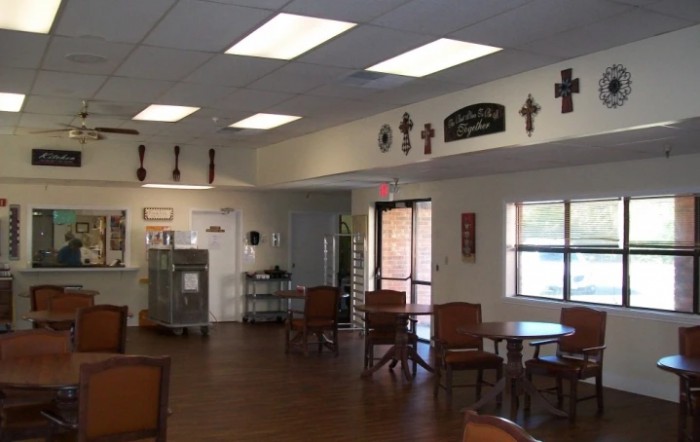
    • Dining room Dining roomDining rooms are important for seniors as they provide a space for socialization, connection, and nutritious meals. They offer opportunities for residents to bond over shared meals, foster a sense of community, and promote healthy eating habits. Dining rooms also ensure that seniors have access to well-balanced meals tailored to their dietary needs and preferences.
    • Fitness room Fitness roomHaving a fitness room in a senior living community is essential for seniors to stay active, maintain their physical health, and improve their overall well-being. Regular exercise can help prevent falls, reduce the risk of chronic diseases, and promote mental sharpness. It also provides social opportunities for residents to connect with others and enjoy a sense of community.
    • Fully furnished Fully furnishedFully furnished senior living communities are important for seniors because they provide convenience, comfort, and a hassle-free moving experience. Seniors can easily settle into their new living space without the stress of having to buy and move furniture. This allows them to focus on enjoying their new home and community.
    • Gaming room Gaming roomGaming rooms are important for seniors as they provide a fun and engaging environment for socializing, cognitive stimulation, and physical activity. Games can improve memory, problem-solving skills, and overall mental well-being while fostering friendships and reducing feelings of isolation.
    • Garden GardenGardens are important for seniors as they provide a peaceful and therapeutic environment for relaxation, physical activity, and socialization. Being in nature has been shown to reduce stress, improve mood, and promote overall well-being. Gardens also offer opportunities for seniors to engage in gardening activities, which can improve mobility, flexibility, and cognitive function. Additionally, gardens create a sense of community and connection with others who share a passion for plants and outdoor spaces.
    • Housekeeping services Housekeeping servicesHousekeeping services are important for seniors because they help maintain a clean and safe living environment, promote independence, and reduce the risk of accidents or illnesses. Additionally, having assistance with household chores can alleviate physical strain and allow seniors to focus on other aspects of their well-being.
    • Kitchenette KitchenetteKitchenettes are important for seniors living in senior living communities because they provide the convenience and independence of being able to prepare simple meals and snacks in the comfort of their own living space. This can help promote a sense of autonomy and well-being for seniors, allowing them to maintain some level of control over their dietary choices and daily routines.
    • Move-in coordination Move-in coordinationMove-in coordination is important for seniors because it helps ease the transition into their new living environment. It ensures that all logistics, such as packing, organizing movers, and setting up utilities are taken care of, allowing seniors to focus on settling in and adjusting to their new home. Having a smooth move-in process can alleviate stress and anxiety, making the transition smoother and more enjoyable for seniors.
    • Outdoor space Outdoor spaceOutdoor spaces are important for seniors as they provide opportunities for physical activity, social interaction, exposure to natural light and fresh air, and a sense of connection to nature. Having access to outdoor spaces can improve overall well-being and quality of life for older adults living in senior communities.
    • Private bathrooms Private bathroomsPrivate bathrooms are important for seniors in senior living communities because they provide independence, dignity, and comfort. Having a private bathroom allows seniors to maintain their personal hygiene routines without the need for assistance, promoting a sense of autonomy and privacy. Additionally, private bathrooms help prevent the spread of infections and provide a safe and clean environment for seniors to navigate safely.
    • Restaurant-style dining Restaurant-style diningRestaurant-style dining is important for seniors because it allows them to enjoy delicious, nutritious meals in a social and upscale setting. This enhances their dining experience, promotes healthy eating habits, and fosters socialization with fellow residents, ultimately contributing to their overall well-being and quality of life.
    • Small library Small librarySmall libraries are important for seniors as they provide access to a variety of reading materials, including books, newspapers, and magazines. This can help stimulate their minds, keep them engaged, and provide a sense of community through book clubs and other social activities. Additionally, reading has been shown to improve cognitive function and overall mental well-being in older adults.
    • Telephone TelephoneTelephones are important for seniors as they provide a lifeline for communication with loved ones, emergency services, and healthcare providers. They offer a sense of security and independence, enabling seniors to stay connected and access assistance when needed.
    • Wellness center Wellness centerWellness centers are important for seniors because they offer a variety of programs and services that promote physical, mental, and emotional well-being. These centers provide opportunities for exercise, socialization, education, and relaxation, helping seniors maintain their overall health and quality of life.
    • Wi-Fi/high-speed internet available Wi-Fi/high-speed internet availableWi-Fi/high-speed internet is important for seniors to stay connected with loved ones, access online resources, and participate in virtual activities to combat feelings of loneliness and isolation. It also allows them to easily manage healthcare needs, access entertainment, and engage in lifelong learning opportunities.

    Transportation

    • Community operated transportation Community operated transportationCommunity operated transportation is crucial for seniors as it provides them with the means to access essential services, social activities, and medical appointments. It allows seniors to maintain their independence and quality of life by ensuring they can participate in activities outside of their homes. Additionally, community-operated transportation services offer a safe and reliable way for seniors to travel without having to rely on family or friends for assistance.
    • Transportation arrangement Transportation arrangementTransportation arrangements are crucial for seniors as they may face challenges with driving, mobility, or access to public transportation. Having reliable transportation services ensures that seniors can easily attend appointments, social activities, and maintain their independence and quality of life.
    • Transportation arrangement (non-medical) Transportation arrangement (non-medical)Transportation arrangements are essential for seniors as they provide access to essential services, activities, and social interactions outside the home. This service helps maintain independence, mobility, and overall well-being for seniors who may have limited transportation options.
    • Transportation to doctors appointments Transportation to doctors appointmentsTransportation to doctors appointments is crucial for seniors as it ensures they have access to necessary medical care and support, promoting their health and well-being. It allows them to receive timely treatment, monitor existing conditions, and address any new health concerns efficiently. Additionally, transportation services can help seniors maintain their independence and quality of life by enabling them to stay connected with their healthcare providers.

    Care Services

    • 12-16 hour nursing 12-16 hour nursing12-16 hour nursing care is crucial for seniors in order to ensure around-the-clock monitoring, timely medication administration, and prompt response to any health concerns or emergencies. This level of care helps to promote the overall well-being and safety of seniors living in senior living communities.
    • 24-hour call system 24-hour call system24-hour call systems are important for seniors because they provide peace of mind and immediate assistance in case of emergencies. This technology ensures that help is always available, promoting safety and security for elderly individuals living alone or in assisted living facilities.
    • 24-hour supervision 24-hour supervision24-hour supervision is important for seniors to ensure their safety, well-being, and access to immediate assistance in case of emergencies or health issues. This constant support provides peace of mind for both seniors and their loved ones, allowing them to age in place with dignity and security.
    • Activities of daily living assistance Activities of daily living assistanceActivities of daily living assistance are important for seniors because they provide essential support with tasks such as eating, bathing, dressing, and mobility. This assistance helps seniors maintain their independence, dignity, and overall quality of life as they age.
    • Assistance with bathing Assistance with bathingAssistance with bathing is crucial for seniors as it helps maintain personal hygiene, prevents infections, and ensures their overall well-being and comfort. It also provides a sense of dignity and independence for seniors who may struggle with this task on their own.
    • Assistance with dressing Assistance with dressingAssistance with dressing is important for seniors because it helps maintain their independence, promotes personal hygiene, prevents accidents and injuries, and improves overall quality of life. This service ensures that seniors can continue to dress comfortably and confidently, despite any physical limitations they may have.
    • Assistance with transfers Assistance with transfersAssistance with transfers is crucial for seniors as it helps prevent falls and injuries, maintains their independence, and ensures they can safely navigate their living environment. It also provides peace of mind for both seniors and their loved ones.
    • Diabetes diet Diabetes dietA diabetes diet is crucial for seniors as it helps manage blood sugar levels, reduce risks of complications, and improve overall health and well-being. By following a balanced and nutritious diet tailored to their specific needs, seniors can better control their diabetes and enhance their quality of life.
    • Meal preparation and service Meal preparation and serviceMeal preparation and service are crucial for seniors as they may have limited mobility or energy to cook nutritious meals. Having access to healthy and convenient food options can ensure they are getting the proper nutrition needed to maintain their overall health and well-being.
    • Medication management Medication managementMedication management is crucial for seniors to ensure they are taking the right medications at the correct dosages and times. This helps prevent adverse drug interactions, reduces the risk of medication errors, and promotes overall health and well-being. Proactive management also allows for adjustments as needed based on changing health conditions or new prescriptions.
    • Mental wellness program Mental wellness programMental wellness programs are essential for seniors as they promote cognitive stimulation, emotional support, and social engagement. These programs help prevent isolation, depression, and cognitive decline, ultimately enhancing the overall quality of life for older adults.
    • Special dietary restrictions Special dietary restrictionsSpecial dietary restrictions are important for seniors because age-related changes in metabolism and health conditions can make it difficult for their bodies to process certain foods. By following a diet tailored to their specific needs, seniors can maintain their overall health and well-being, manage chronic conditions, and reduce the risk of complications such as malnutrition or food interactions with medications.

    Dining

    • Diabetes diet Diabetes dietA diabetes diet is crucial for seniors as it helps manage blood sugar levels, reduce risks of complications, and improve overall health and well-being. By following a balanced and nutritious diet tailored to their specific needs, seniors can better control their diabetes and enhance their quality of life.
    • Special dietary restrictions Special dietary restrictionsSpecial dietary restrictions are important for seniors because age-related changes in metabolism and health conditions can make it difficult for their bodies to process certain foods. By following a diet tailored to their specific needs, seniors can maintain their overall health and well-being, manage chronic conditions, and reduce the risk of complications such as malnutrition or food interactions with medications.

    Activities

    • Community-sponsored activities Community-sponsored activitiesCommunity-sponsored activities are important for seniors as they provide opportunities for social interaction, mental stimulation, and physical activity. These activities can help improve overall well-being, combat loneliness and isolation, and promote a sense of belonging and purpose among older adults.
    • Concierge services Concierge servicesConcierge services are essential for seniors as they provide assistance with daily tasks and errands, enhance their quality of life by offering convenience and personalized care, and promote a sense of safety and security.
    • Fitness programs Fitness programsFitness programs are crucial for seniors as they help improve strength, flexibility, balance, and overall well-being. Staying active can reduce the risk of chronic diseases, improve mental health, and enhance quality of life in older adults.
    • Planned day trips Planned day tripsPlanned day trips are important for seniors because they offer opportunities for socialization, mental stimulation, and physical activity. They provide a change of scenery and help seniors stay engaged and connected to their community, promoting overall well-being and quality of life.
    • Resident-run activities Resident-run activitiesResident-run activities are important for seniors as they encourage social interaction, creativity, and a sense of autonomy. These activities empower seniors to stay engaged and active in their community while fostering meaningful connections with their peers.
    • Scheduled daily activities Scheduled daily activitiesScheduled daily activities are important for seniors because they provide structure, socialization, mental stimulation, and physical activity. Engaging in regular activities can improve overall well-being and quality of life for seniors living in a community setting.

    Description

    Southern Pointe Living Center in Colbert, OK is a premier assisted living community that offers a wide range of amenities and care services to ensure the comfort and well-being of its residents. The community features a beauty salon where residents can pamper themselves, as well as cable or satellite TV in every room for entertainment purposes. Community operated transportation is available for residents who need assistance getting around, whether it be for errands or social outings.

    For those looking to stay connected with technology, there is a computer center equipped with Wi-Fi/high-speed internet. A fully furnished dining room provides a comfortable and elegant setting for enjoying meals prepared by professional chefs. Residents also have access to a fitness room to maintain their physical well-being.

    Southern Pointe Living Center understands the importance of keeping the mind engaged, which is why they offer a gaming room and small library for leisurely activities. The community also boasts beautiful outdoor spaces such as gardens, creating opportunities for relaxation and tranquility.

    Residents can enjoy the convenience of housekeeping services and move-in coordination, making transitioning into this assisted living community seamless and stress-free. Each resident has their own private bathroom for added comfort and privacy.

    Care services provided at Southern Pointe Living Center include 24-hour call systems and supervision to ensure the safety of all residents. Assistance with daily activities such as bathing, dressing, and transfers are readily available. The staff is trained in diabetes diets and can provide meal preparation and service based on specific dietary restrictions.

    Medication management is another core aspect of care at Southern Pointe Living Center, ensuring that residents receive their medications in a timely manner. A mental wellness program supports the emotional well-being of residents, while transportation arrangements can be made for non-medical purposes as well as doctor's appointments.

    The community offers a variety of activities to keep residents engaged and fulfilled. Concierge services are available to assist with any needs or requests. Fitness programs cater to various abilities, while planned day trips and resident-run activities provide opportunities for socialization and exploration. Scheduled daily activities ensure that there is always something exciting to look forward to.

    Located in Colbert, OK, residents of Southern Pointe Living Center also have access to nearby restaurants and places of worship, providing further convenience and a sense of community.

    Overall, Southern Pointe Living Center provides a warm and welcoming environment with exceptional amenities and care services to enhance the quality of life for all its residents.

    Nearby Places of Interest

    Restaurants

    • The Farmstead (0.7 miles)
    • Church's Chicken (6.6 miles)
    • Devolli's Italian Restaurant (6.9 miles)
    • Southern Star Eatery (6.9 miles)
    • Thai Loco (6.9 miles)
    • Best Burger Barn (7 miles)
    • Nicks Family Restaurant (7 miles)

    Places of Worship

    • Southern Baptist Convention (3.3 miles)
    • New Wine Christian Counseling Service (6.4 miles)
    • Haven Chapel Methodist Church (6.5 miles)
    • Mount Zion Baptist Church (6.5 miles)
    • Faith Assembly Of God (6.8 miles)
    • Baptist Student Ministry (6.9 miles)
    • Southern Baptist Convention (6.9 miles)

    Parks

    • Eisenhower State Park (5.9 miles)
    • Loy Park (9.4 miles)
    • HeyDay Entertainment (10.7 miles)

    Hospitals

    • Texoma Medical Center (6.1 miles)
    • Texoma Medical Center (6.2 miles)
    • Texoma Healthcare System (6.3 miles)
    • UHS of Texoma (10.7 miles)

    Physicians

    • Texoma Heart Group (6.3 miles)
    • Bryan Kalil MD (6.3 miles)
    • The Hearing Clinic (6.9 miles)
    • Texoma Foot and Ankle Specialists (7.9 miles)
    • Texoma Neurology Associates (8.4 miles)
    • Rolando Oro, MD (8.6 miles)
    • Nhat Nguyen MD (10.5 miles)

    Pharmacies

    • Data Rx Management (6.8 miles)
    • Good Neighbor Pharmacy (7.1 miles)
    • Parks Drug (7.1 miles)
    • Albertsons Pharmacy (7.1 miles)
    • Sav-on Drugs (7.1 miles)
    • Kroger Pharmacy (7.1 miles)
    • Medicine Shoppe (7.3 miles)

    Cafes

    • Starbucks (7.5 miles)
    • Patsy's Cafe (9.8 miles)
    • Starbucks (10.9 miles)
    • Waffle Shoppe (11.7 miles)

    Transportation

    • Team Bonner Auto Rental (9.3 miles)
    • U-Haul Neighborhood Dealer (10.4 miles)
    • U-Haul (11.1 miles)

    Frequently Asked Questions

    Where is Southern Pointe Living Center?
    What photos are available for Southern Pointe Living Center in Colbert, Oklahoma?

    Nearby Communities

    Skilled Nursing Facility in Nearby Cities

    Related Resources

    • non medical home careExploring Nonmedical Home Care: Understanding Services, Costs, and Financial Approaches

      Nonmedical home care provides assistance with daily activities and companionship for individuals wishing to maintain independence and quality of life at home, without medical intervention. Its growing popularity is driven by an aging population, the need for supportive environments for recovery, and the emotional benefits of caregiver companionship, while costs vary based on service frequency and location.

    • brain games for seniorsEngaging Brain Games and Innovative Apps to Keep Senior Minds Active
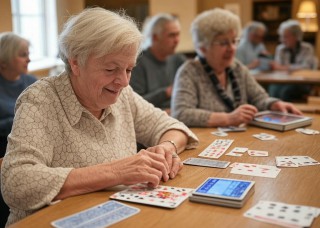
      Maintaining cognitive fitness through engaging in various brain games, both traditional and digital, is crucial for seniors as it enhances memory retention, problem-solving abilities, and emotional well-being while helping to protect against age-related decline. A holistic approach that includes diverse activities, physical exercise, a balanced diet, and social interaction further supports mental health and cognitive function.

    • brain games for seniorsEffective Strategies for Keeping Seniors' Minds Active: A Deep Dive into Brain Games and Apps

      The article outlines strategies for keeping seniors' minds active through brain games and apps, highlighting the importance of cognitive exercises, social engagement, and a healthy lifestyle in combating cognitive decline. It emphasizes the benefits of various types of games and offers practical tips for maintaining mental wellness through enjoyable activities while acknowledging their limitations.


    Get Pricing Ask A Question Schedule A Tour Contact Senior Advisor