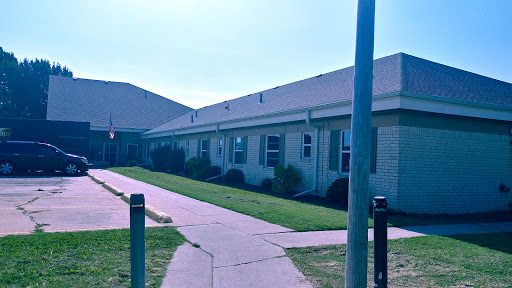




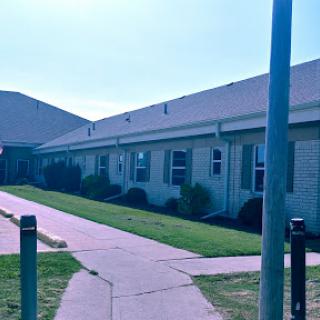



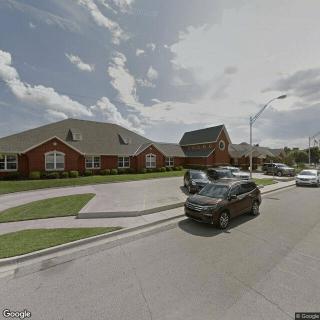
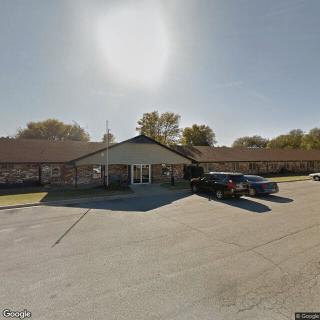
2100 Townsend Drive, El Reno, OK 73036
For more information about senior living options: (866) 208-4318
Overall Review of El Reno Post-Acute Rehabilitation Center
Pros
 The staff were very friendly and helpful, providing great care.
- Thomas in the business office is great and extremely helpful.
- Thomas and the staff are caring, top-notch caregivers who go out of their way to do what’s best for families.
- The nurses and staff are wonderful, and he loves being there.
- It is an amazing place.
- The therapy department is impressive, with speech and physical therapy actively helping residents.
- The director is friendly and informative.
Cons
 The reviewer couldn’t speak with their mother because they weren’t on the paperwork, and no one called back for days; phone calls went unanswered.
- Sheree Pitts yelled and talked over the reviewer when they asked to speak with their mom.
- The reviewer says they will continue to speak out about staff and do not trust the facility with their loved ones.
- The staff were rude when the reviewer checked on their wife.
- The reviewer states the place killed their son after he was transferred there.
- These people are “straight up liars,” and the reviewer wouldn’t trust them with a dog.
- There was alleged negligence including a double insulin dose that led to a death.
- Staff did not treat the family with respectful, professional communication.
- Staffing cuts by new ownership have led to dramatically reduced care quality.
Review
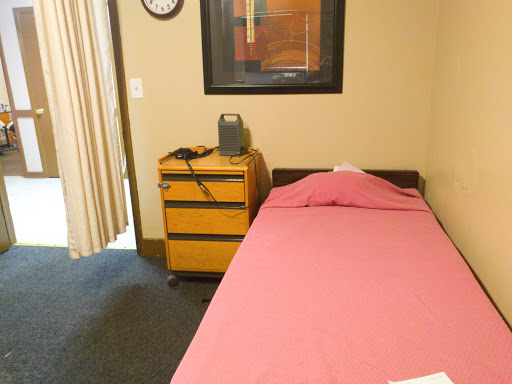
This community is best suited for families seeking short-term skilled rehab with a credible therapy program and staff who, in several accounts, show genuine care. The facility can serve residents well when rehabilitation needs are the priority and when a reasonable distance from Oklahoma City is workable. It is a reasonable option for those who can actively engage with therapists and nursing staff, who value a clean, orderly environment, and who can tolerate some inconsistencies in administration or communication. In short, it works for families prioritizing hands-on therapy and daily attentiveness from caregivers, provided safety and oversight questions are clearly addressed from the outset.
Those who should consider alternatives are families that cannot tolerate real or perceived lapses in safety, transparency, and family communication. Individuals with complex medical needs, fragile health, or dementia requiring close, proactive oversight may want a track record of stable staffing, prompt response to concerns, and a transparent governance process. Potential residents whose loved ones require meticulous documentation, whistle-stop updates, or rapid escalation in the event of a medical issue would be wise to look at other options. Also, families with a strong aversion to reported staff turnover or restricted access to medical information should approach with caution.
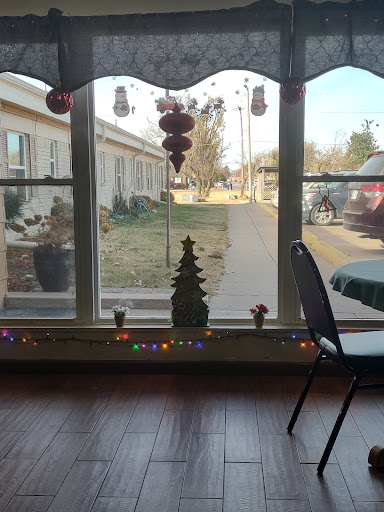
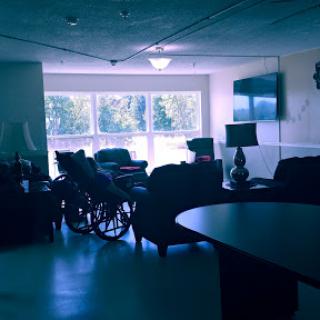
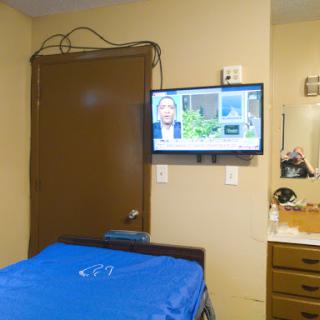
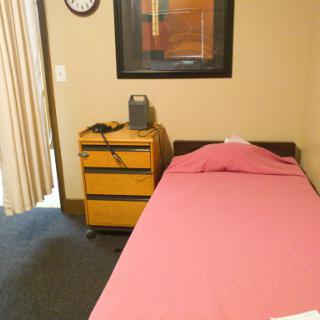
The strongest positives are the therapy-focused side of care and the presence of caring, approachable staff in many shifts. Several families praise the therapy department for its engagement, noting visible progress in speech and physical therapy and a director who is informative and accessible. The facility’s cleanliness and the generally friendly, courteous approach from many aides contribute to a sense of a supportive rehab environment. These attributes create a foundation for meaningful recovery when the care plan is aligned with disciplined medical oversight and consistent communication.
But the clear, recurring concerns eclipse these strengths for most decision-makers. Serious allegations about patient safety, including insulin administration issues and a lack of timely family communication, cast a long shadow. Reports of staff shortages after ownership changes, reduced aide availability, and widespread distrust in administration undermine the trust essential to skilled nursing care. Accounts of families being unable to reach staff, delays in information sharing, and protection of personal information paint a picture of a facility where critical oversight and accountability can falter. In short, the care gains from therapy may be offset by notable risks to safety and trust.
Operationally, the pros and cons must be weighed with vigilance. The strong therapy program and genuinely caring staff can support rehab momentum, yet the potential for medical missteps, alleged negligence, and poor family engagement can derail recovery and lead to lasting harm. The key to any decision is transparency: current staffing levels, the nurse-to-patient ratio, recent state inspection findings, and a clear plan for timely family updates. Prospective families should demand a direct conversation with the director or administrator, review the latest survey results, and request a dedicated family liaison to monitor progress and incidents. Without these assurances, the negative indicators far outweigh the positives.
In the end, this community offers a viable path for rehab-focused care when safety, communication, and staffing are demonstrably safeguarded. For families willing to insist on rigorous oversight, open lines of communication, and concrete, responsive governance, the facility can deliver meaningful rehabilitation outcomes. Those unwilling to accept uncertain family access or the possibility of safety lapses should prioritize facilities with a proven, stable staffing model and consistent, transparent family engagement. The decision hinges on whether the current gaps can be closed with concrete, verifiable commitments from leadership and a clear, workable plan for ongoing, proactive communication.
 66 resident community capacity
 Skilled Nursing Facility
 Air-conditioning
 Beauty salon
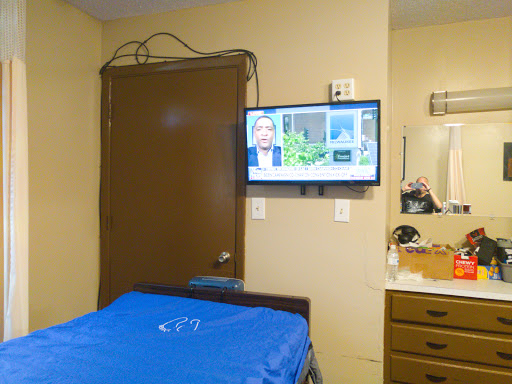
 Cable or satellite TV
 Computer center
 Dining room
 Fitness room
 Fully furnished
 Gaming room
 Garden
 Housekeeping services
 Kitchenette
 Move-in coordination
 Outdoor space
 Private bathrooms
 Restaurant-style dining
 Small library
 Telephone
 Wellness center
 Wi-Fi/high-speed internet available
 Will Rogers World (24 miles away)
 Community operated transportation
 12-16 hour nursing
 24-hour call system
 Activities of daily living assistance
 Assistance with bathing
 Assistance with dressing
 Assistance with transfers
 Diabetes diet
 Medication management
 Mental wellness program
 Special dietary restrictions
 Concierge services
 Planned day trips




 Top Canine Companions for Older Adults
 Comprehensive Guide to Blood Pressure Charts for Older Adults: Understanding Normal and High Readings by Age
 Financing Long-Term Nursing Home Care Through Social Security: A Thorough Exploration