
7 North Covington, Coalgate, OK 74538
For more information about senior living options: (866) 208-4318
Overall Review of Ruth Wilson Hurley Manor
Pros
 The nursing facility did an excellent job caring for the reviewer’s mother during skilled care.
- The reviewer would highly recommend this facility.
Cons
 Hateful people there
Review
Ruth Wilson Hurley Manor in Coalgate is best suited for families that place a premium on skilled nursing care and medical attentiveness, even if that must be weighed against a challenging social climate. The facility sits in a rural Oklahoma setting where the clearest value appears to be clinical competence in the skilled nursing unit. For loved ones whose primary need is reliable, professional nursing care and steady medical management, this community can deliver when conditions align with staff availability and proper medical oversight.
Those evaluating alternatives should be mindful that this community may not satisfy those who require a consistently warm, affirming culture or a stable, respectful daily atmosphere. The feedback landscape is deeply uneven, and the strongest caution comes from reports of a hostile environment and hostile attitudes. In short, if a welcoming social climate, constructive staff-resident interactions, and a positive overall ambience are non-negotiables, pursuing other options is prudent.
On the positive side, the clearest evidence points to capable skilled-nursing care. One account specifically highlights excellent care provided to a relative during skilled nursing services, signaling that clinical tasks, medication administration, monitoring, and routine medical needs, can be performed with proficiency. That medical reliability matters greatly for families navigating post-acute recovery or ongoing health concerns, where consistent nursing attention can accelerate or stabilize a loved one’s trajectory.
Yet the most persistent and troubling themes in the reviews center on culture and experience. The facility is described as having a hateful or hostile tone in several accounts, with at least one decisive critique of the environment. When residents, families, or staff feel unsafe or devalued, it erodes trust in daily care, communication, and responsiveness. Coupled with a low overall rating of 2.7 from six reviews, driven by three one-star experiences, the message is clear: the environment can overshadow even strong clinical performance if it remains unresolved or entrenched.
These competing dynamics must be weighed realistically: clinical excellence in the skilled unit can be a meaningful offset for families with acute medical needs, but the negative social climate can undermine satisfaction, safety, and continuity of care. The risk is not only personal discomfort; it is about consistency of compassionate care, timely problem-solving, and the reassurance that staff will engage respectfully with residents and families. When mood and morale are low, even well-trained nurses may be hampered by strain, turnover, or communication gaps.
The practical recommendation is decisive. If the priority is dependable medical competence and a clear pathway to skilled nursing support, Ruth Wilson Hurley Manor deserves serious consideration, but only after rigorous due diligence. Prospective families should conduct targeted visits, observe caregiver-resident interactions across shifts, and specifically probe staff morale, turnover, and incident history. Request candid conversations with the administrator about culture, resident engagement, and steps taken to improve workplace climate. Verify staffing levels during peak hours and review any state licensing records for citations or corrective actions. Also speak directly with current residents or families to compare experiences over time, not just on a single visit.
If warmth, consistent civility, and a consistently positive daily experience are non-negotiable, this community may be better to pass. Alternatives that promise steadier morale, better day-to-day communication, and a more respectful climate should be explored promptly. In the end, Ruth Wilson Hurley Manor presents a clear trade-off: solid clinical care in a troubled social setting versus a more uniformly positive atmosphere with potentially similar or greater variability in medical responsiveness. The right choice hinges on which priority, clinical proficiency or daily culture, drives the decision for a specific loved one.
 75 resident community capacity
 Skilled Nursing Facility
 Air-conditioning
 Beauty salon
 Cable or satellite TV
 Computer center
 Dining room
 Fitness room
 Fully furnished
 Gaming room
 Garden
 Housekeeping services
 Kitchenette
 Move-in coordination
 Outdoor space
 Private bathrooms
 Restaurant-style dining
 Small library
 Telephone
 Wellness center
 Wi-Fi/high-speed internet available
 Community operated transportation
 12-16 hour nursing
 24-hour call system
 Activities of daily living assistance
 Assistance with bathing
 Assistance with dressing
 Assistance with transfers
 Diabetes diet
 Medication management
 Mental wellness program
 Special dietary restrictions
 Concierge services
 Planned day trips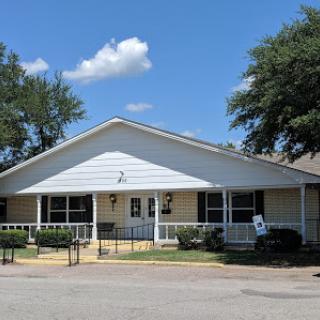


 Caregiver Exhaustion: Recognizing the Signs and Restoring Your Well-Being
 Understanding Hospice Care at Home: Comprehensive Services, Key Benefits, and Eligibility
 Understanding the Full Cost of 24/7 In-Home Care: A Detailed Overview