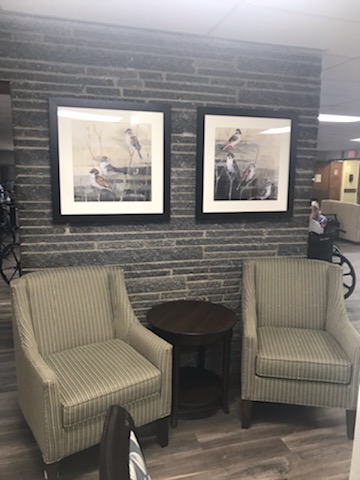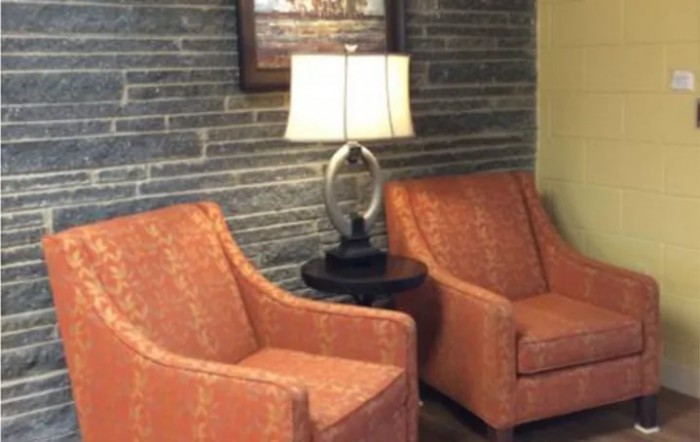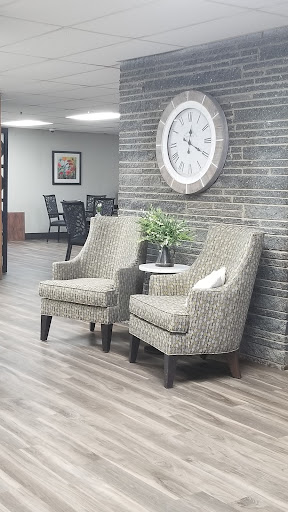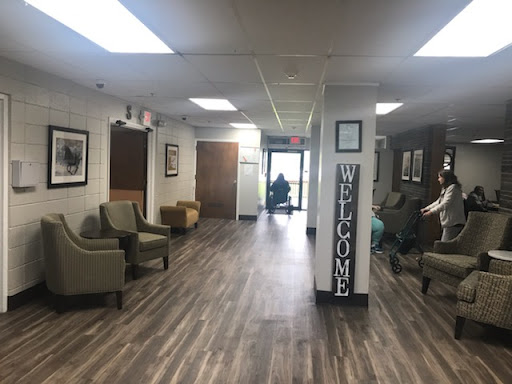




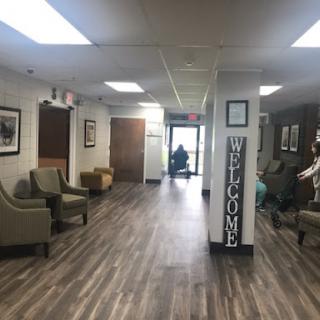

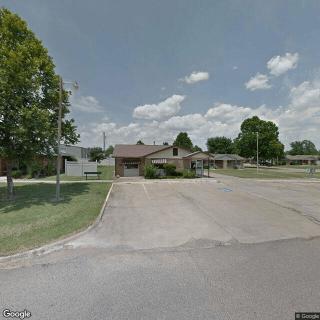
931 North Country Club Road, Ada, OK 74820
For more information about senior living options: (866) 208-4318
Overall Review of Ada Care Center
Pros
 The facility is exceptional today.
- The direct care staff are the best.
- They care for residents like family.
- Residents are loved, listened to, and treated respectfully.
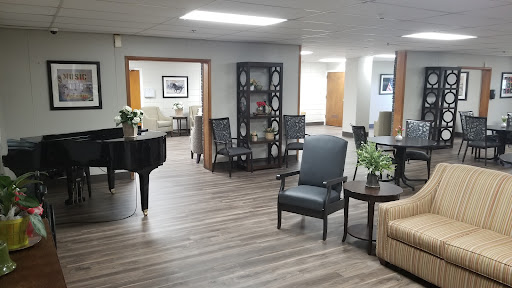
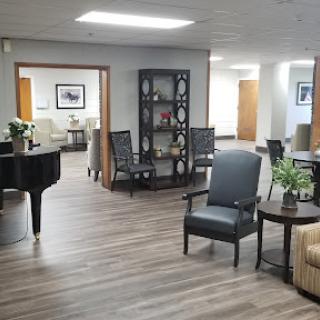
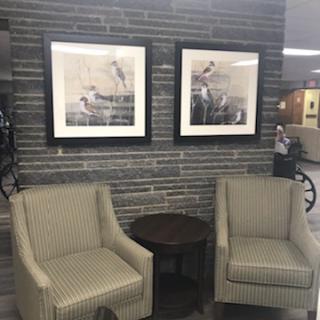
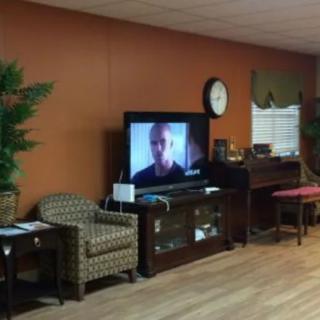
- The facility is described as nice.
- The ADA Care Center team provides top-of-the-line quality care.
- The administrator made the admission process easy and offered to meet on the weekend to give a tour and answer questions.
- Some nurses and staff are nice.
Cons
 One reviewer states that not a single nurse tried to get his grandpa out of bed and that he was refused pain meds.
- They claim eye drops were never given to him as prescribed, risking vision loss.
- They say his first bath was in the second week and staff did not pay attention to him.
- They report being billed $2,000 for care that left him laying in bed all day.
- The staff are described as chronically short-staffed, with too many nurses who don’t know how to care for a patient.
- They allege the medical staff over-prescribed medications after surgery and almost killed him by giving laxatives.
- They warn not to put anyone you love there and suggest the VA should not contract with them.
Review
Ada Care Center is best suited for families that prioritize a tightly-knit, relationship-driven care model where frontline aides are consistently engaged with residents. The strongest asset across multiple accounts is the direct care staff: compassionate, attentive, and willing to treat residents as family. For residents who need steady, personable daytime supervision and benefit from accessible rehabilitation services, this facility can deliver meaningful value. The facility’s ability to provide hands-on support, plus a track record of positive experiences with physical therapy, makes it a compelling option for long-term residents who enter with trusted staff relationships and a desire for ongoing, practical help with daily needs.
Those weighing alternatives should consider if the priority is rock-solid medical oversight, flawless medication management, or transparent, consistently reliable administration. Several reviews point to significant red flags in these areas: reports of nurses being overextended, care sometimes feeling rushed, and basic tasks left undone. Billing and administrative hiccups, such as delays in processing paperwork or ambiguous charges, add another layer of risk for families seeking predictable, straightforward arrangements. For anyone with a loved one who requires meticulous medical coordination, or for families who cannot tolerate inconsistent oversight, alternative communities may present a safer, more predictable option.
The core positives, dedicated direct-care staff, genuine affection and respect shown to residents, and usable rehabilitative services, do provide a meaningful offset to some of the facility’s shortcomings. When caregivers are present and engaged, residents receive attentive assistance, personalized interaction, and prompt, friendly support. The ability to access skilled nursing and therapy locally can significantly improve recovery trajectories and daily well-being. In short, the human touch and rehab support can compensate for other gaps, but only when the staff is consistently reliable and medical processes remain under close, competent supervision.
Yet the safety concerns raised in several reviews cannot be dismissed. Accounts describe situations where medical oversight appears inconsistent, including disputes over medications, delayed or incomplete care, and distressing examples of prescribed regimens not being followed appropriately. One account alleges dangerous overuse of laxatives during post-surgical care, nearly producing a life-threatening outcome. Another mentions eye-drop administration and timely pain management as neglected tasks. These episodes illuminate real risk factors that families must weigh, risk that can escalate quickly without vigilant clinical governance and robust nursing protocols.
Staffing realities emerge as a common thread. When the facility is fully staffed, the atmosphere leans toward supportive, neighborly care; when staffing tightens, families report having to intervene to ensure basic needs are met. This ambiguity makes planning essential: families should probe not only the stated care philosophy but the practical guardrails around med administration, daily baths, and fall-risk monitoring. Direct questions to administrators about nurse-to-resident ratios, shift coverage, and the process for escalating concerns can reveal whether the center’s daily operations align with a loved one’s safety and dignity.
The practical path here is clear: visit with a critical eye, ask for specific care plans, and request verifiable examples of how medical issues are managed and escalated. Seek out current residents or families willing to share day-to-day experiences, and insist on reviewing recent incident reports, medication protocols, and staffing schedules. If choosing Ada Care Center, approach it as a strong "care-on-the-ground" option with standout personal attention but enter with a plan to oversee medical care and billing closely. For families prioritizing uncompromising medical safety, or for those needing effortless, fully transparent administration, exploring alternatives that demonstrate steadier nursing governance may be the prudent course.
 85 resident community capacity
 Skilled Nursing Facility
 Air-conditioning
 Beauty salon
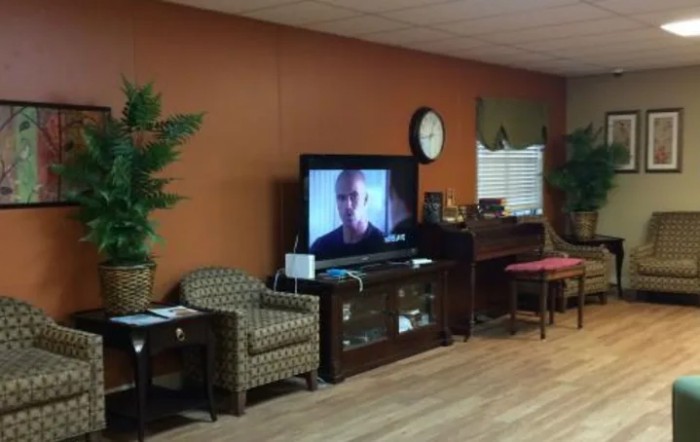
 Cable or satellite TV
 Computer center
 Dining room
 Fitness room
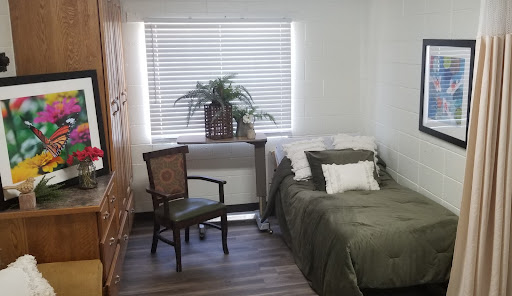
 Fully furnished
 Gaming room
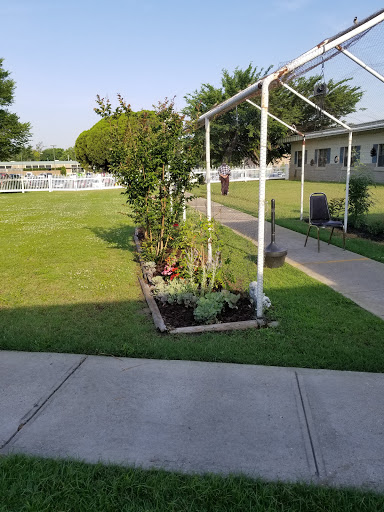
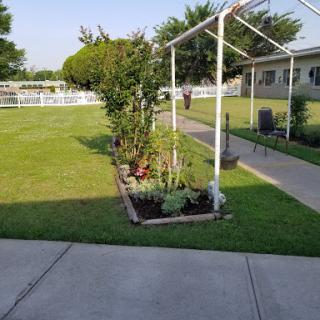
 Garden
 Housekeeping services
 Kitchenette
 Move-in coordination
 Outdoor space
 Private bathrooms
 Restaurant-style dining
 Small library
 Telephone
 Wellness center
 Wi-Fi/high-speed internet available
 Community operated transportation
 12-16 hour nursing
 24-hour call system
 Activities of daily living assistance
 Assistance with bathing
 Assistance with dressing
 Assistance with transfers
 Diabetes diet
 Medication management
 Mental wellness program
 Special dietary restrictions
 Concierge services
 Planned day trips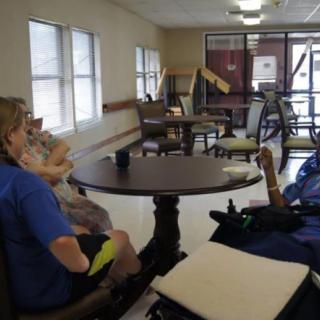







 Understanding the Nuances of Palliative Care and Hospice: A Comprehensive Exploration
 Is In-Home Healthcare Tax Deductible? Your Comprehensive Guide
 Nurturing Well-Being Through Gardening: A Detailed Guide for Senior Enthusiasts