


Ballard Nursing Center

Save

  • Interior

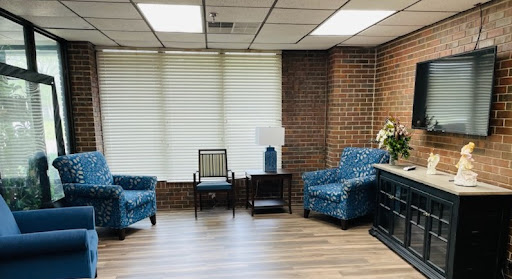
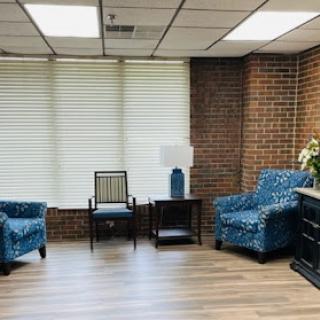
    A cozy waiting area featuring blue patterned chairs, a small side table with a lamp, and a brick wall backdrop.
  • Decor

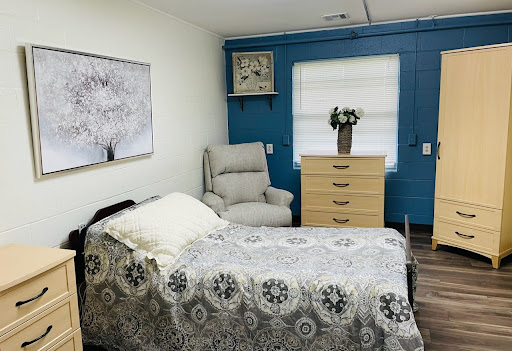
    A cozy bedroom featuring a neatly made bed, a comfortable chair, and a stylish dresser against a blue wall.
  • Building

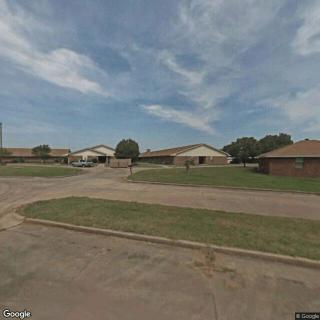
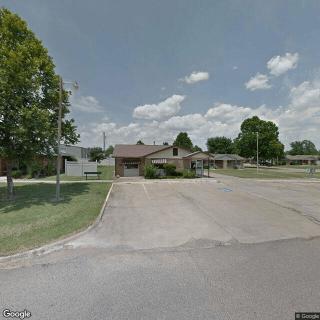
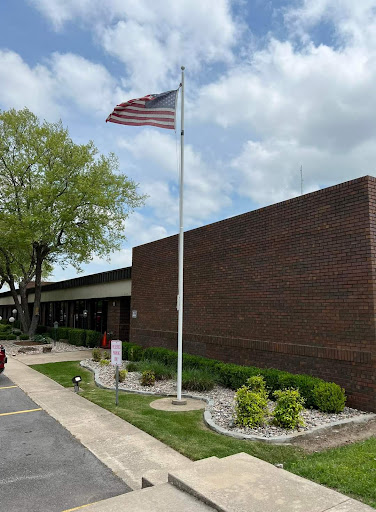
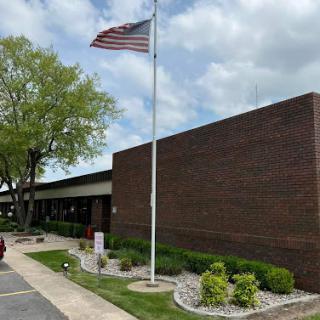
    A view of a brick building with an American flag flying in front, surrounded by landscaped greenery on a cloudy day.
  • Bedroom

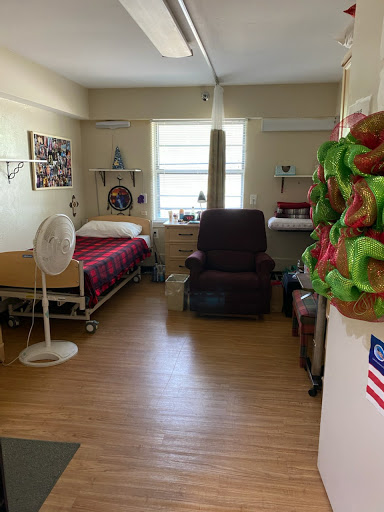
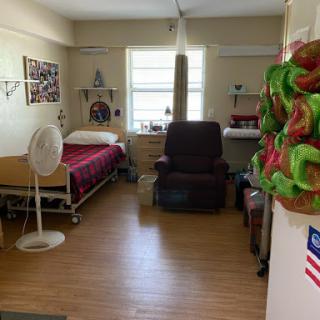
    A view of a patient's room in a hospital, featuring a bed, recliner chair, and personal touches.
  • Windows

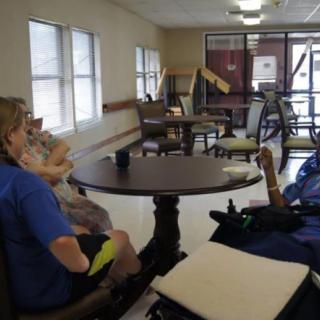
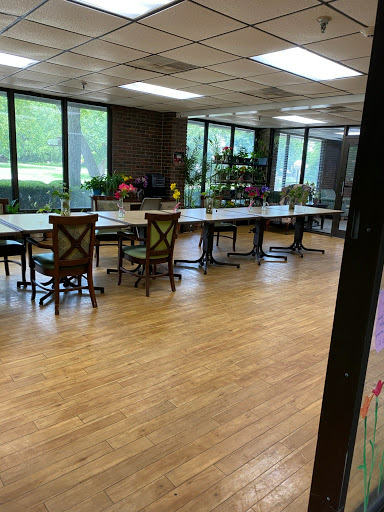
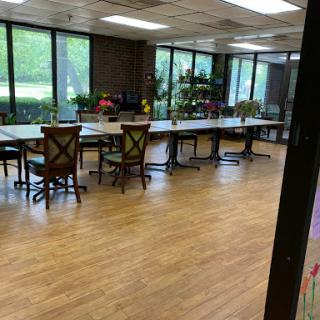
    A spacious and well-lit office workspace featuring multiple tables and chairs, surrounded by large windows and greenery.
  • Lighting

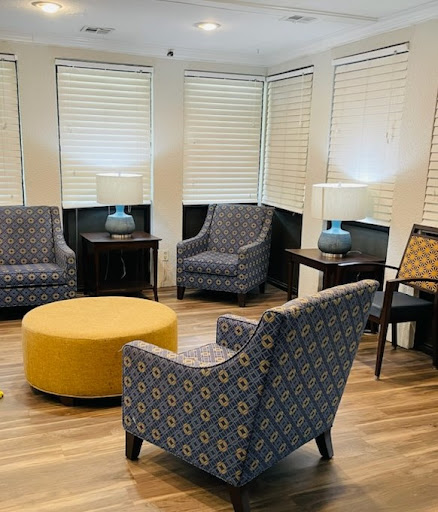
    A cozy lounge area featuring patterned chairs, a yellow ottoman, and soft lighting.
  • Outdoor

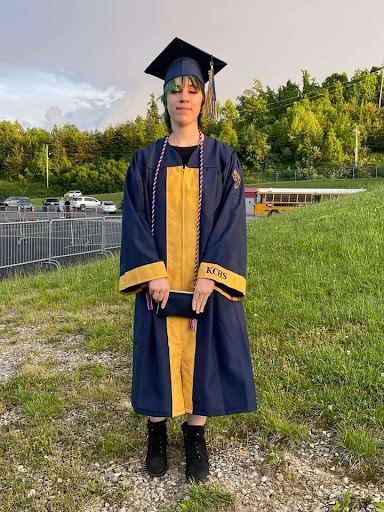
    A proud graduate posing in their cap and gown on a sunny day.
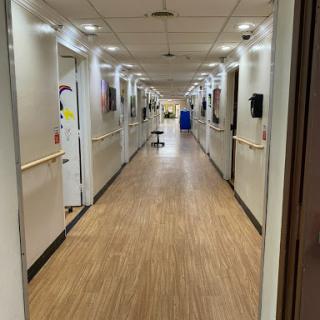
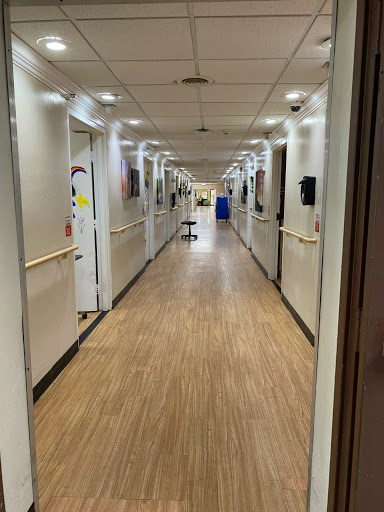
  • Hallway

    A view of a hospital hallway with doors to various rooms on either side.
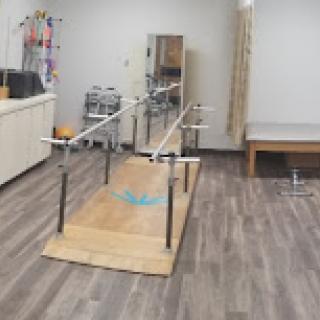
  • Exercise Equipment

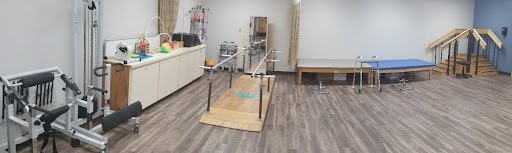
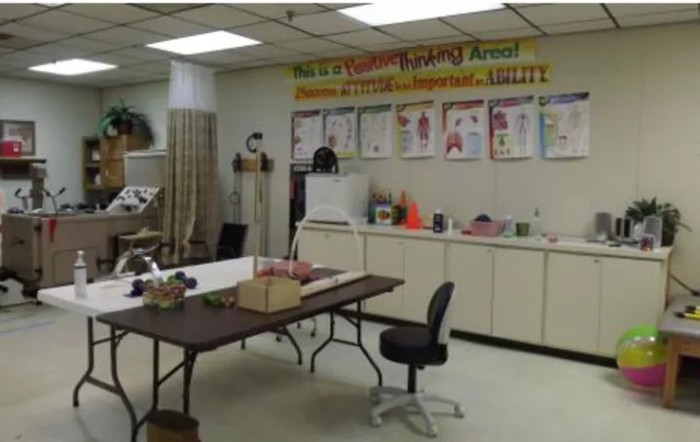
    A physical therapy room equipped with parallel bars for rehabilitation exercises.

Ballard Nursing Center

201 West 5Th Street, Ada, OK 74820

For more information about senior living options: (844) 490-3973

3.6 from 13 reviews
5 stars
8
4 stars
0
3 stars
1
2 stars
0
1 stars
4

Skilled Nursing Facility

What level of care are you interested in?

Assisted Living

Memory Care

Independent Living

Skilled Nursing Facility

Continuing Care Retirement Community (CCRC)CCRC

Other


Request a tour at Ballard Nursing Center

    Overall Review of Ballard Nursing Center

    Pros

    • pro Ballard Nursing Center provided professional and personal care with love, and Halo Hospice offered equally professional and caring support.
    • pro The staff treated residents and families with respect and kindness, often with a heart of gladness.
    • pro Linda was kept clean and comfortable even though she could not communicate problems.
    • pro The collaboration with Halo Hospice brought comfort and understanding well beyond expectations.
    • pro Jeanette (the administrator) and Ballard's staff treated my mother as if she were their own, going above and beyond.
    • pro The care for patients with Alzheimer's and dementia was delivered with dignity and compassion, improving overall well-being.
    • pro The nurses kept families updated and supported during transitions, providing reassurance.
    • pro The overall experience at Ballards was described as a blessing and a true calling to care for the elderly with compassion.

    Cons

    • pro A three-month battle ensued to move the brother-in-law out of Ballard Nursing Center.
    • pro They advise never letting a loved one stay there.
    • pro He was never given a bath and developed a fungal toe infection with bed sores.
    • pro He alleged he was beaten and sexually assaulted, and reported it to Seattle police.
    • pro The facility smelled of urine upon entering.
    • pro Residents were begging for help while staff ignored them.
    • pro The staff fought against the family's hospice choice, pressing them to use the facility's own hospice.
    • pro The owner allegedly steered families to a hospice service they own.
    • pro Discharge was obstructed and police involvement was required twice.
    • pro It was described as the worst smelling facility with rude, unhelpful staff and an uncaring administration.
    • pro A mother was almost starved to death and suffered severe dehydration.

    Review

    Ballard Nursing Center and Halo Hospice come through in many different stories, some filled with profound gratitude and reassurance, others marked by alarm and distress. Taken together, the submissions paint a complex portrait of care, compassion, and the difficult realities that can accompany long-term placement. Across these accounts, families repeatedly acknowledge acts of kindness, dignity, and professionalism, while also naming serious concerns that they say deserve attention and accountability.

    Several reviewers center their gratitude on Linda, a loved one who spent a five-month period in Ballard Nursing Center before passing. They describe Linda as being treated with respect, kindness, and genuine caring. They note that the facility was kept extremely clean and disinfected, and that Linda was kept clean and comfortable even though she could not communicate easily. The care was described as coming with a "heart of gladness," and the team worked in tandem with Halo Hospice to provide professional, compassionate support. One particularly heartfelt line speaks to a sense that Linda's time was made easier and more peaceful because of the staff's dedication, a sense that the care and the love shown were more than medical service - they were a form of blessing, even a divine arrangement in the eyes of those who wrote.

    In contrast, at least one serious account raises alarms about Ballard's care. A brother-in-law's experience is described as a prolonged and difficult struggle to obtain discharge from the facility, spanning about three months. The reviewer claims that he was not given baths, developed a fungal toe infection with an overgrown toe nail, sustained bed sores, and had a feeding tube inserted despite being able to eat independently. Nighttime fears are voiced through accusations of beating and a report of sexual assault, with the Seattle Police involved and adult protective services notified by both the police and the family. The reviewer emphasizes a pervasive odor of urine upon entry, widespread calls from residents begging for help, and alleged neglect by staff who allegedly ignored residents in distress. The message is explicit: do not leave loved ones there. The reviewer states that there were multiple attempts to prevent discharge, even requiring police involvement twice, underscoring a deeply troubling experience.

    Amid these weighty concerns, other families report positive, steady care for loved ones. One reviewer notes that their mother is living at Ballard's and that both the facility and Halo Hospice are providing excellent care. The sense is of ongoing, supportive attention, with expectations of consistent oversight and comfort for the patient.

    Another strong, heartfelt account highlights care for a mother with Alzheimer's, praising Jeanette (the administrator) and the staff for treating the mother with dignity and love - like family members. The reviewer observes that Alzheimer's can be unpredictable, but Ballard's staff consistently demonstrated respect and compassion, sometimes going above and beyond what would be expected. The story emphasizes a long residence - almost two years - and notes that during the day of the mother's funeral, Jeanette and some staff were unable to attend due to a surprise state agency visit that nonetheless resulted in zero deficiencies. The overall tone is one of gratitude for the staff's devotion and the sense that taking care of elderly residents with compassion and dignity is a true calling.

    There are also strongly positive personal testimonies that speak to relief and emotional support. One family describes Ballard as their "savior," with the director appearing as an angel who explained what needed to be done to secure help for the mother. The nurses kept the family updated and cared for the mother as if she were their own. The reviewer found comfort in knowing a nurse stood by the mother's side at the moment of death, providing companionship and presence during a difficult transition.

    But not every account aligns with these affirmations. Another writer presents a starkly negative view, saying they would never allow a loved one to live under Ballard's care again, citing horrific treatment, almost starving and dehydration severe enough to alarm an ER doctor. The author claims to have faced obstacles in obtaining corporate contact information and to make a pointed call for accountability and reform, ending with a strong, unambiguous recommendation against the facility.

    There is also a view of the facility's management and adaptability in times of need. One review emphasizes 24/7 care and an extremely accommodating manager - Jeanette - who helped oversee care and provided practical information and guidance for families navigating transitions. The writer notes that their mother has Parkinson's and Dementia, and while these conditions bring challenges, the family feels supported and reassured by the staff's efforts to keep their loved one properly cared for and to maintain communication with the family.

    Further, other families report steady, positive experiences with ongoing communication and care quality. They describe the staff as kind and attentive, with periodic updates that reduce worry for families. There is a clear sense of appreciation for how transitions between facilities were handled, and for the staff's ability to manage medical needs alongside the emotional and logistical complexities of elder care.

    The praise extends to specific individuals and to the overall environment created by Ballard Nursing Center and its team. Families mention periodic improvements, warmth from caregivers, and activities designed to keep residents engaged. They acknowledge the center's partnership with Halo Hospice as a vital component of comprehensive end-of-life care, highlighting the synergy between an attentive nursing team and expert hospice support as meaningful and comforting during trying times.

    At the same time, a final strong caution appears in one account: a claim of the worst smell of urine upon entering, combined with staff who appeared rude and uncaring, and an administrator who seemed indifferent. The reviewer says the owner has a hospice tie and that there were conflicts around choosing hospice services within the facility, suggesting resistance to alternative hospice providers. This account ends with a plea for families to be vigilant and to seek out whatever options best serve their loved ones, underscoring that experiences at Ballard can vary dramatically from one family to the next.

    Taken together, these stories present a broad spectrum of experiences at Ballard Nursing Center and with Halo Hospice. Many families celebrate compassionate, respectful care, clear communication, and genuine kindness that honors the dignity of their loved ones. They describe clean, well-maintained environments and teams that go above and beyond to support residents and families, even in the most challenging circumstances. Yet there are equally forceful accounts of neglect, mistreatment, and systemic issues that led families to question the quality and safety of the care provided, calling for accountability and change. In every case, the overarching theme is the profound responsibility of caring for elderly and seriously ill loved ones, and the deep emotional impact these experiences have on families navigating the end of life.

    Features

    Housing

    • 73 resident community capacity 73 resident community capacity

    Types of Care

    • Skilled Nursing Facility Skilled Nursing FacilitySkilled Nursing Facilities are crucial for seniors as they provide round-the-clock medical care, rehabilitation services, and assistance with daily activities. These facilities ensure that seniors receive the specialized care they need to maintain their health and well-being as they age.

    Amenities

    • Air-conditioning Air-conditioningAir conditioning is important for seniors as they are more vulnerable to heat-related illnesses and may have underlying health conditions that make it difficult for them to regulate their body temperature. It helps to keep them comfortable, safe, and healthy in hot weather.
    • Beauty salon Beauty salonBeauty salons are important for seniors because they provide a space for them to feel pampered, socialize, and maintain their personal grooming and hygiene. Regular visits to a beauty salon can help boost seniors' self-esteem and overall well-being.
    • Cable or satellite TV Cable or satellite TVCable or satellite TV is important for seniors because it provides entertainment, news, and companionship, helping to combat loneliness and boredom. It also offers a wide range of programming options tailored to different interests and preferences.
    • Computer center Computer centerA computer center is essential for seniors as it provides access to technology, communication tools, and resources that can enhance their daily lives. It allows them to stay connected with loved ones, engage in online activities, and learn new skills, ultimately promoting socialization and mental stimulation.
    • Dining room Dining roomDining rooms are important for seniors as they provide a space for socialization, connection, and nutritious meals. They offer opportunities for residents to bond over shared meals, foster a sense of community, and promote healthy eating habits. Dining rooms also ensure that seniors have access to well-balanced meals tailored to their dietary needs and preferences.
    • Fitness room Fitness roomHaving a fitness room in a senior living community is essential for seniors to stay active, maintain their physical health, and improve their overall well-being. Regular exercise can help prevent falls, reduce the risk of chronic diseases, and promote mental sharpness. It also provides social opportunities for residents to connect with others and enjoy a sense of community.
    • Fully furnished Fully furnishedFully furnished senior living communities are important for seniors because they provide convenience, comfort, and a hassle-free moving experience. Seniors can easily settle into their new living space without the stress of having to buy and move furniture. This allows them to focus on enjoying their new home and community.
    • Gaming room Gaming roomGaming rooms are important for seniors as they provide a fun and engaging environment for socializing, cognitive stimulation, and physical activity. Games can improve memory, problem-solving skills, and overall mental well-being while fostering friendships and reducing feelings of isolation.
    • Garden GardenGardens are important for seniors as they provide a peaceful and therapeutic environment for relaxation, physical activity, and socialization. Being in nature has been shown to reduce stress, improve mood, and promote overall well-being. Gardens also offer opportunities for seniors to engage in gardening activities, which can improve mobility, flexibility, and cognitive function. Additionally, gardens create a sense of community and connection with others who share a passion for plants and outdoor spaces.
    • Housekeeping services Housekeeping servicesHousekeeping services are important for seniors because they help maintain a clean and safe living environment, promote independence, and reduce the risk of accidents or illnesses. Additionally, having assistance with household chores can alleviate physical strain and allow seniors to focus on other aspects of their well-being.
    • Kitchenette KitchenetteKitchenettes are important for seniors living in senior living communities because they provide the convenience and independence of being able to prepare simple meals and snacks in the comfort of their own living space. This can help promote a sense of autonomy and well-being for seniors, allowing them to maintain some level of control over their dietary choices and daily routines.
    • Move-in coordination Move-in coordinationMove-in coordination is important for seniors because it helps ease the transition into their new living environment. It ensures that all logistics, such as packing, organizing movers, and setting up utilities are taken care of, allowing seniors to focus on settling in and adjusting to their new home. Having a smooth move-in process can alleviate stress and anxiety, making the transition smoother and more enjoyable for seniors.
    • Outdoor space Outdoor spaceOutdoor spaces are important for seniors as they provide opportunities for physical activity, social interaction, exposure to natural light and fresh air, and a sense of connection to nature. Having access to outdoor spaces can improve overall well-being and quality of life for older adults living in senior communities.
    • Private bathrooms Private bathroomsPrivate bathrooms are important for seniors in senior living communities because they provide independence, dignity, and comfort. Having a private bathroom allows seniors to maintain their personal hygiene routines without the need for assistance, promoting a sense of autonomy and privacy. Additionally, private bathrooms help prevent the spread of infections and provide a safe and clean environment for seniors to navigate safely.
    • Restaurant-style dining Restaurant-style diningRestaurant-style dining is important for seniors because it allows them to enjoy delicious, nutritious meals in a social and upscale setting. This enhances their dining experience, promotes healthy eating habits, and fosters socialization with fellow residents, ultimately contributing to their overall well-being and quality of life.
    • Small library Small librarySmall libraries are important for seniors as they provide access to a variety of reading materials, including books, newspapers, and magazines. This can help stimulate their minds, keep them engaged, and provide a sense of community through book clubs and other social activities. Additionally, reading has been shown to improve cognitive function and overall mental well-being in older adults.
    • Telephone TelephoneTelephones are important for seniors as they provide a lifeline for communication with loved ones, emergency services, and healthcare providers. They offer a sense of security and independence, enabling seniors to stay connected and access assistance when needed.
    • Wellness center Wellness centerWellness centers are important for seniors because they offer a variety of programs and services that promote physical, mental, and emotional well-being. These centers provide opportunities for exercise, socialization, education, and relaxation, helping seniors maintain their overall health and quality of life.
    • Wi-Fi/high-speed internet available Wi-Fi/high-speed internet availableWi-Fi/high-speed internet is important for seniors to stay connected with loved ones, access online resources, and participate in virtual activities to combat feelings of loneliness and isolation. It also allows them to easily manage healthcare needs, access entertainment, and engage in lifelong learning opportunities.

    Transportation

    • Community operated transportation Community operated transportationCommunity operated transportation is crucial for seniors as it provides them with the means to access essential services, social activities, and medical appointments. It allows seniors to maintain their independence and quality of life by ensuring they can participate in activities outside of their homes. Additionally, community-operated transportation services offer a safe and reliable way for seniors to travel without having to rely on family or friends for assistance.
    • Transportation arrangement Transportation arrangementTransportation arrangements are crucial for seniors as they may face challenges with driving, mobility, or access to public transportation. Having reliable transportation services ensures that seniors can easily attend appointments, social activities, and maintain their independence and quality of life.
    • Transportation arrangement (non-medical) Transportation arrangement (non-medical)Transportation arrangements are essential for seniors as they provide access to essential services, activities, and social interactions outside the home. This service helps maintain independence, mobility, and overall well-being for seniors who may have limited transportation options.
    • Transportation to doctors appointments Transportation to doctors appointmentsTransportation to doctors appointments is crucial for seniors as it ensures they have access to necessary medical care and support, promoting their health and well-being. It allows them to receive timely treatment, monitor existing conditions, and address any new health concerns efficiently. Additionally, transportation services can help seniors maintain their independence and quality of life by enabling them to stay connected with their healthcare providers.

    Care Services

    • 12-16 hour nursing 12-16 hour nursing12-16 hour nursing care is crucial for seniors in order to ensure around-the-clock monitoring, timely medication administration, and prompt response to any health concerns or emergencies. This level of care helps to promote the overall well-being and safety of seniors living in senior living communities.
    • 24-hour call system 24-hour call system24-hour call systems are important for seniors because they provide peace of mind and immediate assistance in case of emergencies. This technology ensures that help is always available, promoting safety and security for elderly individuals living alone or in assisted living facilities.
    • 24-hour supervision 24-hour supervision24-hour supervision is important for seniors to ensure their safety, well-being, and access to immediate assistance in case of emergencies or health issues. This constant support provides peace of mind for both seniors and their loved ones, allowing them to age in place with dignity and security.
    • Activities of daily living assistance Activities of daily living assistanceActivities of daily living assistance are important for seniors because they provide essential support with tasks such as eating, bathing, dressing, and mobility. This assistance helps seniors maintain their independence, dignity, and overall quality of life as they age.
    • Assistance with bathing Assistance with bathingAssistance with bathing is crucial for seniors as it helps maintain personal hygiene, prevents infections, and ensures their overall well-being and comfort. It also provides a sense of dignity and independence for seniors who may struggle with this task on their own.
    • Assistance with dressing Assistance with dressingAssistance with dressing is important for seniors because it helps maintain their independence, promotes personal hygiene, prevents accidents and injuries, and improves overall quality of life. This service ensures that seniors can continue to dress comfortably and confidently, despite any physical limitations they may have.
    • Assistance with transfers Assistance with transfersAssistance with transfers is crucial for seniors as it helps prevent falls and injuries, maintains their independence, and ensures they can safely navigate their living environment. It also provides peace of mind for both seniors and their loved ones.
    • Diabetes diet Diabetes dietA diabetes diet is crucial for seniors as it helps manage blood sugar levels, reduce risks of complications, and improve overall health and well-being. By following a balanced and nutritious diet tailored to their specific needs, seniors can better control their diabetes and enhance their quality of life.
    • Meal preparation and service Meal preparation and serviceMeal preparation and service are crucial for seniors as they may have limited mobility or energy to cook nutritious meals. Having access to healthy and convenient food options can ensure they are getting the proper nutrition needed to maintain their overall health and well-being.
    • Medication management Medication managementMedication management is crucial for seniors to ensure they are taking the right medications at the correct dosages and times. This helps prevent adverse drug interactions, reduces the risk of medication errors, and promotes overall health and well-being. Proactive management also allows for adjustments as needed based on changing health conditions or new prescriptions.
    • Mental wellness program Mental wellness programMental wellness programs are essential for seniors as they promote cognitive stimulation, emotional support, and social engagement. These programs help prevent isolation, depression, and cognitive decline, ultimately enhancing the overall quality of life for older adults.
    • Special dietary restrictions Special dietary restrictionsSpecial dietary restrictions are important for seniors because age-related changes in metabolism and health conditions can make it difficult for their bodies to process certain foods. By following a diet tailored to their specific needs, seniors can maintain their overall health and well-being, manage chronic conditions, and reduce the risk of complications such as malnutrition or food interactions with medications.

    Dining

    • Diabetes diet Diabetes dietA diabetes diet is crucial for seniors as it helps manage blood sugar levels, reduce risks of complications, and improve overall health and well-being. By following a balanced and nutritious diet tailored to their specific needs, seniors can better control their diabetes and enhance their quality of life.
    • Special dietary restrictions Special dietary restrictionsSpecial dietary restrictions are important for seniors because age-related changes in metabolism and health conditions can make it difficult for their bodies to process certain foods. By following a diet tailored to their specific needs, seniors can maintain their overall health and well-being, manage chronic conditions, and reduce the risk of complications such as malnutrition or food interactions with medications.

    Activities

    • Community-sponsored activities Community-sponsored activitiesCommunity-sponsored activities are important for seniors as they provide opportunities for social interaction, mental stimulation, and physical activity. These activities can help improve overall well-being, combat loneliness and isolation, and promote a sense of belonging and purpose among older adults.
    • Concierge services Concierge servicesConcierge services are essential for seniors as they provide assistance with daily tasks and errands, enhance their quality of life by offering convenience and personalized care, and promote a sense of safety and security.
    • Fitness programs Fitness programsFitness programs are crucial for seniors as they help improve strength, flexibility, balance, and overall well-being. Staying active can reduce the risk of chronic diseases, improve mental health, and enhance quality of life in older adults.
    • Planned day trips Planned day tripsPlanned day trips are important for seniors because they offer opportunities for socialization, mental stimulation, and physical activity. They provide a change of scenery and help seniors stay engaged and connected to their community, promoting overall well-being and quality of life.
    • Resident-run activities Resident-run activitiesResident-run activities are important for seniors as they encourage social interaction, creativity, and a sense of autonomy. These activities empower seniors to stay engaged and active in their community while fostering meaningful connections with their peers.
    • Scheduled daily activities Scheduled daily activitiesScheduled daily activities are important for seniors because they provide structure, socialization, mental stimulation, and physical activity. Engaging in regular activities can improve overall well-being and quality of life for seniors living in a community setting.

    Description

    The Ballard Nursing Center in Ada, OK is a welcoming and vibrant assisted living community that offers a wide range of amenities and care services to ensure the comfort and well-being of its residents.

    Our community features a beauty salon where residents can pamper themselves, as well as cable or satellite TV for their entertainment needs. We also provide community-operated transportation for easy access to nearby amenities and appointments, along with a computer center for staying connected.

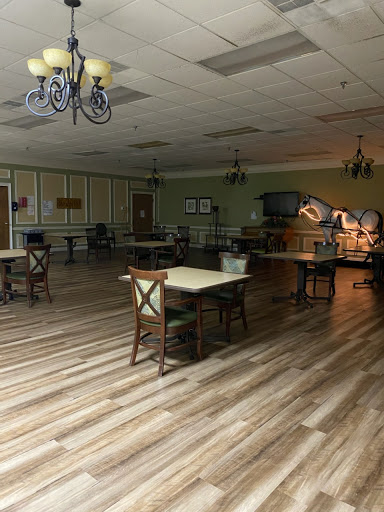
    Meals are served in our spacious dining room in a restaurant-style setting, with special dietary restrictions accommodated. The fully furnished accommodations include private bathrooms and kitchenettes, creating a comfortable and convenient living space. Housekeeping services are provided to ensure cleanliness and tidiness.

    For leisure activities, we have a fitness room and gaming room where residents can stay active and engaged. Our outdoor space includes a lovely garden for relaxation or socializing, while our small library offers a quiet place for reading and learning. Wi-Fi/high-speed internet is available throughout the community.

    We prioritize the safety and well-being of our residents by offering 24-hour call system supervision and assistance with activities of daily living such as bathing, dressing, and transfers. Our staff provides medication management and follows diabetes diets as needed. A mental wellness program is also available to support residents' emotional health.

    Transportation arrangements are made both for non-medical purposes as well as to doctors appointments. Move-in coordination services are provided to ensure a smooth transition into our community.

    In addition to the amenities and care services offered within our community, we are conveniently located near various establishments, including cafes, parks, pharmacies, physicians' offices, restaurants, places of worship, and hospitals.

    At the Ballard Nursing Center in Ada, OK, we strive to create an enriching environment where residents feel at home while receiving the care they need.

    Nearby Places of Interest

    Places of Worship

    • Practical Ministry Solutions (0.1 miles)
    • Mitchell Memorial United Methodist Church (0.1 miles)
    • H2OKids (0.4 miles)
    • First Christian Church (0.6 miles)
    • First United Methodist Church (0.7 miles)
    • Bible Baptist Church (0.7 miles)
    • Southern Baptist Convention (0.7 miles)

    Restaurants

    • Polo's Embassy (0.4 miles)
    • Boom-a-Rang Diner (0.5 miles)
    • Folger's Drive-In (0.6 miles)
    • Braum's (0.6 miles)
    • Burger King (0.6 miles)
    • KFC (0.6 miles)
    • Prairie Kitchen (0.6 miles)

    Cafes

    • Arbuckle Craft Coffee (0.5 miles)
    • Aldridge Coffee Shop (0.5 miles)
    • Hot Shots Coffee House (0.8 miles)
    • Daylight Donuts (0.9 miles)
    • Starbucks (0.9 miles)

    Pharmacies

    • Green Supreme Dispensary (0.5 miles)
    • Nichols Dollar Saver (0.7 miles)
    • Pruett's Food (0.7 miles)
    • McCortney's Family Pharmacy & Compounding Center (0.7 miles)
    • McCortney Drug (0.7 miles)
    • Walgreens (1 miles)
    • Tradition Drug (1.1 miles)

    Parks

    • Glenwood Park (0.6 miles)
    • Kehila Park (24.7 miles)

    Transportation

    • U-Haul (0.6 miles)
    • Ada Airport (1.6 miles)

    Physicians

    • Medical X Ray Consultants (1 miles)
    • Ada Foot & Ankle Clinic (1.1 miles)
    • Ada Pediatric Clinic (1.3 miles)
    • Bva Advanced Eye Care (1.3 miles)
    • Corning Eye Center (1.3 miles)
    • Ada Family Eye Care (1.4 miles)
    • Allen Health Clinic (16.4 miles)

    Hospitals

    • Valley View Hospital (1.9 miles)

    Frequently Asked Questions

    Where is Ballard Nursing Center?
    What photos are available for Ballard Nursing Center in Ada, Oklahoma?

    Nearby Communities

    Related Resources

    • caregiver burnoutCaregiver Exhaustion: Recognizing the Signs and Restoring Your Well-Being

      Caregiver exhaustion, or burnout, stems from the relentless demands of caregiving, leading to emotional and physical depletion characterized by stress, frustration, and neglect of personal needs. Addressing this burden is essential to prevent long-term consequences, with early recognition and support being crucial for caregivers to maintain balance and implement self-care.

    • what is hospice care at homeUnderstanding Hospice Care at Home: Comprehensive Services, Key Benefits, and Eligibility

      Hospice care at home provides specialized end-of-life support that focuses on comfort and dignity for individuals with life-limiting illnesses, offering a range of services including medical management, emotional and spiritual support, and logistical assistance tailored to the family's needs. It involves collaboration to create individualized care plans and extends to bereavement support after a loved one's passing.

    • how much does 24/7 in home care cost per monthUnderstanding the Full Cost of 24/7 In-Home Care: A Detailed Overview
      The guide outlines the rising costs of 24/7 in-home care, ranging from $10,000 to over $20,000 monthly, driven by factors such as location and caregiver qualifications. It discusses the limited coverage by Medicare and private insurance, potential Medicaid support, and the emotional and living condition considerations influencing families' decisions on care arrangements.


    Get Pricing Ask A Question Schedule A Tour Contact Senior Advisor