
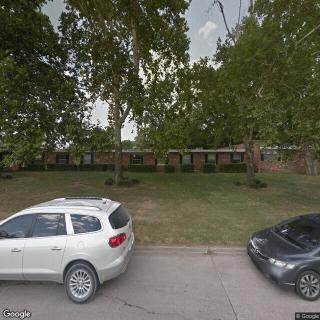
111 13Th Avenue Northwest, Ardmore, OK 73401
For more information about senior living options: (866) 208-4318
Overall Review of Whispering Oaks
Pros
 They treat residents like relatives, which is awesome.
- The staff love the people and take pride in their work.
- The home values family caring for others.
- It is a great place for the elderly who need 24-hour help.
- The staff are great.
- The home welcomed church Christmas caroling in 2018.
Cons
 The facility makes it hard for residents to see their families.
- Visitation is limited to Monday through Friday, which reviewers view as backwards since most families are free on weekends.
- The building is very run-down and nasty, with patients not cared for and mold on a tea pitcher.
- The smell is bad, the ceiling is in disrepair, and the overall care is only fair.
- It is described as the worst place to place a loved one, with an aunt dying without any contact from the nursing home.
- Staff refused to speak to the family after the aunt’s death, and the family only learned of the death when the funeral home contacted them.
- There is an incident where a grandmother wandered off to a major street because nurses did not do their job properly, and staff let the patient outside.
Review
Whispering Oaks in Ardmore, OK is best suited for seniors who require steady daily assistance and for families that prize a warm, hands-on caregiving culture over pristine, showroom-style surroundings. The strongest appeal is the evident commitment of staff who treat residents like relatives and who demonstrate a willingness to go the extra mile within a smaller, community-focused setting. This is a place where 24-hour help is real, and where intimate, family-style care can feel tangible to relatives who want to be part of daily routines. Yet this strength sits alongside a reality: a facility that often feels worn and imperfect, where warmth and effort do not automatically translate into consistently excellent care or flawless maintenance.
Those who should consider alternatives are families that prioritize pristine cleanliness, modern amenities, aggressive maintenance, and unimpeachable safety assurances. If odor, visible mold, peeling paint, and a sense of neglect trouble you, Whispering Oaks will probably not meet expectations. Weekend accessibility and responsive communication with families are nonnegotiables for many, and the reported visitation limitations raise questions about how deeply families can participate in care decisions and daily oversight. For households that require highly reliable safety systems, frequent updates, and a consistently polished environment, other options are likely a better fit.
The main pros at Whispering Oaks, caring, engaged staff and a culture that treats residents with personal regard, do offset some day-to-day irritants for families who value relationship-based care. The affection residents reportedly receive and the willingness of staff to see family members as partners in care provide comfort that cannot be captured by a glossy brochure. Yet these strengths are not enough to erase the more troubling realities that surround upkeep and accountability. The building’s overall condition, coupled with mixed care assessments described as only fair by reviewers, undermines confidence in daily safety and long-term well-being.
Visitation policies emerge as a clear friction point. Limiting visits to Monday through Friday excludes a large portion of working families and can delay important conversations about changes in health status or care plans. When families need to respond quickly to a loved one’s needs, restricted weekend access becomes a real hurdle. This is not simply a preference issue; it directly affects how families monitor care, document concerns, and collaborate with staff on responsive adjustments. If the administration can offer more flexible hours or structured private visiting spaces, the goodwill present in the staff could translate into stronger trust and better outcomes.
Several reviews carry troubling specifics about neglect and safety lapses. There are accounts of residents not receiving adequate care, odors and hygiene problems, and deteriorating environments, issues that do not align with basic safety and dignity standards. A particularly jarring claim describes a resident who died with little or no timely communication to the family, followed by near silence when inquiries were made. Other reports mention a resident wandering toward a major street with insufficient supervision. While these are serious allegations, they demand careful verification through direct questions to administration, tour observations, and a review of incident logs before any family makes a final judgment.
In decision-making terms, the prudent path combines due diligence with practical checks. Ask for current staff-to-resident ratios by shift, evidence of regular sanitation schedules, and detailed care plans that show ongoing reassessment. Request a meeting with the administrator, a comprehensive tour of all living areas, dining spaces, and activity rooms, and a crisp explanation of what safety protocols, incident reporting, and family updates look like in real time. If Whispering Oaks can demonstrate stronger maintenance, clearer accountability, and more flexible visitation while preserving the evident warmth of its caregiving staff, the trade-offs may be acceptable for some families. If these improvements are not forthcoming, alternatives with cleaner environments, stronger safety records, and more transparent communication should be pursued with confidence.
 76 resident community capacity
 Skilled Nursing Facility
 Air-conditioning
 Beauty salon
 Cable or satellite TV
 Computer center
 Dining room
 Fitness room
 Fully furnished
 Gaming room
 Garden
 Housekeeping services
 Kitchenette
 Move-in coordination
 Outdoor space
 Private bathrooms
 Restaurant-style dining
 Small library
 Telephone
 Wellness center
 Wi-Fi/high-speed internet available
 Community operated transportation
 12-16 hour nursing
 24-hour call system
 Activities of daily living assistance
 Assistance with bathing
 Assistance with dressing
 Assistance with transfers
 Diabetes diet
 Medication management
 Mental wellness program
 Special dietary restrictions
 Concierge services
 Planned day trips




 Exploring Palliative Care in the Home: A Comprehensive Overview
 Comprehensive Insights into Palliative Home Care: What It Is and What to Expect
 Skilled Nursing Facilities vs. Nursing Homes: Making Sense of the Differences