

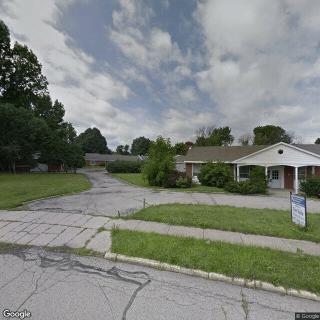
711 Dayton-Xenia Road, Xenia, OH 45385
For more information about senior living options: (866) 208-4318
Greenewood Manor Costs & Pricing
At Greenewood Manor, the monthly cost for a private room is $4,250, which positions it slightly above the average for Greene County, where the typical monthly rate is approximately $3,983. Comparatively, this rate is more economical than the state average in Ohio, which stands at around $4,771. The pricing at Greenewood Manor reflects not only the quality of care and amenities offered but also aligns competitively within the broader market context. Prospective residents can appreciate that while Greenewood's rates are higher than those in Greene County, they still provide a value that exceeds state averages.
| Floor plans | Greenewood Manor | Greene County | Ohio |
|---|---|---|---|
| Private | $4,250 | $3,983 | $4,771 |
Skilled Nursing Facilities with a similar price nearby
-
from -$805 / mo
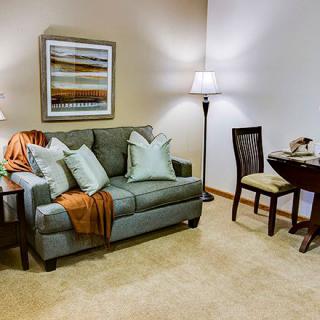
Brookdale Beavercreek
$3,445 to $3,855 / month6.0 miles away -
from -$515 / mo
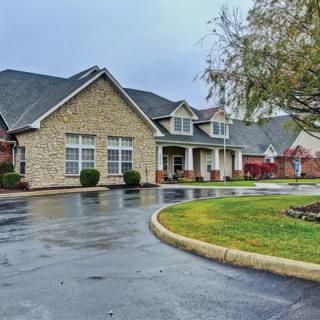
Brookdale Buck Creek
$3,735 to $3,915 / month21.6 miles away -
from -$478 / mo
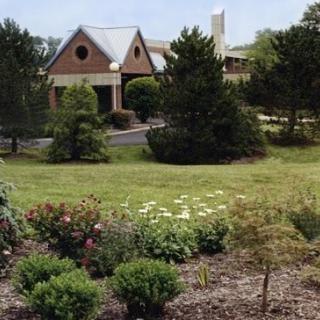
Trinity Community
$3,772 / month4.7 miles away -
from +$505 / mo
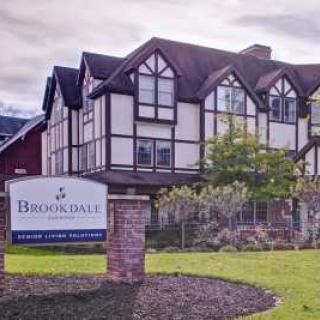
Brookdale Oakwood
$4,755 to $6,735 / month11.0 miles away -
from -$455 / mo
Traditions of Beavercreek
$3,795 to $5,195 / month6.2 miles away
Overall Review of Greenewood Manor
Pros
 The staff at Greenewood Manor are attentive and call residents by name, taking very good care of them.
- STNAs and nurses are great.
- The dining room is lovely, open, and features chandeliers that residents enjoy.
- The nurses, caregivers, doctors, and staff treat residents with respect and are very helpful.
- The physical therapists are dedicated and supportive, helping residents through therapy.
- The facility is clean and fresh.
- Administrators are attentive and consistently check in with families.
Cons
 He was told by the business office there would be no out-of-pocket expenses, but seven months later he received a bill for over $10,846.
- The reviews warn readers to be wary and to get everything in writing.
- The building is very old and needs to be taken care of.
- She lies around in bed all day, and there aren’t many activities.
- The management was better when Dee Owsley and Denise Percival were there.
Review
Greenewood Manor in Xenia, OH is best suited for families seeking solid, hands-on clinical care in a traditional, homey setting where staff know residents by name and care feels personal. The community shines for post-acute rehab and long-term residents who value stability in staffing, strong nursing oversight, and a social rhythm that includes church services and a communal dining experience. It works well for families who prioritize continuity of care, clear accountability from an engaged care team, and a facility atmosphere that feels lived-in rather than glossy. In short, it is a practical choice for those who want reliable nursing and rehabilitation support within an older, character-filled environment.
The strongest positives center on care quality and relationships. STNAs and nurses are consistently praised for attentiveness and competence, with therapists and aides described as capable and dedicated. Residents benefit from a staff that appears to know them individually, often speaking by name and responding promptly to needs. The dining room is described as welcoming and well-appointed for an older property, and sessions of social activity, whether games, church on Sundays, or group interactions, help residents stay engaged. Families also note open lines of communication, with staff and administrators who involve loved ones and coordinate care rather than leaving them in the dark. The combination of strong clinical care and a stable, personable staff creates a dependable core for daily life.
Yet the reviews do not hide meaningful drawbacks that must be weighed carefully. The facility is explicitly described as old, with maintenance needs that come with aging infrastructure. Some residents share bathrooms, which can affect privacy and convenience for those seeking higher accommodation standards. Activity levels can vary, at times, residents may spend substantial time in bed with fewer structured offerings, and this can frustrate families hoping for a busier, more varied daily schedule. Administrative issues surface in the form of billing surprises: promises of no out-of-pocket costs were contradicted by substantial bills months after discharge, underscoring a risk of unclear or incomplete financial communications. Occasional references to past administrative leadership suggest that management consistency has fluctuated, which can color experiences during critical moments.
Despite these cons, the core strengths often offset the most significant downsides for many families. The depth of clinical competence, especially in nursing and rehabilitation, provides a safety net that makes the old building feel less burdensome. Long-tenured staff contribute to a sense of trust and predictability, reducing the emotional strain of transitions for residents and families alike. A hospitable dining environment, communal spaces, and familiar rituals, like Sunday worship and regular activities, offer meaningful quality-of-life benefits that can mitigate some concerns about aging facilities. When family members are proactive about communication and request written confirmations, the financial picture can be clarified, though it still requires vigilance.
For families weighing alternatives, this community makes sense when the priority is dependable clinical care and a strong, personal staff connection over pristine modern amenities. Those who require private rooms with private baths, cutting-edge design, or a highly structured, full-calendar activity program may find newer or more contemporary facilities a better fit. Similarly, if transparent, predictable billing is non-negotiable, it is prudent to compare quotes and written agreements elsewhere before making a commitment. Memory-care specialization and highly active social programming are also areas where alternatives may outperform Greenewood Manor, especially for residents with advanced dementia or a desire for a more aggressive daily schedule.
Practically, decision-makers should approach a tour with a clear checklist: verify current administrative leadership and their responsiveness, request a recent floor plan and room configurations (including bathroom privacy), review a sample bill and the exact services covered during the first 100 days, and ask to see recent activity calendars. Demand concrete commitments in writing for financial terms, and assess whether rehab services align with the resident’s recovery goals. Finally, observe the atmosphere during visit, are staff interactions warm and consistent, is the facility clean and well-maintained, and does the resident appear engaged and comfortable in the living spaces? Greenewood Manor offers proven nursing excellence and a steady, familiar environment; the question is whether its age and the stated cons align with the resident’s priorities and budget.
 85 resident community capacity
 Day Program
 Skilled Nursing Facility
 Air-conditioning
 Beauty salon
 Cable or satellite TV
 Computer center
 Dining room
 Fitness room
 Fully furnished
 Gaming room
 Garden
 Housekeeping services
 Kitchenette
 Move-in coordination
 Outdoor space
 Private bathrooms
 Restaurant-style dining
 Small library
 Telephone
 Wellness center
 Wi-Fi/high-speed internet available
 James M Cox Dayton International (20 miles away)
 Community operated transportation
 12-16 hour nursing
 24-hour call system
 Assistance with bathing
 Assistance with dressing
 Assistance with transfers
 Diabetes diet
 Medication management
 Mental wellness program
 Special dietary restrictions
 Concierge services
 Planned day trips

 Comprehensive Guide to Blood Pressure Charts for Older Adults: Understanding Normal and High Readings by Age
 Financing Long-Term Nursing Home Care Through Social Security: A Thorough Exploration
 Essential Knowledge on Pneumonia in Older Adults