
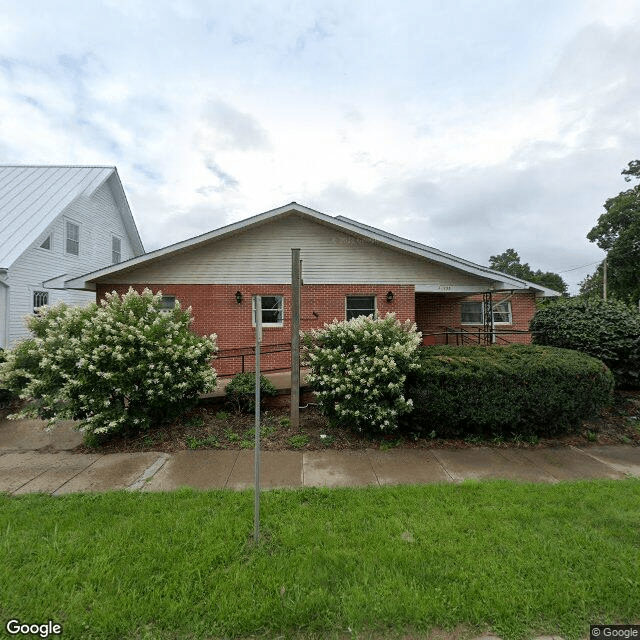
233 Main St N, Utica, OH 43080
To contact a resident: (740) 892-3414
For more information about senior living options: (866) 208-4318
Overall Review of Utica Care Ctr
Pros
 The family member's care was great.
- He loves it there and has adjusted well.
- It would be hard to find another nursing facility as good as this one.
- It is a great place to visit, and the nurse and aides were awesome.
- Older people have the best stories.
Cons
 This place should be closed down.
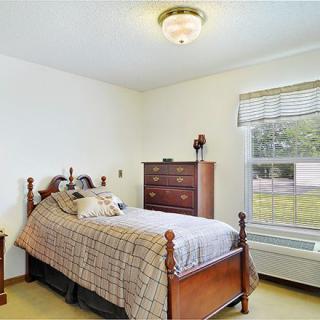
- The rooms are small and the facility outdated.
- As someone else said, they take the people nobody else will due to their past.
- Better then some other Nursing Facilities, However they take the people no one else will, Ex Cons and Felons, Child Molesters etc.
Review
Utica Care Ctr in Utica, OH is best suited for families seeking a caregiver-focused environment where daily interactions and staff relationships drive the resident experience, even if the physical plant feels dated. The strongest cases come from residents who have settled in for the long haul and formed trusting bonds with nurses and aides; care quality and personal attention appear to be the standout strengths. However, the looming closure of the facility casts a long shadow, making this a choice that offers warmth and consistency now, but carries uncertainty about future housing and care stability.
People who may want to consider alternatives are those for whom a modern, spacious, and up-to-date environment is nonnegotiable. The facility’s rooms are described as small, and the building itself is dated, which can be a meaningful burden for residents who require more space, better amenities, or a facility that feels current and future-ready. Families prioritizing continuity and long-term residency should weigh the impact of an imminent closure, which can disrupt planning, transfers, and ongoing access to familiar staff. Additionally, prospective residents who are sensitive to the perception of mixed resident populations, where some reviewers suggest the facility accepts individuals with challenging pasts, may prefer environments with stricter admissions criteria or clearer safety narratives.
The primary positives center on care delivery and staff rapport. Reviewers consistently highlight attentive nurses and aides who interact well with residents, making daily routines smoother and visits more meaningful. The sentiment that care was “great” for a family member who stayed there for years underscores a depth of commitment from frontline staff, an asset that often translates into better mood, smoother transitions, and fewer care gaps. The social dimension also shines in casual visits and conversations with residents, suggesting a livable, engaging day-to-day atmosphere where older residents retain opportunities for storytelling and companionship.
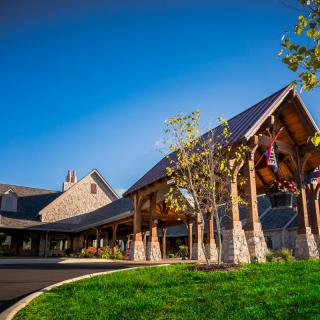
On the downside, the most persistent drawbacks are tangible: small rooms and an outdated facility layout that can feel cramped and less comfortable by modern standards. Several reviewers point to a perception that the home accepts residents nobody else will, which raises questions for some families about safety, behavior management, and the overall mix of residents. While this may reflect a pragmatic admissions approach in a challenging market, it is a factor that can influence family comfort levels, noise, and overall atmosphere. The combination of a dated physical plant with concerns about resident mix makes the environment less appealing to those who prize contemporary amenities and a clearly defined resident profile.
The key pros, strong, compassionate caregiving and positive staff-resident relationships, do offset some concerns, but not enough to fully neutralize the main drawbacks for most decision-makers. When immediate warmth and dependable daily care are the top priorities, Utica Care Ctr delivers; those gains can translate into real quality of life gains for residents who thrive on human connection and routine. Yet the looming closure erodes long-term security, complicates future planning, and may undermine the sense of stability families typically seek for a loved one’s next chapter. In practical terms, the favorable care dynamic becomes the critical counterweight only insofar as the resident’s stay is expected to be relatively short or the family has a robust relocation plan ready.
For families evaluating options, the recommendation is disciplined and proactive. Schedule candid conversations with nursing leadership about staffing consistency, response times, and how changes will be handled as the facility winds down. Visit multiple times at different hours to gauge whether the staff’s attentiveness remains constant across shifts. Ask for a clear timeline on the closing process and what relocation assistance, if any, will be provided. If modern amenities, larger rooms, or a clearly stable long-term plan are non-negotiable, look toward facilities that promise ongoing operations and up-to-date surroundings, even if that means sacrificing some degree of intimate caregiving quality. This community is best used by those who can align a warm caregiving culture with an acceptance of aging infrastructure and an uncertain horizon.
 Skilled Nursing Facility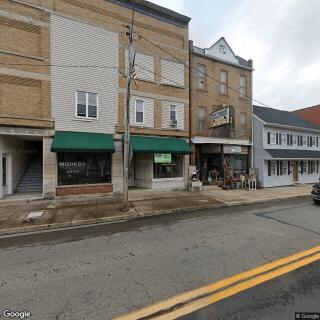
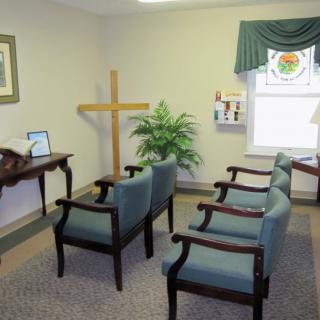
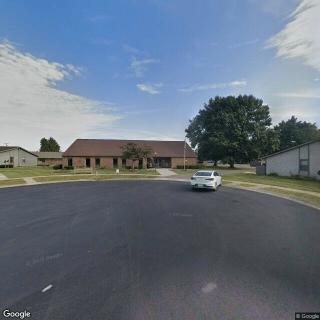

 In-Depth Look at the VA Aid and Attendance Program
 Nurturing Our Loved Ones: A Daughter's Journey in Caring for Her Mother
 Nurturing Our Elders: Linda's Journey of Supporting Her Mother