Brentwood Health Care Center

Save
Brentwood Health Care Center Brentwood Health Care Center Brentwood Health Care Center

Brentwood Health Care Center

907 Aurora Road, Sagamore Hills, OH 44067

For more information about senior living options: (844) 490-3973

4.1 from 70 reviews
5 stars
51
4 stars
3
3 stars
0
2 stars
4
1 stars
12

Skilled Nursing Facility

Overall Review of Brentwood Health Care Center

Pros

  • pro The Reserves is described as clean with a homey feel and attentive staff.
  • pro Brentwood is praised as an excellent facility with no nursing home smell, and friendly, caring staff.
  • pro Families report compassionate, attentive, and professional care for their loved ones at Brentwood.
  • pro The rehabilitation team at Brentwood, especially the physical therapists, is described as wonderful and patient.
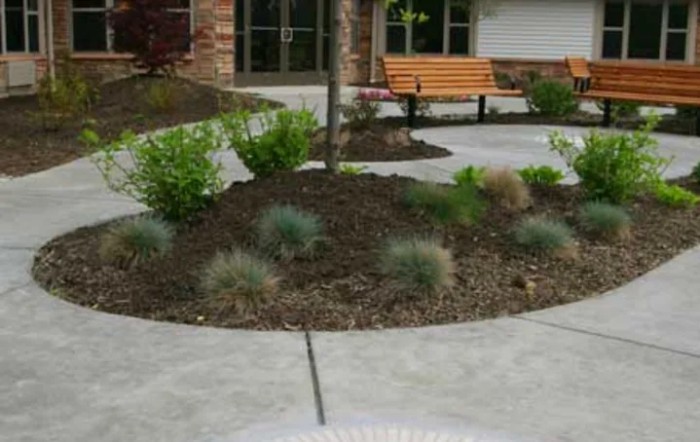
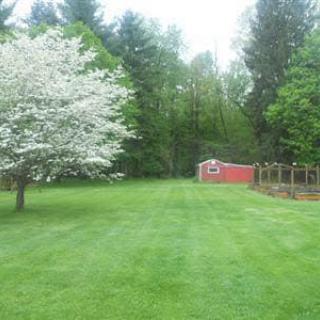
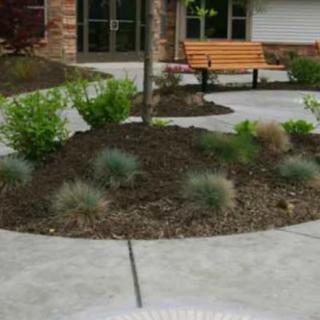
  • pro The grounds and gardens at Brentwood are noted as pleasant spaces for residents.
  • pro Brentwood is repeatedly endorsed as a trusted facility to recommend to others.

Cons

  • pro The nursing station staff were frequently on their phones or engaged in personal conversations instead of monitoring residents.
  • pro The facility was reportedly understaffed with high turnover, causing inconsistency in resident care.
  • pro Many residents appeared over-medicated, often sleeping or disengaged, raising concerns about quality of life.
  • pro Access to the unit was too easy without a code or key, creating a safety risk.
  • pro The exit code was not changed regularly, leaving it open to misuse by staff or visitors.
  • pro State Medicaid beds were advertised as available after a private-pay period, but in practice they were not.
  • pro Soiled briefs were left on residents for extended periods, risking UTIs and other health problems.
  • pro Residents sometimes wandered the halls seeking help or were left in dining rooms with many residents and too few aides.
  • pro There was only one nurse for the entire building, with never enough aides to meet resident needs.
  • pro Staff were constantly cycled through, with new workers lacking experience or compassion.
  • pro Staff were perceived as prioritizing paychecks over residents, often milking the clock and using phones.
  • pro In-room cameras reportedly showed no attempts to care for residents, indicating neglect.

Review

There are lively and sometimes conflicting impressions from families and care providers about two local memory care/assisted living facilities, reflecting both the strengths of dedicated staff and the persistent pressures that accompany senior care. On one hand, there are heartfelt testimonials about clean, home-like environments and caregivers who truly go the extra mile. On the other hand, a chorus of concerns underscores chronic issues like staffing, safety, and the consistency of care. Taken together, the narratives paint a complex, real-world picture of what families should weigh when choosing a place for a loved one.

At the memory care facility known as The Reserves, families repeatedly raised red flags about staffing and safety, even as they acknowledged occasional bright spots. A frequent concern was that front-line workers at the nursing station were distracted - often on their phones or engaged in personal conversations - rather than closely monitoring residents. The facility also appeared to struggle with understaffing and high turnover, leading to a lack of consistency for people who depend on familiar faces and predictable routines. These issues were linked to broader worries about resident safety and dignity: reviewers described situations where residents roamed the halls looking for help, or where dining rooms were staffed with far too few aides, leaving residents unattended for extended periods. There were disturbing reports about the ease of entering a unit without proper screening and about exit codes not being updated regularly, which created real safety risks for residents and staff alike. Additional concerns included misrepresentation of Medicaid bed availability - advertised as open after a private-pay period but allegedly not actually available in practice - and the routine problem of soiled briefs being left on residents for too long, a neglect that can contribute to infections and other health complications. In several reviews, these structural and process gaps manifested as lapses in basic daily care: infrequent diaper checks, missed restroom assistance, and observations of residents who appeared disengaged or excessively sleepy - raising questions about the balance between independence and appropriate medical oversight.

Despite these troubling notes, there were positive threads that kept resurfacing. A number of caregivers and staff members were described as genuinely caring, with some going above and beyond even when they were visibly overworked. Family gatherings and holiday meals hosted at the facility were highlighted as meaningful opportunities for connection, and some reviewers appreciated the homey feel and the sensory cues of cleanliness and a pleasant ambiance. Specifically, residents' rooms with half-doors were praised for enabling quicker check-ins by both staff and visitors, a feature that some families found reassuring when monitoring a loved one's well-being. From a caregiver's perspective, a nurse who provided supplemental care to residents at The Reserves offered high praise for the Assisted Living/Memory Care program itself, noting a consistently clean and inviting environment and describing the staff as attentive - an acknowledgment that, in her view, the facility could be made to shine even more with improvements in staffing levels and training.

Looking beyond The Reserves, the Brentwood facility produced a broad spectrum of impressions that reinforced the idea that quality care is both possible and highly variable, depending on day-to-day staffing realities and the continuity of the caregiving team. A substantial portion of reviews spoke to the facility's strengths: multiple families described Brentwood as exceptionally clean and welcoming, with a campus atmosphere that felt less clinical and more home-like. The rehabilitation services were repeatedly praised, with residents and families noting attentive therapists and a team approach that helped people progress on their recovery journeys. Several accounts highlighted professional, compassionate interactions with staff who took time to learn residents' names, preferences, and daily routines. People expressed confidence in the care they received, frequently affirming that Brentwood was a reliable place for rehabbing after injuries or surgeries and for ongoing memory care, often emphasizing the personal warmth of the staff and the facility's ability to support both patients and their families through challenging transitions.

Yet, even among the many positive testimonials, critical voices emerged about staffing and consistency at Brentwood. Several reviewers described persistent under-staffing, sometimes specifying that there was only one nurse for the entire building and not enough aides to meet resident needs. Complaints about high staff turnover and the influx of inexperienced workers without sufficient training or experience recurred, with some reviewers asserting that staff were more focused on clocking in than on providing attentive care. In these accounts, the problem manifested as lapses in daily hygiene, delayed diaper changes, and a perceived lack of proactive assistance with restroom routines. There were more serious allegations too: some reviewers claimed negligence by staff - along with concerns about insufficient supervision leading to injuries, health issues, or even death. A number of comments pointed to dissatisfaction with leadership, noting that while the nursing and rehab teams could be excellent, the response from administration (including the DON and executive director) sometimes failed to address problems in a timely or satisfactory manner. These testimonials reflect a fear that, when staffing is thin and turnover is high, even well-intentioned staff struggle to deliver consistently safe, dignified care.

Taken together, these reviews underscore a delicate balance that any memory care or rehab facility must strike: the people delivering care, the systems that support them, and the environment that shapes daily life for residents. Positive experiences often hinge on the presence of a stable, well-trained team that treats residents with respect, recognizes individual needs, and maintains rigorous standards for hygiene, safety, and engagement. Negative narratives tend to cluster around understaffing, inconsistent caregiver assignments, and gaps in basic care practices that can undermine trust and residents' quality of life. In both The Reserves and Brentwood, families consistently recognized the potential for excellent care when staffing is sufficient, training is thorough, and leadership remains responsive. They also cautioned that without continuous attention to staffing ratios, careful supervision, and accountability, even the most well-intentioned programs can falter, leaving residents with less dignity, less safety, and less opportunity to engage meaningfully with daily life.

In the end, the stories point to a shared message for families navigating these options: look beyond glossy marketing and tour experiences to the visible reality of staffing levels, daily routines, and enforcement of safety protocols. Ask about nurse-to-resident ratios, the frequency of diaper checks, the timing of restroom assistance, and how often exit and security codes are updated. Inquire about staff training, turnover rates, and how the facility handles urgent concerns when the day-to-day team is stretched thin. And most importantly, seek opportunities to observe the environment over time - watch for how residents interact with caregivers, how quickly urgent needs are addressed, and whether the atmosphere feels genuinely attentive, clean, and dignified. When care teams are stable, well-trained, and supported by effective administration, the best days at these facilities can be bright and reassuring for families and their loved ones alike.

Features

Housing

  • 99 resident community capacity 99 resident community capacity

Types of Care

  • Skilled Nursing Facility Skilled Nursing FacilitySkilled Nursing Facilities are crucial for seniors as they provide round-the-clock medical care, rehabilitation services, and assistance with daily activities. These facilities ensure that seniors receive the specialized care they need to maintain their health and well-being as they age.

Amenities

  • Air-conditioning Air-conditioningAir conditioning is important for seniors as they are more vulnerable to heat-related illnesses and may have underlying health conditions that make it difficult for them to regulate their body temperature. It helps to keep them comfortable, safe, and healthy in hot weather.
  • Beauty salon Beauty salonBeauty salons are important for seniors because they provide a space for them to feel pampered, socialize, and maintain their personal grooming and hygiene. Regular visits to a beauty salon can help boost seniors' self-esteem and overall well-being.
  • Cable or satellite TV Cable or satellite TVCable or satellite TV is important for seniors because it provides entertainment, news, and companionship, helping to combat loneliness and boredom. It also offers a wide range of programming options tailored to different interests and preferences.
  • Computer center Computer centerA computer center is essential for seniors as it provides access to technology, communication tools, and resources that can enhance their daily lives. It allows them to stay connected with loved ones, engage in online activities, and learn new skills, ultimately promoting socialization and mental stimulation.
  • Dining room Dining roomDining rooms are important for seniors as they provide a space for socialization, connection, and nutritious meals. They offer opportunities for residents to bond over shared meals, foster a sense of community, and promote healthy eating habits. Dining rooms also ensure that seniors have access to well-balanced meals tailored to their dietary needs and preferences.
  • Fitness room Fitness roomHaving a fitness room in a senior living community is essential for seniors to stay active, maintain their physical health, and improve their overall well-being. Regular exercise can help prevent falls, reduce the risk of chronic diseases, and promote mental sharpness. It also provides social opportunities for residents to connect with others and enjoy a sense of community.
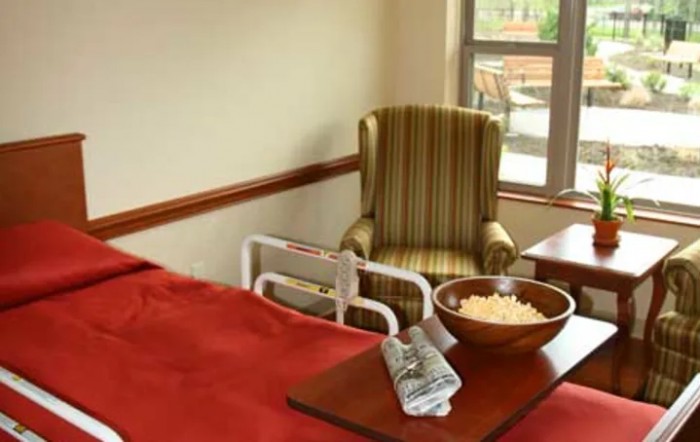
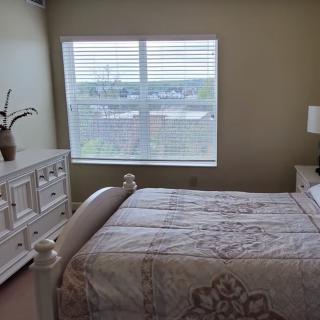
  • Fully furnished Fully furnishedFully furnished senior living communities are important for seniors because they provide convenience, comfort, and a hassle-free moving experience. Seniors can easily settle into their new living space without the stress of having to buy and move furniture. This allows them to focus on enjoying their new home and community.
  • Gaming room Gaming roomGaming rooms are important for seniors as they provide a fun and engaging environment for socializing, cognitive stimulation, and physical activity. Games can improve memory, problem-solving skills, and overall mental well-being while fostering friendships and reducing feelings of isolation.
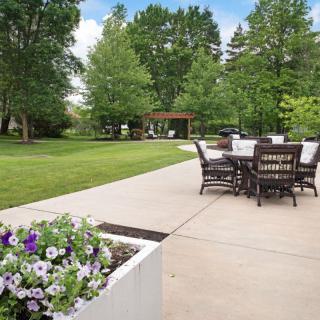
  • Garden GardenGardens are important for seniors as they provide a peaceful and therapeutic environment for relaxation, physical activity, and socialization. Being in nature has been shown to reduce stress, improve mood, and promote overall well-being. Gardens also offer opportunities for seniors to engage in gardening activities, which can improve mobility, flexibility, and cognitive function. Additionally, gardens create a sense of community and connection with others who share a passion for plants and outdoor spaces.
  • Housekeeping services Housekeeping servicesHousekeeping services are important for seniors because they help maintain a clean and safe living environment, promote independence, and reduce the risk of accidents or illnesses. Additionally, having assistance with household chores can alleviate physical strain and allow seniors to focus on other aspects of their well-being.
  • Kitchenette KitchenetteKitchenettes are important for seniors living in senior living communities because they provide the convenience and independence of being able to prepare simple meals and snacks in the comfort of their own living space. This can help promote a sense of autonomy and well-being for seniors, allowing them to maintain some level of control over their dietary choices and daily routines.
  • Move-in coordination Move-in coordinationMove-in coordination is important for seniors because it helps ease the transition into their new living environment. It ensures that all logistics, such as packing, organizing movers, and setting up utilities are taken care of, allowing seniors to focus on settling in and adjusting to their new home. Having a smooth move-in process can alleviate stress and anxiety, making the transition smoother and more enjoyable for seniors.
  • Outdoor space Outdoor spaceOutdoor spaces are important for seniors as they provide opportunities for physical activity, social interaction, exposure to natural light and fresh air, and a sense of connection to nature. Having access to outdoor spaces can improve overall well-being and quality of life for older adults living in senior communities.
  • Private bathrooms Private bathroomsPrivate bathrooms are important for seniors in senior living communities because they provide independence, dignity, and comfort. Having a private bathroom allows seniors to maintain their personal hygiene routines without the need for assistance, promoting a sense of autonomy and privacy. Additionally, private bathrooms help prevent the spread of infections and provide a safe and clean environment for seniors to navigate safely.
  • Restaurant-style dining Restaurant-style diningRestaurant-style dining is important for seniors because it allows them to enjoy delicious, nutritious meals in a social and upscale setting. This enhances their dining experience, promotes healthy eating habits, and fosters socialization with fellow residents, ultimately contributing to their overall well-being and quality of life.
  • Small library Small librarySmall libraries are important for seniors as they provide access to a variety of reading materials, including books, newspapers, and magazines. This can help stimulate their minds, keep them engaged, and provide a sense of community through book clubs and other social activities. Additionally, reading has been shown to improve cognitive function and overall mental well-being in older adults.
  • Telephone TelephoneTelephones are important for seniors as they provide a lifeline for communication with loved ones, emergency services, and healthcare providers. They offer a sense of security and independence, enabling seniors to stay connected and access assistance when needed.
  • Wellness center Wellness centerWellness centers are important for seniors because they offer a variety of programs and services that promote physical, mental, and emotional well-being. These centers provide opportunities for exercise, socialization, education, and relaxation, helping seniors maintain their overall health and quality of life.
  • Wi-Fi/high-speed internet available Wi-Fi/high-speed internet availableWi-Fi/high-speed internet is important for seniors to stay connected with loved ones, access online resources, and participate in virtual activities to combat feelings of loneliness and isolation. It also allows them to easily manage healthcare needs, access entertainment, and engage in lifelong learning opportunities.

Transportation

  • Cleveland-Hopkins International (16 miles away) Cleveland-Hopkins International (16 miles away)
  • Community operated transportation Community operated transportationCommunity operated transportation is crucial for seniors as it provides them with the means to access essential services, social activities, and medical appointments. It allows seniors to maintain their independence and quality of life by ensuring they can participate in activities outside of their homes. Additionally, community-operated transportation services offer a safe and reliable way for seniors to travel without having to rely on family or friends for assistance.
  • Transportation arrangement Transportation arrangementTransportation arrangements are crucial for seniors as they may face challenges with driving, mobility, or access to public transportation. Having reliable transportation services ensures that seniors can easily attend appointments, social activities, and maintain their independence and quality of life.
  • Transportation arrangement (non-medical) Transportation arrangement (non-medical)Transportation arrangements are essential for seniors as they provide access to essential services, activities, and social interactions outside the home. This service helps maintain independence, mobility, and overall well-being for seniors who may have limited transportation options.
  • Transportation to doctors appointments Transportation to doctors appointmentsTransportation to doctors appointments is crucial for seniors as it ensures they have access to necessary medical care and support, promoting their health and well-being. It allows them to receive timely treatment, monitor existing conditions, and address any new health concerns efficiently. Additionally, transportation services can help seniors maintain their independence and quality of life by enabling them to stay connected with their healthcare providers.

Care Services

  • 12-16 hour nursing 12-16 hour nursing12-16 hour nursing care is crucial for seniors in order to ensure around-the-clock monitoring, timely medication administration, and prompt response to any health concerns or emergencies. This level of care helps to promote the overall well-being and safety of seniors living in senior living communities.
  • 24-hour call system 24-hour call system24-hour call systems are important for seniors because they provide peace of mind and immediate assistance in case of emergencies. This technology ensures that help is always available, promoting safety and security for elderly individuals living alone or in assisted living facilities.
  • 24-hour supervision 24-hour supervision24-hour supervision is important for seniors to ensure their safety, well-being, and access to immediate assistance in case of emergencies or health issues. This constant support provides peace of mind for both seniors and their loved ones, allowing them to age in place with dignity and security.
  • Activities of daily living assistance Activities of daily living assistanceActivities of daily living assistance are important for seniors because they provide essential support with tasks such as eating, bathing, dressing, and mobility. This assistance helps seniors maintain their independence, dignity, and overall quality of life as they age.
  • Assistance with bathing Assistance with bathingAssistance with bathing is crucial for seniors as it helps maintain personal hygiene, prevents infections, and ensures their overall well-being and comfort. It also provides a sense of dignity and independence for seniors who may struggle with this task on their own.
  • Assistance with dressing Assistance with dressingAssistance with dressing is important for seniors because it helps maintain their independence, promotes personal hygiene, prevents accidents and injuries, and improves overall quality of life. This service ensures that seniors can continue to dress comfortably and confidently, despite any physical limitations they may have.
  • Assistance with transfers Assistance with transfersAssistance with transfers is crucial for seniors as it helps prevent falls and injuries, maintains their independence, and ensures they can safely navigate their living environment. It also provides peace of mind for both seniors and their loved ones.
  • Diabetes diet Diabetes dietA diabetes diet is crucial for seniors as it helps manage blood sugar levels, reduce risks of complications, and improve overall health and well-being. By following a balanced and nutritious diet tailored to their specific needs, seniors can better control their diabetes and enhance their quality of life.
  • Meal preparation and service Meal preparation and serviceMeal preparation and service are crucial for seniors as they may have limited mobility or energy to cook nutritious meals. Having access to healthy and convenient food options can ensure they are getting the proper nutrition needed to maintain their overall health and well-being.
  • Medication management Medication managementMedication management is crucial for seniors to ensure they are taking the right medications at the correct dosages and times. This helps prevent adverse drug interactions, reduces the risk of medication errors, and promotes overall health and well-being. Proactive management also allows for adjustments as needed based on changing health conditions or new prescriptions.
  • Mental wellness program Mental wellness programMental wellness programs are essential for seniors as they promote cognitive stimulation, emotional support, and social engagement. These programs help prevent isolation, depression, and cognitive decline, ultimately enhancing the overall quality of life for older adults.
  • Special dietary restrictions Special dietary restrictionsSpecial dietary restrictions are important for seniors because age-related changes in metabolism and health conditions can make it difficult for their bodies to process certain foods. By following a diet tailored to their specific needs, seniors can maintain their overall health and well-being, manage chronic conditions, and reduce the risk of complications such as malnutrition or food interactions with medications.

Dining

  • Diabetes diet Diabetes dietA diabetes diet is crucial for seniors as it helps manage blood sugar levels, reduce risks of complications, and improve overall health and well-being. By following a balanced and nutritious diet tailored to their specific needs, seniors can better control their diabetes and enhance their quality of life.
  • Special dietary restrictions Special dietary restrictionsSpecial dietary restrictions are important for seniors because age-related changes in metabolism and health conditions can make it difficult for their bodies to process certain foods. By following a diet tailored to their specific needs, seniors can maintain their overall health and well-being, manage chronic conditions, and reduce the risk of complications such as malnutrition or food interactions with medications.

Activities

  • Community-sponsored activities Community-sponsored activitiesCommunity-sponsored activities are important for seniors as they provide opportunities for social interaction, mental stimulation, and physical activity. These activities can help improve overall well-being, combat loneliness and isolation, and promote a sense of belonging and purpose among older adults.
  • Concierge services Concierge servicesConcierge services are essential for seniors as they provide assistance with daily tasks and errands, enhance their quality of life by offering convenience and personalized care, and promote a sense of safety and security.
  • Fitness programs Fitness programsFitness programs are crucial for seniors as they help improve strength, flexibility, balance, and overall well-being. Staying active can reduce the risk of chronic diseases, improve mental health, and enhance quality of life in older adults.
  • Planned day trips Planned day tripsPlanned day trips are important for seniors because they offer opportunities for socialization, mental stimulation, and physical activity. They provide a change of scenery and help seniors stay engaged and connected to their community, promoting overall well-being and quality of life.
  • Resident-run activities Resident-run activitiesResident-run activities are important for seniors as they encourage social interaction, creativity, and a sense of autonomy. These activities empower seniors to stay engaged and active in their community while fostering meaningful connections with their peers.
  • Scheduled daily activities Scheduled daily activitiesScheduled daily activities are important for seniors because they provide structure, socialization, mental stimulation, and physical activity. Engaging in regular activities can improve overall well-being and quality of life for seniors living in a community setting.

Description

Brentwood Health Care Center in Sagamore Hills, OH is a premier assisted living community that offers a wide array of amenities and care services to ensure the comfort and well-being of its residents. The community features a beauty salon for residents to pamper themselves, as well as cable or satellite TV for their entertainment needs. Community operated transportation is available for easy access to nearby destinations, including doctors' appointments.

For those who enjoy technology, there is a computer center equipped with Wi-Fi/high-speed internet. The dining room offers restaurant-style dining where residents can enjoy delicious meals prepared by the staff, taking into account any special dietary restrictions. Additionally, a kitchenette is provided for residents who prefer to prepare their own meals.

To promote physical fitness and overall wellness, Brentwood Health Care Center provides a fitness room and wellness center. Residents can engage in various exercise programs or activities geared towards maintaining mental wellness. Socialization opportunities are abundant with a gaming room available as well as planned daily activities and resident-run activities.

The community ensures comfortable living spaces with fully furnished accommodations that include private bathrooms. Housekeeping services are provided to maintain cleanliness and orderliness. Move-in coordination is offered to assist new residents in seamlessly transitioning into their new home.

The location of Brentwood Health Care Center also provides convenience and accessibility. There are cafes, parks, pharmacies, restaurants, and places of worship nearby for residents' convenience and enjoyment.

With 24-hour call system and supervision available, residents can have peace of mind knowing that assistance is readily accessible. Trained staff members are on hand to provide support with activities of daily living such as bathing, dressing, and transfers. Medication management services ensure that medications are taken appropriately.

Overall, Brentwood Health Care Center offers an exceptional assisted living experience with its comprehensive amenities, care services, and convenient location.

Nearby Places of Interest

Parks

  • Sagamore Hills Park (1.5 miles)
  • Cuyahoga Valley National Park (3.7 miles)
  • Cleveland Metroparks, Bedford reservation (4.3 miles)
  • Bedford Heights Reed Park (6.2 miles)
  • Middleton Park (7.1 miles)
  • Solon Community Park (8.3 miles)
  • Hudson Springs Park (9.6 miles)

Pharmacies

  • CVS Pharmacy (1.7 miles)
  • CVS Pharmacy (2.8 miles)
  • Walgreens (2.9 miles)
  • Walgreens (2.9 miles)
  • CVS Pharmacy (5.5 miles)
  • Walgreens (5.7 miles)
  • Discount Drug Mart (6 miles)

Restaurants

  • Chick-Fil-A (2.5 miles)
  • Culver's (2.6 miles)
  • Lemonberry Frozen Yogurt (2.7 miles)
  • Casa D'Angelo (3.4 miles)
  • McDonald's (4.3 miles)
  • Country Maid Ice Cream (5.3 miles)
  • Restaurant Depot (5.8 miles)

Cafes

  • Starbucks (2.7 miles)
  • Fisher's Cafe & Pub (5.3 miles)
  • Starbucks (8.8 miles)
  • Metropolitan Coffee (10.1 miles)
  • Nervous Dog Coffee Bar (10.3 miles)
  • Starbucks (10.7 miles)

Places of Worship

  • Macedonia Commons (2.8 miles)
  • St Matthew's Episcopal Church (3.7 miles)

Hospitals

  • Akron Children's Hospital Urgent Care (5.2 miles)
  • Assurance Health Hudson (7 miles)
  • University Hospitals Ahuja Medical Center (10.2 miles)

Theaters

  • Cinemark At Valley View And Xd (6.4 miles)
  • Silverspot Cinema (10.6 miles)

Physicians

  • South Suburban Women's Center (6.8 miles)
  • Cleveland Clinic Internal Medicine (7 miles)
  • The Spine And Pain Institute Hudson (8.4 miles)
  • University Premier Pediatricians (9.1 miles)
  • UH Rainbow Childrens Medical Group (9.7 miles)
  • Espinal Sue E, MD (9.7 miles)
  • Crystal Clinic Orthopaedic Center (9.8 miles)

Frequently Asked Questions

Where is Brentwood Health Care Center?
What photos are available for Brentwood Health Care Center in Sagamore Hills, Ohio?

Nearby Communities

Related Resources

  • home health nurseExploring the World of Home Health Nurses: Qualifications, Roles, and Hiring Tips

    Home health nursing is an expanding field where licensed professionals provide specialized medical care in patients' homes, addressing the needs of an aging population through personalized services like assessments and medication management. Effective collaboration with healthcare teams, cultural sensitivity, and quality assurance measures are essential for fostering trust and ensuring positive patient outcomes.

  • does medicare cover home health careNavigating Medicare Coverage for In-Home Care Services

    Medicare covers in-home health care services, which are medical and provided by licensed professionals under a physician's supervision, whereas non-medical personal assistance is generally not covered unless part of a broader skilled care plan. Eligibility for benefits depends on being homebound and needing intermittent skilled services from a Medicare-certified agency, with specific coverage limitations and additional resources available for navigating options.

  • how much does private home care cost per hourIn-Home Care Costs in 2025: A Detailed State-by-State Exploration
    In-home care is increasingly sought after by older adults for maintaining independence, with average private home care rates in 2025 varying by state and service type, reflecting geographical and local labor market influences. As demand rises, families are considering funding options like Medicaid waivers and long-term care insurance to manage costs effectively while ensuring quality care.