North Olmsted Healthcare

23225 Lorain Road, North Olmsted, OH 44070

For more information about senior living options: (844) 490-3973

3.3 from 27 reviews
5 stars
14
4 stars
1
3 stars
0
2 stars
2
1 stars
10

Skilled Nursing Facility

What level of care are you interested in?

Assisted Living

Memory Care

Independent Living

Skilled Nursing Facility

Continuing Care Retirement Community (CCRC)CCRC

Other


Request a tour at North Olmsted Healthcare

    Overall Review of North Olmsted Healthcare

    Pros

    • pro The staff care deeply for residents and show up for them in every way.
    • pro The staff go out of their way to visit residents and brighten their day, even off the clock.
    • pro The activity staff consistently plan fun and engaging activities for residents.
    • pro The facility has a strong leadership team and a sense of teamwork, especially after ownership changes.
    • pro Families appreciate that staff communicate often and facilitate window or Facetime visits to stay connected.
    • pro Lenox is praised for helping a patient regain function and is highly recommended.
    • pro The nursing and activities staff are awesome, providing attentive care and wonderful interaction with residents.
    • pro The facility is described as safe, comfortable, and well taken care of around the clock.
    • pro New ownership has made great improvements in building and level of care.
    • pro The staff are compassionate, kind, and respectful, contributing to a welcoming environment.

    Cons

    • pro The facility is severely understaffed, leading to care gaps, especially after 5 p.m.
    • pro The staff take abnormally long to respond to needs and call lights often go unanswered.
    • pro The facility is not clean, with odors and sticky floors, and pest problems in the dining room.
    • pro There are reports of theft that goes unaddressed by management.
    • pro The care is described as horrible, with patient calls ignored, chronic understaffing, and malfunctioning equipment.
    • pro A unit head nurse is described as condescending and threatening during care meetings.
    • pro Residents are left alone for hours and treated with disrespect, including bruising observed on a resident.
    • pro It is advised not to place someone with dementia there due to uncaring staff.

    Review

    Across a broad tapestry of resident and family experiences, a common thread emerges: the people who show up - nurses, aides, activity staff, and other frontline caregivers - often shine brightest in a setting that can feel overwhelming and dim in other ways. Several reviewers describe a facility where compassion and everyday kindness are very real, especially for those at the end of life or navigating difficult health journeys. They speak of staff who stop to chat with a resident, push a smile onto a worried family member's face, or lend an extra moment of reassurance when a patient is anxious or in pain. It's clear that for many families, the dedicated caregivers are a lifeline, and the sense of genuine care they provide remains the most memorable, even as other concerns linger.

    In North Olmsted, the praise for the caregiving staff is abundant and specific. Families repeatedly highlight the nurses, aides, and activity personnel who consistently demonstrate warmth and attentiveness, even when schedules are tight and resources limited. One reviewer frames the experience as a contrast between the day-to-day reality of staffing challenges and the bright moments created by staff who "care" and make an effort to visit with a resident who is otherwise isolated. End-of-life care, in particular, is described as a space where staff go out of their way to bring comfort, companionship, and small joys to a resident's day, whether they are formally on the clock or not. Yet the same reviews do not shy away from the flip side: these same facilities are said to struggle with staffing ratios, especially after the usual shifts end, which some reviewers feel contributes to care gaps. The sentiment is not that the staff lack devotion, but that the environment places heavy demands on those who are already stretched thin.

    Alongside the portraits of compassionate care, several reviews present a more troubling counterbalance within the same system. A number of family members email or state outright that staffing shortages and high patient loads lead to delays in responding to call lights, limited time with each resident, and a sense that "care" can slow down or feel rushed as soon as the after-hours period begins. Complaints about cleanliness appear in multiple accounts - sticky floors, rooms that smell, and dining areas temporarily affected by pest issues or maintenance problems. In some cases, families describe experiences of neglect or unresponsiveness that shake their confidence in the facility's operations, including reports of theft or poor communication that leave families feeling unheard or dismissed. Taken together, these reviews sketch a facility where the best-intentioned staff can be overwhelmed by systemic pressures that undermine the very care they are trying to provide.

    Among the more pointed critiques, a few threads run through the narratives. Some reviewers describe specific facilities facing serious leadership or organizational challenges, including allegations of unresponsiveness, lack of transparency, and concerns about accountability. In one account, a reviewer explicitly calls out a Unit Head Nurse as condescending and mentions threats made during care meetings, a claim that was reportedly shared with corporate offices. Other reviewers recount experiences of residents being left unattended for long periods, with call lights ignored and communications via email or notes going unanswered. In these voices, the hope for a turnaround hinges on stronger leadership, clearer policies, and a sustained commitment to staffing and training that would enable the front-line team to fulfill the care promises families expect.

    By contrast, there are stories of improvement and resilience that offer a more hopeful counterpoint. After changes in ownership and management, some facilities are described as having strengthened leadership and a re-energized teamwork ethic. Families report that staff have become more communicative with families during times when visitation is restricted, offering timely updates on resident well-being and finding ways to keep residents connected through window visits or Facetime. The physical environment is noted as receiving attention as well - courtyards are tended, and even socially distanced activities are introduced to keep residents engaged. In these narratives, a sense of progress is palpable: when leadership sets a clear direction and invests in staff development, the culture begins to tilt toward safer, more compassionate care even in the midst of public health challenges like the COVID era.

    Lenox emerges in a concurrent thread of praise, standing out for its ability to help a resident regain independence after a difficult health journey. A reviewer recounts a family decision to place a relative at Lenox with the hope of meaningful rehab, and writes with relief that this facility delivered care that helped their loved one "back to himself" and productive again. The sentiment extends beyond clinical outcomes to the emotional and relational support offered by staff who were described as patient and encouraging. Yet even within Lenox's positive frame, other reviewers acknowledge the broader reality of the industry: care quality - while excellent for some residents - can fluctuate from one case to another, underscoring the difference that staffing levels, leadership, and day-to-day morale can make in the lived experience.

    The most somber notes come from those who have faced the most challenging circumstances: families who feel their loved ones did not receive the minimal standards of care they deserved. In several accounts, caregivers describe residents left alone during long stretches, with call lights unanswered, and with sensory or safety concerns that never seem to be addressed promptly. Some reviewers recount distressing scenes - bruising, signs of dehydration, or distressing situations between residents that were not adequately managed - alongside a general sense of frustration about communication lapses and a perception that complaints are not always resolved. These experiences are painful reminders that even when individuals on the ground strive to provide warmth and attention, the overall system must be strong enough to support and sustain that effort consistently.

    Taken as a whole, the collection of reviews paints a nuanced portrait of nursing home life. There is undeniable warmth and dedication among many caregivers who genuinely care for residents and their families, especially those nearing the end of life or navigating serious illnesses. There is also undeniable strain: staffing ratios, late-day coverage, cleanliness issues, and occasional gaps in communication and accountability can undermine even the best intentions. The stories with positive outcomes - improved leadership, better family communication, and more robust resident engagement - offer a hopeful path forward. They suggest that with focused investment in staffing, training, and transparent leadership, facilities can cultivate the kind of culture where the lights of care - kindness, reliability, and genuine concern - shine through every shift and every room.

    For families considering placement or ongoing care, the threads of these reviews underscore a practical truth: inquire about staffing levels, ask how call lights are triaged after 5 PM, and seek out recent changes in ownership or leadership that might signal a renewed commitment to high-quality care. Look for facilities that demonstrate ongoing communication with families, proactive sanitation and maintenance practices, and concrete examples of staff going above and beyond - especially for residents facing end-of-life or complex medical needs. In the end, the difference between a good day and a challenging one often comes down to the people who show up, the systems that support them, and the willingness of leadership to listen, respond, and invest in care that honors every resident's dignity.

    Features

    Housing

    • 165 resident community capacity 165 resident community capacity

    Types of Care

    • Skilled Nursing Facility Skilled Nursing FacilitySkilled Nursing Facilities are crucial for seniors as they provide round-the-clock medical care, rehabilitation services, and assistance with daily activities. These facilities ensure that seniors receive the specialized care they need to maintain their health and well-being as they age.

    Amenities

    • Air-conditioning Air-conditioningAir conditioning is important for seniors as they are more vulnerable to heat-related illnesses and may have underlying health conditions that make it difficult for them to regulate their body temperature. It helps to keep them comfortable, safe, and healthy in hot weather.
    • Beauty salon Beauty salonBeauty salons are important for seniors because they provide a space for them to feel pampered, socialize, and maintain their personal grooming and hygiene. Regular visits to a beauty salon can help boost seniors' self-esteem and overall well-being.
    • Cable or satellite TV Cable or satellite TVCable or satellite TV is important for seniors because it provides entertainment, news, and companionship, helping to combat loneliness and boredom. It also offers a wide range of programming options tailored to different interests and preferences.
    • Computer center Computer centerA computer center is essential for seniors as it provides access to technology, communication tools, and resources that can enhance their daily lives. It allows them to stay connected with loved ones, engage in online activities, and learn new skills, ultimately promoting socialization and mental stimulation.
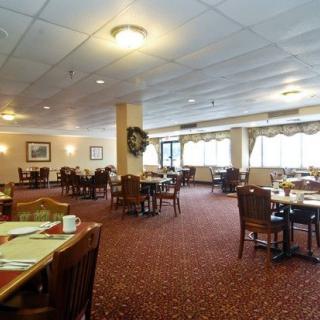
    • Dining room Dining roomDining rooms are important for seniors as they provide a space for socialization, connection, and nutritious meals. They offer opportunities for residents to bond over shared meals, foster a sense of community, and promote healthy eating habits. Dining rooms also ensure that seniors have access to well-balanced meals tailored to their dietary needs and preferences.
    • Fitness room Fitness roomHaving a fitness room in a senior living community is essential for seniors to stay active, maintain their physical health, and improve their overall well-being. Regular exercise can help prevent falls, reduce the risk of chronic diseases, and promote mental sharpness. It also provides social opportunities for residents to connect with others and enjoy a sense of community.
    • Fully furnished Fully furnishedFully furnished senior living communities are important for seniors because they provide convenience, comfort, and a hassle-free moving experience. Seniors can easily settle into their new living space without the stress of having to buy and move furniture. This allows them to focus on enjoying their new home and community.
    • Gaming room Gaming roomGaming rooms are important for seniors as they provide a fun and engaging environment for socializing, cognitive stimulation, and physical activity. Games can improve memory, problem-solving skills, and overall mental well-being while fostering friendships and reducing feelings of isolation.
    • Garden GardenGardens are important for seniors as they provide a peaceful and therapeutic environment for relaxation, physical activity, and socialization. Being in nature has been shown to reduce stress, improve mood, and promote overall well-being. Gardens also offer opportunities for seniors to engage in gardening activities, which can improve mobility, flexibility, and cognitive function. Additionally, gardens create a sense of community and connection with others who share a passion for plants and outdoor spaces.
    • Housekeeping services Housekeeping servicesHousekeeping services are important for seniors because they help maintain a clean and safe living environment, promote independence, and reduce the risk of accidents or illnesses. Additionally, having assistance with household chores can alleviate physical strain and allow seniors to focus on other aspects of their well-being.
    • Kitchenette KitchenetteKitchenettes are important for seniors living in senior living communities because they provide the convenience and independence of being able to prepare simple meals and snacks in the comfort of their own living space. This can help promote a sense of autonomy and well-being for seniors, allowing them to maintain some level of control over their dietary choices and daily routines.
    • Move-in coordination Move-in coordinationMove-in coordination is important for seniors because it helps ease the transition into their new living environment. It ensures that all logistics, such as packing, organizing movers, and setting up utilities are taken care of, allowing seniors to focus on settling in and adjusting to their new home. Having a smooth move-in process can alleviate stress and anxiety, making the transition smoother and more enjoyable for seniors.
    • Outdoor space Outdoor spaceOutdoor spaces are important for seniors as they provide opportunities for physical activity, social interaction, exposure to natural light and fresh air, and a sense of connection to nature. Having access to outdoor spaces can improve overall well-being and quality of life for older adults living in senior communities.
    • Private bathrooms Private bathroomsPrivate bathrooms are important for seniors in senior living communities because they provide independence, dignity, and comfort. Having a private bathroom allows seniors to maintain their personal hygiene routines without the need for assistance, promoting a sense of autonomy and privacy. Additionally, private bathrooms help prevent the spread of infections and provide a safe and clean environment for seniors to navigate safely.
    • Restaurant-style dining Restaurant-style diningRestaurant-style dining is important for seniors because it allows them to enjoy delicious, nutritious meals in a social and upscale setting. This enhances their dining experience, promotes healthy eating habits, and fosters socialization with fellow residents, ultimately contributing to their overall well-being and quality of life.
    • Small library Small librarySmall libraries are important for seniors as they provide access to a variety of reading materials, including books, newspapers, and magazines. This can help stimulate their minds, keep them engaged, and provide a sense of community through book clubs and other social activities. Additionally, reading has been shown to improve cognitive function and overall mental well-being in older adults.
    • Telephone TelephoneTelephones are important for seniors as they provide a lifeline for communication with loved ones, emergency services, and healthcare providers. They offer a sense of security and independence, enabling seniors to stay connected and access assistance when needed.
    • Wellness center Wellness centerWellness centers are important for seniors because they offer a variety of programs and services that promote physical, mental, and emotional well-being. These centers provide opportunities for exercise, socialization, education, and relaxation, helping seniors maintain their overall health and quality of life.
    • Wi-Fi/high-speed internet available Wi-Fi/high-speed internet availableWi-Fi/high-speed internet is important for seniors to stay connected with loved ones, access online resources, and participate in virtual activities to combat feelings of loneliness and isolation. It also allows them to easily manage healthcare needs, access entertainment, and engage in lifelong learning opportunities.

    Transportation

    • Cleveland-Hopkins International (2 miles away) Cleveland-Hopkins International (2 miles away)
    • Community operated transportation Community operated transportationCommunity operated transportation is crucial for seniors as it provides them with the means to access essential services, social activities, and medical appointments. It allows seniors to maintain their independence and quality of life by ensuring they can participate in activities outside of their homes. Additionally, community-operated transportation services offer a safe and reliable way for seniors to travel without having to rely on family or friends for assistance.
    • Transportation arrangement Transportation arrangementTransportation arrangements are crucial for seniors as they may face challenges with driving, mobility, or access to public transportation. Having reliable transportation services ensures that seniors can easily attend appointments, social activities, and maintain their independence and quality of life.
    • Transportation arrangement (non-medical) Transportation arrangement (non-medical)Transportation arrangements are essential for seniors as they provide access to essential services, activities, and social interactions outside the home. This service helps maintain independence, mobility, and overall well-being for seniors who may have limited transportation options.
    • Transportation to doctors appointments Transportation to doctors appointmentsTransportation to doctors appointments is crucial for seniors as it ensures they have access to necessary medical care and support, promoting their health and well-being. It allows them to receive timely treatment, monitor existing conditions, and address any new health concerns efficiently. Additionally, transportation services can help seniors maintain their independence and quality of life by enabling them to stay connected with their healthcare providers.

    Care Services

    • 12-16 hour nursing 12-16 hour nursing12-16 hour nursing care is crucial for seniors in order to ensure around-the-clock monitoring, timely medication administration, and prompt response to any health concerns or emergencies. This level of care helps to promote the overall well-being and safety of seniors living in senior living communities.
    • 24-hour call system 24-hour call system24-hour call systems are important for seniors because they provide peace of mind and immediate assistance in case of emergencies. This technology ensures that help is always available, promoting safety and security for elderly individuals living alone or in assisted living facilities.
    • 24-hour supervision 24-hour supervision24-hour supervision is important for seniors to ensure their safety, well-being, and access to immediate assistance in case of emergencies or health issues. This constant support provides peace of mind for both seniors and their loved ones, allowing them to age in place with dignity and security.
    • Activities of daily living assistance Activities of daily living assistanceActivities of daily living assistance are important for seniors because they provide essential support with tasks such as eating, bathing, dressing, and mobility. This assistance helps seniors maintain their independence, dignity, and overall quality of life as they age.
    • Assistance with bathing Assistance with bathingAssistance with bathing is crucial for seniors as it helps maintain personal hygiene, prevents infections, and ensures their overall well-being and comfort. It also provides a sense of dignity and independence for seniors who may struggle with this task on their own.
    • Assistance with dressing Assistance with dressingAssistance with dressing is important for seniors because it helps maintain their independence, promotes personal hygiene, prevents accidents and injuries, and improves overall quality of life. This service ensures that seniors can continue to dress comfortably and confidently, despite any physical limitations they may have.
    • Assistance with transfers Assistance with transfersAssistance with transfers is crucial for seniors as it helps prevent falls and injuries, maintains their independence, and ensures they can safely navigate their living environment. It also provides peace of mind for both seniors and their loved ones.
    • Diabetes diet Diabetes dietA diabetes diet is crucial for seniors as it helps manage blood sugar levels, reduce risks of complications, and improve overall health and well-being. By following a balanced and nutritious diet tailored to their specific needs, seniors can better control their diabetes and enhance their quality of life.
    • Meal preparation and service Meal preparation and serviceMeal preparation and service are crucial for seniors as they may have limited mobility or energy to cook nutritious meals. Having access to healthy and convenient food options can ensure they are getting the proper nutrition needed to maintain their overall health and well-being.
    • Medication management Medication managementMedication management is crucial for seniors to ensure they are taking the right medications at the correct dosages and times. This helps prevent adverse drug interactions, reduces the risk of medication errors, and promotes overall health and well-being. Proactive management also allows for adjustments as needed based on changing health conditions or new prescriptions.
    • Mental wellness program Mental wellness programMental wellness programs are essential for seniors as they promote cognitive stimulation, emotional support, and social engagement. These programs help prevent isolation, depression, and cognitive decline, ultimately enhancing the overall quality of life for older adults.
    • Special dietary restrictions Special dietary restrictionsSpecial dietary restrictions are important for seniors because age-related changes in metabolism and health conditions can make it difficult for their bodies to process certain foods. By following a diet tailored to their specific needs, seniors can maintain their overall health and well-being, manage chronic conditions, and reduce the risk of complications such as malnutrition or food interactions with medications.

    Dining

    • Diabetes diet Diabetes dietA diabetes diet is crucial for seniors as it helps manage blood sugar levels, reduce risks of complications, and improve overall health and well-being. By following a balanced and nutritious diet tailored to their specific needs, seniors can better control their diabetes and enhance their quality of life.
    • Special dietary restrictions Special dietary restrictionsSpecial dietary restrictions are important for seniors because age-related changes in metabolism and health conditions can make it difficult for their bodies to process certain foods. By following a diet tailored to their specific needs, seniors can maintain their overall health and well-being, manage chronic conditions, and reduce the risk of complications such as malnutrition or food interactions with medications.

    Activities

    • Community-sponsored activities Community-sponsored activitiesCommunity-sponsored activities are important for seniors as they provide opportunities for social interaction, mental stimulation, and physical activity. These activities can help improve overall well-being, combat loneliness and isolation, and promote a sense of belonging and purpose among older adults.
    • Concierge services Concierge servicesConcierge services are essential for seniors as they provide assistance with daily tasks and errands, enhance their quality of life by offering convenience and personalized care, and promote a sense of safety and security.
    • Fitness programs Fitness programsFitness programs are crucial for seniors as they help improve strength, flexibility, balance, and overall well-being. Staying active can reduce the risk of chronic diseases, improve mental health, and enhance quality of life in older adults.
    • Planned day trips Planned day tripsPlanned day trips are important for seniors because they offer opportunities for socialization, mental stimulation, and physical activity. They provide a change of scenery and help seniors stay engaged and connected to their community, promoting overall well-being and quality of life.
    • Resident-run activities Resident-run activitiesResident-run activities are important for seniors as they encourage social interaction, creativity, and a sense of autonomy. These activities empower seniors to stay engaged and active in their community while fostering meaningful connections with their peers.
    • Scheduled daily activities Scheduled daily activitiesScheduled daily activities are important for seniors because they provide structure, socialization, mental stimulation, and physical activity. Engaging in regular activities can improve overall well-being and quality of life for seniors living in a community setting.

    Description

    North Olmsted Healthcare is an assisted living community located in North Olmsted, OH. Residents at this community enjoy a wide range of amenities to enhance their daily lives and promote a sense of well-being.

    The community offers a beauty salon for residents to maintain their personal grooming needs and feel pampered. Residents can also enjoy their favorite shows and movies with cable or satellite TV in the comfort of their own rooms. Community-operated transportation is available for residents to easily access local shops, appointments, and events.

    For those who enjoy technology, there is a computer center available for use. The dining room provides restaurant-style dining experiences where residents can socialize while enjoying delicious meals prepared by the staff. Fitness enthusiasts can stay active in the fitness room, participate in fitness programs, or take part in planned day trips.

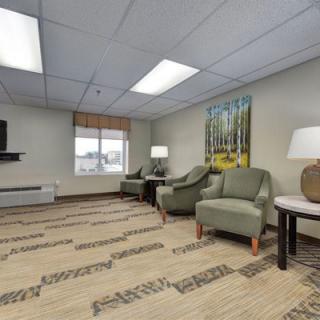
    Residents' rooms are fully furnished and provide private bathrooms for convenience and privacy. Housekeeping services ensure a clean and comfortable living environment. A small library is available for leisurely reading, along with gaming rooms for entertainment purposes.

    Residents have access to outdoor spaces such as gardens to enjoy fresh air and nature. Wi-Fi/high-speed internet keeps residents connected with family and friends digitally. Move-in coordination helps make the transition process smooth for new residents.

    In terms of care services, North Olmsted Healthcare offers 24-hour call system and supervision to ensure the safety of residents at all times. Trained staff members provide assistance with activities of daily living, including bathing, dressing, and transfers. Medication management ensures that medication is taken on time and as prescribed by healthcare providers.

    Special dietary restrictions are accommodated, including diabetes diets. Meal preparation and service take into consideration the unique dietary needs of each resident. Mental wellness programs aim to support residents' emotional well-being.

    Transportation arrangement options are available both for non-medical purposes like shopping trips and social outings as well as transportation to doctors' appointments when needed. A wellness center provides additional resources for residents to maintain their overall health.

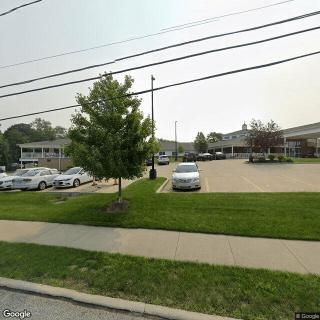
    North Olmsted Healthcare is conveniently surrounded by various amenities as well. There are cafes, parks, pharmacies, physicians' offices, restaurants, transportation options, places of worship, theaters, and hospitals nearby. These allow residents to explore the local community and access necessary services easily.

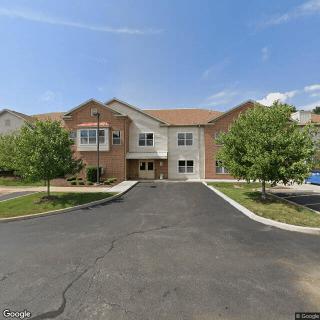
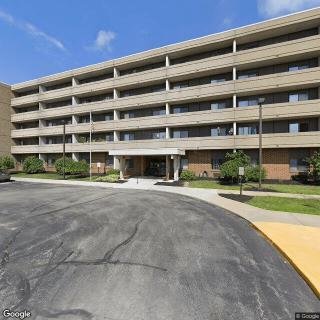
    Overall, North Olmsted Healthcare offers a comfortable and supportive environment for seniors in need of assisted living services. With a range of amenities and care services available, residents can enjoy a fulfilling and engaging lifestyle while receiving the support they need.

    Nearby Places of Interest

    Pharmacies

    • CVS Pharmacy (0.1 miles)
    • Discount Drug Mart (1 miles)
    • Walgreens (1 miles)
    • Marc's Stores (1.8 miles)
    • Walgreens (2 miles)
    • Walgreens (2.3 miles)
    • Rite Aid (2.5 miles)

    Restaurants

    • Fat Heads Brewery & Saloon (1 miles)
    • BJ's Restaurant & Brewhouse (1.9 miles)
    • Panini's Bar and Grill (2.6 miles)
    • Dover Gardens Tavern (3.3 miles)
    • Joe's Deli & Restaurant (3.4 miles)
    • Mitchell's Ice Cream (3.7 miles)
    • Wine Bar Rocky River (3.7 miles)

    Parks

    • Bain Park (1 miles)
    • Tri-City Park (1.2 miles)
    • Rocky River Reservation (1.9 miles)
    • Bohlken Park (2 miles)
    • Metroparks Rocky River Reservation North (3.5 miles)
    • Niagara Park (3.9 miles)
    • Lakewood Park (5.8 miles)

    Physicians

    • Premier Physicians (1.9 miles)
    • Orthopedic Associates Westlake (2.6 miles)
    • North; Shore Gastroenterology & Endoscopy Center (3.1 miles)
    • Bay Dental Offices (3.7 miles)
    • Fairview Ob Gyn Associates Crocker (4.2 miles)
    • Southwest Family Physicians (5 miles)
    • Cuyahoga County Board of Health (5.3 miles)

    Transportation

    • Cleveland Rental Car Center (2.2 miles)
    • National Car Rental (2.2 miles)
    • Hertz Rent A Car (2.2 miles)
    • Concourse B (2.5 miles)
    • American Airlines Ticket Counter (2.6 miles)
    • United Airlines Ticket Counter (2.6 miles)
    • TSA Checkpoint C (2.6 miles)

    Cafes

    • Starbucks (2.4 miles)
    • Starbucks (2.7 miles)
    • Panera Bread (2.8 miles)
    • Starbucks (4.1 miles)
    • Starbucks (4.5 miles)
    • Starbucks (5.2 miles)
    • Rising Star Coffee Roasters (5.6 miles)

    Hospitals

    • Cleveland Clinic - Fairview Hospital (3 miles)
    • CCF Fairview Hospital (3 miles)
    • St John Medical Center (3.4 miles)
    • Cleveland Clinic - Avon Hospital (5.9 miles)

    Places of Worship

    • Jehovah's Witnesses (3.3 miles)
    • St Barnabas (5.5 miles)
    • St Ignatius of Antioch Church (6.7 miles)

    Theaters

    • Regal Crocker Park & Imax (4.3 miles)

    Frequently Asked Questions

    Where is North Olmsted Healthcare?

    Nearby Communities

    Related Resources

    • what happens when medicare stops paying for nursing home careManaging Nursing Home Expenses After Medicare Coverage Ends

      Medicare provides limited coverage for skilled nursing home care, covering full benefits for the first 20 days and partial benefits up to 100 days under certain conditions, after which families must explore alternative funding options like Medicaid or long-term care insurance to manage potentially high costs. Proactive planning is essential to navigate the complexities of financing ongoing care once Medicare coverage ends.

    • geriatric care managerIs a Geriatric Care Manager the Right Choice for Your Family?

      Geriatric care managers create personalized care plans for older adults, addressing their medical, social, financial, and psychological needs while coordinating services and advocating for their well-being. They help families navigate caregiving challenges but may be hindered by high costs and a shortage of qualified professionals.

    • what to say to someone who is grievingCompassionate Conversations: How to Comfort Someone Who Is Grieving

      The article highlights the importance of empathy and open communication when comforting someone who is grieving, noting that grief is unique to each individual and emphasizing the need for sincere expressions of condolence, active listening, and ongoing support. It also addresses cultural differences in mourning practices and encourages tailored approaches to provide effective comfort.


    Get Pricing Ask A Question Schedule A Tour Contact Senior Advisor