


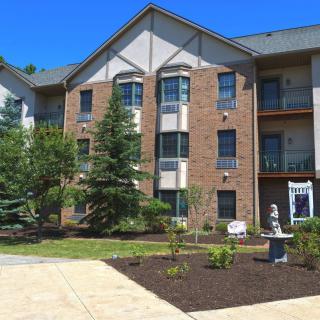
5250 Windsor Way, New Middletown, OH 44442
For more information about senior living options: (866) 208-4318
Overall Review of Masternick Memorial Health Care Center
Pros
 The staff are the best, super nice and friendly, and make residents feel at home.
- The facility has a five-star Medicare rating, with very caring staff and a very clean building.
- The site is very clean and the staff are very friendly.
- Dr. Masternick and staff are very attentive to patients’ health, and the nurses are very responsive to health concerns.
- The rehab team is doing an excellent job.
- The food is very good.
Cons
 The facility fired its hardest worker today for little to no reason.
- The staff is rude all the way up to the administrator.
- The facility is extremely short staffed.
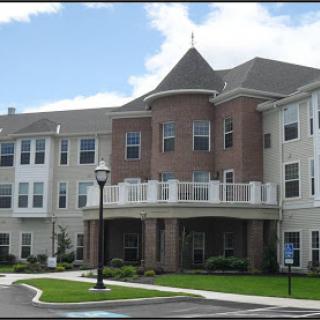
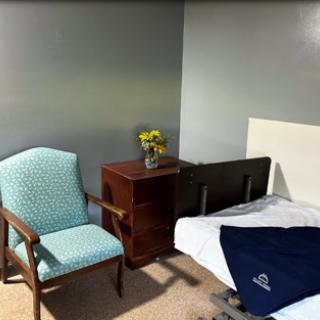
- The rooms are hospital-like and very basic.
- The patient was led to believe she would have a private room, but was placed in a semi-private shoebox-sized room.
- The meals looked terrible and tasted as bad as they looked.
- She lost a lot of weight and became very depressed during her stay.
- Her days were spent in a wheelchair in a common area outside the nurses' station, with many residents parked in front of the TV.
- The facility did not live up to its claimed five-star rating.
- It was sad to see.
Review
This community is best suited for families seeking strong clinical oversight, robust rehabilitation services, and a facility that feels clean and has a homey ambience. The reviews consistently highlight attentive doctors, responsive nurses, and a rehab team that shows real dedication to progress. When a loved one needs skilled nursing with hands-on medical attention and daily assurances from a care team that appears genuinely invested, Masternick Memorial frequently delivers. The combination of a Medicare-reported five-star vibe in one reviewer’s words and the verifiable notes of cleanliness and staff engagement make this a practical, reliable option for ongoing skilled care and recovery.
Those weighing alternatives should note the clear caveats. If private-room privacy, unwavering administrative warmth, and dining quality are non-negotiable, other communities may be worth a comparative look. Several reviews flag experiences where furniture, room size, or room assignments did not meet expectations, including a misrepresented expectation of a private room that turned into a semi-private space. There are also pointed reminders about rude interactions at the administrative level and about understaffing, which can influence responsiveness and day-to-day atmosphere. For families that prize a consistently seamless, upscale resident experience across all touchpoints, it’s prudent to survey other options as part of a broad search.
On the positive side, the facility earns high marks for cleanliness and the personal quality of care. Multiple reviewers describe the building as very clean and well-maintained, with staff that feel approachable and genuinely caring. The nursing staff are praised for attentiveness to health concerns, and the rehab team is repeatedly commended for effective progress and focus on recovering function. In one case, the care team is explicitly credited with helping a loved one regain weight and vitality, underscoring the practical medical value provided here. Even where dining is not the centerpiece, there are strong signals that meals can be good or better than expected, contributing to overall comfort during recovery.
Yet, the spectrum of experiences makes the main cons hard to ignore for some families. Short-staffing surfaces as a recurring theme, resulting in more hospital-like, basic rooms and slower-than-desired responses at times. Several accounts describe rooms that feel cramped or not as private as anticipated, and at least one family reports feeling misled about private accommodations. Food quality is another area of uneven performance, with at least one reviewer describing meals that looked and tasted unappealing, contributing to weight loss and mood decline. The authenticity of positive interactions is sometimes contrasted by reports of rude behavior by staff up to the administrator level, which can erode trust and diminish the overall experience for residents and families.
In balancing these factors, the strongest offsetting advantages come from clinically oriented care, reliability of nursing response, and a consistently noticeable emphasis on the resident’s health. For families prioritizing medical stability, rehab momentum, and a clean, orderly environment, the positives often outweigh the drawbacks. The presence of a dedicated rehab team, the apparent expertise of Dr. Masternick and his staff, and the general goodwill documented by several families create a reassuring foundation for short- to mid-term recovery and ongoing nursing needs. Where the negatives land, they tend to define the variance in experience rather than negate the core medical and rehabilitative value.
Practical guidance for families evaluating this community is straightforward. Arrange a thorough tour and specific questions about room configurations, including the availability of truly private rooms and any recent changes in room assignments. Probe staffing levels during peak hours and request a clear outline of how care coordination works between nurses, aides, and the rehab team. Taste-test the dining options during a visit and ask about menu variety and nutrition support, especially for residents with appetite changes. Finally, set expectations with administration about concerns and follow up on responsiveness and problem resolution. If the primary goal is strong medical care, rehab momentum, and a clean, welcoming environment, Masternick Memorial stands as a solid, experienced option. If private-room comfort and uniformly warm, friction-free interaction with leadership are non-negotiable, it remains wise to compare a few alternatives to find the best overall fit.
 99 resident community capacity
 Skilled Nursing Facility
 Air-conditioning
 Beauty salon
 Cable or satellite TV
 Computer center
 Dining room
 Fitness room
 Fully furnished
 Gaming room
 Garden
 Housekeeping services
 Kitchenette
 Move-in coordination
 Outdoor space
 Private bathrooms
 Restaurant-style dining
 Small library
 Telephone
 Wellness center
 Wi-Fi/high-speed internet available
 Community operated transportation
 12-16 hour nursing
 24-hour call system
 Activities of daily living assistance
 Assistance with bathing
 Assistance with dressing
 Assistance with transfers
 Diabetes diet
 Medication management
 Mental wellness program
 Special dietary restrictions
 Concierge services
 Planned day trips



 Urinary Tract Infections in Older Adults: Comprehensive Insights on Symptoms, Treatment, and Prevention
 California's Form 602A: An In-Depth Examination of Senior Care Assessment
 Comprehensive Look at Senior Blood Pressure Charts: Normal and Elevated Levels by Age