
1950 Mount Saint Mary Dr, Nelsonville, OH 45764
To contact a resident: (740) 753-1931
For more information about senior living options: (866) 208-4318
Overall Review of Pine Hills Continuing Care Ctr
Pros
 Dr. Nash is described as the best dentist the patient has ever seen, delivering a calm and extremely pleasant experience.
- The front desk staff are very helpful, friendly, and welcoming.
- Hopewell Dental got the patient an appointment the same day for an emergency extraction.
- Dr Schnyder and Chelsea provided awesome care and were highly regarded.
- Dr Snyder's dental assistant is the best, making the patient feel calm and likely to return.
- The staff were very nice and took very good care of the patient.
Cons
 The reviewer describes the care as the worst ever, noting scheduling that pushed a cleaning six months out and fillings ten months out.
- The reviewer says they couldn’t get an earlier appointment and that staff showed a snottier attitude when surprised.
- The staff’s Jan/Feb scheduling reply was sarcastic, implying indifference to the patient’s needs.
- The reviewer would find somewhere else before July due to the experience.
- The reviewer states the other clinic’s experience wasn’t good.
- The staff canceled all of the patient’s upcoming appointments and the front desk was rude and lazy.
- The reviewer says the doctors refused to see a feverish patient, calling the doctors a joke and an embarrassment to healthcare.
- The clinic lacks dental hygienists to perform cleanings.
- The clinic reportedly lost its dental hygienist, implying instability.
Review
Pine Hills Continuing Care Center in Nelsonville is best suited for families seeking a small, personally attended environment where clinical oversight remains visible and staff relationships are a core strength. The community likely fits residents who value hands-on monitoring, consistent physician or nursing leadership, and daily routines built around familiar faces. When the team is fully staffed and operating smoothly, families can expect attentive, approachable caregivers who can translate medical plans into clear day-to-day care. The practical draw is the potential for steady, involved care; the caveat is that this relies on reliable staffing and seamless front-desk operations.
That said, several review patterns suggest who may want to consider alternatives. If the priority is unyielding appointment reliability, uninterrupted care, and friction-free scheduling, this setting may not meet those expectations. Local care stories underscore how administrative bottlenecks, delayed appointments, and inconsistent staffing can erode confidence and disrupt routines. Families that cannot tolerate occasional confusion in scheduling or turnover-related gaps should broaden their search to facilities with more robust admissions workflows, larger staffing pools, or more formalized contingency plans. In short, the alternative is a setting that can guarantee fewer administrative hiccups even when clinical teams are temporarily stretched.
On the upside, the strongest positives consistently center on the clinical staff when present. Families report clinicians who are capable, calm, and capable of building trust, caregivers who translate plans into practical, reassuring guidance for residents. Positive interactions with nurses, aides, or therapy staff can make a substantial difference in daily comfort, mood, and perceived safety. When the care team is available and communicates well, residents experience a sense of continuity and personal attention that can offset occasional scheduling hiccups. This is the core strength to lean on: competent, compassionate clinical leadership that demonstrates real bedside presence.
The principal downsides revolve around administration and staffing stability. The recurring concerns include front-desk friction, inconsistent appointment cadences, and periods when key positions are vacant or temporarily unavailable. These gaps can translate into missed or rescheduled services, uncertainty for families, and a perception of diminished reliability. For a continuing care setting, such disruptions can undermine confidence in long-term planning, care coordination, and timely access to specialists. In isolation, they are significant; weighed against strong clinical care, they become part of a risk calculus that demands clear mitigation.
Balancing the positives and negatives comes down to whether Pine Hills can deliver a resolutely reliable administrative backbone alongside a steady clinical presence. If the center maintains stable staffing, minimizes avoidable rescheduling, and provides transparent, proactive communication to families about care plans and contingencies, the strong clinical core becomes a durable offset to the less predictable office operations. Conversely, if administrative instability persists or the admissions process feels opaque, even excellent clinicians may not compensate for a sense of disorganization. The decision hinges on whether accountability and consistency in the facility’s day-to-day operations align with the resident’s medical complexity and the family’s expectations for dependable access to care.
In practical terms, a prospective family should approach a tour with concrete lines of inquiry. Ask for the current staffing mix, turnover rates, and how often key clinicians work on the unit. Request a sample weekly schedule that shows typical appointment cadence, therapy sessions, and how emergencies are handled. Inquire about the admissions process, contingency planning when staff are out, and how families are kept informed during care plan updates. Speak with several residents and family members about consistency of care and communication. If the answers emphasize stability, proactive communication, and contingency coverage, Pine Hills emerges as a strong fit for long-term residence. If not, it is prudent to compare alternatives with demonstrated reliability in scheduling and continuity of care.
Final takeaway: Pine Hills can be a smart choice for families prioritizing intimate, relationship-driven care delivered under clear clinical supervision, provided the administrative scaffolding keeps pace with medical needs. The decision should rest on verifiable staffing stability, a transparent admissions process, and a track record of consistent scheduling. For families where those administrative assurances are uncertain or weak, exploring other local options with stronger front-office reliability is advisable. The right fit is the one that pairs steady, compassionate care with predictable, well-communicated access to services over the long arc of aging in place.
 Skilled Nursing Facility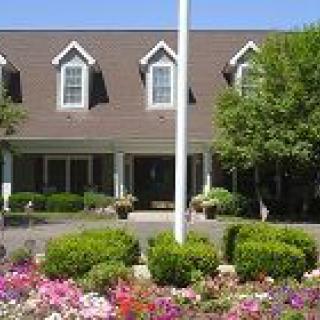

 Weight Training for Seniors: Building Strength and Vitality
 Understanding the Sandwich Generation: Stress and Responsibilities for Multigenerational Caregivers
 8 Essential Assistive Devices for Older Adults