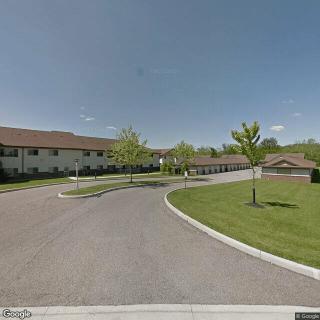
300 Arlington Ave, Logan, OH 43138
For more information about senior living options: (844) 490-3973
Logan Healthcare Center in Logan is best suited for families prioritizing robust rehabilitation services and hands-on nursing care, particularly for a short-term recovery path after surgery, stroke, or mobility setbacks. The rehab program at this community is frequently praised by those who value dedicated physical and occupational therapy, with residents often walking away with measurable gains and renewed independence. For families seeking a clean, activity-involved environment where therapy teams drive daily progress, this facility can be a practical choice. Long-term memory-care reliability and tightly controlled governance, however, may be more uneven, making it a less consistent home for residents who require consistent, specialized dementia care.
Those considering alternatives should note that several reviews raise red flags around safety, staffing, and governance. Allegations of rights violations surrounding medications, reports of abuse investigations, and ongoing concerns about staffing shortages have appeared in a number of accounts. Questions about whether residents receive timely help, whether rooms are kept clean, and whether front-office communication is reliable underscore the importance of performing thorough due diligence. Families with loved ones who need high levels of daily oversight, clear accountability, and transparent incident handling should evaluate other nearby options with stronger track records in safeguarding residents and maintaining consistent staffing.
On the upside, the strongest pro is the rehab-centric culture. The facility earns credibility from residents and families who emphasize compassionate, capable therapists and nurses who stay engaged with the care plan. Reviews consistently highlight meaningful progress in mobility and independence, with positive experiences in therapy translating to improved daily function. The presence of on-site services such as dialysis is a specific, important convenience for residents with complex medical needs. For families whose immediate goal is to regain or preserve function, these clinical strengths can substantially offset other irritants if the stay is focused on rehabilitation and short duration.
The main cons present a more troubling contrast. Recurrent concerns about staffing levels and turnover translate into worries about responsiveness and consistency in daily care. Reports of unclean rooms, delayed assistance when a call light is pressed, and a perception that administrative promises do not always align with on-the-ground realities create a sense of instability. The most serious alarm bells relate to patient safety and rights around medications, as well as the presence of abuse accusations and formal investigations in some families' experiences. Such factors are not mere inconveniences; they directly influence day-to-day safety, dignity, and trust in the care team.
How the positive rehab and caregiver devotion weigh against the negative signals depends on the family's priorities. For short-term rehab, with clear goals and close oversight, the clinical strengths can produce tangible gains that justify the trade-offs. The warm, profession-wide commitment observed in therapy and nursing can help residents feel heard and valued, which may soften concerns about occasional lapses in staffing or housekeeping. Yet for a resident needing consistent monitoring, predictable schedules, and a proven safety shield against medication risks or neglect, these cons tend to overshadow the gains. The degree of risk tolerance and the level of ongoing oversight a family can provide at home should shape the decision.
In the end, choosing Logan Health Care Center requires a clear-eyed appraisal of risk versus reward. If the objective centers on aggressive rehabilitation with a responsive, compassionate team, and if regular family oversight is feasible, the center can be a workable match. If, however, stability, transparent governance, and rigorous protection from medication-related rights issues are non-negotiable, it is prudent to compare alternative communities with stronger, verified safety records and more consistent staffing. Prospective families should request up-to-date state survey results, speak with current residents and ombudsmen, tour multiple times, and insist on concrete care plans and staffing schedules before committing.
Logan Healthcare Center in Logan, OH is an assisted living community that provides a range of amenities and services to enhance the quality of life for its residents. The community offers devotional services off-site, allowing individuals to practice their faith in a comfortable environment. Indoor common areas are available for socializing and engaging in activities with fellow residents.
The care services provided at Logan Healthcare Center cater to specific needs such as diabetic care and high acuity care. This ensures that residents receive the necessary support and assistance to manage their health effectively.
Residents have various opportunities for recreational activities as well. Devotional activities off-site enable individuals to engage in spiritual growth outside of the community premises. Additionally, there are two cafes, three parks, four pharmacies, six physicians' offices, twelve restaurants, and one transportation service conveniently located nearby. These offerings provide ample choices for dining out, enjoying nature, accessing healthcare services, and exploring the local area.
Furthermore, there are six places of worship near Logan Healthcare Center, allowing individuals to maintain their religious practices and participate in community events.
Overall, Logan Healthcare Center provides a comprehensive assisted living experience with a focus on individualized care, access to essential amenities and services nearby, and opportunities for social engagement and spiritual fulfillment.
Logan Healthcare Ctr is located at 300 Arlington Ave, Logan, OH 43138 in Vinton County, Ohio
Navigating Medicare Coverage for In-Home Care Services

Medicare covers in-home health care services, which are medical and provided by licensed professionals under a physician's supervision, whereas non-medical personal assistance is generally not covered unless part of a broader skilled care plan. Eligibility for benefits depends on being homebound and needing intermittent skilled services from a Medicare-certified agency, with specific coverage limitations and additional resources available for navigating options.
In-Home Care Costs in 2025: A Detailed State-by-State Exploration

In-home care is increasingly sought after by older adults for maintaining independence, with average private home care rates in 2025 varying by state and service type, reflecting geographical and local labor market influences. As demand rises, families are considering funding options like Medicaid waivers and long-term care insurance to manage costs effectively while ensuring quality care.
Understanding Home Health Care: A Comprehensive Guide
Home health care has become essential for supporting independence among the aging population, offering diverse services such as skilled nursing and rehabilitation in familiar environments, while also incorporating technology for personalized care. Despite its benefits, including improved recovery rates and emotional well-being, challenges like safety, staff availability, and insurance navigation must be managed for effective implementation.