117 Bartlett Street, Marietta, OH 45750
For more information about senior living options: (866) 208-4318
Overall Review of Waterview Pointe Nursing & Rehabilitation
Pros
 The staff are amazing and are greatly appreciated.
- The food was excellent.
- The staff are friendly and compassionate.
- The vent unit is excellent.
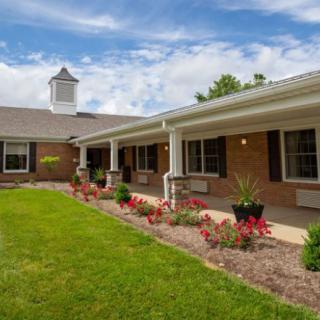
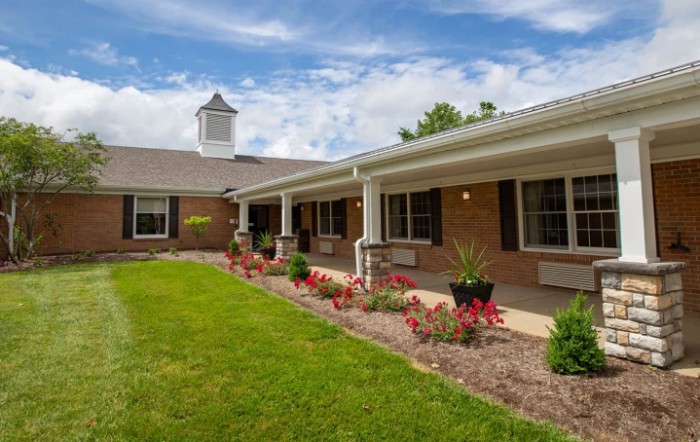
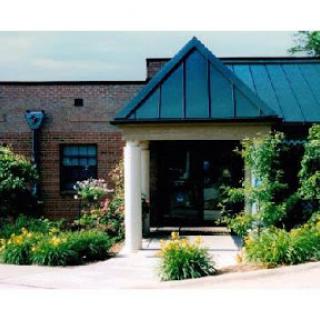
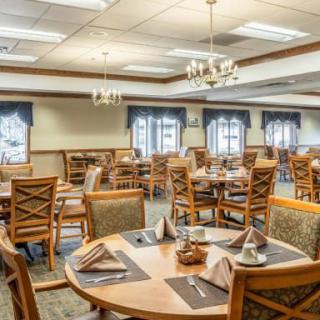
- The facility is beautiful.
- The team works together and provides 100% compassion and care.
Cons
 The reviewer would give the facility a 0 out of 5.
- The grandmother declined after rehabilitation and had to be transferred back to the hospital.
- It was found that she was severely malnourished, had a raging UTI, and a horrible bedsore that the facility had claimed was healed.
- The facility allegedly hired 75% of the old staff and has worse turnover, with corporate reportedly aware.
- The reviewer warned others to get out now, fearing the place would close.
- The old staff were said to need to go, and the place should not close and reopen with the old personnel.
- Staff were made to work with symptomatic COVID, described as inhumane.
- Aides were seen texting instead of providing care, and residents’ clothes were sometimes not changed or went missing.
- The care was described as totally unacceptable and residents were not treated with the respect they deserved.
Review
Waterview Pointe Nursing & Rehabilitation in Marietta, Ohio is best suited for families seeking a short-term rest-and-rehab experience in a pleasant, well-kept setting, where the care team emphasizes warmth and a collaborative approach to recovery. The facility earns praise for a compassionate, team-oriented staff and a rehab-forward routine that some families find supportive when returning from surgery or a serious fall. For residents who value a friendly atmosphere and a clear focus on rehabilitation, this community can deliver a workable stay, provided family oversight remains active and consistent throughout the rehab period.
However, several red flags emerge that suggest alternatives should be considered for anyone with stringent safety or long-term care expectations. Across multiple accounts, serious care gaps are described: malnutrition, urinary tract infections, and recurring bed sores that were claimed as healed but returned. These are not minor hiccups but indicators of inconsistent medical oversight and nutrition management. Add to this reports of high staff turnover, suggestions of older staff being rehired, and complaints about front-office operations and accountability. Taken together, the message is clear: medical reliability and day-to-day oversight are variable, and that variability carries real risk for vulnerable residents.
On the flip side, the upside is tangible and meaningful for rehab-focused stays. Numerous reviews spotlight extraordinary compassion, teamwork, and dedication among caregivers, with some callers labeling the staff as “amazing” and the unit as a strong point of the facility. The environment is described as welcoming, with a beautiful campus and a sense of cohesion among the care team that can translate into meaningful emotional and motivational support for recovering residents. These strengths matter a great deal during rehabilitation when patient morale and trust in the care team influence participation in therapy and early progress.
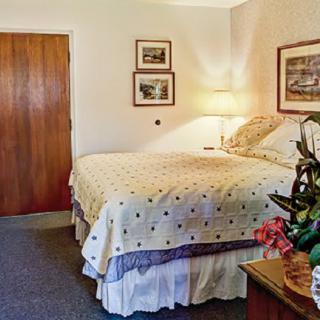
Yet the core cons cannot be dismissed. The most concerning themes center on medical and daily-care lapses: severe malnutrition and infections signal nutrition and infection-control shortcomings; a bed sore incident followed by relapse points to inconsistent wound care. Staffing instability compounds these risks, because turnover disrupts continuity of care just when consistency is most needed. Additional anecdotes about aides appearing distracted, missing clothing, or questions about how belongings are managed erode resident dignity and undermine routine reliability. Even if some reviews describe excellent meals or comfortable beds, these positives are not enough to neutralize the larger safety and quality concerns raised elsewhere.
For families weighing a move, practical diligence matters more than impressions. A disciplined due-diligence approach is essential: request a real-time tour during a busy shift to observe responsiveness; ask for nurse-to-patient ratios, wound-care processes, nutrition programs, and how hydration is ensured throughout the day. Inquire about the therapy schedule, the involvement of family in care planning, and the mechanism for escalating concerns when care falls short. Check objective indicators such as recent survey results or quality metrics, and try to speak with current residents and families about consistency over time. The goal is to verify that compassionate care is matched by reliable clinical performance day after day.
In the final analysis, Waterview Pointe represents a mixed proposition. It is well-suited for families prepared to actively oversee care and advocate for their loved one, especially during a short rehab stint, where a kind staff and a supportive rehab environment can shine. For those prioritizing predictability, safety, and consistent clinical outcomes over warmth and pleasant surroundings, exploring other options with demonstrated stability in nutrition, wound care, and infection control is prudent. If choosing this community, enter with a concrete plan: schedule thorough assessments, insist on clear care protocols, and establish a robust escalation path to ensure that the positives, compassion, teamwork, and a welcoming setting, are sustained by reliable, high-quality care every day.
 80 resident community capacity
 Skilled Nursing Facility
 Air-conditioning
 Beauty salon
 Cable or satellite TV
 Computer center
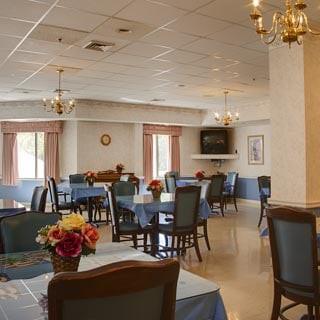
 Dining room
 Fitness room
 Fully furnished
 Gaming room
 Garden
 Housekeeping services
 Kitchenette
 Move-in coordination
 Outdoor space
 Private bathrooms
 Restaurant-style dining
 Small library
 Telephone
 Wellness center
 Wi-Fi/high-speed internet available
 Community operated transportation
 12-16 hour nursing
 24-hour call system
 Activities of daily living assistance
 Assistance with bathing
 Assistance with dressing
 Assistance with transfers
 Diabetes diet
 Medication management
 Mental wellness program
 Special dietary restrictions
 Concierge services
 Planned day trips


 A Detailed Examination of Nursing Home Costs Across the U.S.
 Exploring Nonmedical Home Care: Understanding Services, Costs, and Financial Approaches
 Engaging Brain Games and Innovative Apps to Keep Senior Minds Active