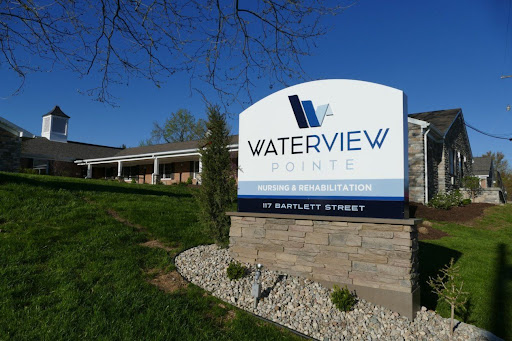
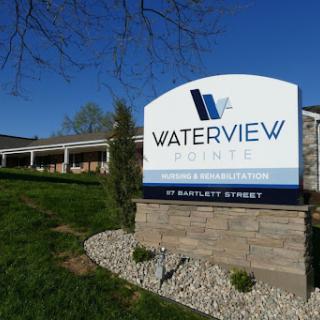
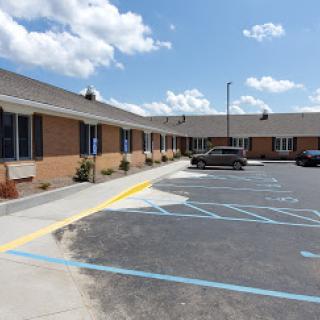
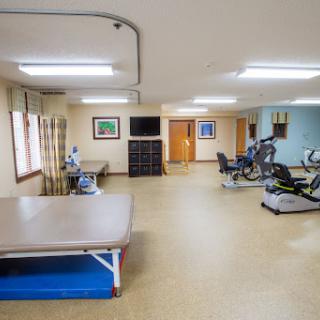
117 Bartlett St, Marietta, OH 45750
To contact a resident: (740) 373-1867
For more information about senior living options: (866) 208-4318
Marietta-A Care and Rehabilitation Center Costs & Pricing
Marietta-A Care and Rehabilitation Center offers a semi-private room at a monthly cost of $6,348, which is notably higher than both the average costs in Washington County at $3,986 and the overall state average for Ohio at $3,965. This discrepancy underscores the premium placed on the services and amenities provided by Marietta-A Care and Rehabilitation Center, likely reflecting its commitment to quality care and a supportive environment for residents. While it may represent a higher financial investment compared to local and state averages, families seeking exceptional rehabilitation services may find that the benefits align with their expectations for care.
| Floor plans | Marietta-A Care and Rehabilitation Center | Washington County | Ohio |
|---|---|---|---|
| Semi-Private | $6,348 | $3,986 | $3,965 |
Overall Review of Marietta-A Care and Rehabilitation Center
Pros
 The staff are amazing and compassionate.
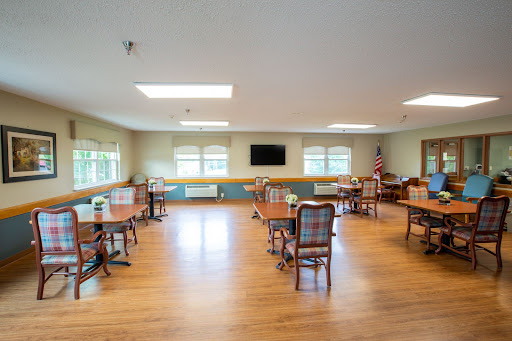
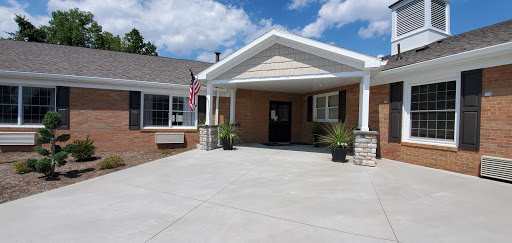
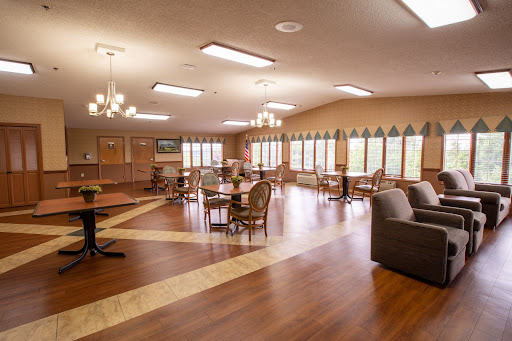
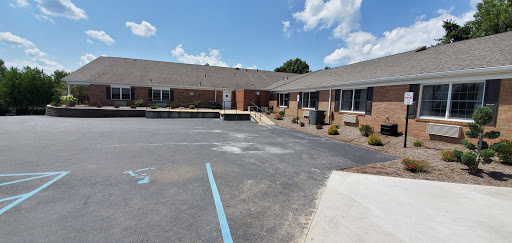
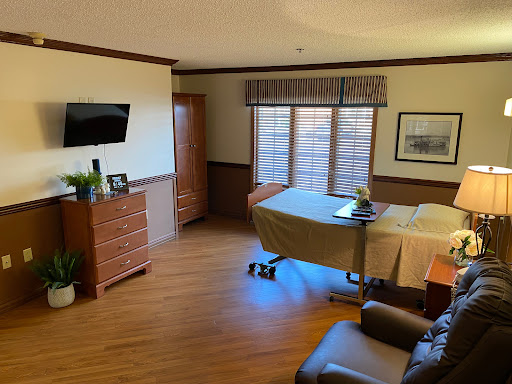
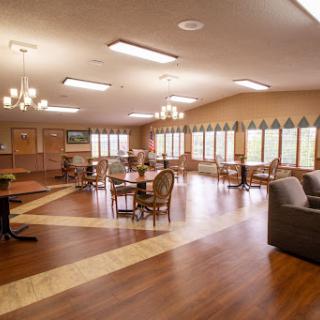
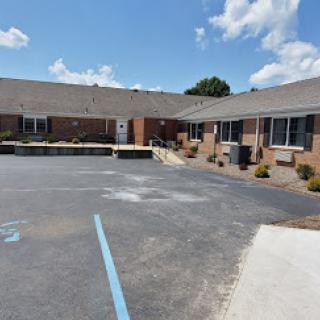
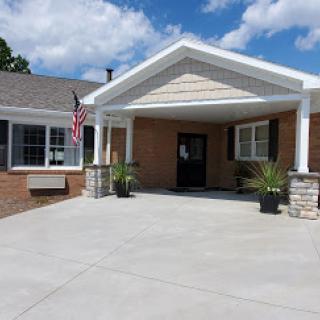
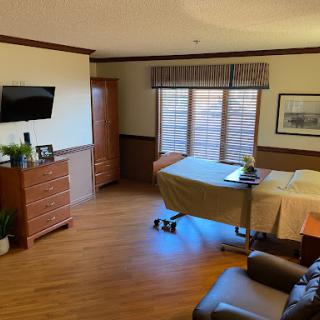
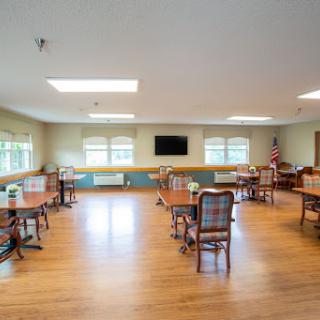
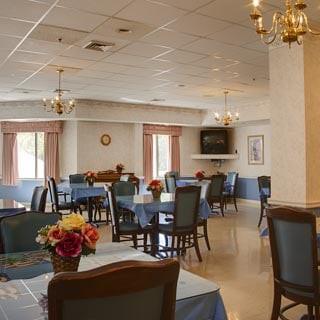
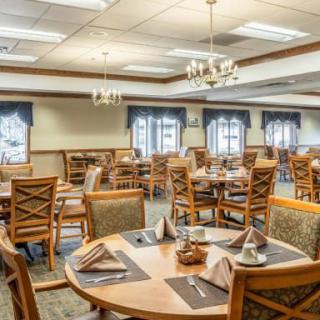
- The facility is beautiful and welcoming.
- The food was excellent.
- The team works together and provides 100% compassion and care.
- The caregivers are excellent.
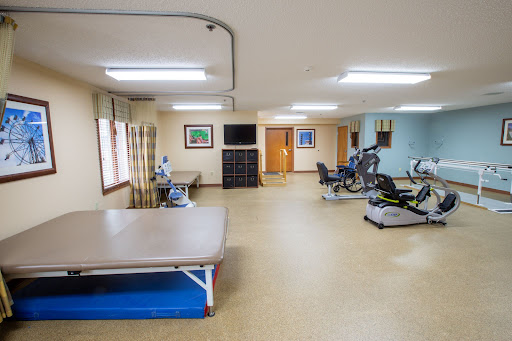
- It is a nice place to stay for rest and rehab.
Cons
 The grandmother was severely malnourished, had a raging UTI, and a horrible bed sore that staff claimed was healed.
- The staff were made to work while symptomatic with Covid.
- The facility was described as inhumane.
- Aides were often sitting and texting on their phones instead of providing patient care.
- The grandmother was strapped down in her chair in the hallway by the nurses’ station and misdiagnosed as depressed, receiving depression medication.
- Eyedrops for glaucoma were not given when needed.
- Residents sometimes did not receive water or drinks.
- The old staff needed to go, and there were concerns the place would close due to turnover.
Review
Marietta-A Care and Rehabilitation Center is best suited for families seeking a short-term rehab option where approachable, friendly frontline staff and a pleasant, home-like setting can support recovery on some shifts, while recognizing that inconsistent care and staffing gaps can undermine stability. This community works best for residents whose families are willing to stay actively engaged, monitor daily care, and be ready to escalate concerns quickly. It is not the ideal pick for someone who requires steady, around-the-clock medical oversight or a proven, highly reliable safety record over the long term.
On the plus side, reviewers repeatedly highlight elements that matter in recovery: compassionate, personable staff members who make an effort to connect, and a facility that many describe as nice or beautiful. The vent unit is singled out as a particular strength, and multiple accounts speak to moments of genuine teamwork and warmth when the right staff are present. For some families, these positives translate into meaningful progress during rehab stays, especially when care plans are being followed and residents feel seen and attended to. A subset of staff is praised for their dedication and for creating a hopeful, encouraging atmosphere during recovery phases.
Yet the strongest undercurrent in these reviews is concern about consistency and safety. Recurrent reports describe severe lapses in care that cannot be dismissed: malnutrition and untreated infections identified after hospital transfers, bed sores that supposedly healed, missed medications like glaucoma eye drops, and clothes going missing. Other complaints point to staffing instability, with turnover and perceived reliance on older staff while new hires arrive, which fuels questions about training, supervision, and accountability. There are also troubling anecdotes of residents being restrained, left in hallways or chair-bound, and care teams appearing distracted by personal devices rather than actively tending to patients. These are not trivial, they are defining risks that erode trust in the facility’s ability to protect vulnerable residents.
The key reality is that the favorable aspects, caring individuals on some shifts, a capable rehab focus, and a pleasant environment, can be outweighed by the risks tied to inconsistent staffing and documented care gaps. When the staff turnover is low and teams are cohesive, families report moments of excellent care and genuine compassion. However, when turnover spikes or supervision slides, the gaps in basic needs, hygiene, medication administration, and attentive observation become acute enough to overshadow the positives. This creates a two-tier experience: hopeful progress during moments of solid staffing, and alarming lapses during periods of instability.
Those weighing the community should be clear about who may want to consider alternatives. If a resident’s needs include highly reliable daily oversight, consistent medication administration, and rigorous attention to nutrition, wound care, and mental health support, it would be prudent to look elsewhere. Families managing dementia, complex medical conditions, or high-risk mobility should be cautious, as unsettling patterns in supervision and safety have been reported. For long-term placement or for anyone without the bandwidth to advocate continuously, the risks may quickly outweigh the perceived benefits.
To move forward decisively, conduct thorough on-site evaluations focused on staffing patterns, care routines, and discharge planning. Ask direct questions about daily nurse-to-resident ratios, recent turnover rates, and how care plans are communicated across shifts. Inquire about nutrition protocols and wound-care initiatives, verify medication-handling procedures, and request to review recent incident and quality-improvement reports. When possible, arrange visits at different times of day to observe care delivery, and speak candidly with current residents or family members about their experiences. If comfort with oversight and a strong advocate network cannot be guaranteed, this community is better left as a consideration rather than a default choice.
 Skilled Nursing Facility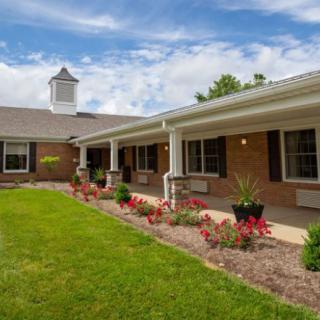





 6 Crucial Ways an Elder Law Attorney Assists Families
 Navigating the Tax Landscape of Caregiving: Credits, Deductions, and Beyond
 Highly Beneficial Low-Impact Exercises for Senior Living Residents