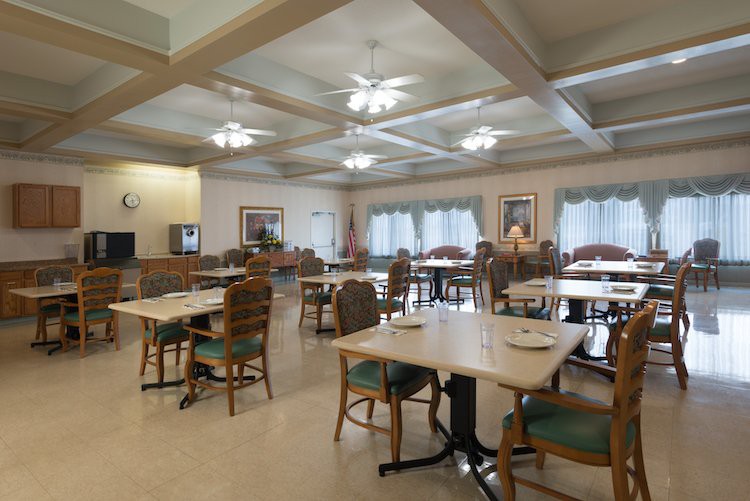
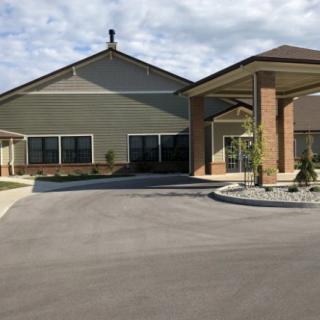
14442 State Route 33 West, Lakeview, OH 43331
For more information about senior living options: (866) 208-4318
Indian Lake Rehabilitation Center Costs & Pricing
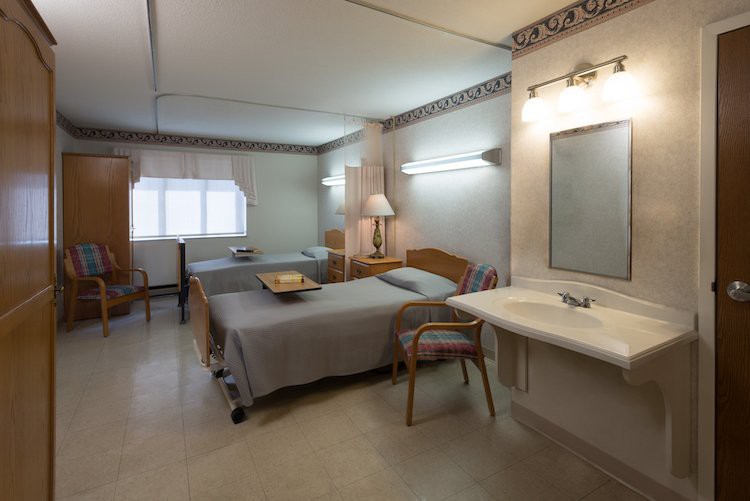
Indian Lake Rehabilitation Center offers competitive pricing for its services compared to both Logan County and the broader state of Ohio. For semi-private rooms, the center charges $4,000 per month, which is slightly above the county average of $3,429 but remains lower than the state average of $3,965. When it comes to private accommodations, Indian Lake matches the Logan County rate at $5,000; however, this is notably higher than Ohio's average cost of $4,771. Overall, while Indian Lake's semi-private room rates are positioned favorably against local and state benchmarks, its private room pricing highlights a significant alignment with county expenditures while exceeding statewide averages.
| Floor plans | Indian Lake Rehabilitation Center | Logan County | Ohio |
|---|---|---|---|
| Semi-Private | $4,000 | $3,429 | $3,965 |
| Private | $5,000 | $5,000 | $4,771 |
Skilled Nursing Facilities with a similar price nearby
-
from -$130 / mo
Signature Healthcare Of Bluffton
$3,870 to $4,710 / month17.3 miles away -
from -$705 / mo
Vancrest Of Payne
$3,295 to $4,995 / month20.3 miles away -
About the same
Canterbury Nursing & Rehabilitation Center
$4,050 to $6,000 / month10.2 miles away
Overall Review of Indian Lake Rehabilitation Center
Pros
 Indian Lake Rehab is described as the best facility in Logan County, Ohio.
- The staff are described as treating residents like family.
- The building and staff are praised, including a five-star deficiency-free survey.
- Therapies are excellent and the overall care is described as next level.
- The facility is a small, 40-bed, family-like environment with caring staff.
- The therapy team works hard to help patients get healthy and home safely.
Cons
 The reviewer claims the facility admitted sex offenders and violent people, forcing them to remove their mom from the facility.
- The reviewer says the administration does not listen to concerns about releasing a family member.
- The reviewer states that promises to guide them through getting specific care did not happen.
- The reviewer questions who can be trusted if medical professionals cannot be trusted.
- The reviewer describes extremely poor communication between insurance and family.
- The reviewer claims the facility provided subpar care, saying it deserved a minus-1 and could only be given a 1.
- The reviewer warns others to look for a certified, trustworthy, honest facility instead.
- The reviewer notes rude behavior and frustration that the grandmother could not get her own room.
Review
Indian Lake Rehabilitation Center in Lakeview, OH is best suited for families seeking a small, hands-on rehab-focused setting where residents are welcomed into a warm, family-like culture. With about 40 beds, the facility operates as a tight-knit community that emphasizes personal attention, continuity of care, and a welcoming atmosphere. It is especially appropriate for seniors who need rehabilitation after surgery, illness, or a decline in function and respond well to consistent, focused therapy delivered in a homelike environment.
Those who prioritize ironclad safety, absolute transparency, and predictable discharge planning should consider alternatives. Several reviews raise concerns about the patient mix, including the presence of sex offenders or violent individuals, and question how bed turnover is managed to accommodate new admissions. Additionally, issues with communication between the facility, families, and insurance providers appear repeatedly, which can erode trust for families navigating complex care decisions. In this context, comparing policies, governance, and discharge practices with other local options, such as Bluffton-area facilities, is prudent before committing.
On the upside, the most compelling positives drive real rehab outcomes. The therapy program is consistently praised as excellent, with nurses and therapy staff described as knowledgeable, compassionate, and willing to go the extra mile. Residents and families frequently report meaningful mobility gains and a smooth path back toward home, reinforced by a culture that treats residents like family. The small, 40-bed setting supports closer oversight and stronger relationships across shifts, contributing to a sense of security and quick responsiveness to needs. One reviewer even notes a deficiency-free survey, signaling strong adherence to regulatory standards alongside everyday excellence in care.
Yet the main drawbacks cannot be dismissed. The most troubling concerns center on safety and trust: accusations that the facility will release a patient to free a bed, coupled with perceived gaps in honest communication and problem-solving with families and insurers. Some residents report rude behavior or lack of privacy through the absence of private rooms. A few critics question the integrity of medical professionals, casting a shadow on overall confidence in the care provided. Even with strong clinical capacity, these issues can tip the scales for families who must balance rehab quality with transparent governance and ethical bed management.
These pros and cons must be weighed with care. For families prioritizing tangible rehab results, a nurturing, small-community environment, and staff who consistently demonstrate care, Indian Lake delivers real value. The comfort of a warm, family-oriented setting and the potential for rapid functional gains are meaningful, practical benefits. However, if safety assurances, transparent decision-making, and private-room options are non-negotiable, the concerns raised by some families warrant serious consideration and direct questioning. Thorough tours, clear conversations about discharge planning, bed-management policies, and ongoing family communication are essential before deciding.
In the end, Indian Lake Rehabilitation Center stands as a strong contender for those seeking a close-knit, rehab-centered experience with proven therapy outcomes and a genuinely caring staff. It is less suitable for families where safety governance, unambiguous communications, and privacy are paramount. For such families, exploring alternatives in nearby communities, like Bluffton, offers the opportunity to compare governance, staffing clarity, and care trajectories more aligned with strict safety and transparency expectations. A careful site visit should include direct discussions with the administrator, therapy team, and front-office staff, plus references from current residents’ families, to verify that the care model aligns with the loved one’s needs and the family’s expectations for trust and accountability.
 40 resident community capacity
 Skilled Nursing Facility
 Beauty salon
 Cable or satellite TV
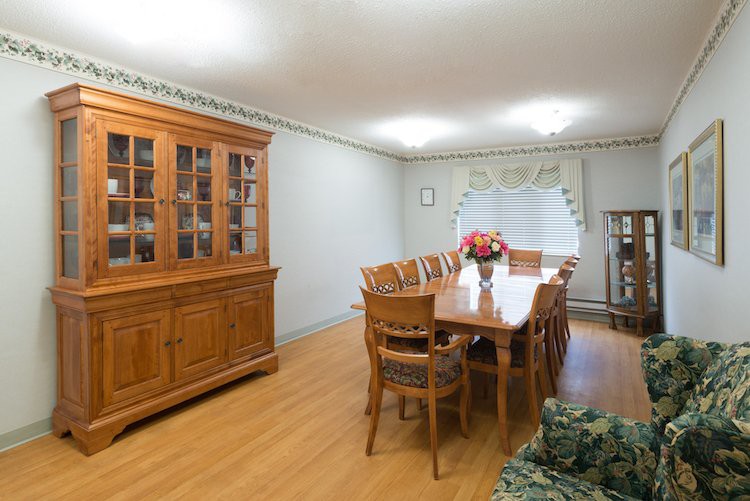
 Dining room
 Fully furnished
 Garden
 Housekeeping services
 Kitchenette
 Move-in coordination
 Outdoor space
 Restaurant-style dining
 Small library
 Telephone
 Wi-Fi/high-speed internet available
 Fort Wayne International (5 miles away)
 24-hour call system
 Activities of daily living assistance
 Assistance with bathing
 Assistance with dressing
 Assistance with transfers
 Diabetes diet
 Medication management
 Mental wellness program
 Special dietary restrictions




 A Closer Look at Private Pay Home Care
 Comprehensive Approaches for Arthritis: A Detailed Guide to Symptoms, Causes, and Care
 Comprehensive Insights and Practical Strategies to Help Older Adults Avoid Falls