
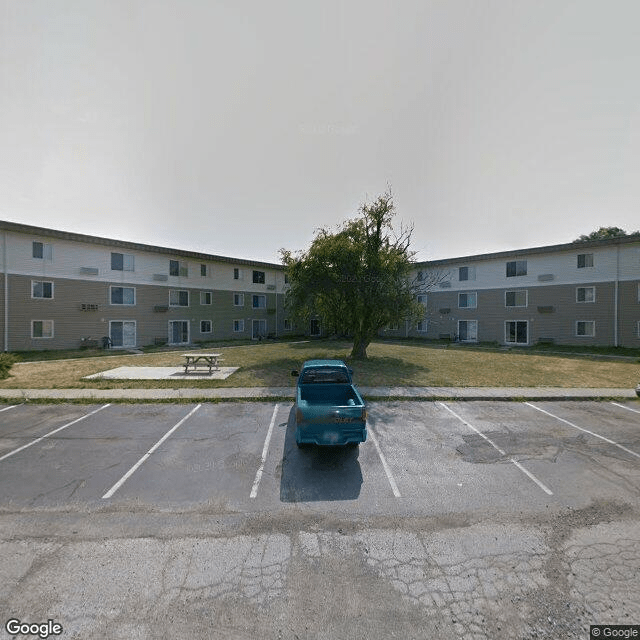
7915 Decatur Rd, Fort Wayne, IN 46816
To contact a resident: (219) 447-4502
For more information about senior living options: (866) 208-4318
Overall Review of Southtown Square Apartments
Pros
 The new management team is dedicated to providing a great living experience for all current and future residents.
- They are excited about the remarkable transformation that is to come at The Arbors.
- They are looking forward to the change that will occur here soon.
- The rehab project will give tenants a fresh space and a feel they can better enjoy.
- They are thrilled to be part of positive changes coming to the community through an exciting renovation and new ownership/management.
- They are excited to begin work on revitalizing this property with a dedicated team.
Cons
 The elevator has been out since 9/2/24, with no acceptable reason, and the owner should be ashamed.
- The office staff are rude, disrespectful, and unprofessional.
- Maintenance staff don’t do anything and are unhelpful.
- The hallways smell nasty, and elevator repairs take too long.
- The place is dirty and full of drunks and druggies, with a lot of violence.
- No one would recommend living there.
- No one answers the phone.
Review
Southtown Square Apartments in Fort Wayne is best suited for residents who can tolerate significant ongoing changes and are drawn to a property promising a deliberate path to improvement. The current appeal rests on a planned renovation and a new ownership/management team, rather than on immediate stability. Because the building is subsidized, it tends to attract lower-income residents seeking affordable housing, but affordability comes with a trade-off: service reliability and maintenance responsiveness can lag. For families or individuals who count on reliable elevator access, clean common areas, and steady day-to-day management, this community requires caution and patience while waiting for the promised upgrades to take hold.
The most credible positives lie in the vision for renewal. Multiple posts express excitement about a rehab project and fresh leadership, with residents noting a dedicated team and an expectation of a better living environment once renovations settle in. That sense of momentum matters for tenants who can tolerate interim discomfort for a longer-term payoff. In practical terms, the entry point is a meaningful upgrade plan, not a miracle fix delivered overnight, which matters for families weighing whether to stay or relocate.
The downside is severe and multi-layered. The elevator has been out since September 2, 2024, creating real accessibility problems for residents on higher floors and for any tenant with mobility needs. Communication gaps, such as difficulty answering the phone, compound frustration, and maintenance delays leave hallways and common areas neglected and unwelcoming. Long-tenured residents describe safety and cleanliness concerns, with references to violence and a growing fear of leaving one’s unit after office hours. The refrain across stories is consistent: repairs are underfunded and the maintenance crew is perceived as ineffective. Taken together, these operational gaps undercut the appeal of promised improvements and raise legitimate questions about reliability.
Does the promise of renovation and new management offset these downsides? They help in the longer horizon, but the current reality is too disruptive to ignore. Renovations offer potential uplifts in space quality and resident experience, and fresh management can improve responsiveness, but those benefits hinge on timely, reliable service and a visible, credible schedule of progress. Without a concrete plan to restore elevator service, address sanitation and odor issues, and ensure consistent maintenance, the hoped-for transformation remains speculative. The sense that “no more money for repairs” constrains both the pace and scope of change, making the gap between promise and performance difficult to overlook.
Alternatives should be seriously considered by anyone who must have reliable accessibility, a consistently clean environment, and predictable staff interactions. Mobility-impaired residents who rely on an elevator, families seeking safety and upkeep, or anyone sensitive to building-wide odors and security concerns may prefer options elsewhere even if those alternatives lack an immediate renovation push. For neighbors with patience and tolerance for ongoing upgrades, staying could still be reasonable, provided there is a concrete renovation timeline and a measurable commitment to addressing current defects.
Practical next steps for families are clear. Schedule a live tour with a focus on elevator availability, maintenance responsiveness, and current cleanliness; request a written renovation timeline with milestones and accountability points; talk with multiple residents about daily routines and issues; verify who currently manages the property and how escalation is handled; and run the numbers with subsidy programs in mind. If the plan includes a credible near-term fix to elevator service and tangible improvements in common areas, the decision shifts toward staying for the long-term gains. If those assurances feel speculative or absent, prioritize alternatives with steadier operations, better safety impressions, and more reliable on-site support.
 Independent Living
 Fort Wayne International (5 miles away)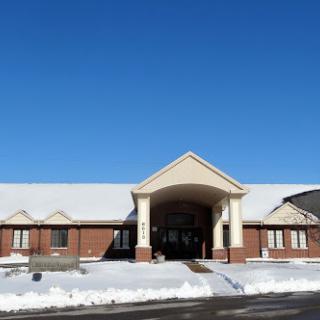




 In-Home Care Costs in 2025: A Detailed State-by-State Exploration
 Understanding Home Health Care: A Comprehensive Guide
 Home Health Care Demystified: A Comprehensive Guide for Families and Caregivers