Jefferson Healthcare Center

Save

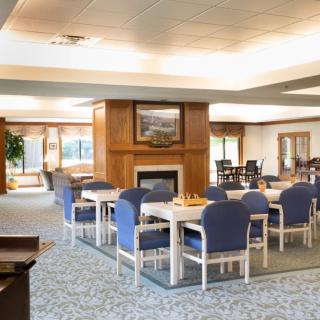
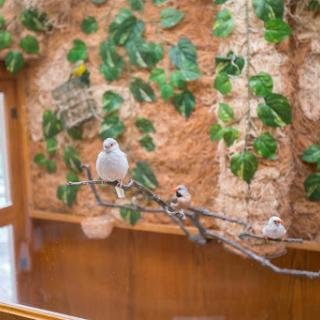
  • Interior

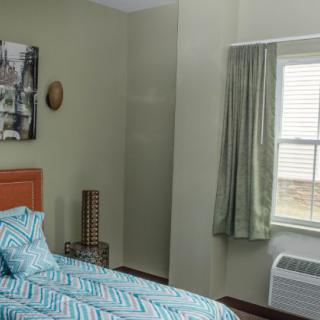
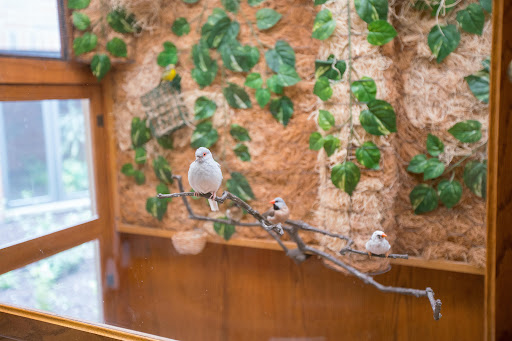
    A serene moment captured with birds perched on a branch amidst lush greenery.
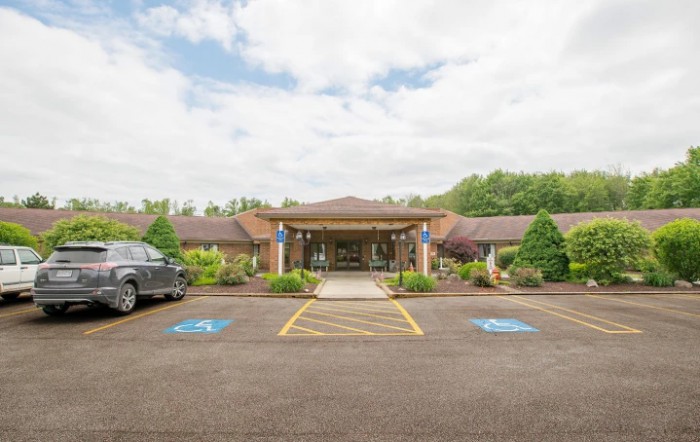
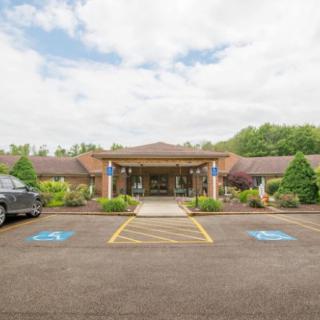
  • Building

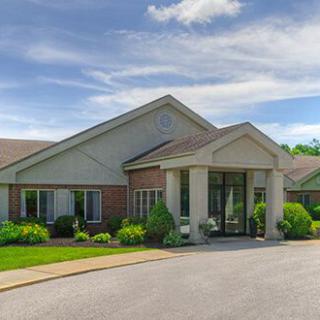
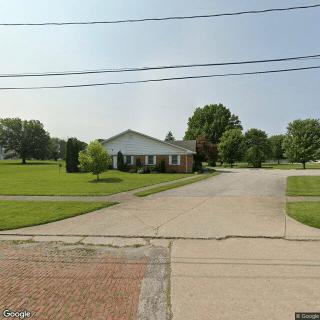
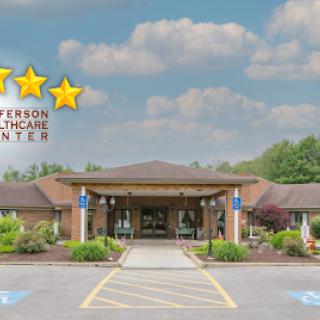
    A single-story building with a landscaped entrance and designated handicap parking spaces in front.
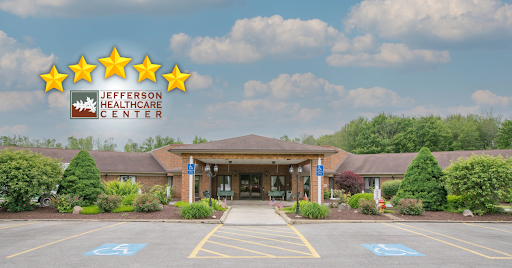
  • Landscaping

    A welcoming view of the Jefferson Rehabilitation Center, featuring beautiful landscaping and a prominent entrance.
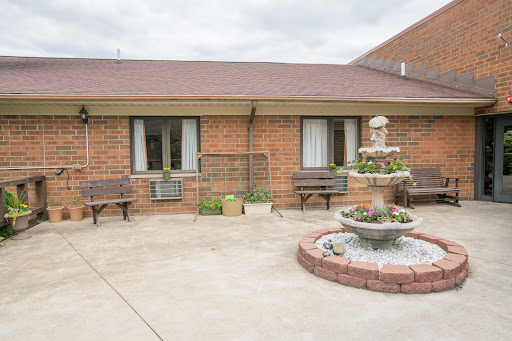
  • Outdoor

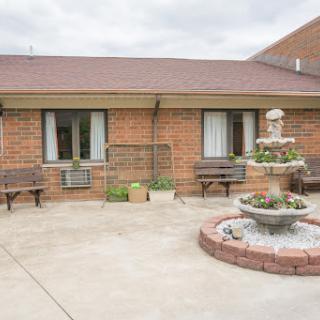
    A peaceful courtyard with a fountain and benches outside a residential brick building.
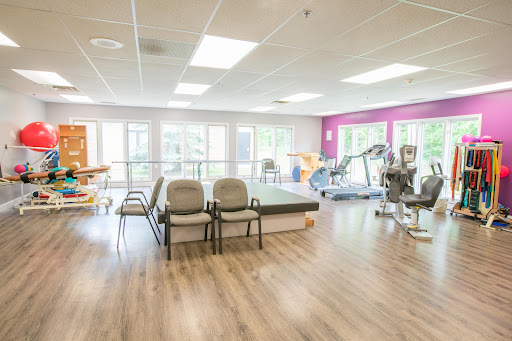
  • Exercise Equipment

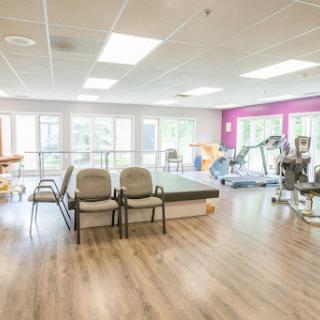
    A spacious and well-lit physical therapy facility designed for rehabilitation and exercise.
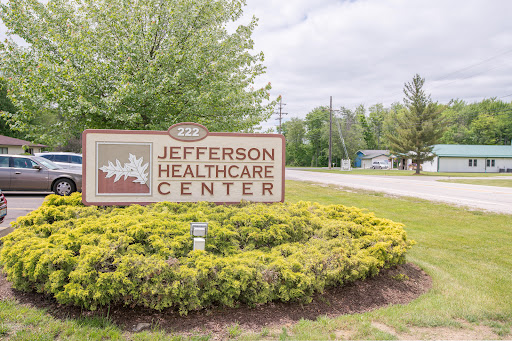
  • Healthcare

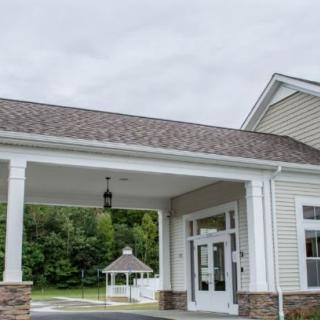
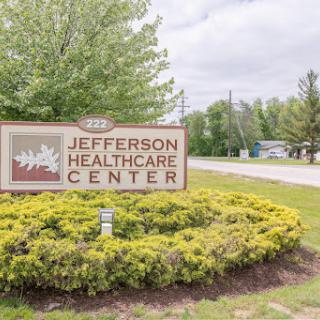
    Entrance sign for Jefferson Healthcare Center, showcasing its commitment to community health.

Jefferson Healthcare Center

222 East Beech Street, Jefferson, OH 44047

For more information about senior living options: (844) 490-3973

4.2 from 19 reviews
5 stars
15
4 stars
0
3 stars
0
2 stars
0
1 stars
4

Skilled Nursing Facility

Jefferson Healthcare Center Costs & Pricing

At Jefferson Healthcare Center, the monthly costs for care reflect a commitment to quality service, with semi-private rooms priced at $4,000, aligning with the average in Ashtabula County but slightly above the Ohio state average of $3,965. For those seeking more privacy, private rooms are available for $4,600, which is notably higher than both the county's average of $3,283 and the state average of $4,771. This pricing strategy suggests that while Jefferson Healthcare Center may be positioned at a premium for its private accommodations compared to local facilities, it remains competitive within the broader Ohio context. Overall, these rates illustrate both the regional market dynamics and the center's positioning in providing specialized care tailored to meet resident needs.

Floor plansJefferson Healthcare CenterAshtabula CountyOhio
Semi-Private$4,000$4,000$3,965
Private$4,600$3,283$4,771

Overall Review of Jefferson Healthcare Center

Pros

  • pro Staff across all departments strive to provide the best care and humane compassion for everyone.
  • pro The facility is a true team effort, with every department contributing to excellent care.
  • pro The reviewer would return for therapy there.
  • pro The building is nicely designed, with rooms offering sky or outdoor views, and the interior and entrance are clean.
  • pro The facility is clean, quiet, with good meals and available physical therapy.
  • pro The staff are kind and caring, and the environment is clean and safe.

Cons

  • pro The social worker is very rude.
  • pro It was a big mistake to place her mother there.
  • pro The facility is short-staffed.
  • pro The facility is very gross and understaffed.
  • pro The facility lies about incidents on reports.
  • pro The staff are understaffed, and no one under their care would be trusted.

Review

Over the course of three months at this facility, I've witnessed a blend of warmth, dedication, and, at times, real frustration. I'm preparing to depart on March 21, and in this final reflection I can say that, across the board, many people here are genuinely trying to deliver the best care and compassion possible. The sense I've picked up is that it takes every department and every team member working in unison to create a cohesive, caring environment. If I ever needed therapy again, this would be a place I would consider returning to, because the overall impression is that the staff strive to be patient-centered and humane, which matters greatly in a setting like this.

There is also a stark reminder that the experience is not uniform and that the pressures of care can surface in ways that are unsettling. One review highlighted a problematic dynamic: being short-staffed and, notably, a social worker who was described as rude. That perspective emphasizes how fragile good care can feel when the staffing levels aren't adequate or when interpersonal interactions fall short of the standard communities hope to uphold. It's a reminder that even a facility with many strengths can be vulnerable to moments that leave families worried and disappointed.

On a more personal note, there is a strong, positive counterpoint within the community: my granddaughter worked there and, from her experience, offered a highly favorable recommendation. That insider perspective underscores how meaningful it can be to have staff who not only perform their duties but also build trust and confidence through their commitment and presence. The emotional thread of family members who see the daily reality of care can carry a powerful affirmation of the facility's potential when staffing, training, and morale align.

The physical environment itself stands out in several ways. The building is described as pleasant and well designed, with rooms that offer a sky view or an outside view, which can make a tangible difference in mood and outlook for residents. Cleanliness is repeatedly noted, from the interior to the entrance, and even small touches like a friendly desk clerk contribute to a welcoming first impression. There's also a sense of community life around the facility - events such as a Chinese auction at the main entrance - points that suggest an attempt to create a lively, engaging atmosphere beyond the core medical care.

Beyond aesthetics, the operational reality of daily life is reflected in the practical strengths noted by visitors. The facility is described as clean, with good people and a quiet location, and it's praised for its meals and physical therapy offerings for those who need them. The overall tone in these remarks is one of steady competence and reliability in routine days, with a calm and orderly environment that supports people who may be navigating recovery or ongoing treatment.

There are additional affirmations about the kindness and care provided by the staff. The environment is repeatedly characterized as clean and safe, with a sense of genuine concern from caregivers that reinforces trust during vulnerable moments. In stories where residents found comfort and reassurance, the nursing staff are singled out as particularly empathetic and helpful, reinforcing the idea that skilled, compassionate hands make a meaningful difference in the daily lives of patients and their families.

There are also deeply positive recollections of individual experiences within the broader narrative. For instance, one grandparent's admission to Jefferson left a lasting impression of comfort and kindness from the nursing team. The memory of being well-supported, cared for, and treated with respect in a difficult time speaks to the human side of what can be achieved in a healthcare setting when staff are engaged and attentive. Such anecdotes offer a hopeful contrast to the criticisms, illustrating that excellent, patient-centered care does occur here.

Yet, not all experiences align with these favorable memories. Another account describes the facility as "very gross and understaffed," a stark contrast to the more positive stories. Even more troubling, there is a claim that the facility lies about incidents on reports, accompanied by a persistent sense of distrust due to ongoing understaffing. These assertions are serious and highlight the viewer's perception that safety, transparency, and accountability are at risk when staffing pressures and communication gaps undermine confidence in care.

Taken together, the collection of observations presents a nuanced portrait of the facility. There are clear strengths - an inviting physical environment, clean facilities, respectable meals and therapy options, and a culture of genuine kindness from many staff members - that can make a meaningful difference in people's recovery and daily well-being. There are also legitimate concerns to acknowledge: staffing challenges, experiences with perceived rudeness, and worries about reporting and incident handling. For those evaluating this facility, it's important to weigh these factors in light of personal needs, the specific department involved, and the individual care team you encounter.

Overall, this experience underscores a central truth about care environments: when many hands and hearts work together with a focus on dignity and safety, patients feel seen and supported. When gaps appear - whether through understaffing, friction in interactions, or gaps in communication - questions arise and trust can be strained. My final takeaway is that this facility holds substantial promise and many moments of genuine care, but it also bears the weight of concerns that prospective families should consider and discuss openly with the care team. If I ever needed therapy again, I would remember the positives as a foundation, while also remaining mindful of the areas where improvements are essential to ensuring consistently excellent care for every resident.

Features

Housing

  • 99 resident community capacity 99 resident community capacity

Types of Care

  • Skilled Nursing Facility Skilled Nursing FacilitySkilled Nursing Facilities are crucial for seniors as they provide round-the-clock medical care, rehabilitation services, and assistance with daily activities. These facilities ensure that seniors receive the specialized care they need to maintain their health and well-being as they age.

Amenities

  • Air-conditioning Air-conditioningAir conditioning is important for seniors as they are more vulnerable to heat-related illnesses and may have underlying health conditions that make it difficult for them to regulate their body temperature. It helps to keep them comfortable, safe, and healthy in hot weather.
  • Beauty salon Beauty salonBeauty salons are important for seniors because they provide a space for them to feel pampered, socialize, and maintain their personal grooming and hygiene. Regular visits to a beauty salon can help boost seniors' self-esteem and overall well-being.
  • Cable or satellite TV Cable or satellite TVCable or satellite TV is important for seniors because it provides entertainment, news, and companionship, helping to combat loneliness and boredom. It also offers a wide range of programming options tailored to different interests and preferences.
  • Computer center Computer centerA computer center is essential for seniors as it provides access to technology, communication tools, and resources that can enhance their daily lives. It allows them to stay connected with loved ones, engage in online activities, and learn new skills, ultimately promoting socialization and mental stimulation.
  • Dining room Dining roomDining rooms are important for seniors as they provide a space for socialization, connection, and nutritious meals. They offer opportunities for residents to bond over shared meals, foster a sense of community, and promote healthy eating habits. Dining rooms also ensure that seniors have access to well-balanced meals tailored to their dietary needs and preferences.
  • Fitness room Fitness roomHaving a fitness room in a senior living community is essential for seniors to stay active, maintain their physical health, and improve their overall well-being. Regular exercise can help prevent falls, reduce the risk of chronic diseases, and promote mental sharpness. It also provides social opportunities for residents to connect with others and enjoy a sense of community.
  • Fully furnished Fully furnishedFully furnished senior living communities are important for seniors because they provide convenience, comfort, and a hassle-free moving experience. Seniors can easily settle into their new living space without the stress of having to buy and move furniture. This allows them to focus on enjoying their new home and community.
  • Gaming room Gaming roomGaming rooms are important for seniors as they provide a fun and engaging environment for socializing, cognitive stimulation, and physical activity. Games can improve memory, problem-solving skills, and overall mental well-being while fostering friendships and reducing feelings of isolation.
  • Garden GardenGardens are important for seniors as they provide a peaceful and therapeutic environment for relaxation, physical activity, and socialization. Being in nature has been shown to reduce stress, improve mood, and promote overall well-being. Gardens also offer opportunities for seniors to engage in gardening activities, which can improve mobility, flexibility, and cognitive function. Additionally, gardens create a sense of community and connection with others who share a passion for plants and outdoor spaces.
  • Housekeeping services Housekeeping servicesHousekeeping services are important for seniors because they help maintain a clean and safe living environment, promote independence, and reduce the risk of accidents or illnesses. Additionally, having assistance with household chores can alleviate physical strain and allow seniors to focus on other aspects of their well-being.
  • Kitchenette KitchenetteKitchenettes are important for seniors living in senior living communities because they provide the convenience and independence of being able to prepare simple meals and snacks in the comfort of their own living space. This can help promote a sense of autonomy and well-being for seniors, allowing them to maintain some level of control over their dietary choices and daily routines.
  • Move-in coordination Move-in coordinationMove-in coordination is important for seniors because it helps ease the transition into their new living environment. It ensures that all logistics, such as packing, organizing movers, and setting up utilities are taken care of, allowing seniors to focus on settling in and adjusting to their new home. Having a smooth move-in process can alleviate stress and anxiety, making the transition smoother and more enjoyable for seniors.
  • Outdoor space Outdoor spaceOutdoor spaces are important for seniors as they provide opportunities for physical activity, social interaction, exposure to natural light and fresh air, and a sense of connection to nature. Having access to outdoor spaces can improve overall well-being and quality of life for older adults living in senior communities.
  • Private bathrooms Private bathroomsPrivate bathrooms are important for seniors in senior living communities because they provide independence, dignity, and comfort. Having a private bathroom allows seniors to maintain their personal hygiene routines without the need for assistance, promoting a sense of autonomy and privacy. Additionally, private bathrooms help prevent the spread of infections and provide a safe and clean environment for seniors to navigate safely.
  • Restaurant-style dining Restaurant-style diningRestaurant-style dining is important for seniors because it allows them to enjoy delicious, nutritious meals in a social and upscale setting. This enhances their dining experience, promotes healthy eating habits, and fosters socialization with fellow residents, ultimately contributing to their overall well-being and quality of life.
  • Small library Small librarySmall libraries are important for seniors as they provide access to a variety of reading materials, including books, newspapers, and magazines. This can help stimulate their minds, keep them engaged, and provide a sense of community through book clubs and other social activities. Additionally, reading has been shown to improve cognitive function and overall mental well-being in older adults.
  • Telephone TelephoneTelephones are important for seniors as they provide a lifeline for communication with loved ones, emergency services, and healthcare providers. They offer a sense of security and independence, enabling seniors to stay connected and access assistance when needed.
  • Wellness center Wellness centerWellness centers are important for seniors because they offer a variety of programs and services that promote physical, mental, and emotional well-being. These centers provide opportunities for exercise, socialization, education, and relaxation, helping seniors maintain their overall health and quality of life.
  • Wi-Fi/high-speed internet available Wi-Fi/high-speed internet availableWi-Fi/high-speed internet is important for seniors to stay connected with loved ones, access online resources, and participate in virtual activities to combat feelings of loneliness and isolation. It also allows them to easily manage healthcare needs, access entertainment, and engage in lifelong learning opportunities.

Transportation

  • Community operated transportation Community operated transportationCommunity operated transportation is crucial for seniors as it provides them with the means to access essential services, social activities, and medical appointments. It allows seniors to maintain their independence and quality of life by ensuring they can participate in activities outside of their homes. Additionally, community-operated transportation services offer a safe and reliable way for seniors to travel without having to rely on family or friends for assistance.
  • Transportation arrangement Transportation arrangementTransportation arrangements are crucial for seniors as they may face challenges with driving, mobility, or access to public transportation. Having reliable transportation services ensures that seniors can easily attend appointments, social activities, and maintain their independence and quality of life.
  • Transportation arrangement (non-medical) Transportation arrangement (non-medical)Transportation arrangements are essential for seniors as they provide access to essential services, activities, and social interactions outside the home. This service helps maintain independence, mobility, and overall well-being for seniors who may have limited transportation options.
  • Transportation to doctors appointments Transportation to doctors appointmentsTransportation to doctors appointments is crucial for seniors as it ensures they have access to necessary medical care and support, promoting their health and well-being. It allows them to receive timely treatment, monitor existing conditions, and address any new health concerns efficiently. Additionally, transportation services can help seniors maintain their independence and quality of life by enabling them to stay connected with their healthcare providers.

Care Services

  • 12-16 hour nursing 12-16 hour nursing12-16 hour nursing care is crucial for seniors in order to ensure around-the-clock monitoring, timely medication administration, and prompt response to any health concerns or emergencies. This level of care helps to promote the overall well-being and safety of seniors living in senior living communities.
  • 24-hour call system 24-hour call system24-hour call systems are important for seniors because they provide peace of mind and immediate assistance in case of emergencies. This technology ensures that help is always available, promoting safety and security for elderly individuals living alone or in assisted living facilities.
  • 24-hour supervision 24-hour supervision24-hour supervision is important for seniors to ensure their safety, well-being, and access to immediate assistance in case of emergencies or health issues. This constant support provides peace of mind for both seniors and their loved ones, allowing them to age in place with dignity and security.
  • Activities of daily living assistance Activities of daily living assistanceActivities of daily living assistance are important for seniors because they provide essential support with tasks such as eating, bathing, dressing, and mobility. This assistance helps seniors maintain their independence, dignity, and overall quality of life as they age.
  • Assistance with bathing Assistance with bathingAssistance with bathing is crucial for seniors as it helps maintain personal hygiene, prevents infections, and ensures their overall well-being and comfort. It also provides a sense of dignity and independence for seniors who may struggle with this task on their own.
  • Assistance with dressing Assistance with dressingAssistance with dressing is important for seniors because it helps maintain their independence, promotes personal hygiene, prevents accidents and injuries, and improves overall quality of life. This service ensures that seniors can continue to dress comfortably and confidently, despite any physical limitations they may have.
  • Assistance with transfers Assistance with transfersAssistance with transfers is crucial for seniors as it helps prevent falls and injuries, maintains their independence, and ensures they can safely navigate their living environment. It also provides peace of mind for both seniors and their loved ones.
  • Diabetes diet Diabetes dietA diabetes diet is crucial for seniors as it helps manage blood sugar levels, reduce risks of complications, and improve overall health and well-being. By following a balanced and nutritious diet tailored to their specific needs, seniors can better control their diabetes and enhance their quality of life.
  • Meal preparation and service Meal preparation and serviceMeal preparation and service are crucial for seniors as they may have limited mobility or energy to cook nutritious meals. Having access to healthy and convenient food options can ensure they are getting the proper nutrition needed to maintain their overall health and well-being.
  • Medication management Medication managementMedication management is crucial for seniors to ensure they are taking the right medications at the correct dosages and times. This helps prevent adverse drug interactions, reduces the risk of medication errors, and promotes overall health and well-being. Proactive management also allows for adjustments as needed based on changing health conditions or new prescriptions.
  • Mental wellness program Mental wellness programMental wellness programs are essential for seniors as they promote cognitive stimulation, emotional support, and social engagement. These programs help prevent isolation, depression, and cognitive decline, ultimately enhancing the overall quality of life for older adults.
  • Special dietary restrictions Special dietary restrictionsSpecial dietary restrictions are important for seniors because age-related changes in metabolism and health conditions can make it difficult for their bodies to process certain foods. By following a diet tailored to their specific needs, seniors can maintain their overall health and well-being, manage chronic conditions, and reduce the risk of complications such as malnutrition or food interactions with medications.

Dining

  • Diabetes diet Diabetes dietA diabetes diet is crucial for seniors as it helps manage blood sugar levels, reduce risks of complications, and improve overall health and well-being. By following a balanced and nutritious diet tailored to their specific needs, seniors can better control their diabetes and enhance their quality of life.
  • Special dietary restrictions Special dietary restrictionsSpecial dietary restrictions are important for seniors because age-related changes in metabolism and health conditions can make it difficult for their bodies to process certain foods. By following a diet tailored to their specific needs, seniors can maintain their overall health and well-being, manage chronic conditions, and reduce the risk of complications such as malnutrition or food interactions with medications.

Activities

  • Community-sponsored activities Community-sponsored activitiesCommunity-sponsored activities are important for seniors as they provide opportunities for social interaction, mental stimulation, and physical activity. These activities can help improve overall well-being, combat loneliness and isolation, and promote a sense of belonging and purpose among older adults.
  • Concierge services Concierge servicesConcierge services are essential for seniors as they provide assistance with daily tasks and errands, enhance their quality of life by offering convenience and personalized care, and promote a sense of safety and security.
  • Fitness programs Fitness programsFitness programs are crucial for seniors as they help improve strength, flexibility, balance, and overall well-being. Staying active can reduce the risk of chronic diseases, improve mental health, and enhance quality of life in older adults.
  • Planned day trips Planned day tripsPlanned day trips are important for seniors because they offer opportunities for socialization, mental stimulation, and physical activity. They provide a change of scenery and help seniors stay engaged and connected to their community, promoting overall well-being and quality of life.
  • Resident-run activities Resident-run activitiesResident-run activities are important for seniors as they encourage social interaction, creativity, and a sense of autonomy. These activities empower seniors to stay engaged and active in their community while fostering meaningful connections with their peers.
  • Scheduled daily activities Scheduled daily activitiesScheduled daily activities are important for seniors because they provide structure, socialization, mental stimulation, and physical activity. Engaging in regular activities can improve overall well-being and quality of life for seniors living in a community setting.

Description

Jefferson Healthcare Center in Jefferson, OH is a vibrant and well-equipped assisted living community that offers a wide range of amenities and care services to ensure the comfort and well-being of its residents. The center is fully furnished and provides private bathrooms for each resident, promoting personal independence and privacy.

The community features a beauty salon where residents can get pampered and maintain their personal grooming needs. They can also enjoy their favorite TV shows with cable or satellite TV in the comfort of their own rooms. Jefferson Healthcare Center offers community-operated transportation for non-medical purposes as well as transportation arrangements for doctors' appointments, ensuring that residents have easy access to essential services.

Residents can stay connected with friends and family through the computer center and Wi-Fi/high-speed internet, allowing them to browse the web or communicate online effortlessly. The dining room offers restaurant-style dining with special dietary restrictions catered to, ensuring that residents receive nutritious meals tailored to their individual needs. Additionally, there is a kitchenette available for those who prefer to prepare their own meals.

The center understands the importance of physical activity for overall wellness and provides a fitness room for residents to engage in exercise programs. A gaming room and small library are also available for recreation and entertainment purposes.

Jefferson Healthcare Center offers various care services such as assistance with activities of daily living like bathing, dressing, and transfers. There is 24-hour supervision with a call system in place to meet any emergency needs promptly. Medication management ensures that residents adhere to their prescribed medication schedule while maintaining mental health through specialized wellness programs.

Residents can take part in scheduled daily activities organized by the community or participate in resident-run activities where they have an opportunity to socialize with fellow residents. Planned day trips offer exciting opportunities for exploration outside the community.

With three pharmacies, two physicians, and five restaurants nearby, Jefferson Healthcare Center ensures convenient access to essential services outside the community.

Overall, Jefferson Healthcare Center offers a comfortable living environment, attentive care services, and a wide array of amenities to support the well-being and independence of its residents.

Videos

Nearby Places of Interest

Physicians

  • Ashtabula County Medical Center (0.6 miles)
  • Acmc Family Health Center (0.6 miles)
  • Shawnee Optical (8.8 miles)
  • Mirando William S Md (9.1 miles)
  • University Hospital (9.4 miles)
  • Ashtabula Obstetrics & Gynecology (9.4 miles)
  • Ashtabula Clinic (9.5 miles)

Pharmacies

  • Rite Aid (0.6 miles)
  • Discount Drug Mart (0.9 miles)
  • Bi Lo (1.1 miles)
  • Rite Aid (8.4 miles)
  • Walgreens (8.7 miles)
  • CVS Pharmacy (9 miles)
  • Discount Drug Mart (9.1 miles)

Restaurants

  • Pueblo Real (0.6 miles)
  • McDonald's (0.7 miles)
  • Deli In The Rye (0.8 miles)
  • Hardee's (0.9 miles)
  • Dairy Delight (1.2 miles)
  • Clay Street Grill (5.6 miles)
  • Taco Bell (5.7 miles)

Parks

  • Western Reserve Greenway Trail (5.2 miles)
  • Cederquist Park (9.1 miles)
  • Smith Field Dog Park (9.7 miles)
  • Geneva Parks & Recreation (10.6 miles)

Places of Worship

  • Milligan Thomas & Alliston Rev (5.5 miles)
  • Eagleville Bible Church (6 miles)
  • Plymouth United Methodist Church (6.3 miles)
  • Saint Andrews Catholic Church (7.4 miles)
  • Church Of The Living God (7.5 miles)
  • New Hope Pentecostal Church (7.7 miles)
  • Friends In Christ Bible Fellowship (7.7 miles)

Hospitals

  • Glenbeigh (7.3 miles)
  • Patient Financials Office (9.5 miles)
  • Acmc Express Care (9.5 miles)
  • The Regional Cancer Center (9.6 miles)
  • University Hospitals Conneaut (9.7 miles)
  • Acmc (9.7 miles)

Transportation

  • Enterprise Rent-A-Car (8.9 miles)
  • Enterprise Rent-A-Car (9.1 miles)
  • U-Haul Neighborhood Dealer (9.8 miles)
  • U-Haul Neighborhood Dealer (10.4 miles)

Theaters

  • AMC CLASSIC Ashtabula Mall 6 (9.5 miles)
  • AMC Ashtabula Mall (9.5 miles)

Frequently Asked Questions

How much does it cost to live at Jefferson Healthcare Center in Jefferson, OH?
Where is Jefferson Healthcare Center?
What photos are available for Jefferson Healthcare Center in Jefferson, Ohio?

Nearby Communities

Related Resources

  • elderly blood pressure chartComprehensive Look at Senior Blood Pressure Charts: Normal and Elevated Levels by Age

    The overview of blood pressure management for seniors emphasizes the importance of monitoring and interpreting blood pressure readings, noting that normal ranges can vary due to age-related factors and individual health conditions. It highlights tailored guidelines for systolic and diastolic levels, the necessity of early detection and consistent management to prevent serious health complications, and advocates for personalized care strategies that incorporate lifestyle changes and medication adherence.

  • best dog for seniorsTop Canine Companions for Older Adults

    Dogs can greatly improve the lives of older adults by offering emotional support and encouraging physical activity, with factors such as size, temperament, and grooming needs being crucial in selecting a suitable breed. Senior dogs often make ideal companions for this demographic, promoting social connections and requiring care routines that align with seniors' capabilities.

  • elderly blood pressure chartComprehensive Guide to Blood Pressure Charts for Older Adults: Understanding Normal and High Readings by Age
    The guide on blood pressure charts for older adults stresses the importance of understanding normal and high blood pressure readings influenced by age, genetics, and lifestyle, while emphasizing regular monitoring and lifestyle modifications to prevent serious health issues. It provides insights into blood pressure categories, dietary recommendations, medication considerations, and the role of caregivers in supporting healthy habits.