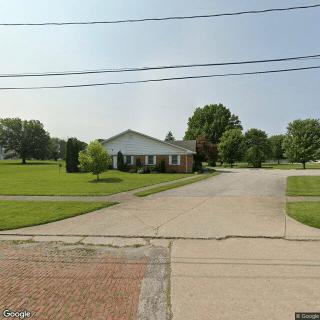
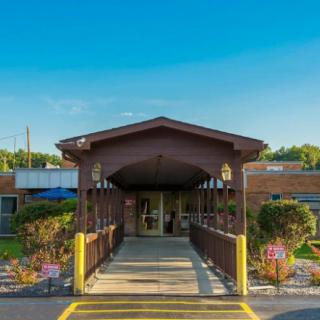
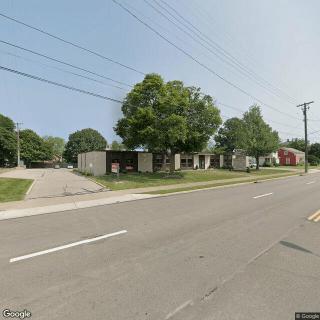
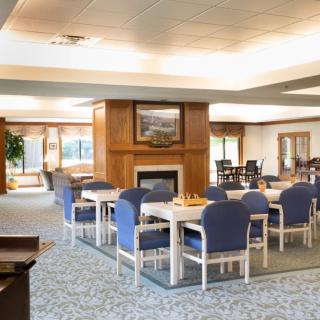
Lantern of Saybrook in Ashtabula, OH

Save

Lantern of Saybrook in Ashtabula, OH

3720 N Ridge Rd W, Ashtabula, OH 44004

For more information about senior living options: (844) 490-3973

4.4 from 54 reviews
5 stars
44
4 stars
3
3 stars
0
2 stars
0
1 stars
7

Assisted Living Memory Care

Lantern of Saybrook Costs & Pricing

Lantern of Saybrook offers studio accommodations at a competitive rate of $4,050 per month. This pricing is notably higher than the average costs in Ashtabula County, which stands at $3,283, and also exceeds the state average for Ohio, currently at $3,727. While Lantern of Saybrook's rates are elevated compared to its regional and state counterparts, this premium may reflect the quality of care and services provided within their facilities. Families considering this option should weigh the value of these offerings against local market averages to make an informed decision.

Floor plansLantern of SaybrookAshtabula CountyOhio
Studio$4,050$3,283$3,727

Overall Review of Lantern of Saybrook

Pros

  • pro The Lantern of Saybrook staff are caring and genuinely motivated to help, a rare find in healthcare today.
  • pro The staff are friendly, down to earth, and provide great communication throughout the process.
  • pro The team makes visitors feel like they've known them for years, creating a welcoming atmosphere.
  • pro Families feel at ease knowing their loved ones are in good-hearted hands.
  • pro The facility is spotless, well-maintained, and welcoming to residents.
  • pro The programs and activities keep residents engaged and give them a sense of purpose.
  • pro The care teams treat residents with utmost respect and concern, going above and beyond.
  • pro The Lantern lifestyle is exemplary and should be a standard for assisted living.

Cons

  • pro The reviewer noted that it seemed to be one issue after another, with staff unable to balance all the needs.
  • pro The facility was without Wi-Fi for several weeks and could not figure out how to resolve it.
  • pro Meals were not served at meal times, there was never a menu, call lights went unanswered, and doctor orders for care were not followed or communicated.
  • pro Refunds were delayed for months, causing frustration with the administration.
  • pro The reviewer felt the Lantern worsened a sad time and described it as a gigantic pain in the rear end.
  • pro The place was described as understaffed and not a nursing home, with care deemed inadequate.
  • pro Pills were found on the floor, laundry was an issue, and the dining area was filthy; the reviewer would not recommend the community.
  • pro Aides were overextended, performing housekeeping, activities, and meals in addition to caregiving.
  • pro There was a lack of communication from staff.
  • pro Residents were reportedly locked in a dark room with no windows.
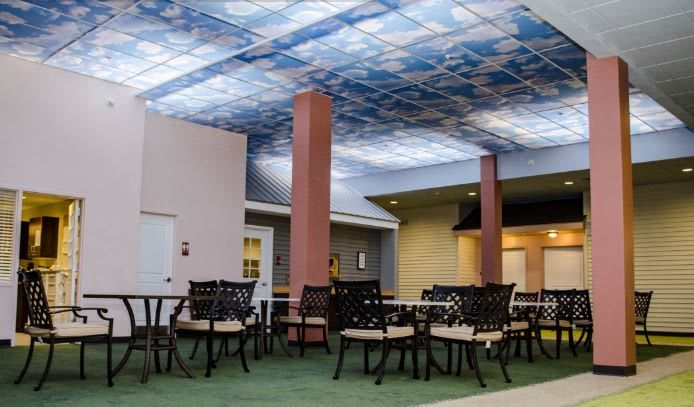
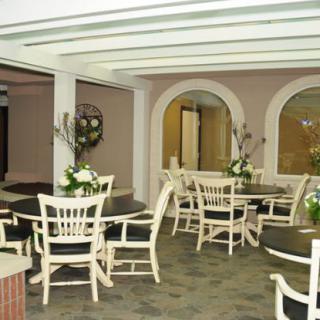
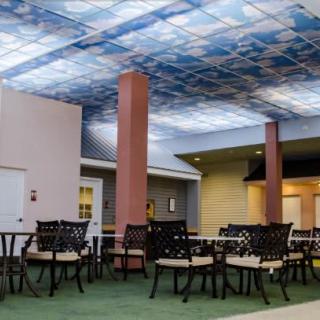
  • pro Residents were not let outside as often as they should be, and the dining room lacked natural light.

Review

Lantern of Saybrook is best suited for families seeking a warm, culture-forward assisted living that emphasizes daily life as a collaborative, family-like experience. This community excels for seniors who value meaningful interaction, purposeful activities, and access to attentive, personable staff who treat residents with genuine kindness. It is especially fitting for individuals who want strong social programming, a clean and welcoming environment, and memory-care capable teams that approach cognitive decline with patience and respect. Those who prioritize a flawless, always-on medical safety net or require hospital-level nursing oversight should consider alternatives that promise tighter clinical coordination and higher staffing ratios.

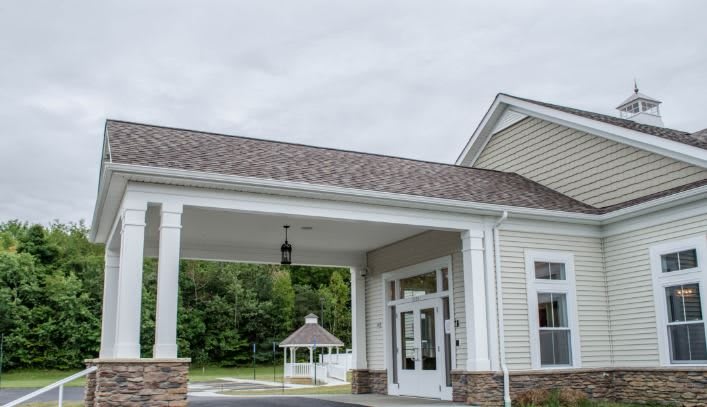
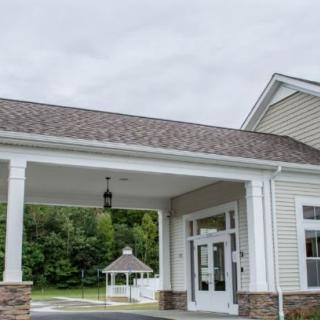
The array of strengths here is substantive. The building itself presents as a bright, well-kept, inviting space, with staff repeatedly described as compassionate and motivated by the right motives. Families praise caregivers who know residents by name, staff who communicate with warmth, and leadership teams perceived as invested in each resident's well-being. Programs and dining receive frequent praise for engagement and quality, while many reviews highlight daily updates and a sense that residents are treated like family. The facility's memory-care competence is repeatedly cited as a meaningful asset, with staff recognized as patient, knowledgeable, and dedicated to residents who need extra support.

Despite the overwhelming goodwill, several recurring drawbacks temper the otherwise positive picture. Staffing pressures surface in multiple reviews, with families noting that aides juggle multiple responsibilities - care, housekeeping, dining service, and activity facilitation - which can dilute time and attention for individual residents. There are legitimate lapses in operational flow cited by some families, including intermittent call-light responsiveness, meals occasionally not aligning with posted schedules, and occasional gaps in following physician orders or relaying critical information. On the tech and logistics side, prolonged Wi-Fi outages and occasional administrative delays - particularly around refunds or billing - have left some families frustrated and questioning consistency in operations.

Those pros and cons are not simply a ledger but a lived balance. The community's strong culture and authentic care often offset operational rough edges by delivering steady emotional support, trust, and real day-to-day connection for residents and their families. When the care team is on the floor and communicating well, the sense of security and belonging becomes palpable, making the occasional service hiccup easier to overlook. Families report that staff's dedication, transparency in care updates, and "above-and-beyond" moments frequently restore confidence after a rough patch, especially for residents who thrive on routine, social stimulation, and the reassurance of a familiar, friendly staff.

For families weighing alternatives, the primary red flags are clear: a need for constant, hospital-grade medical management, or a demand for consistently seamless communication and financial processes. If the loved one requires near-constant nursing oversight, has complex medical orders that demand immediate execution, or if prior experiences with understaffing or opaque billing are non-starters, broader market options may deliver greater peace of mind. Some reviewers also point to a darker note - questions about staffing levels impacting dining atmosphere and outdoor access or natural light - that could steer families toward facilities with stronger daytime lighting, more robust medical teams, or more predictable dining logistics.

Practical next steps solidify a confident decision: request a candid meeting with leadership and the head of care to review staffing ratios, care coordination protocols, and how call lights are monitored across shifts; insist on meeting directly with the care team assigned to your loved one; ask to observe a mealtime and a activity period to gauge flow and engagement; probe the memory-care program's staffing and training standards; and verify the process for billing, refunds, and how disruptions are handled in practice. Lantern of Saybrook remains a compelling choice for many families in the area, offering a genuine, caring culture, strong resident satisfaction, and a track record of meaningful engagement - provided expectations are clearly aligned and diligence is exercised in evaluating operational reliability.

Features

Types of Care

  • Assisted Living Assisted LivingAssisted living facilities provide crucial support and care for seniors who may need help with daily tasks such as medication management, bathing, and meal preparation. These communities offer a safe and comfortable environment where seniors can maintain their independence while receiving the assistance they need to thrive in their golden years.
  • Memory Care Memory CareMemory care is crucial for seniors as it provides specialized support and services for individuals with dementia or Alzheimer's disease. These programs offer a safe and secure environment where residents receive personalized care, cognitive stimulation, and help with daily activities. Memory care helps seniors maintain their independence, quality of life, and dignity while also providing peace of mind for their families.

Pets

  • Cats allowed Cats allowed"Pet friendly" senior living communities are important for seniors because pets provide companionship, reduce feelings of loneliness and depression, promote physical activity and mental stimulation, and offer a sense of purpose and responsibility. Pets can improve overall well-being and quality of life for seniors in many ways.
  • Dogs allowed Dogs allowed"Pet friendly" senior living communities are important for seniors because pets provide companionship, reduce feelings of loneliness and depression, promote physical activity and mental stimulation, and offer a sense of purpose and responsibility. Pets can improve overall well-being and quality of life for seniors in many ways.

Amenities

  • Activities off-site Activities off-siteEngaging in off-site activities is crucial for seniors to maintain social connections, stay active, and stimulate their minds. It promotes overall well-being and helps combat feelings of isolation and loneliness.
  • Activities on-site Activities on-siteActivities on-site are important for seniors because they provide opportunities for socialization, mental stimulation, physical activity, and overall well-being. Engaging in activities can help seniors stay active, maintain their independence, and improve their quality of life.
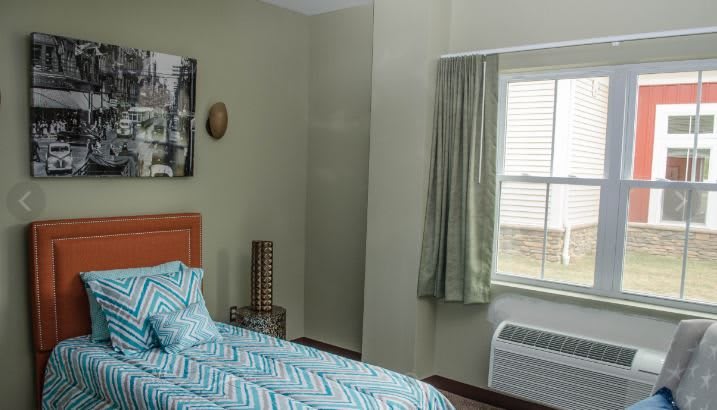
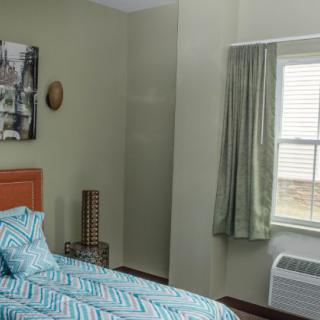
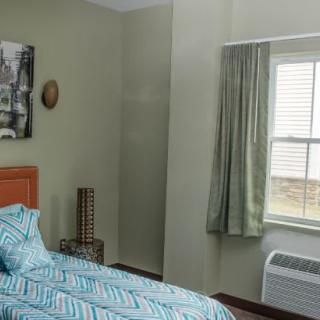
  • Air-conditioning Air-conditioningAir conditioning is important for seniors as they are more vulnerable to heat-related illnesses and may have underlying health conditions that make it difficult for them to regulate their body temperature. It helps to keep them comfortable, safe, and healthy in hot weather.
  • Beautician on-site Beautician on-siteHaving a beautician on-site at a senior living community is important for seniors as it allows them to easily access grooming and personal care services, boosting their self-esteem and overall well-being. It also provides convenience and helps seniors maintain their sense of independence and personal style.
  • Cable or satellite TV Cable or satellite TVCable or satellite TV is important for seniors because it provides entertainment, news, and companionship, helping to combat loneliness and boredom. It also offers a wide range of programming options tailored to different interests and preferences.
  • Devotional services off-site Devotional services off-siteDevotional services off-site are important for seniors as they provide spiritual nourishment, social engagement, and a sense of community outside of the senior living facility. This can enhance overall well-being and help combat feelings of isolation and loneliness often experienced by older adults.
  • Devotional services on-site Devotional services on-siteDevotional services on-site provide seniors with spiritual support and a sense of community, as well as an opportunity for reflection and guidance during their senior living experience. This can promote emotional well-being and connection to others, leading to a more fulfilling and enriching lifestyle in their later years.
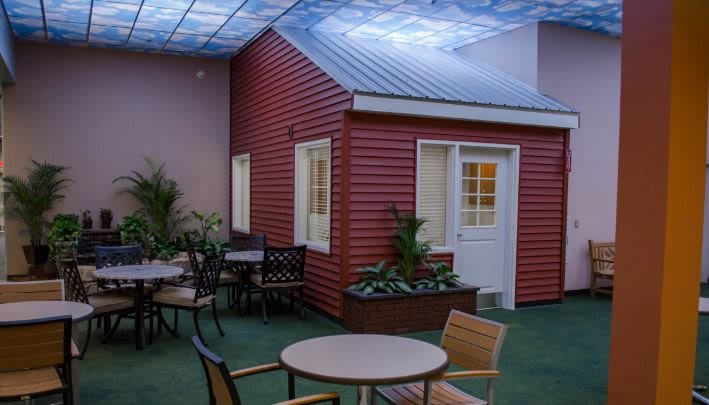
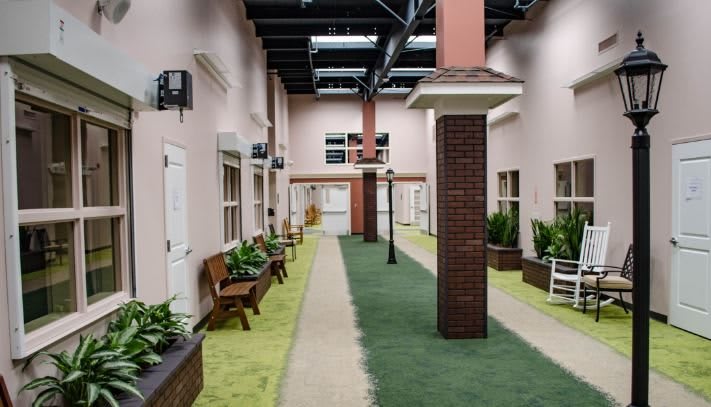
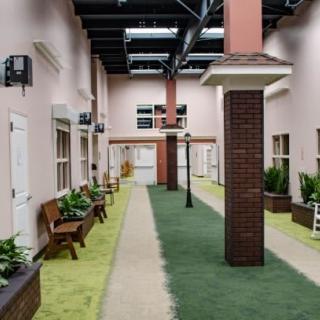
  • Indoor common areas Indoor common areasIndoor common areas are crucial for seniors as they provide a space for socialization, recreation, and community engagement, promoting overall well-being and reducing feelings of isolation and loneliness.
  • Kitchenette KitchenetteKitchenettes are important for seniors living in senior living communities because they provide the convenience and independence of being able to prepare simple meals and snacks in the comfort of their own living space. This can help promote a sense of autonomy and well-being for seniors, allowing them to maintain some level of control over their dietary choices and daily routines.
  • Outdoor common areas Outdoor common areasOutdoor common areas are important for seniors as they provide a space for socialization, physical activity, and relaxation. Being outside in nature can improve mood and overall well-being, while also encouraging movement and engagement with others. These spaces can help combat feelings of isolation and promote a sense of community among residents.
  • Respite or short term stays offered Respite or short term stays offeredRespite or short term stays provide seniors with a temporary solution when their regular caregiver is unavailable, offering them the opportunity to receive additional care and support during times of need, while also giving caregivers a chance to rest and recharge.
  • Wheelchair accessible showers Wheelchair accessible showersWheelchair accessible showers are crucial for seniors as they provide a safe and independent bathing option for those with mobility challenges. These showers help prevent falls and allow seniors to maintain their dignity and autonomy while ensuring they can bathe comfortably.
  • Wi-Fi/high-speed internet available Wi-Fi/high-speed internet availableWi-Fi/high-speed internet is important for seniors to stay connected with loved ones, access online resources, and participate in virtual activities to combat feelings of loneliness and isolation. It also allows them to easily manage healthcare needs, access entertainment, and engage in lifelong learning opportunities.

Care Services

  • Diabetic care Diabetic careDiabetic care is crucial for seniors as they are more susceptible to developing diabetes due to aging and other health conditions. Proper management of diabetes can help prevent complications such as heart disease, vision loss, and nerve damage, improving the overall quality of life for seniors in senior living communities.
  • Incontinence care Incontinence careIncontinence care is essential for seniors to maintain their dignity, hygiene, and overall quality of life. By addressing incontinence issues promptly and effectively, seniors can enjoy a sense of independence and comfort in their daily activities.
  • Medication management Medication managementMedication management is crucial for seniors to ensure they are taking the right medications at the correct dosages and times. This helps prevent adverse drug interactions, reduces the risk of medication errors, and promotes overall health and well-being. Proactive management also allows for adjustments as needed based on changing health conditions or new prescriptions.

Dining

  • Anytime dining Anytime diningAnytime dining is important for seniors because it allows them the flexibility to eat when they are hungry, rather than being restricted to set meal times. This can be especially beneficial for those with medical conditions or medications that affect their appetite, as well as those who may have difficulty adhering to a strict dining schedule. Overall, anytime dining promotes independence and overall well-being for seniors in senior living communities.
  • Guest meals Guest mealsGuest meals are important for seniors living in senior living communities because they provide an opportunity for socialization and companionship. Sharing a meal with friends, family, or new acquaintances can help combat feelings of loneliness and isolation, promote a sense of community, and enhance overall well-being. Additionally, guest meals allow seniors to enjoy delicious food in a comfortable setting without the hassle of cooking or cleaning up, making dining a pleasurable and stress-free experience.
  • Low / no sodium Low / no sodiumLow/no sodium options are important for seniors because excessive sodium intake can lead to high blood pressure, heart disease, and other health issues commonly experienced by older adults. By choosing low/no sodium foods, seniors can better manage their health and reduce their risk of developing these conditions.
  • Meals provided Meals provided"Meals provided" are crucial for seniors in assisted living communities as it ensures they have access to nutritious, balanced meals without the stress of meal planning and preparation. This can help promote overall health and well-being for seniors who may have limited mobility or cognitive abilities.
  • No Sugar No SugarNo sugar diets are important for seniors because they can help prevent or manage chronic conditions such as diabetes, heart disease, and obesity. Sugar can also contribute to cognitive decline and inflammation in the body, so reducing sugar intake can lead to overall improved health and well-being in older adults.
  • Restaurant style dining Restaurant style diningRestaurant style dining is important for seniors as it offers them a social and enjoyable dining experience, promotes healthy eating habits, and provides personalized menu options to cater to their dietary needs and preferences. This type of dining setting can enhance their overall quality of life and create a sense of community within the senior living facility.
  • Room service Room serviceRoom service is important for seniors in a senior living community because it provides convenience and allows them to have their meals delivered directly to their room. This can be especially beneficial for seniors who may have mobility issues or difficulty accessing the dining area. Room service ensures that seniors are able to receive nutritious meals without having to navigate through the facility, allowing them to maintain their independence and overall well-being.
  • Special dining programs Special dining programsSpecial dining programs are important for seniors because they provide nutritious meals tailored to their dietary needs and preferences. These programs also offer socialization opportunities, promote overall health and well-being, and can help prevent malnutrition.
  • Vegan VeganVegan diets can provide numerous health benefits for seniors, including lower risk of chronic diseases, improved digestion, and increased energy levels. Additionally, plant-based diets are often rich in essential nutrients that can support overall well-being and longevity in older adults.

Activities

  • Art classes Art classesArt classes are important for seniors because they provide a creative outlet, improve cognitive function, reduce stress and anxiety, promote socialization, and enhance overall well-being and quality of life.
  • Catholic services Catholic servicesCatholic services are important for seniors because they provide spiritual support, a sense of community, and opportunities for social interaction that can enhance overall well-being and quality of life in their later years.
  • Day trips and outings Day trips and outingsDay trips and outings are important for seniors as they provide opportunities for socialization, mental stimulation, physical activity, and a break from daily routines. These experiences can enhance overall well-being and quality of life for older adults living in senior communities.
  • Devotional activities offsite Devotional activities offsiteDevotional activities offsite are important for seniors because they provide social engagement, spiritual growth, and a sense of community outside of their living environment. This can improve overall well-being, mental health, and combat feelings of isolation or loneliness.
  • Devotional activities on-site Devotional activities on-siteDevotional activities on-site provide seniors with a sense of community, spiritual fulfillment, and emotional support, promoting overall well-being and a positive sense of purpose in their lives.
  • Educational speakers / life long learning Educational speakers / life long learningEducational speakers and lifelong learning opportunities are crucial for seniors as they provide mental stimulation, promote social engagement, and contribute to overall well-being. Continuous learning helps seniors stay mentally sharp, build new skills, and maintain a sense of purpose and fulfillment in their lives. It also allows them to stay connected to the world around them and fosters a sense of community within senior living facilities.
  • Happy hour Happy hourHappy hour is important for seniors as it provides a social activity that promotes camaraderie and reduces feelings of loneliness or isolation. It also offers an opportunity for older adults to relax, unwind, and enjoy some drinks or snacks in a fun and welcoming atmosphere.
  • Live well programs Live well programs"Live well programs are essential for seniors as they provide opportunities for physical activity, social engagement, and mental stimulation, ultimately promoting overall health and well-being in later years."
  • Other religious services Other religious servicesOther religious services are important for seniors as they provide a sense of community, spiritual comfort, and opportunities for socializing. These services can help seniors feel connected to their faith and maintain a sense of purpose and belonging in their later years.
  • Visiting chaplain or priest Visiting chaplain or priestHaving a visiting chaplain or priest at a senior living community is important for seniors because it provides spiritual support, comfort, and guidance during a time of life that can be challenging and uncertain. Their presence can help seniors feel connected to their faith, find peace of mind, and cope with the emotional and mental struggles they may face in their later years.
  • Wine tasting Wine tastingWine tasting can be a fun and social activity for seniors, allowing them to engage their senses, learn about different varieties of wine, and potentially meet new friends. It also offers health benefits such as improved cognitive function and reduced risk of heart disease when consumed in moderation.

Description

Lantern of Saybrook in Ashtabula, OH is a Memory Care assisted living community that provides exceptional care and amenities for individuals with memory impairments. The community offers a variety of activities on-site to promote engagement and socialization among residents. Each apartment is equipped with air-conditioning for ultimate comfort.

In addition to the comfortable living spaces, Lantern of Saybrook features an on-site beautician for personal grooming needs. Residents can enjoy their favorite shows and programs with cable or satellite TV in their apartments. Devotional services are available both on-site and off-site for those seeking spiritual support.

The indoor common areas provide a welcoming environment where residents can socialize and participate in group activities. A kitchenette is available for residents' convenience, allowing them to prepare light snacks or beverages. The outdoor common areas offer opportunities for fresh air, relaxation, and outdoor activities.

For individuals in need of temporary care, respite or short-term stays are offered at Lantern of Saybrook. The community ensures the safety and comfort of all residents by providing wheelchair-accessible showers. Wi-Fi/high-speed internet connection allows residents to stay connected with loved ones virtually.

Care services at Lantern of Saybrook include specialized incontinence care and medication management to meet the unique needs of memory care residents. Dining options cater to various dietary restrictions including low/no sodium, no sugar, and vegan meals. Guests are welcome to join residents for meals which are served in a restaurant-style dining setting or through room service. Special dining programs are designed to enhance the dining experience.

Residents can look forward to a vibrant activity calendar that includes Catholic services, day trips, devotional activities both on-site and off-site, educational speakers/ lifelong learning opportunities, happy hour gatherings, live well programs promoting wellness, wine tasting events, and other religious services facilitated by visiting chaplains or priests.

Located conveniently near parks, pharmacies, physicians' offices, restaurants, transportation options, places of worship, theaters, and hospitals, Lantern of Saybrook offers residents access to various amenities and a vibrant community life.

Nearby Places of Interest

This part of Ashtabula, Ohio offers a variety of amenities for senior living. There are several places of worship within a few miles, providing options for spiritual fulfillment. Pharmacies are conveniently located nearby for easy access to medications and healthcare needs. A range of dining options are available, from casual fast food to finer dining experiences. Nearby parks offer opportunities for outdoor recreation and exercise, while local hospitals and medical centers provide access to quality healthcare services. Transportation options such as car rentals and U-Haul services make getting around town easy. Additionally, there is a movie theater in close proximity for entertainment options. Overall, this area provides a mix of essential services and recreational activities that may appeal to seniors looking for a comfortable and convenient living environment.

Places of Worship

  • Church Of The Living God (2 miles)
  • New Hope Pentecostal Church (2 miles)
  • Friends In Christ Bible Fellowship (2.3 miles)
  • Harvest International Church (2.4 miles)
  • Lighthouse Baptist Church (2.5 miles)
  • Elim Christian Center (2.6 miles)
  • G O Ministry (2.8 miles)

Pharmacies

  • Rite Aid (2.2 miles)
  • Hoffman's Pharmacy (2.9 miles)
  • Hoffmans Pharmacy (3 miles)
  • Walgreens (3.1 miles)
  • Rite Aid (3.1 miles)
  • CVS Pharmacy (3.7 miles)
  • Discount Drug Mart (4.5 miles)

Restaurants

  • Martinis Restaurant & Lounge (2.9 miles)
  • McDonald's (3.5 miles)
  • Lakeway Restaurant (3.6 miles)
  • Mr. Hero (3.8 miles)
  • Cloven Hoof Brewing (4 miles)
  • Walnut Beach Park (4.1 miles)
  • Rennick Meat Market (4.1 miles)

Physicians

  • Ashtabula Clinic (3 miles)
  • Ashtabula Pediatrics Assoc (3 miles)
  • Doc Pirate’s office (3 miles)
  • Ashtabula Obstetrics & Gynecology (3 miles)
  • University Hospital (3 miles)
  • Malhotra Ritu MD (3.1 miles)
  • Ashtabula County Medical Center of Ashtabula Count (3.1 miles)

Parks

  • Smith Field Dog Park (3 miles)
  • Cederquist Park (3.3 miles)
  • Geneva Township Park (5.1 miles)
  • Western Reserve Greenway Trail (5.2 miles)
  • Geneva Parks & Recreation (6.4 miles)

Hospitals

  • Patient Financials Office (3 miles)
  • University Hospitals Conneaut (3 miles)
  • Acmc (3.1 miles)
  • Acmc Express Care (3.1 miles)
  • The Regional Cancer Center (3.1 miles)
  • UH Geneva Medical Center (7.3 miles)
  • Uhhs Memorial Hospital Of Geneva (7.4 miles)

Transportation

  • U-Haul Neighborhood Dealer (3.5 miles)
  • Enterprise Rent-A-Car (3.5 miles)
  • Enterprise Rent-A-Car (4.3 miles)
  • U-Haul Neighborhood Dealer (7.9 miles)

Theaters

  • AMC CLASSIC Ashtabula Mall 6 (4.8 miles)
  • AMC Ashtabula Mall (5.2 miles)

Frequently Asked Questions

How much does it cost to live at Lantern of Saybrook in Ashtabula, OH?
Where is Lantern of Saybrook?
Does Lantern of Saybrook provide care for residents with dementia or Alzheimer's disease?
Does Lantern of Saybrook allow residents to have pets?
What photos are available for Lantern of Saybrook in Ashtabula, Ohio?

Nearby Communities

  • Lantern Of Saybrook

    Lantern Of Saybrook

    Ashtabula, OH

    4 from 19 reviews
     

    pro Attentive staff in a clean, inviting memory-care-focused environment with strong amenities.


  • Saybrook Landing

    Saybrook Landing

    Ashtabula, OH

    4.2 from 33 reviews
     

    pro Pleasant, attentive staff; clean, attractive facility with engaging activities and private suites.

  • Share-A-Home

    Share-A-Home

    Ashtabula, OH

    5 from 2 reviews
     

    pro Convenient access to healthcare, dining, transportation, and cultural amenities; serene neighborhood with parks nearby.

  • Serenity Suites Assisted Living

    Serenity Suites Assisted Living

    Ashtabula, OH

    4.6 from 9 reviews
    $2,950 to $3,200 / month

    pro Homelike atmosphere with compassionate staff and clean, well-regarded dining.

  • Carington Park

    Carington Park

    Ashtabula, OH


    pro Extensive amenities and 24/7 care support.

  • Comfort Keepers

    Comfort Keepers

    Ashtabula, OH

    5 from 3 reviews
     

    pro Helpful, friendly staff with seamless care setup and ongoing communication.

  • Geneva Shores Nursing And Rehab

    Geneva Shores Nursing And Rehab

    Geneva, OH


    pro Small 41-bed facility with 24/7 supervision, ADL assistance, medication management and mental wellness programs.

  • Villa At the Lake

    Villa At the Lake

    Conneaut, OH

    4.9 from 70 reviews
    $2,850 / month

    pro Compassionate, dedicated staff delivering attentive, personalized care in a clean, spacious environment with strong leadership.

  • Concord Village Skilled Nursing & Rehabilitation

    Concord Village Skilled Nursing & Rehabilitation

    Concord, OH

    2.8 from 73 reviews
     

    pro Attentive nursing staff with good family communication.

Related Resources

  • when to move from assisted living to nursing home8 Key Indicators That Suggest It May Be Time to Transition from Assisted Living to Skilled Nursing Care

    The transition from assisted living to skilled nursing care is often prompted by complex medical needs that assisted living cannot meet, with key indicators including frequent health declines, increased falls, severe memory issues, and caregiver burnout. Families should recognize these signs early to discuss options with healthcare providers and prepare for the emotional and logistical aspects of moving to a facility that offers comprehensive medical support.

  • best foods for dementia patients to eatNourishing the Mind: Essential Dietary Approaches for Dementia

    Dementia is characterized by cognitive decline, with nutrition playing a vital role in brain health; while no specific diet can prevent or reverse it, a nutrient-dense diet rich in antioxidants and healthy fats may support cognitive function. The MIND diet, which emphasizes beneficial foods and limits processed items, along with proper hydration and individualized meal strategies, can enhance the well-being of dementia patients.

  • dementia behaviorsUnderstanding Dementia Behaviors: Practical Insights and Strategies for Caregivers
    Dementia affects memory and cognitive function in older adults, presenting challenges for caregivers due to behavioral changes such as confusion and mood swings. Compassionate, person-centered care that considers individual history and preferences, along with effective communication and environmental modifications, is essential for supporting both patients and their caregivers.