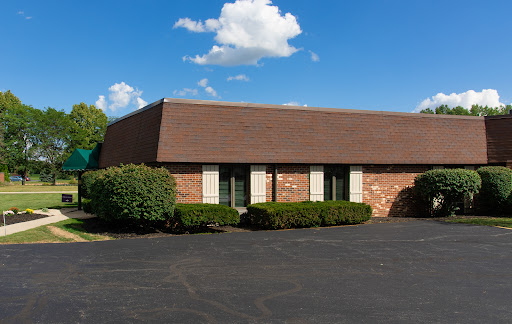
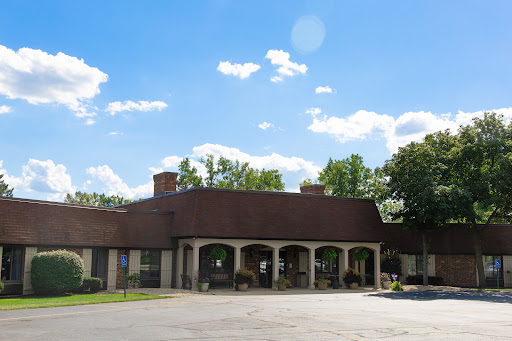
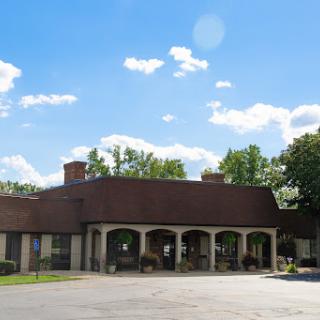
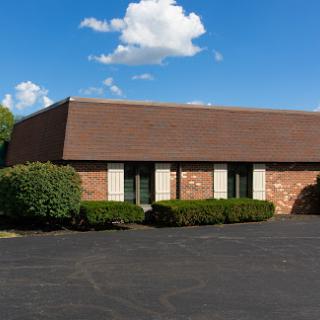
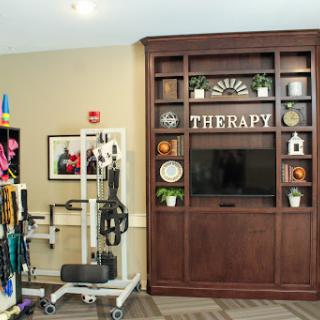
2101 Greendale Boulevard, Findlay, OH 45840
For more information about senior living options: (866) 208-4318
Overall Review of St Catherine'S Manor Of Findlay
Pros
 The staff at The Manor at Greendale are excellent and attentive.
- Residents are kept busy with engaging activities.
- The staff treat residents with kindness, care, and respect.
- The team works well together, with many long-tenured staff, ensuring consistent care.
- The courtyard and resident cats provide a warm, engaging environment for memory care residents.
- Families feel at ease knowing their loved ones are happy and well cared for.
- The facility offers caring, professional service and is well trained to meet residents’ needs.
- The staff are personable, friendly, and always willing to help, providing emotional support when needed.
Cons
 One reviewer calls the Findlay facility the worst place in Findlay.
- They claim a doctor gives people bad medication to which they are allergic.
- A reviewer warns, "DO NOT USE THIS FACILITY," saying there are excuses for everything.
- They state that on multiple occasions they had to intervene to save their mother's life.
- One reviewer says, "This just isn't a great place for your loved ones."
Review
St Catherine’s Manor of Findlay is best suited for families who prize a warm, person-centered memory-care atmosphere with steady caregiver teams, meaningful activities, and a daily sense of safety. The local Findlay care landscape, as reflected in these reviews, shows that residents do best when they encounter staff who know them by name, greet them consistently, and coordinate care with a calm, collaborative approach. For families seeking a home where social engagement is frequent and care staff maintain longstanding relationships with residents, this type of community can deliver the reassuring, home-like routine that eases transitions for loved ones with memory challenges.
However, there are clear reasons to consider alternatives, particularly for families who require highly visible medical oversight and rapid, unequivocal accountability. A subset of the reviews raise red flags about clinical management and decision-making, including claims of inappropriate medications and responses that feel evasive. In a setting where a resident’s health hinges on precise medication administration and timely clinical judgments, these reports warrant serious scrutiny. Families should weigh whether their top priority is a steady, compassionate daily experience or a track record of rigorous clinical governance and transparent, well-documented care choices.
Among the strongest pros described in the broader review pool are staff dedication, gentleness, and a genuine focus on resident dignity. Caregivers are portrayed as friendly, patient, and adept at forming personal connections, with repeated faces that foster trust. Activity programming is highlighted as engaging and purposeful, helping residents stay connected, social, and mentally stimulated. The memory-care environment is noted for thoughtful design elements, secure, navigable spaces, opportunities for outdoor time, and even therapy-adjacent touches such as pet interaction, that contribute to a sense of normalcy and belonging for residents who may struggle with routine changes.
On the other hand, the main cons surfaced center on concerns about medical reliability and accountability. The most troubling remarks describe situations where medications were misused or mis prescribed, and where families felt compelled to intervene to protect a loved one’s health. Such experiences are not merely inconvenient; they strike at the core assurance families seek, that clinical decisions are made in the resident’s best interest and communicated clearly. Even if these are isolated experiences within a broader positive narrative, they create a core risk that cannot be dismissed.
The key way the positives can offset the negatives is through the strength of caregiving relationships and transparent, proactive communication. A stable, well-trained staff, where caregivers know each resident’s history, preferences, and triggers, reduces the risk of miscommunication and fosters timely, candid updates to families. When activity directors, nurses, and aides operate as a cohesive team with consistent leadership, families gain confidence that concerns will be heard promptly and addressed with a clear care plan. Yet this offset only holds if medication management and clinical oversight are equally strong; otherwise, the emotional reassurance of good daily interactions may not compensate for clinical gaps.
For families evaluating this community, a practical path is to pursue verifiable assurances around medical governance. Ask for specifics on staffing ratios, the cadence of care conferences, and how medication administration is audited (pharmacist reviews, double-check protocols, and incident reporting). Request to see sample care plans, daily care logs, and recent incident reports, and insist on speaking with the direct nursing leadership and the physician or medical director involved in memory-care oversight. Where possible, request sit-downs with frontline caregivers to observe how the routine feels in real time and to gauge whether accountability appears consistent and transparent.
Ultimately, the decision hinges on balancing heart and health. For families who value an intimate, relationship-driven environment with active engagement and a demonstrated commitment to resident dignity, this community can be a strong match, provided medical oversight is transparent and dependable. For those who cannot compromise on rigorous, easily verifiable clinical management, exploring other options with a proven track record in medication safety and medical responsiveness is wise. A thorough on-site tour, candid conversations with care teams, and a review of clinical governance practices will reveal whether the strengths in daily life resonate with the level of clinical assurance this choice requires.
 114 resident community capacity
 Skilled Nursing Facility
 Air-conditioning
 Beauty salon
 Cable or satellite TV
 Computer center
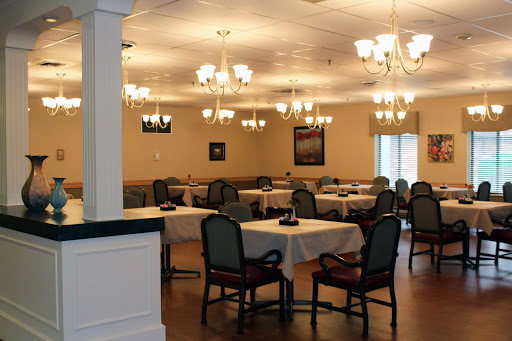
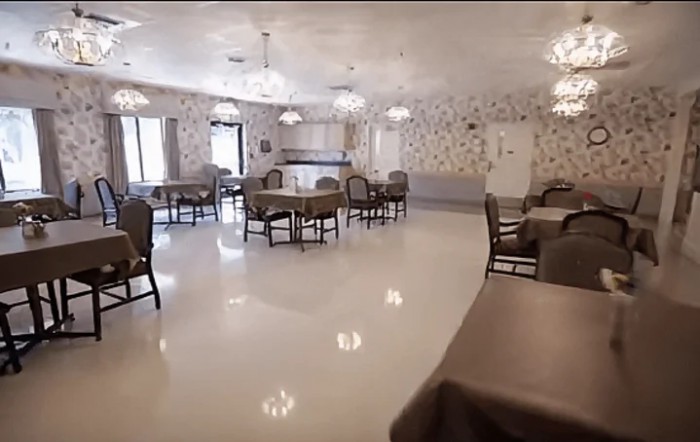
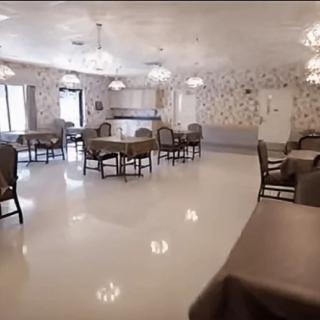
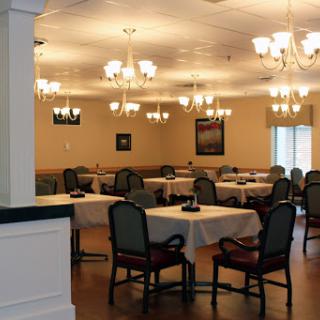
 Dining room
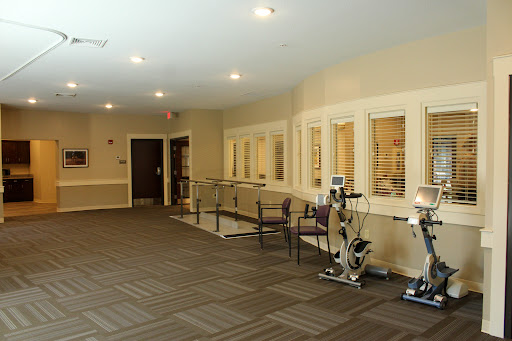
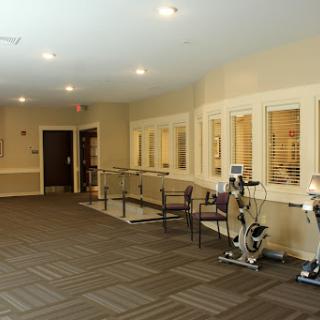
 Fitness room
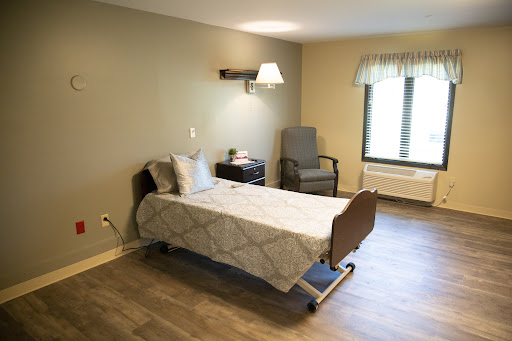
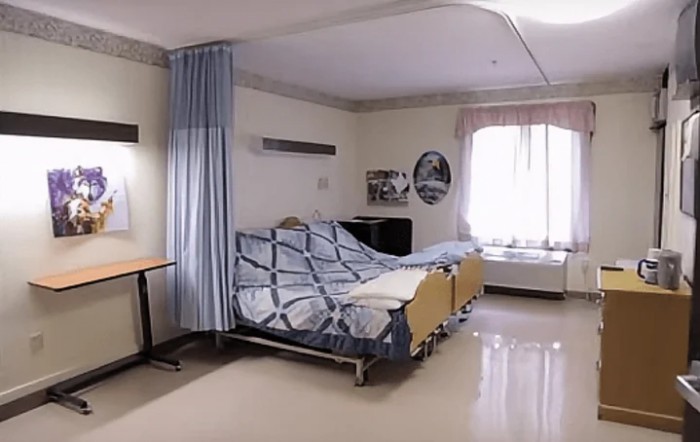
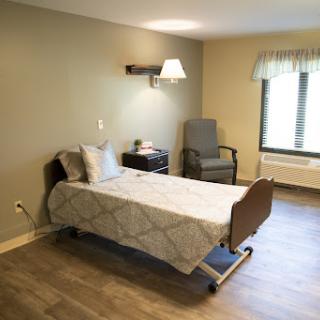
 Fully furnished
 Gaming room
 Garden
 Housekeeping services
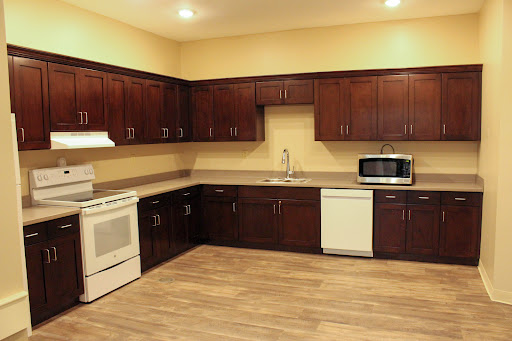
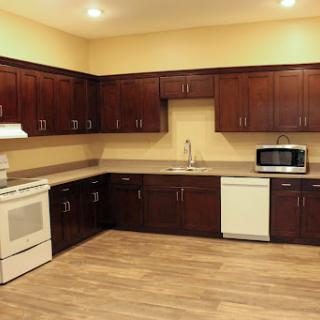
 Kitchenette
 Move-in coordination
 Outdoor space
 Private bathrooms
 Restaurant-style dining
 Small library
 Telephone
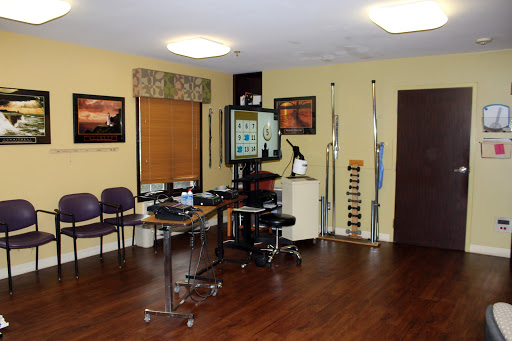
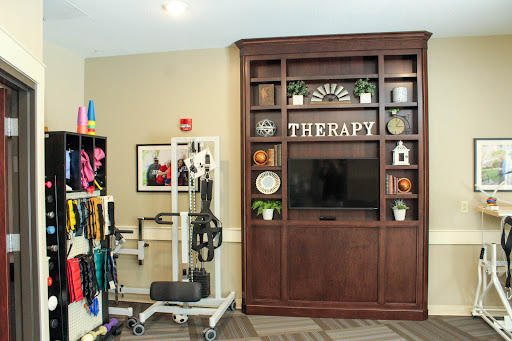
 Wellness center
 Wi-Fi/high-speed internet available
 Community operated transportation
 12-16 hour nursing
 24-hour call system
 Activities of daily living assistance
 Assistance with bathing
 Assistance with dressing
 Assistance with transfers
 Diabetes diet
 Medication management
 Mental wellness program
 Special dietary restrictions
 Concierge services
 Planned day trips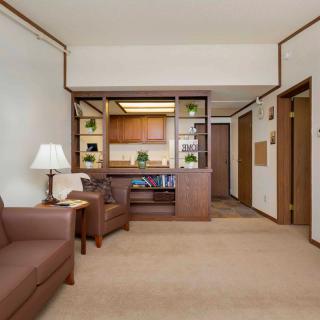


 6 Crucial Ways an Elder Law Attorney Assists Families
 Navigating the Tax Landscape of Caregiving: Credits, Deductions, and Beyond
 Highly Beneficial Low-Impact Exercises for Senior Living Residents