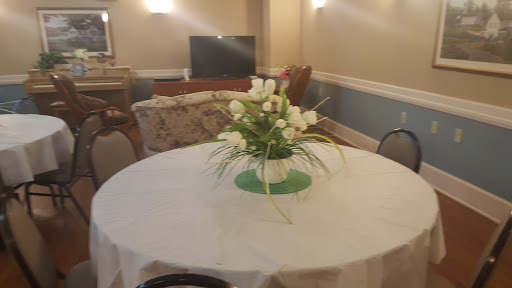




1200 Croy Dr, Findlay, OH 45840
To contact a resident: (419) 422-5372
For more information about senior living options: (866) 208-4318
Overall Review of Kiwanis Village
Pros
 They describe the people at the garage sale as nice.
- The complex is a very nice, clean, and well-kept apartment complex.
- It is a secure, clean, and attractive place for seniors seeking affordable housing.
- The staff is kind.
- It is very clean inside.
- They enjoyed the Bible study.
Cons
 They rate affordability at one star, saying it feels more like a nursing home or mental institution.
- They claim only a couple of people have actually lived there in eight years.
- They say nothing gets done, the place is dirty, and hot water is very iffy.
- They report that rules change constantly and residents complain, even about mail blocking.
- They assert independent living is supposed to be, but tenants are treated as though they cannot live on their own.
- They describe corporate responsiveness as nonexistent, with a promise to contact within a week that has not happened since December 2020.
- They describe very poor maintenance, repairs not in the budget, and privacy invasions by management and neighbors.
- They note gunshots fired next door twice in the last two years.
Review
Kiwanis Village in Findlay, OH is best suited for budget-conscious seniors who want generous, independent-living style apartments, a secure building, and a built-in social rhythm. Several reviews describe interiors as clean, well-kept, and spacious, with large floorplans and ample storage that support comfortable living without stepping into a formal care setting. The property feels secure without reading as clinical, and staff are repeatedly described as approachable and helpful. For those who want affordable housing with a private living space that can still accommodate casual social activity, Bible studies, neighborhood gatherings, and neighborly interaction, Kiwanis Village offers a practical balance between autonomy and community.
However, this community is not for everyone. Families or residents who require reliable, day-to-day maintenance and truly dependable hot water should look elsewhere. Several accounts describe hot-water shortages lasting years, repairs routinely dismissed as not in the budget, and a sense that corporate responsiveness is tepid or slow. There is a perception of constant rule changes, with some tenants feeling their privacy and routines are overly policed. For those who prioritize seamless service, predictable safety, and quick problem resolution, independent living in a well-maintained, modern building or one that offers on-site care options may be a more comfortable fit. The risk profile is higher here for residents needing steady, proactive support.
The strongest advantages, ample square footage, big closets, and solid storage, help offset some limitations by enabling residents to live without clutter and to accommodate visitors and routines with minimal friction. The building’s security and general cleanliness create a calm backdrop for daily life, and staff are frequently noted for kindness and accessibility. Some residents also speak positively of social elements, including Bible study and neighborliness, which reinforce a sense of community without forcing participation. Yet these strengths do not fully cancel the most persistent drawbacks. When the basics like hot water and timely repairs falter, even a welcoming staff and generous floor plans fall short of delivering lasting comfort.
Maintenance appears uneven, with repairs described as never budgeted or slow to materialize, and corporate ownership sometimes reportedly slow to respond to complaints. The reputation among some reviews as an environment that feels more like a facility than a true independent community can weigh on residents seeking a carefree lifestyle. There are scattered safety concerns within the area, an incident of shots fired next door illustrates potential risk that should be thoroughly understood by families evaluating a move. Add in comments about frequent rule changes and intrusive daily routines, and the appeal to privacy- and autonomy-minded seniors diminishes for many.
Families weighing Kiwanis Village should anchor the decision to their relative’s priorities. If independence, space, and a modest footprint on monthly costs are paramount, and a willingness to live with maintenance variability and a management culture that favors governance over personal service, this community can work. Prospective residents should demand current confirmations about hot-water reliability, maintenance response times, and a clear process to address complaints with corporate leadership. A candid visit, speaking with current residents, inspecting apartments, and reviewing service logs, will reveal how closely the daily reality aligns with the appealing descriptions. For those who require predictable service, modern amenities, or a safety record with fewer red flags, alternatives in Findlay or nearby may deliver more peace of mind.
In sum, Kiwanis Village offers a practical option for independent seniors who want generous living space, a secure environment, and a modest price tag, paired with a social touchstone through resident activities. The flip side is a pattern of maintenance gaps, hot-water reliability questions, and management responsiveness that can undermine comfort and privacy. The right fit hinges on tolerance for administrative quirks and the willingness to engage actively with management before moving in. If the priorities are stability, swift service, and modern amenities, Kiwanis Village should be weighed against stronger-care or newer-property options. For those who value affordability without surrendering independence, it deserves close examination, just with eyes wide open.
 Independent Living





 Navigating Medicare Coverage for In-Home Care Services
 In-Home Care Costs in 2025: A Detailed State-by-State Exploration
 Understanding Home Health Care: A Comprehensive Guide