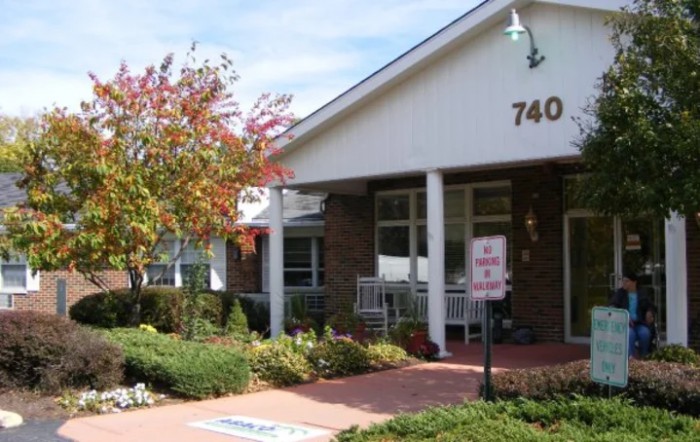
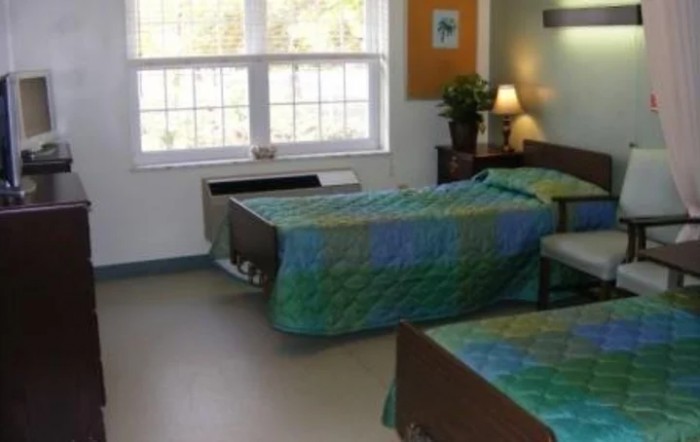
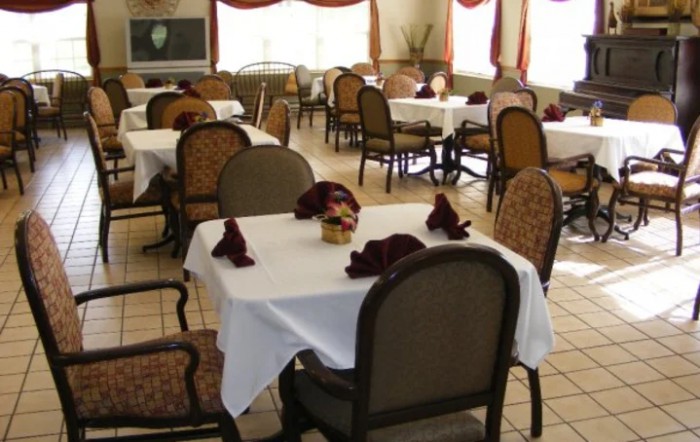
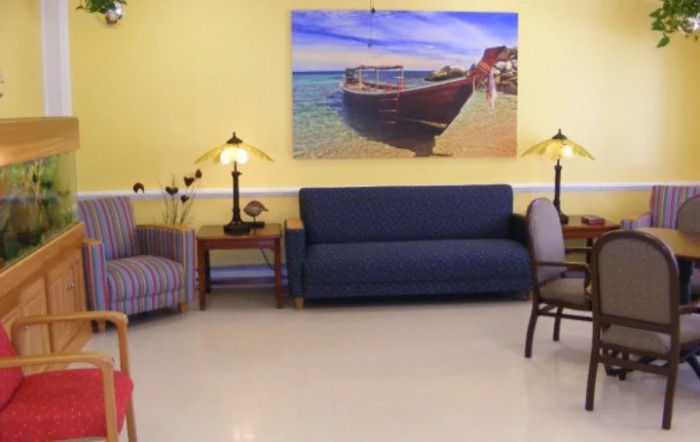
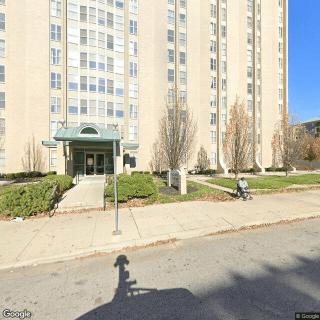
740 Canonby Place, Columbus, OH 43223
For more information about senior living options: (866) 208-4318
Abaco Rehabilitation And Nursing Facility Costs & Pricing
Abaco Rehabilitation And Nursing Facility presents a competitive pricing structure for its services, particularly in the context of Franklin County and the broader state of Ohio. The monthly cost for a semi-private room at Abaco is $5,850, which notably exceeds both the county average of $4,507 and the state average of $3,965. This premium cost may reflect additional amenities or specialized care options that Abaco offers to its residents. While it may be higher than local alternatives, potential clients should consider the quality of care and services provided when evaluating overall value in this important decision regarding long-term care.
| Floor plans | Abaco Rehabilitation And Nursing Facility | Franklin County | Ohio |
|---|---|---|---|
| Semi-Private | $5,850 | $4,507 | $3,965 |
Skilled Nursing Facilities with a similar price nearby
-
from -$880 / mo

Cherry Blossom Senior Living
$4,970 to $6,645 / month8.2 miles away -
from -$900 / mo

Mcnaughten Pointe Nursing And Rehab
$4,950 to $6,000 / month9.4 miles away -
from -$990 / mo
West Park Rehabilitation Center Skilled Nursing and Memory Care
$4,860 / month3.0 miles away -
from -$720 / mo

Columbus Alzheimer's Care Center
$5,130 to $6,300 / month7.8 miles away -
from +$381 / mo

Highbanks Care Center
$6,231 to $7,223 / month13.3 miles away
Overall Review of Abaco Rehabilitation And Nursing Facility
Pros
 The facility is described as very nice, with a seemingly new, clean environment and well-maintained equipment.
- The staff are very friendly and interact with residents, often joking with them.
- The staff check in regularly and ensure residents receive whatever they need.
- The Abaco Rehabilitation And Nursing Facility is portrayed as very professional and highly recommended for nursing care.
- The therapy is excellent and helps residents become stronger each day.
- The staff cater to residents' care needs, contributing to a high level of attentiveness.
- Residents feel reassured knowing they will be cared for if something happens.
- A resident regards Abaco as a second home, reflecting comfort and trust in the facility.
Cons
 His cancer had spread so bad that he was incapable of doing anything himself.
- My mother was so scared to go to a skilled nursing facility.
Review
Abaco Rehabilitation And Nursing Facility is best suited for adults who need skilled nursing care with a clear rehabilitation focus and for families that prize responsive, professional staffing in a clean, contemporary environment. The reviews underscore strong therapy outcomes and a staff culture that reads the situation quickly, checks in frequently, and supports residents with practical attention. This is particularly compelling for those emerging from hospitalization or facing serious medical conditions where daily therapy and continual personnel oversight can meaningfully shorten the recovery arc. In short, Abaco delivers a rehabilitation-forward environment where improvement and reassurance go hand in hand.
People who should consider alternatives are those whose priorities extend beyond rehab outcomes or who require a wider spectrum of services under one roof. If independence is the primary goal without structured rehab goals, or if a resident needs extensive memory-care-specific programming, the data here are less clear. Families looking for a facility with a broader mix of social programming, more expansive memory-care resources, or a lower-cost model may find other options more aligned with those particular expectations. A larger campus with extensive specialty services could be a better fit when those elements become the deciding factor.
The notable pros, new, well-kept facilities; modern, clean equipment; and a staff that is consistently kind, attentive, and proactive, do more than impress on first glance. They translate into tangible benefits during recovery: therapy that progresses, daily check-ins that prevent slips in care, and a general sense of security that a loved one is always being watched over. These strengths partially offset the absence of detailed information about long-term programming or pricing, and they compensate for the lack of explicit critiques in the public record. When therapy is the central objective, these advantages carry real weight.
Equally persuasive is the lived experience reflected in the reviews: a caregiver noting that her mother, initially anxious about skilled nursing, experienced steady improvement, greater confidence, and a mindset shift toward viewing Abaco as a second home. That emotional reassurance matters as much as clinical outcomes, because it shapes adherence to therapy, reduces stress for family members, and supports a more peaceful transition into ongoing care. The combination of rigorous rehabilitation and palpable staff warmth creates a practical equation: meaningful functional gains paired with dependable human support, which often translates into shorter hospital readmission risk and steadier daily routines.
From a decision-making standpoint, families should verify several practical details during visits. Ask about specific therapy schedules, target goals, and how progress is tracked week to week. Inquire about nurse-to-patient ratios on weekends and evenings, as well as how staffing responds to fluctuating acuity. Confirm room options, meal quality, and the breadth of activities beyond therapy that support social engagement. Clarify what is included in monthly costs, what requires extra payment, and which insurers or government programs are accepted. Knowing these elements helps convert the favorable impressions into a reliable, long-term plan tailored to the resident’s medical trajectory and financial reality.
Ultimately, Abaco stands out for recovery-oriented care delivered with a professional, compassionate touch in a clean, modern setting. It is a decisive recommendation for families prioritizing strong rehab outcomes and steady, reassuring staffing, especially when a resident’s trajectory hinges on daily progress and consistent support. For cases where specialized memory care, broader social programming, or cost flexibility are non-negotiable, it makes sense to compare a carefully chosen handful of alternatives. A focused tour, with explicit questions about therapy plans, staffing, and cost, will crystallize whether Abaco is the right match for the resident’s specific needs and the family’s expectations.
 99 resident community capacity
 Skilled Nursing Facility
 Activities on-site
 Air-conditioning
 Beautician on-site
 Cable or satellite TV
 Computer center
 Dining room
 Fitness room
 Fully furnished
 Gaming room
 Garden
 Housekeeping services
 Kitchenette
 Move-in coordination
 Outdoor common areas
 Private bathrooms
 Restaurant-style dining
 Small library
 Telephone
 Wellness center
 Wi-Fi/high-speed internet available
 John Glenn Columbus International Airport (8 miles away)
 Community operated transportation
 12-16 hour nursing
 24-hour call system
 Assistance with bathing
 Assistance with dressing
 Assistance with transfers
 Diabetes diet
 High acuity care
 Medication management
 Mental wellness program
 Special dietary restrictions
 Concierge services
 Planned day trips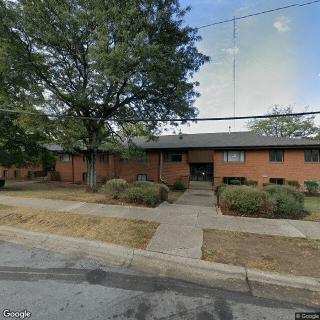




 Comprehensive Guide to Blood Pressure Charts for Older Adults: Understanding Normal and High Readings by Age
 Financing Long-Term Nursing Home Care Through Social Security: A Thorough Exploration
 Essential Knowledge on Pneumonia in Older Adults