
1575 Brainard Road, Lyndhurst, OH 44124
For more information about senior living options: (866) 208-4318
Overall Review of The Greens Care And Rehabilitation
Pros
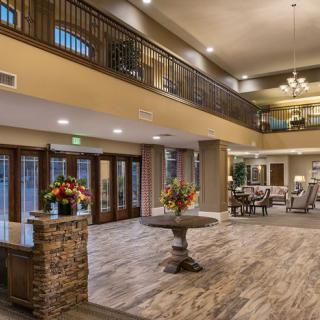
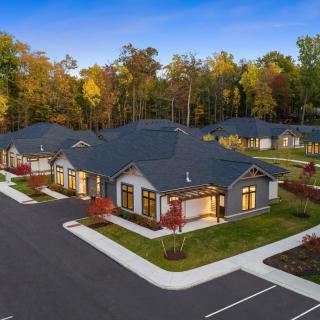
 The Embassy of Lyndhurst is clean and nice, with a refreshing smell of fresh air.
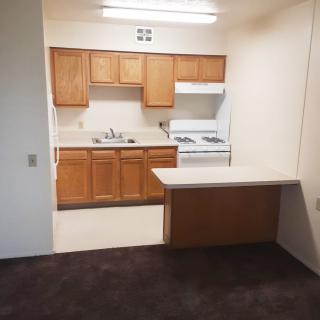
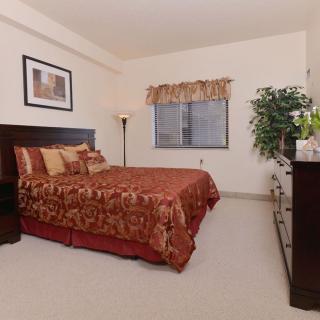
- The rooms are spacious and comfortable, supporting residents’ independence.
- The staff provide medicine, meals, and housekeeping, and the building is well kept.
- The facility offers amenities like a barber shop, a dining room, a place to exercise, and various activities.
- Kindred Assisted Living is very nice and clean, with a director who addresses problems quickly and fixes them.
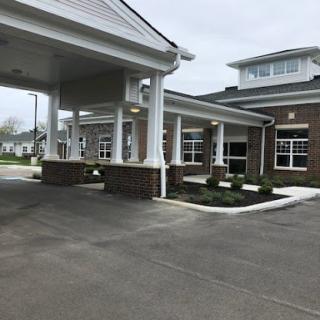
- The Greens is a beautiful, clean facility with warm, friendly staff who take good care of residents.
- The therapy team works well together, listens to residents, and exceeds expectations.
- The nursing and facility care are excellent, and the staff go above and beyond.
- The food at these facilities is good and dining experiences are positive.
- The facility feels like a safe, home-like place for loved ones, with caring staff and easy visiting.
Cons
 He is deaf and there is no interpreter, making it very frustrating.
- The nurses and staff can’t communicate with him.
- An interpreter has been promised for months but has not been provided.
- He’s the only deaf resident, so he doesn’t get the same access and is at a disadvantage.
- The facility is woefully understaffed; no nurse came when he needed help.
- The discharge plan seemed driven by economics rather than patient health and safety concerns.
- There was no sign on the door about contagious disease and visitors weren’t alerted.
Review
The Greens Care And Rehabilitation in Lyndhurst is best suited for seniors who are focused on rehabilitation after a hospital stay and want a clean, well-organized setting with reliable therapy and meaningful daily activities. Residents who value a clear routine, accessible dining, and a home-like atmosphere tend to thrive here, especially when the goal is to regain independence through physical therapy and structured programming. The campus also offers a memory-care track (Reflections), which provides continuity of care for families planning longer-term needs on the same site. In short, this community serves as a pragmatic home base for recovery-focused care with enough social fabric to keep residents engaged.
Still, this is not the right choice for every situation. Families with a resident who is deaf or relies on sign language should be aware that interpreter access has been a recurring hurdle; without reliable accommodation, essential communication breaks down and care decisions become frustratingly opaque. Understaffing appears repeatedly in reviews, manifesting as delayed responses to call buttons and slower assistance for daily needs. Discharge planning has also raised safety concerns when decisions seem driven by economics rather than patient readiness. For those prioritizing consistent, rapid care and airtight communication, alternatives with stronger staffing models and language-access policies may be a wiser fit.
The positives at The Greens are tangible and meaningful. Clean, well-kept spaces, pleasant rooms, and a dining environment that residents report enjoying create a comforting backdrop for recovery and ongoing care. The therapy teams receive frequent praise for their effectiveness, with residents regaining mobility and confidence under steady hands. The staff, when available, are described as caring, personable, and attentive to routines, and the overall atmosphere supports social engagement through activities and programs. Families repeatedly note that a well-maintained facility with a warm, helpful staff can significantly improve everyday quality of life, even when operational hiccups occur from time to time.
Yet the cons cannot be dismissed. The core risk is that staffing shortages translate into slower, sometimes unreliable care, call buttons that go unanswered and delayed help during pain or mobility crises. Communication gaps persist across shifts and departments, diminishing trust and complicating family coordination. Safety concerns surface in discharge planning, where transitions can feel premature or misaligned with a resident’s readiness, and infection-control history has sparked red flags for some families. The financial dimension also matters: even when programs are strong, high costs paired with uneven daily care can limit long-term feasibility and comfort.
For families weighing options, the Greens can deliver solid rehab outcomes and a nurturing environment, particularly when therapy is well-integrated with nursing oversight and family input. Memory-care residents in Reflections may find continuity and meaningful activity, but success hinges on consistent staffing and transparent communication. Those who are independent but seeking structured support will likely appreciate the routine and security, while residents needing continuous, rapid response at any hour should scrutinize staffing patterns and oversight more closely. In short, the Greens offer substantial value for recovery-driven care, tempered by real concerns about access, consistency, and safety in daily operations.
Practical next steps sharpen the decision. Arrange a tour with a focus on therapy scheduling, staffing coverage across day and night shifts, and the facility’s approach to language access or alternative communication methods. Request a written care plan that details rehabilitation goals, timelines, and discharge criteria, and probe infection-control practices and incident-reporting history. Ask to speak with current residents or families about call-button responsiveness and how pain episodes or falls are handled after hours. Compare these specifics to what other Lyndhurst options provide, ensuring the chosen community aligns with the resident’s medical needs, communication requirements, and the family’s comfort with ongoing oversight and participation.
 190 resident community capacity
 Skilled Nursing Facility
 Air-conditioning
 Beauty salon
 Cable or satellite TV
 Computer center
 Dining room
 Fitness room
 Fully furnished
 Gaming room
 Garden
 Housekeeping services
 Kitchenette
 Move-in coordination
 Outdoor space
 Private bathrooms
 Restaurant-style dining
 Small library
 Telephone
 Wellness center
 Wi-Fi/high-speed internet available
 Cleveland-Hopkins International (21 miles away)
 Community operated transportation
 12-16 hour nursing
 24-hour call system
 Activities of daily living assistance
 Assistance with bathing
 Assistance with dressing
 Assistance with transfers
 Diabetes diet
 Medication management
 Mental wellness program
 Special dietary restrictions
 Concierge services
 Planned day trips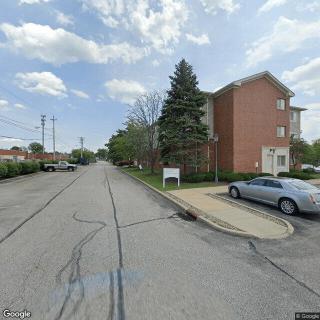

 Comprehensive Guide to Qualifying for Home Health Care Services
 Powerful Realities of Elder Abuse and the Most Effective Ways to Report It
 Ten Vital Duties of a Senior Caregiver: A Comprehensive Guide