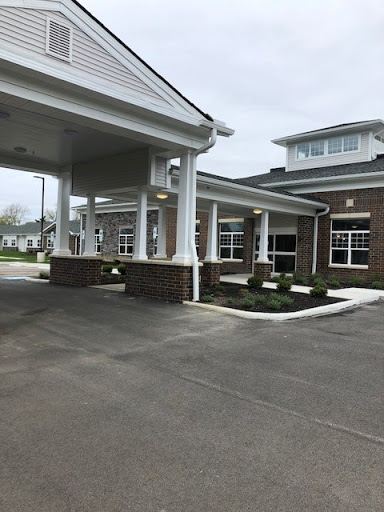
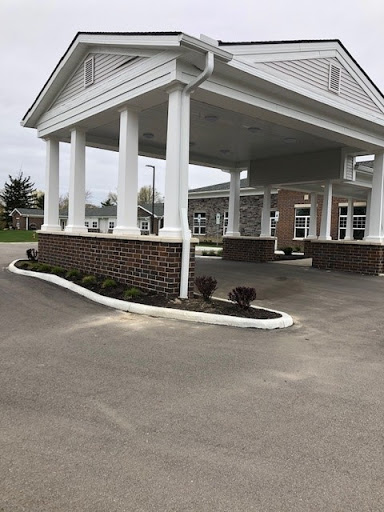
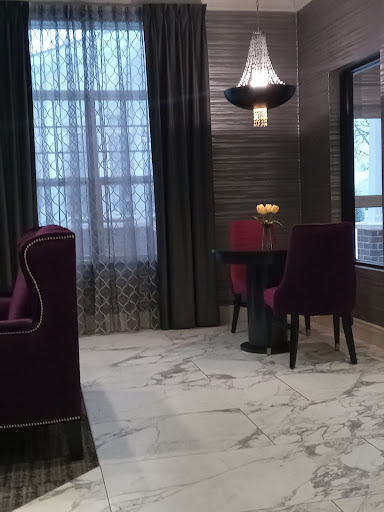
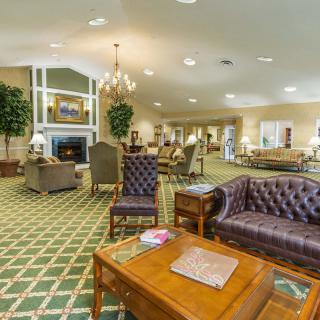
Avenue at Lyndhurst

Save
Avenue at Lyndhurst Avenue at Lyndhurst Avenue at Lyndhurst

Avenue at Lyndhurst

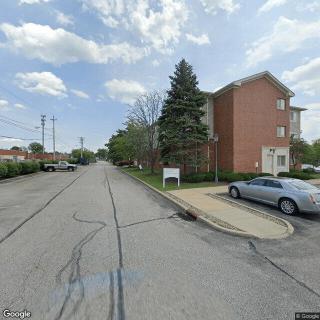
5442 Rae Road, Lyndhurst, OH 44124

For more information about senior living options: (844) 490-3973

3.3 from 64 reviews
5 stars
34
4 stars
2
3 stars
2
2 stars
2
1 stars
24

Assisted Living

Avenue at Lyndhurst Costs & Pricing

Avenue at Lyndhurst offers competitive pricing for its various room types, standing out in both Cuyahoga County and the broader Ohio market. The monthly cost for a semi-private room is set at $3,650, slightly above the county average of $3,582 but below the state average of $3,965. For those seeking more privacy, the private rooms are priced at $4,500, which is higher than both the county's average ($4,004) and the statewide average ($4,771). Additionally, Avenue at Lyndhurst presents studio accommodations at $6,500 - significantly higher than both local ($3,632) and state averages ($3,727). This pricing structure reflects the premium services and amenities that Avenue at Lyndhurst provides to its residents while remaining competitive within the region.

Floor plansAvenue at LyndhurstCuyahoga CountyOhio
Semi-Private$3,650$3,582$3,965
Private$4,500$4,004$4,771
Studio$6,500$3,632$3,727

Overall Review of Avenue at Lyndhurst

Pros

  • pro The staff are described as friendly and caring.
  • pro The therapy department is amazing and the therapy team is among the best.
  • pro The Avenue at Lyndhurst's staff are one of a kind and very welcoming.
  • pro The facility features ample space and top-tier cleanliness.
  • pro Nurses and aides are responsive to call lights.
  • pro Reviewers would highly recommend the facility.
  • pro The rehabilitation and skilled nursing care are praised as among the best in Northeast Ohio.
  • pro The aides go above and beyond in patient care.

Cons

  • pro The staff are very slow to respond to call lights, and medication often requires long waits due to understaffing.
  • pro There is only one nurse and one aide for the entire wing, indicating severe staffing shortages.
  • pro A resident contracted scabies again, suggesting lapses in infection control.
  • pro The resident's room and bedside area were unsanitary, with clutter and fecal matter on a washcloth left on the table.
  • pro Repeated complaints about cleanliness have gone unaddressed, with administrators apologizing but no lasting changes.
  • pro A resident was left hungry and soiled, with staff unaware or unavailable to assist.
  • pro Patients pressed nurse call buttons for hours with no response, signaling neglect and dangerous delays in care.
  • pro There were incidents of a patient collapsing or needing urgent help with no staff immediately available.
  • pro Several reviews urged readers to reconsider entrusting loved ones to the facility, describing it as neglectful.

Review

The Avenue at Lyndhurst Nursing Home has drawn a wide range of experiences from those who visit or volunteer there, with some observers raving about the facility and others recounting troubling lapses in care. What emerges from the collection of reviews is a picture of a place that can feel welcoming and well equipped on good days, but that also struggles with serious staffing and hygiene challenges that can profoundly affect residents' well?being.

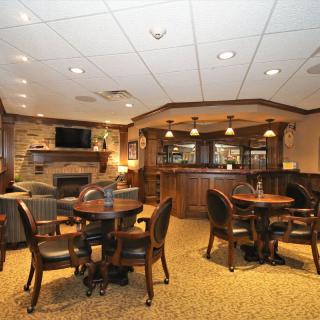
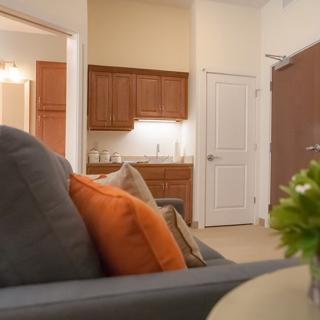
Several reviewers paint a positive, almost home-like impression of the facility. Rooms are described as clean and reasonably spacious, featuring a wall-mounted flat panel TV, a refrigerator, and a dedicated shower stall. Families are allowed to bring personal belongings, flower pots, or to hook up a DVD player to the TV, which helps create a more familiar environment for residents. The building appears to offer regular activities for those who can participate, such as bingo, and the staff are reported to respond to call lights promptly in many cases. Meals are served with assistance as needed, and there is a sense among these reviewers that the staff, particularly in therapy and rehabilitation, can be exceptionally capable. Several people highlight a strong and compassionate therapy department, with praises for therapists and a sense that the overall facility is "not a hospital" but a high-quality skilled nursing facility. In particular, some guests mention a new LPN by name, Tiara, whose courteous and proactive approach helped address concerns quickly, and others emphasize the overall warmth and attentiveness of many staff members.

Other reviews reinforce the perception of a well?maintained environment and commendable staff culture. Observers describe the staff as friendly and helpful across departments, and they appreciate the cleanliness and the amount of space the facility offers. Positive anecdotes include feeling welcomed after long absences, noting that the team is capable, patient, and invested in residents' comfort and progress. A number of reviewers credit the rehabilitation team with outstanding performance and express strong willingness to recommend the facility to friends and family. Several comments emphasize that, when the atmosphere is right and staffing is sufficient, The Avenue at Lyndhurst can feel like a caring, capable place for skilled nursing and rehab.

However, the record also contains repeatedly serious criticisms that center on staffing shortages and responsiveness. Several reviewers describe slow or inconsistent response times to call lights, with concerns that some days or nights are understaffed. They note that there can be too few nurses or aides for an entire wing, leading to long waits for assistance and delays in basic tasks like helping residents with daily needs or delivering medications. The discrepancy between experiences on different shifts is a recurring theme, with mentions of limited coverage during nights and weekends and a sense that there isn't enough continuity in nursing staff. Some reviewers contrast the positive impressions of the therapy and rehab teams with the more frustrating realities of routine care and supervision, suggesting that the overall quality of care can fluctuate with staffing levels.

The facility's handling of infections and hygiene has also been a major source of concern for several family members. One persistent complaint involves a bed?bound relative who contracted scabies, with later concerns that she contracted it again while in residence. The descriptions portray an unsettling scene of unsanitary conditions: a cluttered bedside table, a dirty washcloth left on the table, and even a bathroom whose cleanliness appeared compromised. In one account, repeated communications with the nursing leadership and social work team over two years did not yield lasting improvements, culminating in a state complaint and support for relocating the resident to a more suitable setting. An update later noted a leadership change at the administrator level, suggesting at least a turnover in management, but the lingering fear among families remains that infection control and daily cleanliness may still be vulnerable.

Even more alarming are the reports from respite care experiences that echo the strongest concerns. A family visiting an elderly, blind relative described days during which no one seemed aware of her location within the facility, with doors left closed and the resident hungry and unassisted, sometimes for extended periods. The family members encountered staff who reportedly denied access to care or food, and one visitor described a sign labeling the resident simply as "Blind Person," which underscores a disturbing lack of regard for dignity. These accounts culminated in a strong recommendation to reconsider placement there, alongside calls to involve the hospice network and administrators to address what they characterized as systemic neglect.

In the wake of such experiences, the facility has seen a mix of responses and evolving leadership. Several reviewers acknowledged improvements and praised specific staff members for their professionalism and compassion, and some described the overall environment as still capable of delivering high?quality rehab and daily care when conditions are favorable. Yet the more severe reports about neglect, communication gaps, persistent cleanliness issues, and alarming episodes of temporary withdrawal from attention to urgent patient needs paint a more troubling picture. An August 2025 update notes the replacement of the director, signaling recognition that leadership changes were deemed necessary. For families evaluating The Avenue at Lyndhurst, the message is clear: outcomes appear to hinge heavily on the current staffing levels, infection control practices, and the consistency of management and care teams on any given day.

If you are considering this facility, it may be wise to weigh both the praise for its rehabilitative strengths and the serious cautions raised by others. Prospective visitors should inquire directly about current staffing ratios, nurse and aide availability on the shifts most likely to care for their loved ones, and the facility's infection control and housekeeping protocols. Request recent state survey results and speak with current residents and their families about their day?to?day experiences. Given the range of experiences reported, a firsthand assessment and a careful, up?to?date discussion with administration will be essential to gauge whether The Avenue at Lyndhurst can meet specific care needs and expectations.

Features

Housing

  • 50 resident community capacity 50 resident community capacity

Types of Care

  • Assisted Living Assisted LivingAssisted living facilities provide crucial support and care for seniors who may need help with daily tasks such as medication management, bathing, and meal preparation. These communities offer a safe and comfortable environment where seniors can maintain their independence while receiving the assistance they need to thrive in their golden years.

Amenities

  • Beauty salon Beauty salonBeauty salons are important for seniors because they provide a space for them to feel pampered, socialize, and maintain their personal grooming and hygiene. Regular visits to a beauty salon can help boost seniors' self-esteem and overall well-being.
  • Cable or satellite TV Cable or satellite TVCable or satellite TV is important for seniors because it provides entertainment, news, and companionship, helping to combat loneliness and boredom. It also offers a wide range of programming options tailored to different interests and preferences.
  • Dining room Dining roomDining rooms are important for seniors as they provide a space for socialization, connection, and nutritious meals. They offer opportunities for residents to bond over shared meals, foster a sense of community, and promote healthy eating habits. Dining rooms also ensure that seniors have access to well-balanced meals tailored to their dietary needs and preferences.
  • Fully furnished Fully furnishedFully furnished senior living communities are important for seniors because they provide convenience, comfort, and a hassle-free moving experience. Seniors can easily settle into their new living space without the stress of having to buy and move furniture. This allows them to focus on enjoying their new home and community.
  • Garden GardenGardens are important for seniors as they provide a peaceful and therapeutic environment for relaxation, physical activity, and socialization. Being in nature has been shown to reduce stress, improve mood, and promote overall well-being. Gardens also offer opportunities for seniors to engage in gardening activities, which can improve mobility, flexibility, and cognitive function. Additionally, gardens create a sense of community and connection with others who share a passion for plants and outdoor spaces.
  • Housekeeping services Housekeeping servicesHousekeeping services are important for seniors because they help maintain a clean and safe living environment, promote independence, and reduce the risk of accidents or illnesses. Additionally, having assistance with household chores can alleviate physical strain and allow seniors to focus on other aspects of their well-being.
  • Kitchenette KitchenetteKitchenettes are important for seniors living in senior living communities because they provide the convenience and independence of being able to prepare simple meals and snacks in the comfort of their own living space. This can help promote a sense of autonomy and well-being for seniors, allowing them to maintain some level of control over their dietary choices and daily routines.
  • Move-in coordination Move-in coordinationMove-in coordination is important for seniors because it helps ease the transition into their new living environment. It ensures that all logistics, such as packing, organizing movers, and setting up utilities are taken care of, allowing seniors to focus on settling in and adjusting to their new home. Having a smooth move-in process can alleviate stress and anxiety, making the transition smoother and more enjoyable for seniors.
  • Outdoor space Outdoor spaceOutdoor spaces are important for seniors as they provide opportunities for physical activity, social interaction, exposure to natural light and fresh air, and a sense of connection to nature. Having access to outdoor spaces can improve overall well-being and quality of life for older adults living in senior communities.
  • Telephone TelephoneTelephones are important for seniors as they provide a lifeline for communication with loved ones, emergency services, and healthcare providers. They offer a sense of security and independence, enabling seniors to stay connected and access assistance when needed.
  • Wi-Fi/high-speed internet available Wi-Fi/high-speed internet availableWi-Fi/high-speed internet is important for seniors to stay connected with loved ones, access online resources, and participate in virtual activities to combat feelings of loneliness and isolation. It also allows them to easily manage healthcare needs, access entertainment, and engage in lifelong learning opportunities.

Transportation

  • Cleveland-Hopkins International (21 miles away) Cleveland-Hopkins International (21 miles away)

Care Services

  • 24-hour call system 24-hour call system24-hour call systems are important for seniors because they provide peace of mind and immediate assistance in case of emergencies. This technology ensures that help is always available, promoting safety and security for elderly individuals living alone or in assisted living facilities.
  • 24-hour supervision 24-hour supervision24-hour supervision is important for seniors to ensure their safety, well-being, and access to immediate assistance in case of emergencies or health issues. This constant support provides peace of mind for both seniors and their loved ones, allowing them to age in place with dignity and security.
  • Activities of daily living assistance Activities of daily living assistanceActivities of daily living assistance are important for seniors because they provide essential support with tasks such as eating, bathing, dressing, and mobility. This assistance helps seniors maintain their independence, dignity, and overall quality of life as they age.
  • Assistance with bathing Assistance with bathingAssistance with bathing is crucial for seniors as it helps maintain personal hygiene, prevents infections, and ensures their overall well-being and comfort. It also provides a sense of dignity and independence for seniors who may struggle with this task on their own.
  • Assistance with dressing Assistance with dressingAssistance with dressing is important for seniors because it helps maintain their independence, promotes personal hygiene, prevents accidents and injuries, and improves overall quality of life. This service ensures that seniors can continue to dress comfortably and confidently, despite any physical limitations they may have.
  • Assistance with transfers Assistance with transfersAssistance with transfers is crucial for seniors as it helps prevent falls and injuries, maintains their independence, and ensures they can safely navigate their living environment. It also provides peace of mind for both seniors and their loved ones.
  • Coordination with health care providers Coordination with health care providersCoordination with health care providers is crucial for seniors to ensure proper medical care, medication management, and overall well-being. This collaboration helps prevent overlapping treatments, track progress more effectively, and provide comprehensive support tailored to individual needs.
  • Diabetes diet Diabetes dietA diabetes diet is crucial for seniors as it helps manage blood sugar levels, reduce risks of complications, and improve overall health and well-being. By following a balanced and nutritious diet tailored to their specific needs, seniors can better control their diabetes and enhance their quality of life.
  • Meal preparation and service Meal preparation and serviceMeal preparation and service are crucial for seniors as they may have limited mobility or energy to cook nutritious meals. Having access to healthy and convenient food options can ensure they are getting the proper nutrition needed to maintain their overall health and well-being.
  • Medication management Medication managementMedication management is crucial for seniors to ensure they are taking the right medications at the correct dosages and times. This helps prevent adverse drug interactions, reduces the risk of medication errors, and promotes overall health and well-being. Proactive management also allows for adjustments as needed based on changing health conditions or new prescriptions.
  • Mental wellness program Mental wellness programMental wellness programs are essential for seniors as they promote cognitive stimulation, emotional support, and social engagement. These programs help prevent isolation, depression, and cognitive decline, ultimately enhancing the overall quality of life for older adults.
  • Special dietary restrictions Special dietary restrictionsSpecial dietary restrictions are important for seniors because age-related changes in metabolism and health conditions can make it difficult for their bodies to process certain foods. By following a diet tailored to their specific needs, seniors can maintain their overall health and well-being, manage chronic conditions, and reduce the risk of complications such as malnutrition or food interactions with medications.
  • Transportation arrangement (medical) Transportation arrangement (medical)Transportation arrangements for medical purposes are essential for seniors as they may have difficulty driving themselves to appointments or accessing public transportation. Having reliable and safe transportation options ensures that seniors can receive timely medical care and maintain their health and well-being.
  • Transportation to doctors appointments Transportation to doctors appointmentsTransportation to doctors' appointments is crucial for seniors as it ensures they have access to necessary medical care and support for their health needs. Without reliable transportation, seniors may struggle to attend important appointments, leading to potential delays in treatment and health complications. Providing transportation services helps seniors maintain their overall well-being and quality of life.

Dining

  • Diabetes diet Diabetes dietA diabetes diet is crucial for seniors as it helps manage blood sugar levels, reduce risks of complications, and improve overall health and well-being. By following a balanced and nutritious diet tailored to their specific needs, seniors can better control their diabetes and enhance their quality of life.
  • Special dietary restrictions Special dietary restrictionsSpecial dietary restrictions are important for seniors because age-related changes in metabolism and health conditions can make it difficult for their bodies to process certain foods. By following a diet tailored to their specific needs, seniors can maintain their overall health and well-being, manage chronic conditions, and reduce the risk of complications such as malnutrition or food interactions with medications.

Activities

  • Community-sponsored activities Community-sponsored activitiesCommunity-sponsored activities are important for seniors as they provide opportunities for social interaction, mental stimulation, and physical activity. These activities can help improve overall well-being, combat loneliness and isolation, and promote a sense of belonging and purpose among older adults.
  • Resident-run activities Resident-run activitiesResident-run activities are important for seniors as they encourage social interaction, creativity, and a sense of autonomy. These activities empower seniors to stay engaged and active in their community while fostering meaningful connections with their peers.
  • Scheduled daily activities Scheduled daily activitiesScheduled daily activities are important for seniors because they provide structure, socialization, mental stimulation, and physical activity. Engaging in regular activities can improve overall well-being and quality of life for seniors living in a community setting.

Description

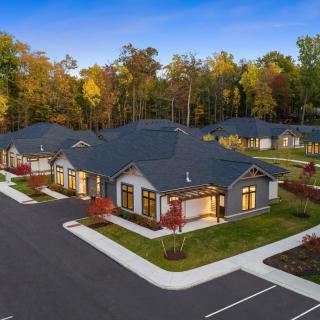
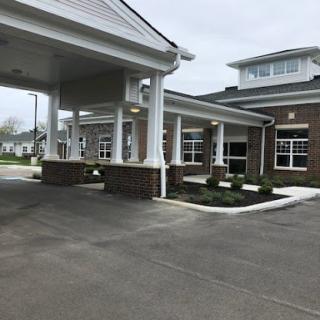
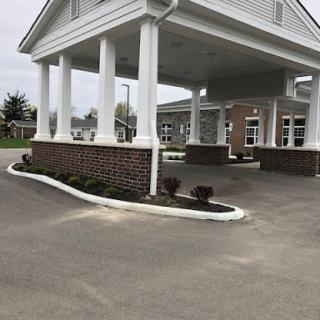
The Avenue at Lyndhurst in Lyndhurst, OH is a fully furnished assisted living community that offers a range of amenities and care services to ensure the comfort and well-being of its residents.

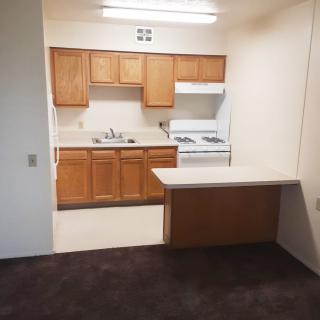
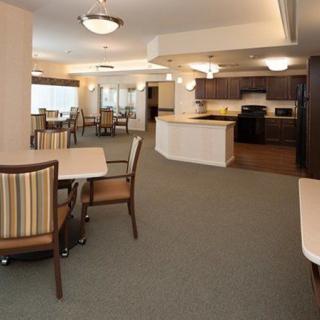
Each apartment is equipped with cable or satellite TV, a dining room, kitchenette, and Wi-Fi/high-speed internet. The community also provides outdoor spaces such as a garden for residents to enjoy.

Housekeeping services are available to maintain cleanliness and tidiness within each apartment. Move-in coordination is provided to make the transition into the community as smooth as possible.

Care services offered at The Avenue at Lyndhurst include 24-hour supervision, assistance with activities of daily living such as bathing and dressing, assistance with transfers, medication management, and coordination with health care providers. Special dietary restrictions are catered to, including diabetes diets. Meal preparation and service are provided by experienced staff.

Residents can participate in resident-run activities as well as scheduled daily activities to keep them engaged and entertained. Mental wellness programs are also available to support the emotional well-being of residents.

For convenience, there are several nearby amenities including 3 cafes, 6 parks, 23 pharmacies, 8 physicians' offices, 22 restaurants, 4 places of worship, 1 theater, and 1 hospital. Transportation arrangements can be made for medical appointments.

At The Avenue at Lyndhurst in Lyndhurst, OH, residents can expect a comfortable and supportive environment where their needs are met while enjoying nearby amenities for convenience and entertainment.

Nearby Places of Interest

Places of Worship

  • St Clare's Church (0.5 miles)
  • Messiah Luth Church of Lyndhurst (0.6 miles)
  • Temple Israel Ner Tamid (1.3 miles)
  • South Euclid United Church of Christ (2.5 miles)

Pharmacies

  • Walgreens (0.5 miles)
  • CVS Pharmacy (0.8 miles)
  • CVS Pharmacy (0.9 miles)
  • Walgreens (1.3 miles)
  • CVS Pharmacy (1.3 miles)
  • Marc's Stores (1.8 miles)
  • CVS Pharmacy (1.9 miles)

Parks

  • Oakville Road Park (0.8 miles)
  • Anderson Field (1.2 miles)
  • Desan Park (2.2 miles)
  • Whiteford Park (2.7 miles)
  • North Chagrin Reservation (3.8 miles)
  • Coulby Park (4.9 miles)
  • Coventry PEACE Park (5.1 miles)

Restaurants

  • Raising Cane's Chicken Fingers (0.9 miles)
  • Chick-Fil-A (1.7 miles)
  • Taco Bell (1.8 miles)
  • The Cheesecake Factory (1.8 miles)
  • Distefano's Authentic Italian Foods (1.9 miles)
  • Wendy's (2.3 miles)
  • 5th Avenue Deli (2.3 miles)

Physicians

  • UH Rainbow Pediatricenter (1.8 miles)
  • University Suburban Health Center (1.9 miles)
  • Senders Pediatrics (2.4 miles)
  • Cleveland Clinic Severance Medical Arts (3.4 miles)
  • Euclid Medical Plaza (4.3 miles)
  • Rapid Medical Research (4.4 miles)
  • Drs Hill & Thomas Co. (4.8 miles)

Cafes

  • Starbucks (2.3 miles)
  • Starbucks (3.3 miles)
  • Starbucks (4.5 miles)

Hospitals

  • Hillcrest Labor And Delivery (2.5 miles)
  • University Hospitals Ahuja Medical Center (5 miles)
  • University Hospitals (6 miles)

Theaters

  • Silverspot Cinema (4.8 miles)

Frequently Asked Questions

How much does it cost to live at Avenue at Lyndhurst in Lyndhurst, OH?
Where is Avenue at Lyndhurst?
What photos are available for Avenue at Lyndhurst in Lyndhurst, Ohio?

Nearby Communities

Related Resources

  • assisted living vs memory careAssisted Living and Memory Care: Understanding Their Core Differences

    Assisted living provides moderate support for seniors seeking independence, while memory care offers specialized support for individuals with dementia or cognitive impairments through structured routines and trained staff. Key differences include care approaches, environment security measures, staff training levels, activity types, and cost considerations.

  • assisted living activitiesBeyond the Bingo Hall: 50+ Enriching Activities for Seniors in Assisted Living

    Assisted living communities offer diverse activities beyond traditional games to enhance seniors' physical health, cognitive well-being, emotional enrichment, and social connections, including fitness classes, creative expression, and intergenerational interactions. These enriching programs foster community bonds and support residents' independence and happiness.

  • assisted living vs memory careUnderstanding the Distinctions: Assisted Living and Memory Care Explained
    The article differentiates between assisted living and memory care, explaining that assisted living supports seniors with daily activities while promoting independence, whereas memory care provides specialized services for individuals with dementia, focusing on secure environments and cognitive support. It also addresses staff training, safety considerations, costs, family involvement, and transition strategies for families navigating these care options.