For more information about senior living options: (866) 208-4318
2.9 from 117 reviews
5 stars
45
4 stars
7
3 stars
7
2 stars
5
1 stars
53
Overall Review of Euclid Subacute Care Center
common28 reviews mention this
Staff responsiveness is often praised
Many reviewers describe staff as quick to help and attentive at appointments and inpatient stays.
Across multiple visits, residents and families mention nurses and doctors responding quickly and providing hands-on support during difficult moments. A number of reviewers specifically call out bedside manners, communication, and feeling taken care of from intake through discharge. There are also a smaller set of reviews that describe rudeness or delays, but the more common day-to-day theme in the feedback is that care teams are engaged when help is requested.
caveat16 reviews mention this
Care experiences can involve long waits
Several reviewers report waiting many hours before being seen or getting admitted.
A recurring complaint is time spent in lobbies or waiting rooms, including accounts of being kept for hours despite pain or urgency. Some reviews describe being told they were “next” and then continuing to wait, while others mention difficulty getting beds or call light responses. While some people report fast diagnosis and treatment, the negative wait-time stories are frequent enough to stand out in the overall pattern.
caveat7 reviews mention this
Dining quality is mixed
Dining reviews range from enjoyable meals to strong criticism of cafeteria and food service.
Some reviewers mention good or even excellent food during their stay, including praise for dietary staff and meals. Others criticize cafeteria food and cleanliness, including concerns about cross-contamination and complaints that food “tastes” poor. Because the written feedback includes both ends of the spectrum, it’s worth considering the specific dining experience described by each reviewer rather than assuming one consistent outcome.
caveat6 reviews mention this
Noise and cleanliness concerns appear
A subset of reviewers mentions issues with noise levels and room cleanliness or maintenance.
Some people describe disruptive nighttime noise, including being near nurse stations and struggling to sleep. Others mention rooms that felt too warm or uncomfortable, and a few note cleaning and clutter problems during longer stays. At the same time, several positive reviews explicitly describe cleanliness and organized areas, so the environment-related feedback is not uniform.
differentiator2 reviews mention this
Subacute care support is comprehensive
The facility provides skilled nursing care with structured help for daily activities and medications.
This community is set up as a skilled nursing facility, and it includes assistance with daily activities like bathing, dressing, and transfers, along with medication management and meal preparation. The reviews that connect to rehab or nursing support describe staff working closely with patients during recovery and daily routines. While the feedback is not limited to one setting, the combination of skilled-nursing positioning and described supports aligns with how residents and families talk about care.
common2 reviews mention this
Nearby hospitals and clinics are close
Several nearby healthcare options are within a few miles of the community.
For residents and families, the area includes nearby hospitals, pharmacies, and physician offices at short distances. That means there are multiple healthcare destinations close by rather than relying on a single location for follow-up or additional services. The exact convenience will still vary by where someone lives and what they need, but proximity is clearly present in the surrounding area list.
How we summarize
Counts show how many written reviews mention each theme; a review can touch several themes, and only frequently mentioned themes are displayed.
Features
Housing
40 resident community capacity
Types of Care
Skilled Nursing Facility
Amenities
Beauty salon
Cable or satellite TV
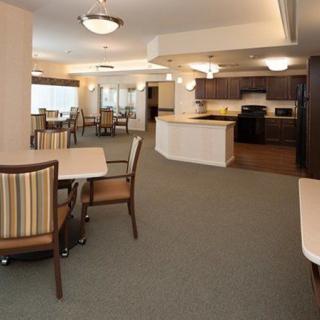
Dining room
Fully furnished
Garden
Housekeeping services
Kitchenette
Move-in coordination
Outdoor space
Restaurant-style dining
Small library
Telephone
Wi-Fi/high-speed internet available
Transportation
Cleveland-Hopkins International (20 miles away)
Care Services
24-hour call system
24-hour supervision
Activities of daily living assistance
Assistance with bathing
Assistance with dressing
Assistance with transfers
Diabetes diet
Meal preparation and service
Medication management
Mental wellness program
Special dietary restrictions
Dining
Diabetes diet
Special dietary restrictions
Activities
Community-sponsored activities
Resident-run activities
Scheduled daily activities
Nearby Places of Interest
Hospitals
University Hospitals (0.2 miles)
Louis Stokes Cleveland VA Medical Center (6.8 miles)
Cleveland Clinic - W.O. Walker Center (7.4 miles)
Pharmacies
Rite Aid (0.3 miles)
Discount Drug Mart (1 miles)
CVS Pharmacy (1.3 miles)
Walgreens (2.2 miles)
CVS Pharmacy (3.7 miles)
Marc's Stores (4.5 miles)
CVS Pharmacy (4.6 miles)
Restaurants
Papa Joe's Submarines (0.7 miles)
Adams Place (0.9 miles)
Gus's Diner One Eight Five (0.9 miles)
Scotti's Italian Eatery (1 miles)
Chipotle Mexican Grill (1.4 miles)
Lady Luck Pub & Eatery (1.9 miles)
Michael's Bar & Grille (3.1 miles)
Physicians
Euclid Medical Plaza (2.9 miles)
Cleveland Clinic - Willoughby Hills Family Health Center (5.5 miles)
Family Physicians (5.6 miles)
Cleveland Clinic Severance Medical Arts (5.7 miles)
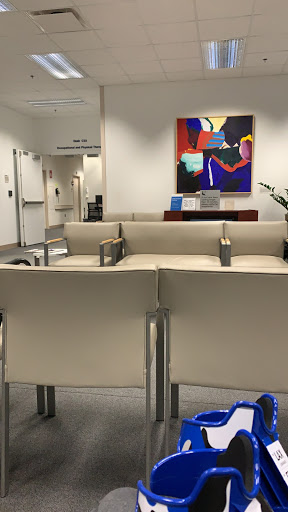
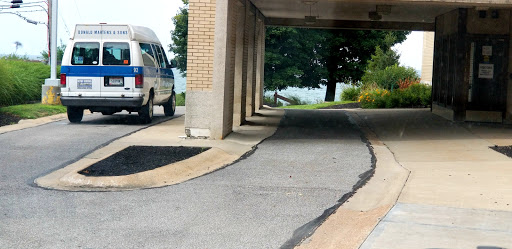
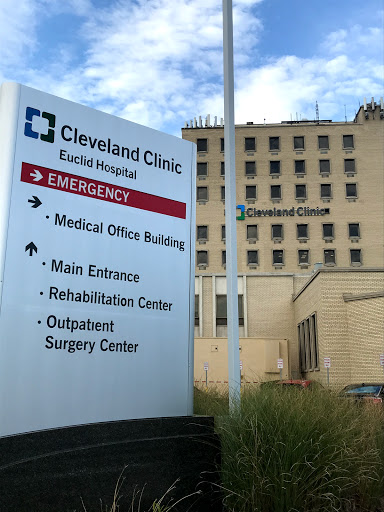
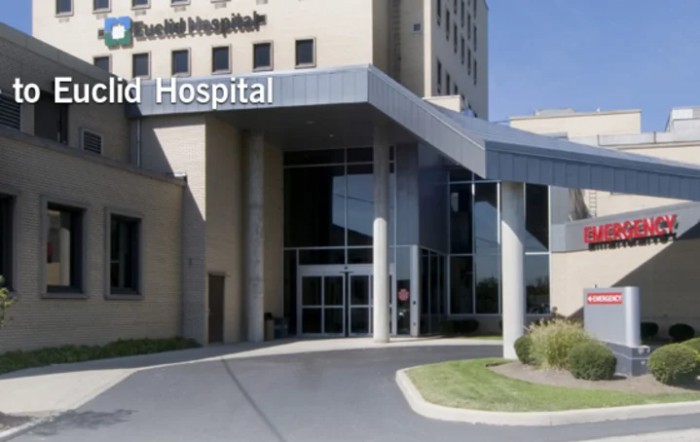
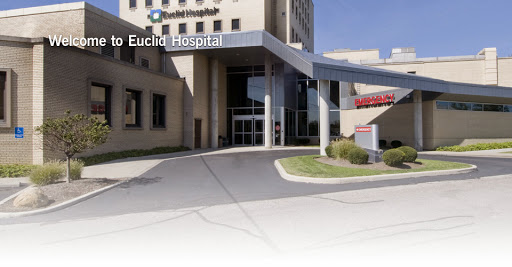
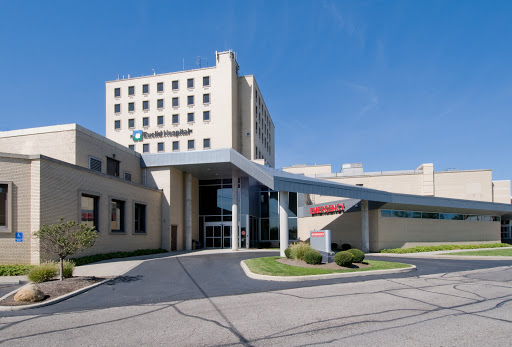
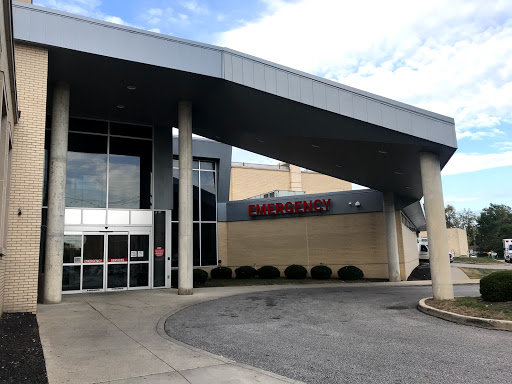
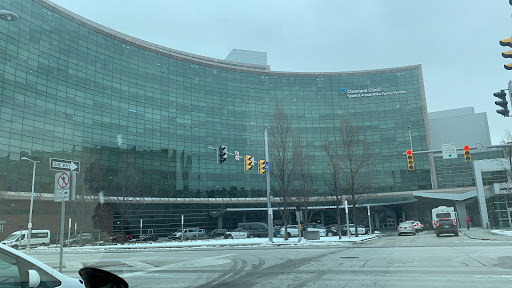
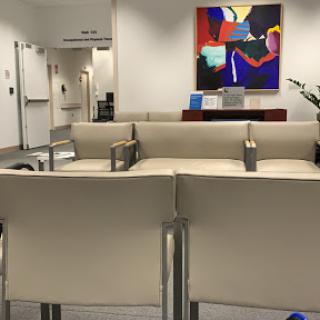
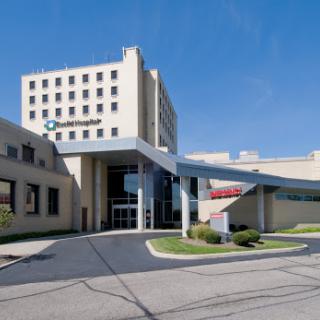
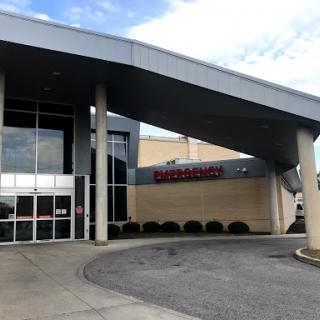
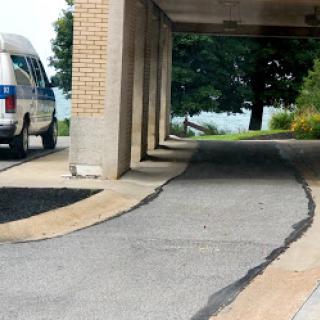
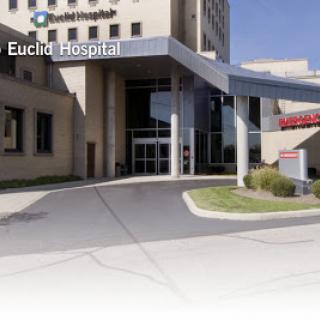
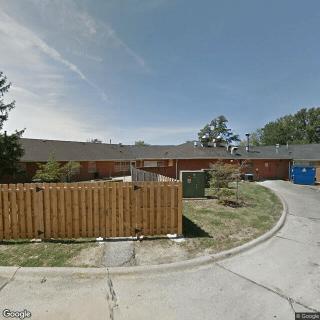
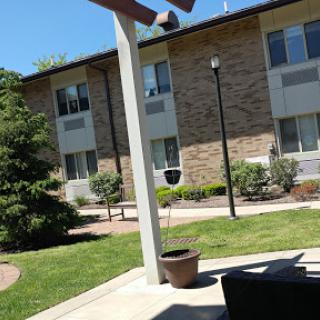
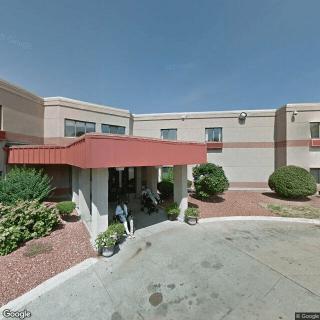
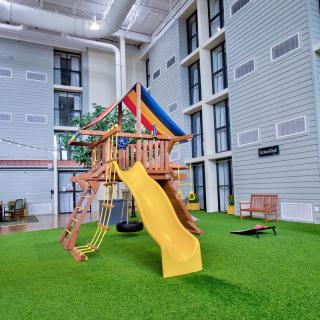
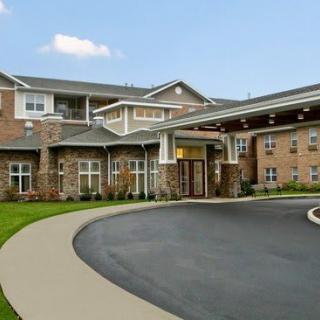
Euclid Subacute Care Center on seniors.fyi includes 11 photos including images showing building, architecture, nature, healthcare, water, entrance, exterior, outdoor, and more.
Nearby Communities
Gateway Family House
Cleveland, OH
4 from 43 reviews
$2,950 / month
Friendly staff and a clean, well-maintained facility.
Gateway Health Care Center
Euclid, OH
4.3 from 84 reviews
Some staff are attentive and residents appear engaged.
Gateway Retirement Community
Euclid, OH
3.5 from 15 reviews
Convenient access to parks, pharmacies, physicians, restaurants, places of worship, and a nearby hospital.
Slovene Home For The Aged
Cleveland, OH
4.3 from 87 reviews
Friendly staff in a modern dual-care facility with seamless transitions between assisted living and nursing care.
Euclid Beach Healthcare
Cleveland, OH
3 from 28 reviews
Wide range of on-site amenities and support services (care, meals, transport, Wi?Fi, fitness, beauty salon, garden).
ManorCare Health Svc Euclid Beach
Cleveland, OH
1.3 from 3 reviews
Clean, friendly impression during tours with ample staff and outdoor access.
Tapestry Senior Living Wickliffe
Wickliffe, OH
4.1 from 74 reviews
$2,810 to $5,840 / month
Strong front-desk staff with proactive, clear communication.
The Winfield at Richmond Heights
Richmond Heights, OH
4.3 from 96 reviews
$2,970 to $3,370 / month
Friendly staff and a variety of engaging activities create a welcoming community.
Kemper House Highland Heights
Highland Heights, OH
4.6 from 43 reviews
$4,590 to $6,360 / month
Engaging activities with attentive staff and strong memory care focus.
Caregiver burnout is a common issue resulting from the intense physical, emotional, and mental demands of caregiving, leading to symptoms like fatigue and social withdrawal. To prevent burnout, caregivers should recognize early warning signs and implement self-care strategies, seek support, and prioritize their own well-being alongside that of those they care for.
Caregiver exhaustion, or burnout, stems from the relentless demands of caregiving, leading to emotional and physical depletion characterized by stress, frustration, and neglect of personal needs. Addressing this burden is essential to prevent long-term consequences, with early recognition and support being crucial for caregivers to maintain balance and implement self-care.
Hospice care at home provides specialized end-of-life support that focuses on comfort and dignity for individuals with life-limiting illnesses, offering a range of services including medical management, emotional and spiritual support, and logistical assistance tailored to the family's needs. It involves collaboration to create individualized care plans and extends to bereavement support after a loved one's passing.
Get PricingAsk A QuestionSchedule A TourContact Senior Advisor
By clicking submit, you agree to our Partner's Terms of Use. You
also consent to receive calls and texts, which may be autodialed, from our Partner. Your consent is not a condition to
using our Partner's service. Please visit our Partner's Privacy Policy for information about their privacy practices.






 40 resident community capacity
 Skilled Nursing Facility
 Beauty salon
 Cable or satellite TV
 Dining room
 Fully furnished
 Garden
 Housekeeping services
 Kitchenette
 Move-in coordination
 Outdoor space
 Restaurant-style dining
 Small library
 Telephone
 Wi-Fi/high-speed internet available
 Cleveland-Hopkins International (20 miles away)
 24-hour call system
 Activities of daily living assistance
 Assistance with bathing
 Assistance with dressing
 Assistance with transfers
 Diabetes diet
 Medication management
 Mental wellness program
 Special dietary restrictions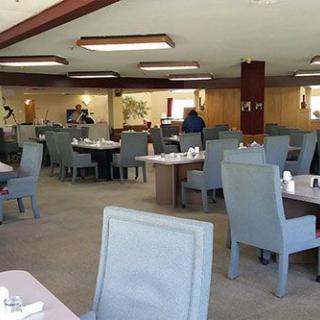
 Friendly staff and a clean, well-maintained facility.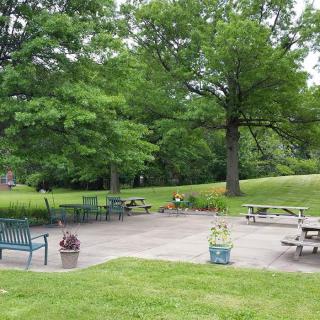

 Caring for Those Who Care: Recognizing, Understanding, and Overcoming Caregiver Burnout
 Caregiver Exhaustion: Recognizing the Signs and Restoring Your Well-Being
 Understanding Hospice Care at Home: Comprehensive Services, Key Benefits, and Eligibility