5970 Kenwood Road, Cincinnati, OH 45243
For more information about senior living options: (866) 208-4318
Overall Review of Madeira Healthcare
Pros
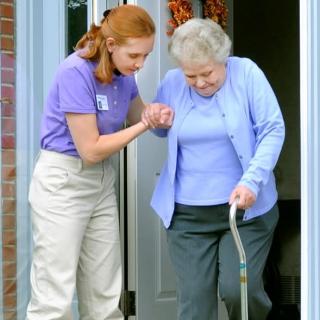
 The staff greet residents with warm smiles and provide professional care.
- Residents experience attentive nursing and pleasant aides.
- The facility offers scheduled outings and a friendly transportation/recreation program.
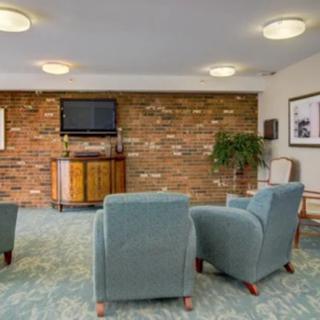
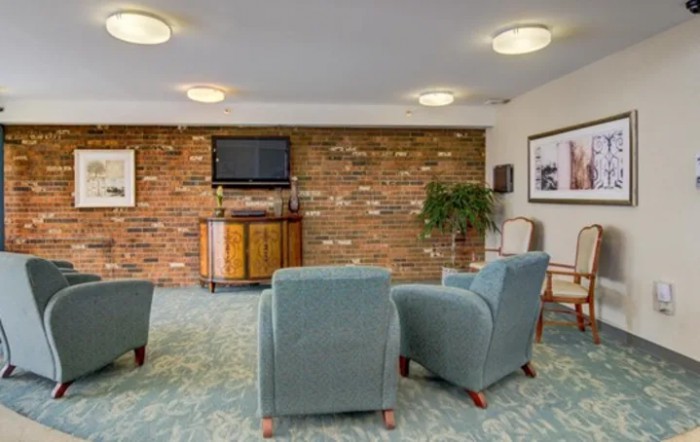
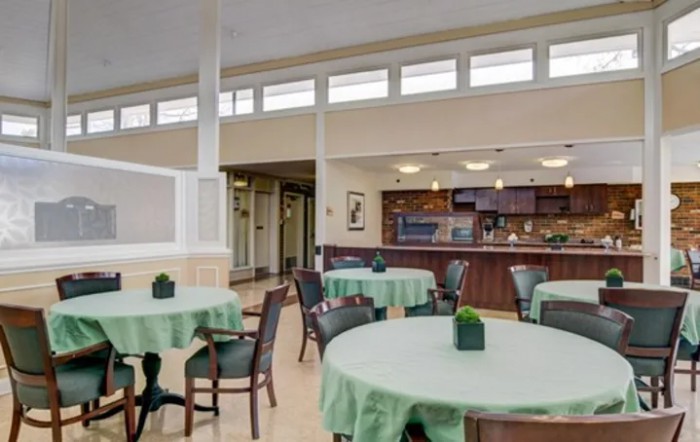
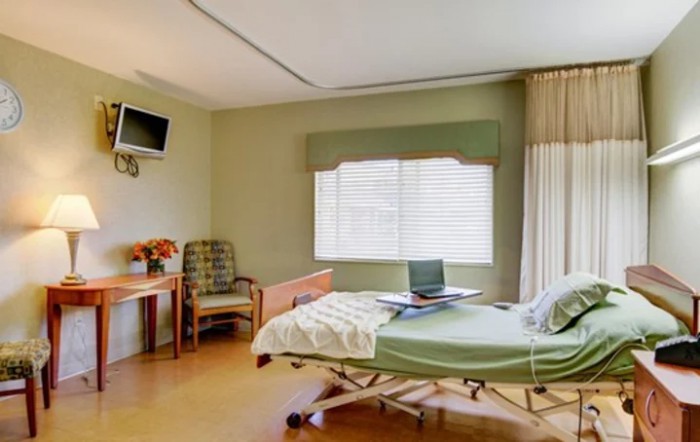
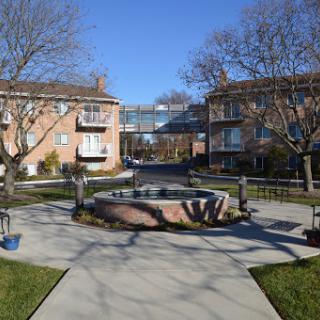
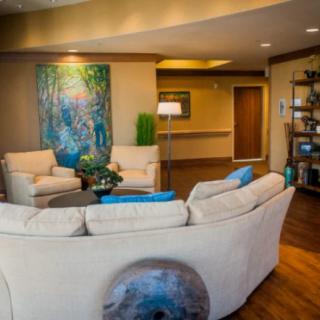
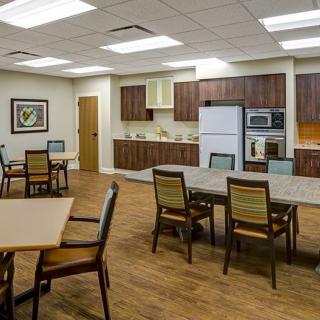
- The facility feels inviting and comfortable, with good temperature and cleanliness.
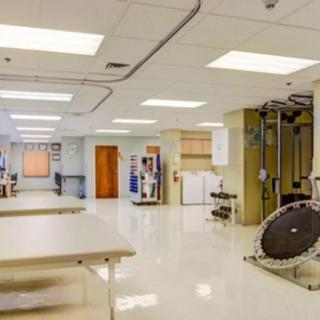
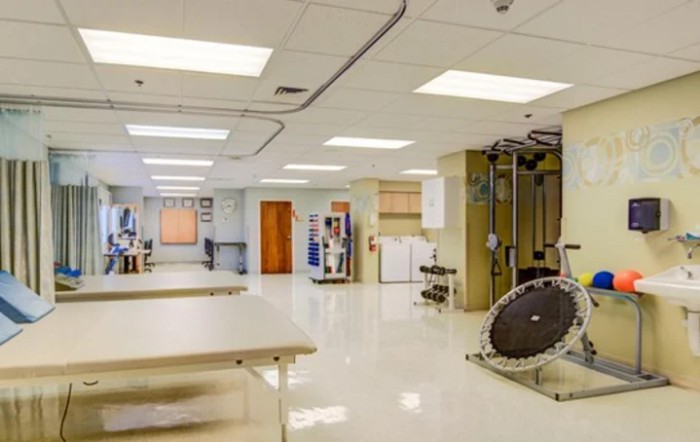
- The physical therapy program is excellent.
- The director, Andre, is helpful and accommodating, making families feel at ease.
- The floors and bathrooms are kept very clean.
- The staff treat families with warmth and as part of the family.
- Residents and families receive regular updates on conditions and schedules.
Cons
 They caution against sending a loved one to Heartland of Madeira.
- They were not greeted by anyone upon arrival.
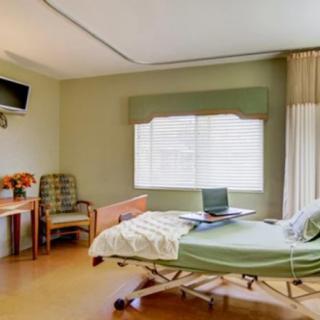
- The bed or room was not ready when her mom arrived, forcing a wait.
- They had to flag down one of the only nurses available.
- They state no one bothered to call to obtain an actual care report for her.
- Her mom waited over four hours for a proper bed and did not receive medications for 14 hours.
- Numerous oxygen machines did not work, and they had to flag down a nurse at night to suction her trach.
- There was one nurse for 25 patients and one PCA, indicating severe understaffing.
- Her mom’s rooms were transferred without gloves, soap, or paper towels in the bathroom.
- The facility was described as a complete dump and should not be running.
- They would not wish this place on anyone.
- Communications by phone were poor; calls were repeatedly hung up or sent to voicemail.
- The aides were unprofessional, loud, and often on their phones.
- A relative’s aunt had a dirty room, no working call button or TV, and endured soiled sheets due to neglect.
Review
Madeira Healthcare is best suited for families that prioritize a therapy-driven skilled renewal with attentive, personable staff who foster a welcoming, home-like environment. The strongest case rests with residents entering rehab after a fall, stroke, or surgery who need daily physical therapy and ongoing nursing oversight, paired with regular family updates and a warm reception from front-line caregivers. The facility shows promise when the care team is engaged, the floors are clean, and there is at least a visible effort to keep residents active through outings and a transportation/recreation program. In short, this community rewards families that can actively partner with staff to monitor progress and intervene when questions arise.
Those considering alternatives should note that this is not the easiest option for families seeking near-perfect reliability in routine operations. If constant, predictable med administration, prompt responses to call buttons, and consistently clean, well-equipped rooms are non-negotiable, other facilities with higher nurse-to-resident ratios and tighter operational controls may be preferable. For families depending on Medicaid, Madeira can be a viable choice, but the mixed performance on everyday logistics suggests evaluating competing options with stronger day-to-day reliability and clearer communication channels before committing.
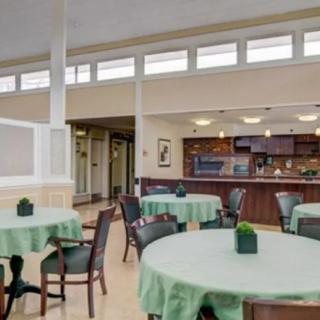
On the upside, the care staff frequently earns praise for warmth, professionalism, and hands-on nursing attention. Nursing staff are described as attentive, with aides contributing meaningful support in daily tasks. The rehabilitation program is repeatedly highlighted as a core strength: residents report effective physical and occupational therapy, with therapists who take the time to tailor transfers and gait work to individual needs. The building and housekeeping practices receive compliments for cleanliness, and the dining program is noted for good food quality and temperature. For families seeking tangible rehab results and staff who demonstrate care beyond a surface level, Madeira delivers meaningful value when the care team is at full tilt.
Yet significant concerns surface in several reviews that cannot be dismissed. Staffing strain stands out: reports of a single nurse to many patients, delays in medication delivery, and frequent gaps in basic supplies (gloves, soap, towels) create risk and anxiety for families. Other recurring irritants include rooms not being ready on admission, inconsistent bed arrangements, and moments where communication with the front desk or administration feels inaccessible or unresponsive. Multiple accounts describe med passes forgotten or delayed, and some residents experienced lapses in routine monitoring that elevated the worry level for families. These operational gaps are real, and they color every positive element with a note of caution.
The key calculus is whether the strengths in therapy, warmth of the direct caregivers, and the clean, inviting environment can offset the persistent operational weaknesses. When the therapy team is fully engaged and oversight is steady, residents show improvement and families report reassurance from frequent touchpoints and visible care collaboration. But when med passes slip, communication falters, or basic daily logistics stall, the gains from therapy can be undermined by safety and reliability concerns. The strongest path forward is to demand concrete assurances: consistent assignment of a primary nurse and aide team, clear medication administration schedules, documented care plans, and direct access to program leadership for rapid issue resolution. In this light, Madeira can be a strong match for some families, provided expectations are aligned with proactive, hands-on governance.
In the end, families weighing Madeira should frame it as a values-versus-risk decision. If the priority is a robust rehabilitation trajectory, staff who genuinely engage families, and a clean, welcoming setting, Madeira earns serious consideration. If, instead, the highest priority is rock-solid medication punctuality, seamless day-to-day operations, and near-perfect reliability in every interaction, exploring alternatives is prudent. Begin with a candid on-site tour focused on therapy availability, staffing patterns, and a plan for 48-hour response times to concerns; insist on meeting the director and a few frontline caregivers; and request a written, measurable care-and-communications plan before making a commitment.
 131 resident community capacity
 Skilled Nursing Facility
 Air-conditioning
 Beauty salon
 Cable or satellite TV
 Computer center
 Dining room
 Fitness room
 Fully furnished
 Gaming room
 Garden
 Housekeeping services
 Kitchenette
 Move-in coordination
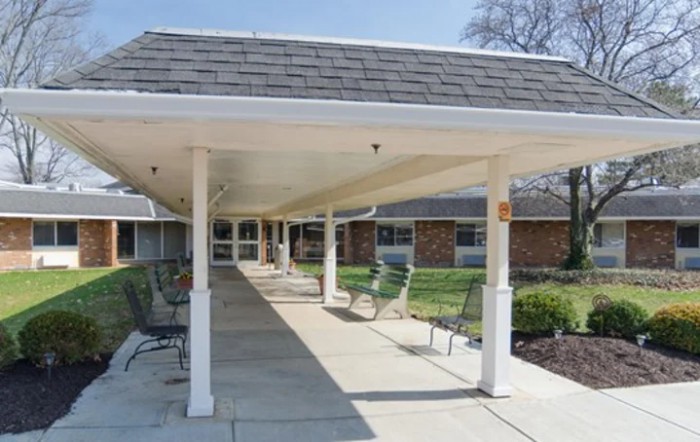
 Outdoor space
 Private bathrooms
 Restaurant-style dining
 Small library
 Telephone
 Wellness center
 Wi-Fi/high-speed internet available
 Cincinnati Northern Kentucky International (17 miles away)
 Community operated transportation
 12-16 hour nursing
 24-hour call system
 Activities of daily living assistance
 Assistance with bathing
 Assistance with dressing
 Assistance with transfers
 Diabetes diet
 Medication management
 Mental wellness program
 Special dietary restrictions
 Concierge services
 Planned day trips


 Senior Move Management: Understanding the Role, Value, and Associated Costs
 Weight Training for Seniors: Building Strength and Vitality
 Understanding the Sandwich Generation: Stress and Responsibilities for Multigenerational Caregivers