
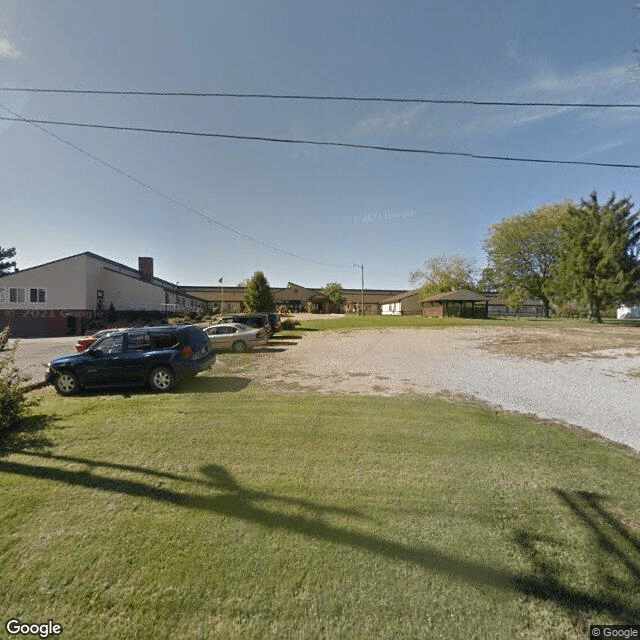
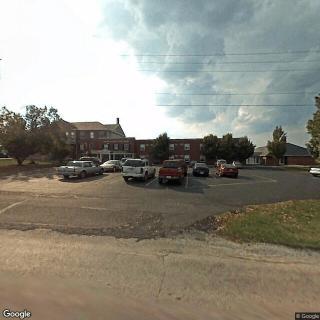
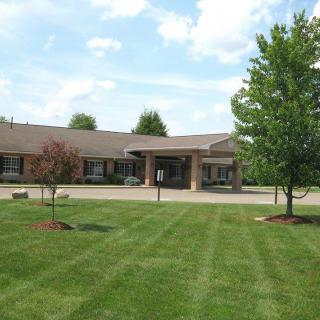
400 Carrie Ave, Barnesville, OH 43713
To contact a resident: (740) 425-3648
For more information about senior living options: (866) 208-4318
Overall Review of Barnesville Health Care Ctr
Pros
 They hope for timely blood work and proper medical testing.
- They look forward to compassionate, respectful staff and clear communication.
- They wish to feel safe and supported by the care team.
- They want transparent, attentive care that listens to their needs.
- They believe steps toward improvement could lead to better outcomes.
Cons
 They are very disappointed with the agency since January 2020.
- They say the agency has done nothing for them, including no blood work.
- They were accused of not taking their medicine.
- They claim staff have spoken about them to other clients and client staff.
- They are very scared of this place.
- They don’t know what to do.
Review
Barnesville Health Care Center in Barnesville, Ohio, is best suited for seniors who want a small, straightforward care environment and can rely on a proactive family or trusted advocate to stay closely involved in medical monitoring. The setting may appeal to residents who value a quieter, community feel and predictable daily routines, where staff relationships can be personally familiar and accessible. That said, this facility is not ideal for those who need tight, consistent medical oversight, meticulous medication management, or privacy-respecting communication as core expectations. Family members should enter with a clear plan for ongoing involvement and a readiness to push for prompt, professional responses when concerns arise.
The strongest red flag in the available feedback centers on the risk of inconsistent medical management and troubling staff conduct. One resident describes a cascade of failures since early 2020: no blood work performed, accusations about medication adherence, and conversations about the resident with other clients and staff. That combination creates a climate of fear and erodes trust in the care team. Such issues are not minor administrative glitches; they touch on essential safety practices and patient confidentiality. For anyone with chronic conditions, complex medication regimens, or a need for reliable lab monitoring, these reports point to a nontrivial likelihood of gaps in care.
Pros that can be inferred from the positive end of the rating spectrum appear to hinge on the potential for individualized attention and a close-knit, small-community experience. A five-star voice suggests that, at times, residents can encounter courteous staff and a warm atmosphere that feels personal. However, in the face of a credible, severe complaint about medical neglect and privacy breaches, these advantages struggle to compensate. The facility’s ability to deliver consistent, respectful, and medically sound care remains uncertain for many residents, and the positive signal cannot be counted on as a predictable baseline.
In weighing the decision, the key question is whether the potential benefits of a low-key, neighborly setting outweigh the risks of lapses in medical oversight and integrity. The negative experience indicates that, without strong family advocacy and rigorous internal controls, the downsides can translate into real health hazards and a compromised sense of safety. If choosing Barnesville Health Care Center, a plan of action is essential: insist on clear medication-management policies, guaranteed nursing oversight, and routine lab work with documented results. Family members should also demand transparent, confidential communication practices and a proactive approach to addressing concerns before they escalate.
During a visit, attention should be paid to staffing structure, turnover, and how the facility handles complaints and incident reporting. Prospective residents should verify who orders and reviews medications, how often labs are drawn, and what steps are taken if a lab result is abnormal. Observe interactions between staff and residents for signs of respect, responsiveness, and privacy protection. Request to speak with the administrator and the director of nursing about policies on medication administration, patient privacy, and how staff communicate concerns to families. It is reasonable to demand recent survey findings, audit results, or quality-improvement plans that address the very issues highlighted in the grave warning from the negative review.
The bottom line is clear: Barnesville Health Care Center is not the default recommendation for seniors requiring dependable medical management and uncompromising privacy. Its mixed-to-middling review profile signals a meaningful risk that care quality may hinge on staffing and oversight that fluctuate over time. For families prioritizing consistent clinical coordination, transparent communication, and respectful treatment, exploring alternatives with stronger, verifiable track records is prudent. If this community remains on the short list, approach it with disciplined expectations, insist on concrete guarantees, and arrange for frequent check-ins and exit criteria tied to measurable care benchmarks. The goal is to prevent a scenario where a good fit on paper becomes a painful, avoidable health and trust failure in practice.
 Skilled Nursing Facility


 Exploring Palliative Care in the Home: A Comprehensive Overview
 Comprehensive Insights into Palliative Home Care: What It Is and What to Expect
 Skilled Nursing Facilities vs. Nursing Homes: Making Sense of the Differences