

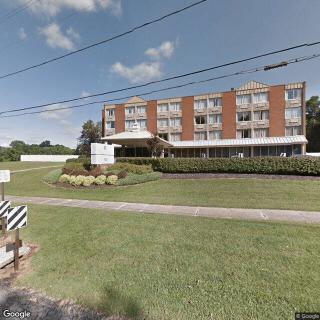
477 E Market St, Akron, OH 44304
To contact a resident: (330) 375-7357
For more information about senior living options: (866) 208-4318
Overall Review of Summa Rehabilitation Services
Pros
 It was very clean.
- The social worker was really wonderful to come and help.
- All the therapy was excellent.
Cons
 The discharge duration was not communicated to the family until just before discharge.
- The staff failed to inform the patient how long he could stay in the facility.
- The information about the length of stay was given at the last minute, causing frustration.
- There was a lack of clear communication regarding discharge timing.
Review
Summa Rehabilitation Services in Akron is best suited for seniors who transition home from hospital care and need focused, professional therapy to restore function, with a clean, orderly environment that supports safety and dignity. The core value here centers on high-quality rehabilitation delivered by a robust therapy team and a social work staff that coordinates discharge planning and community services. This is not a long-term care setting; it is a targeted post-acute rehab option where progress is measured in tangible gains, gait improvement, independence with activities of daily living, and smoother handoffs to home or community-based supports. Families pursuing clear, concrete short-term goals will find substantial alignment, provided the stay length and discharge processes align with expectations. The notable caveat is the possibility of opaque stay-length policies that surface late in the process.
Cleanliness stands out as a tangible strength, creating an environment where residents feel secure and comfortable during a vulnerable recovery period. The facility’s upkeep sends a message that safety and attention to detail matter, which can ease anxiety for families watching a loved one relearn routines. Equally important is the social work component; staffers are described as genuinely helpful in navigating transitions, financing options, and coordinating aftercare. When therapy is strong and the support team is proactive, families gain confidence that medically necessary rehab will be delivered with consistency. These perks help offset the stress of recovery, but they do not erase the central negotiation around how long treatment will be available and under what terms.
The therapy program itself is a clear standout. Residents benefit from comprehensive physical and occupational interventions designed to maximize mobility, balance, and independence. When set against the need for discharge planning, excellent therapy creates a stronger foundation for successful home return, reducing the likelihood of readmission or regression. The practical reality, however, is that a high-caliber rehab bundle cannot compensate for a lack of upfront clarity on length of stay. If the plan suggests a fixed window of days, that constraint requires families to anticipate contingencies, equipment, home modifications, and caregiver support, without the premature certainty they deserve. The mismatch between robust therapy and late-disclosed policies creates avoidable friction.
Who should consider alternatives? Those who prioritize transparent, upfront timelines for length of stay and who want guarantees about how many days are allowed and what happens if more time is needed. Families with complex or protracted recovery needs, or with arrangements that depend on flexible discharge options, may find the policy ambiguity destabilizing. Additionally, anyone seeking longer-term or ongoing inpatient support beyond a post-acute rehabilitation window should compare other facilities that publish stay parameters clearly from the outset. In short, this option excels for short-term, goal-driven rehab, but may not satisfy those requiring predictable, extended residency terms.
Prospective clients should enter with specific, in-hand questions: What is the official maximum stay if recovery plateaus? How is the discharge readiness determined, and who makes the final call? Are extensions possible, and under what criteria? What exactly triggers a change in the plan if goals are delayed or achieved early? How will call-ins, transportation, and home health connections be arranged if discharge occurs suddenly? Securing explicit answers to these points before admission can avert misunderstandings and align expectations with reality. The best course is to verify written policies, request a discharge timeline summary early, and ensure the team commits to proactive communication.
In sum, Summa Rehabilitation Services offers a solid, practical option for short-term post-hospital rehab where cleanliness, a capable social work team, and strong therapy can drive meaningful recovery. The decisive caveat remains the lack of early, transparent information about stay length and discharge timing. For families who prize immediate rehab gains and a supportive transition plan, this community is a strong fit. For those who need guaranteed upfront timelines and flexible extension options, it may be prudent to explore alternatives that publish stay policies clearly and can accommodate longer or variable stay needs without last-minute surprises. The recommended approach is to pursue the program with eyes open, insisting on explicit policy details before committing.
 Skilled Nursing Facility
 Akron-Canton Regional (12 miles away)
 High acuity care




 Seniors and Modern Transportation: Exploring Uber, Lyft, and Other Ride-Hailing Options
 Comprehensive Guide to Qualifying for Home Health Care Services
 Powerful Realities of Elder Abuse and the Most Effective Ways to Report It