Overall Review of Sunset Drive - A Prospera Community
common20 reviews mention this
Staff communication and compassion stand out
Residents and families frequently describe the staff as caring, cheerful, and responsive.
Many reviewers say the staff are friendly and helpful, and several describe managers, social workers, therapists, or caregivers as available for questions and support. A number of reviews also talk about staff treating residents with respect and compassion. A smaller set of reviews express the opposite experience, describing understaffing, stressed nursing staff, and concerns that requests were not carried through.
common4 reviews mention this
Dining gets mixed feedback
Dining is a frequent topic, with praise for the food and criticism for meal quality.
Several reviewers mention good food and good service, including comments tying meals to overall satisfaction. Other feedback is less favorable, with one reviewer saying the food was heavily processed. Diet-related support is also reflected in the menu planning details the community provides for residents.
caveat6 reviews mention this
Care quality concerns are recurring
Some residents and families report serious breakdowns in day-to-day care.
A recurring negative theme is that care did not meet expectations, including concerns about neglect, insufficient therapy, and problems following through after family advocacy. Several reviews also describe understaffing and missed assistance needs, including issues raised around mobility, nutrition support, and end-of-life care. On the facilities side, the community offers skilled nursing services along with medication management, bathing, dressing, transfers, and supervision-related care needs.
caveat7 reviews mention this
Cleanliness and room comfort vary
Reviews describe both clean, attractive spaces and concerns about room cleanliness and comfort.
Some reviewers praise the facility as clean and attractive, and a few specifically mention clean rooms and a clean environment. Other feedback points to problems with room comfort and upkeep, including reports of dirty floors and bathrooms and a lack of housekeeping. There are also negative comments connecting these issues to delayed help calls and fall-risk concerns.
How we summarize
Counts show how many written reviews mention each theme; a review can touch several themes, and only frequently mentioned themes are displayed.
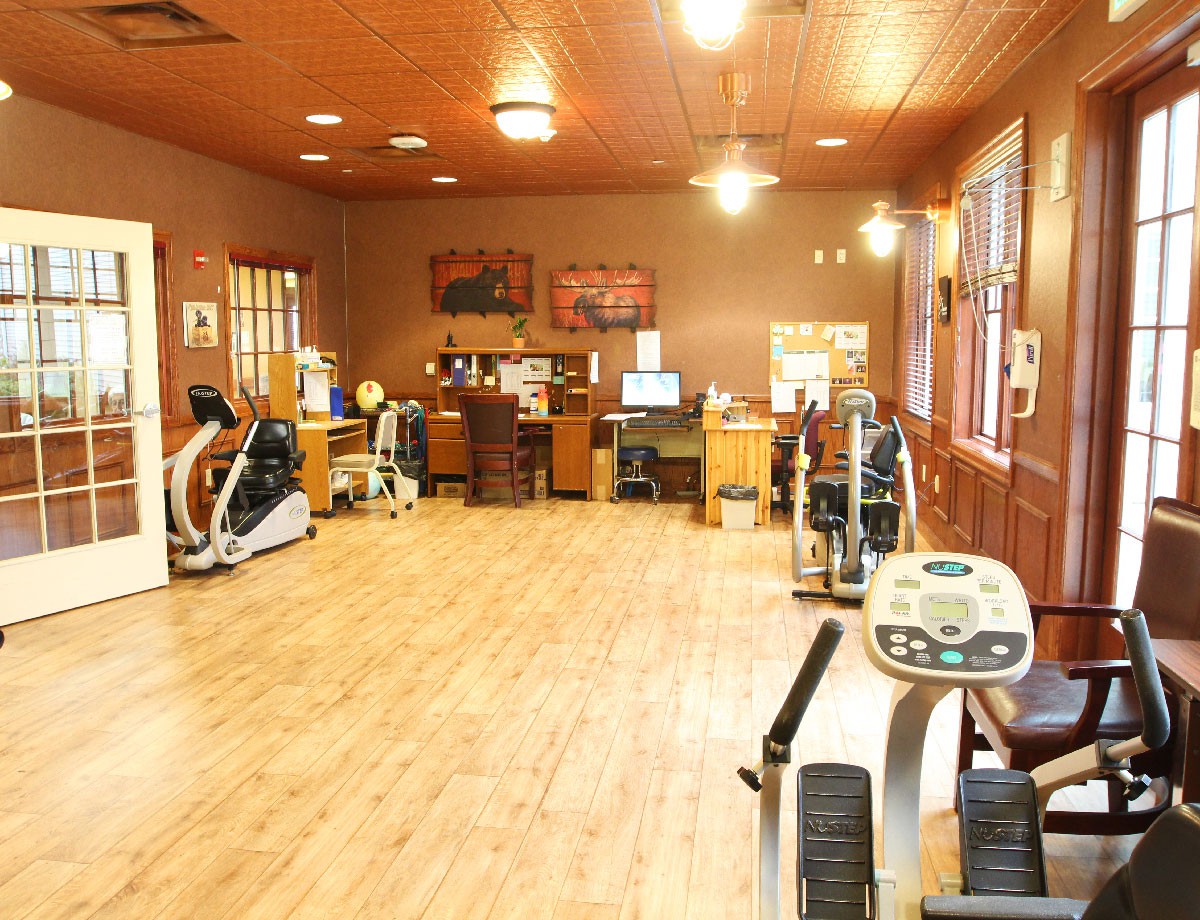
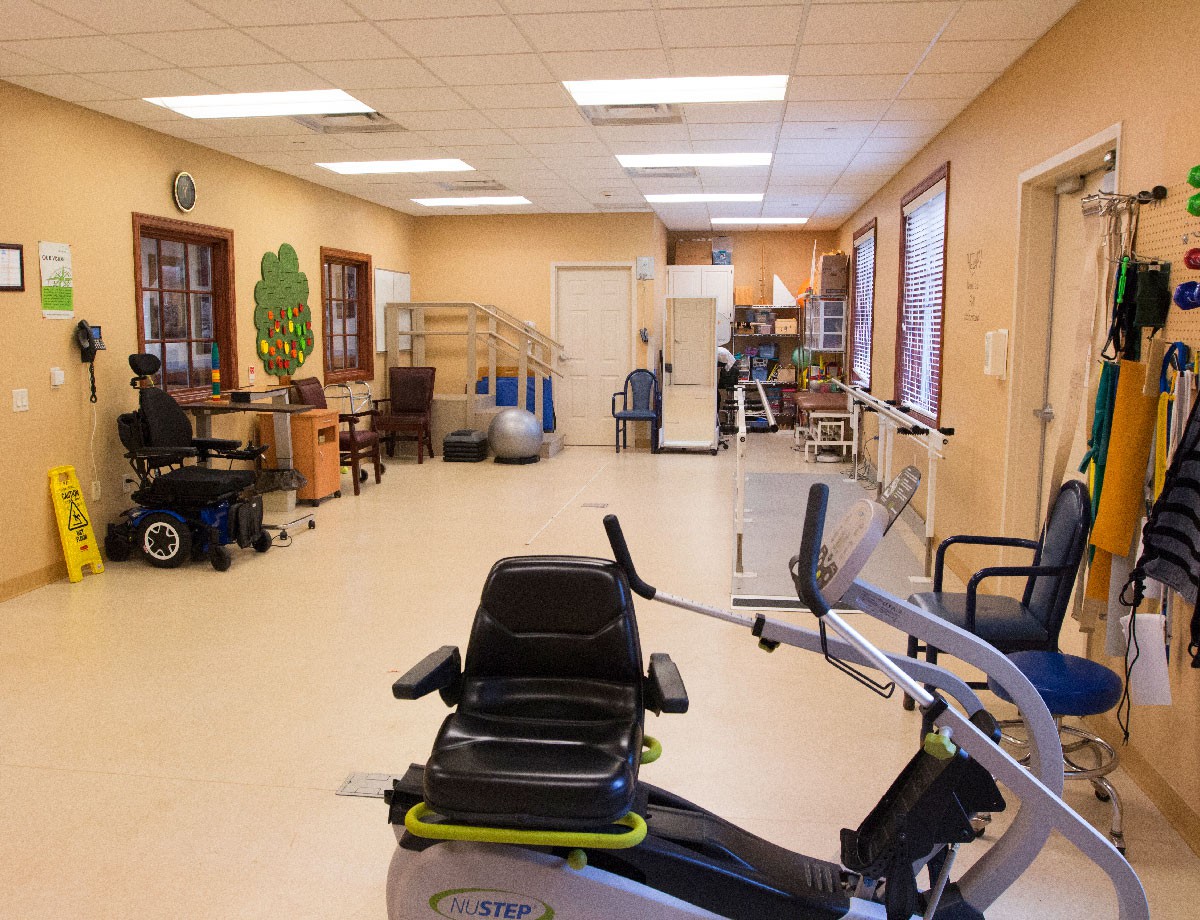
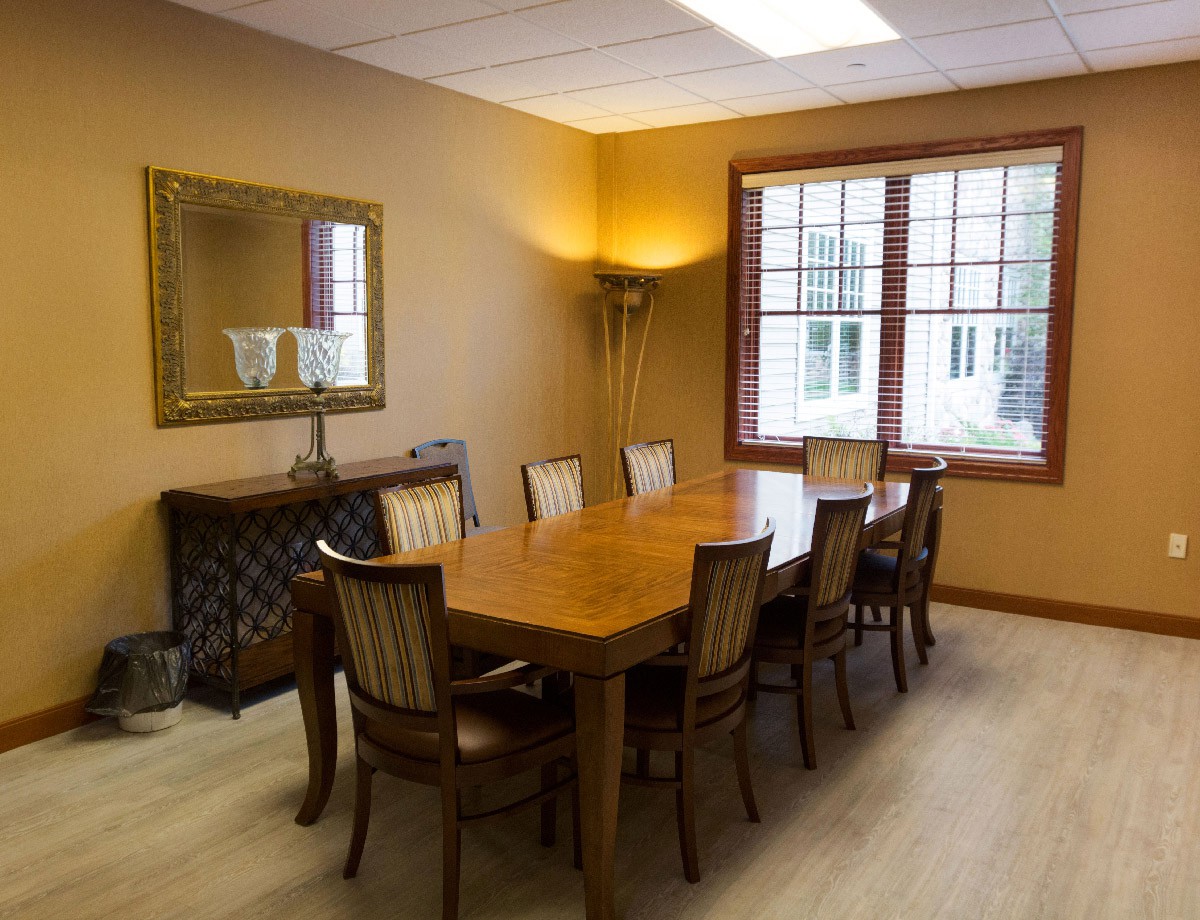
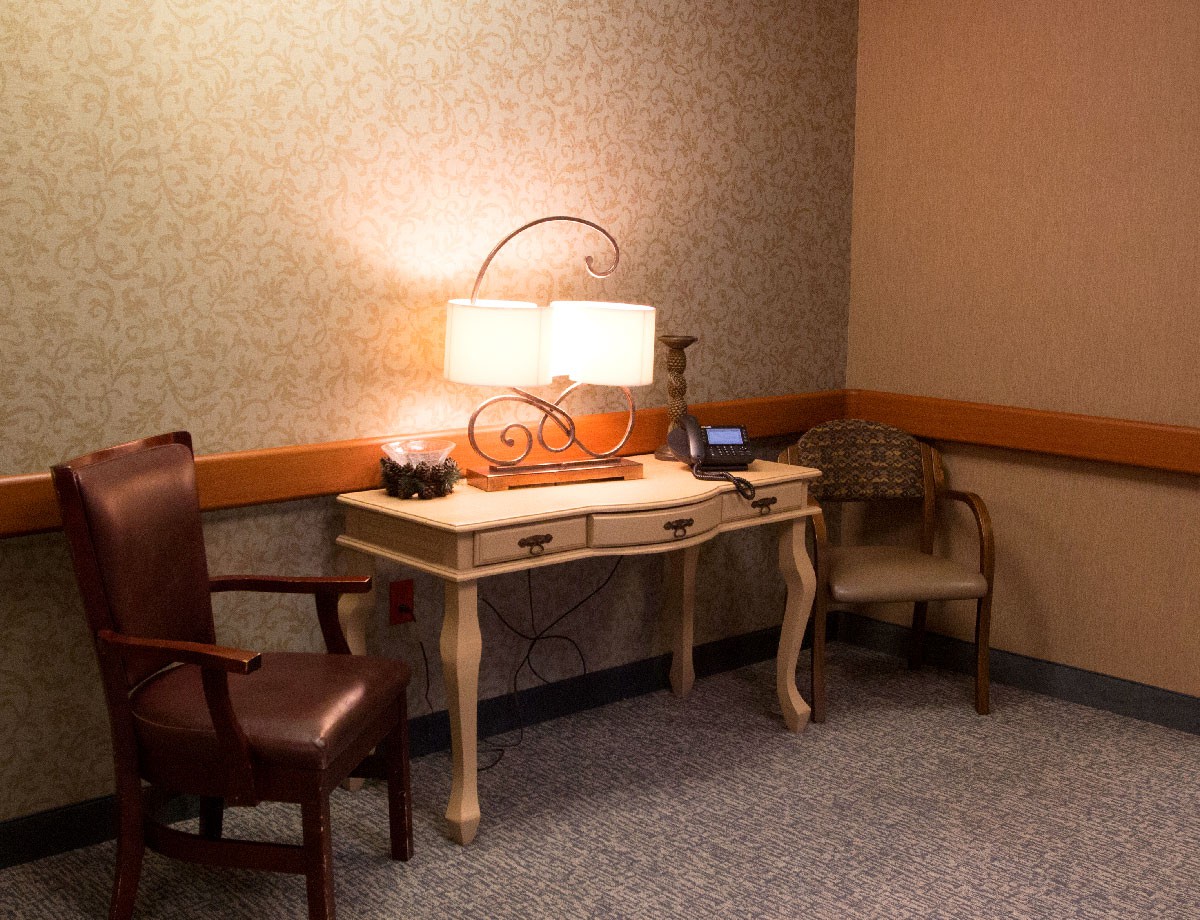
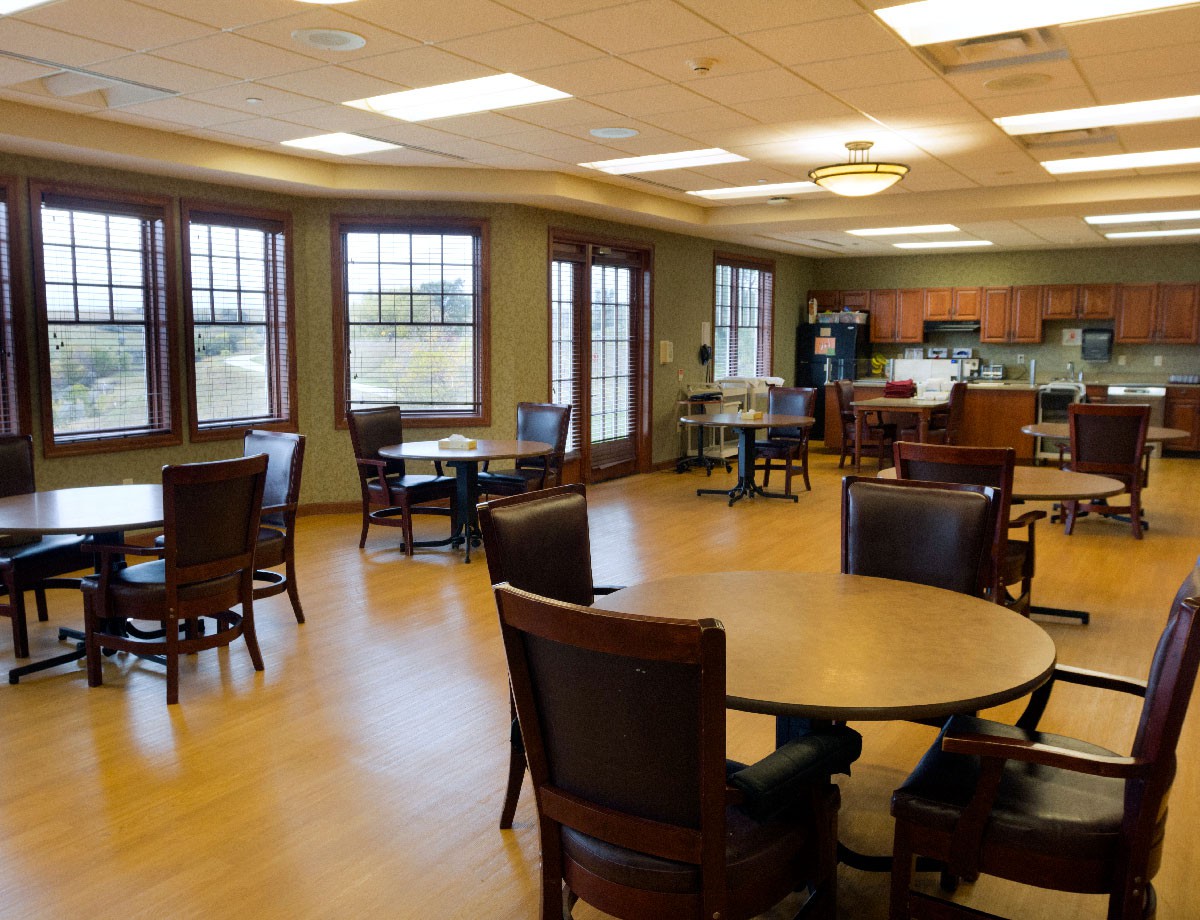
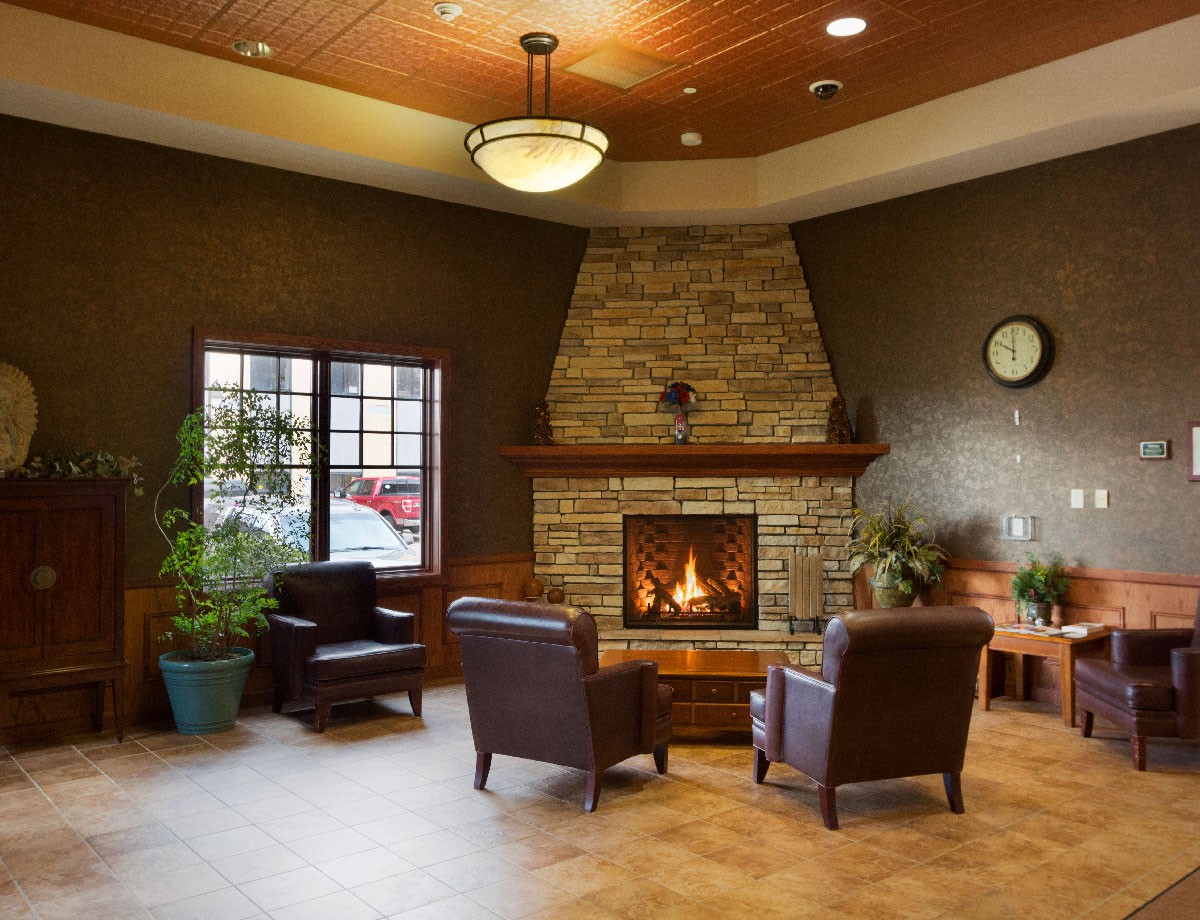
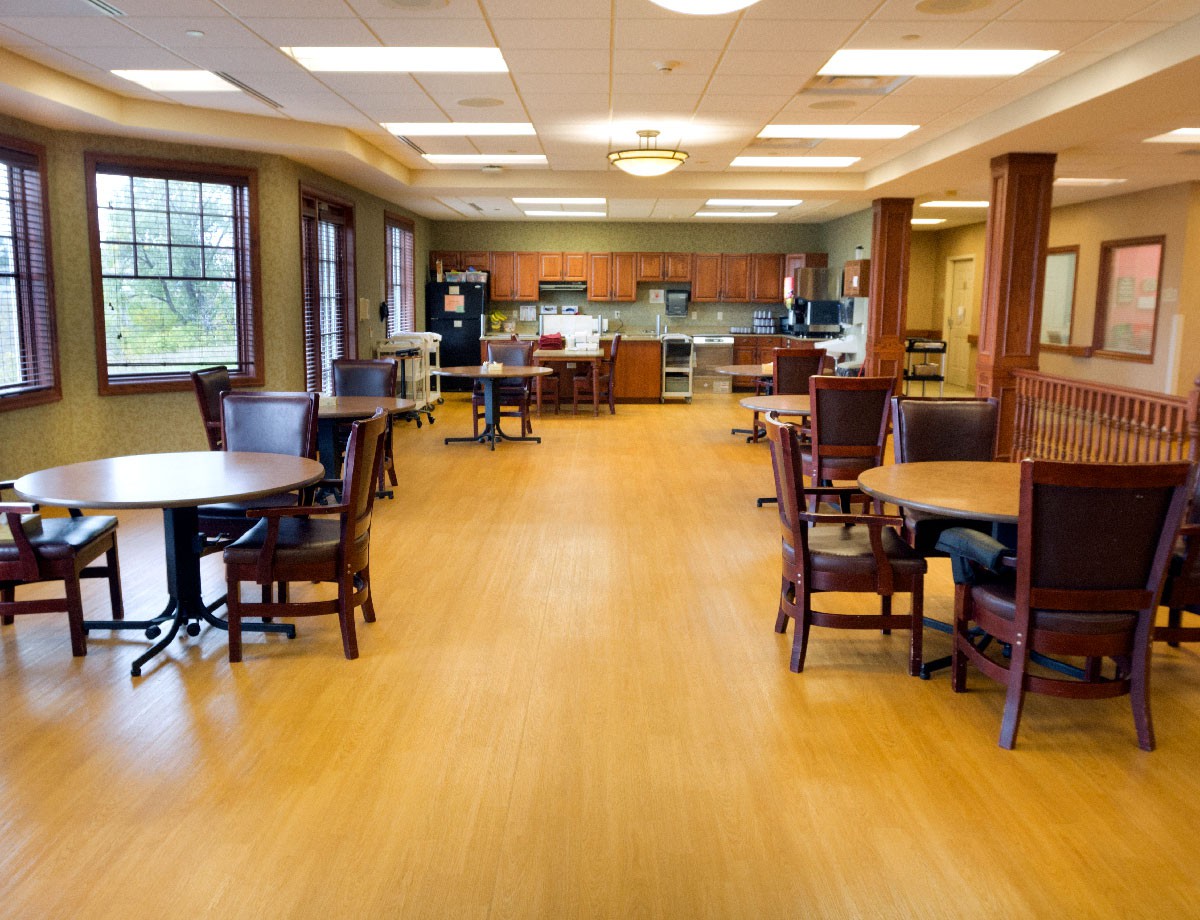
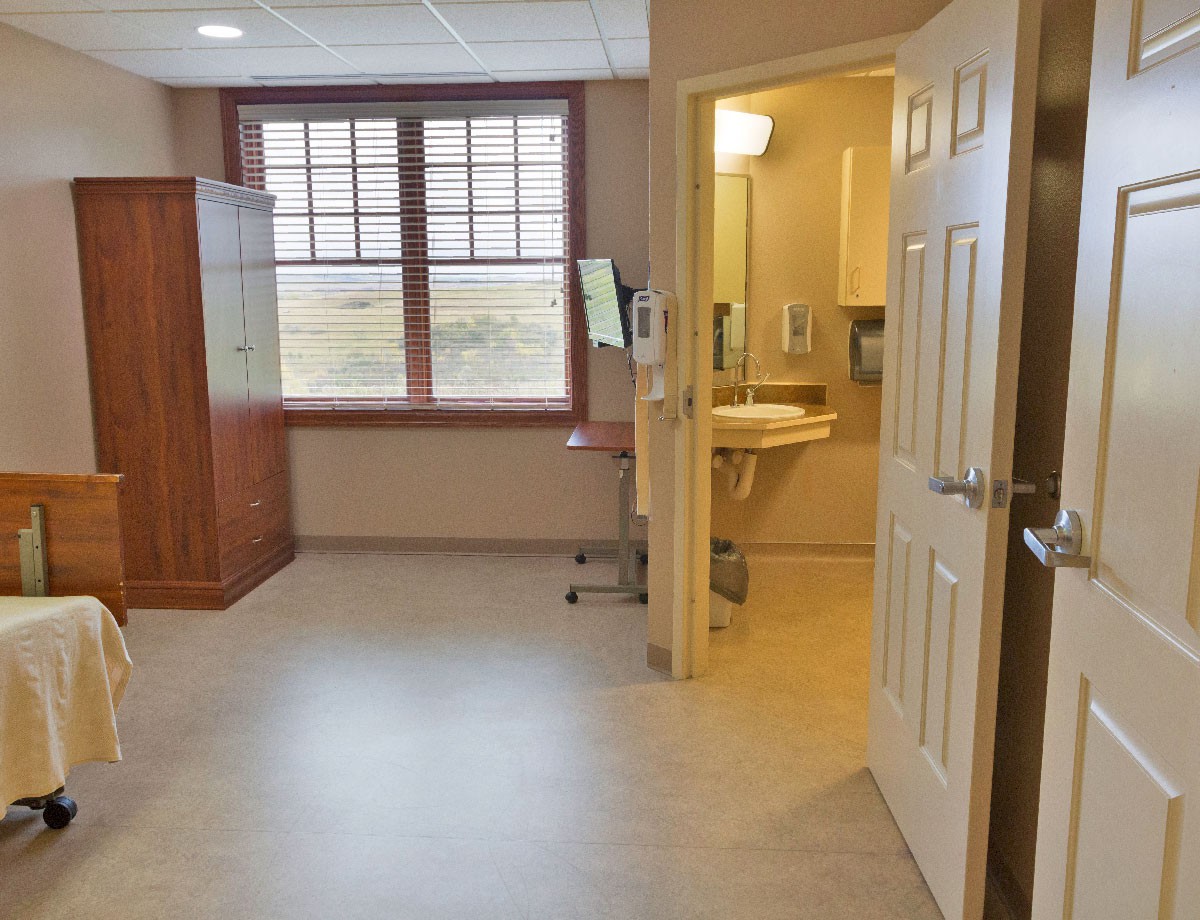
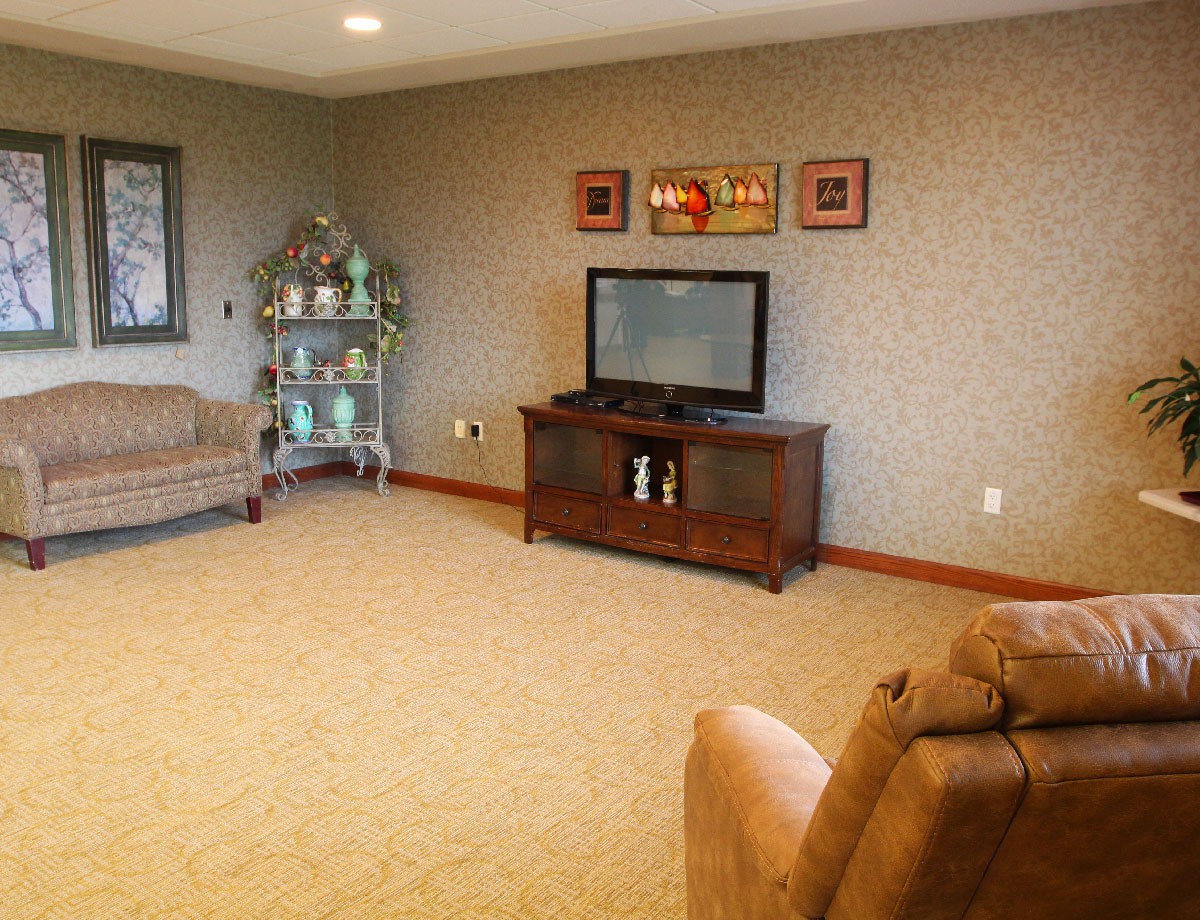
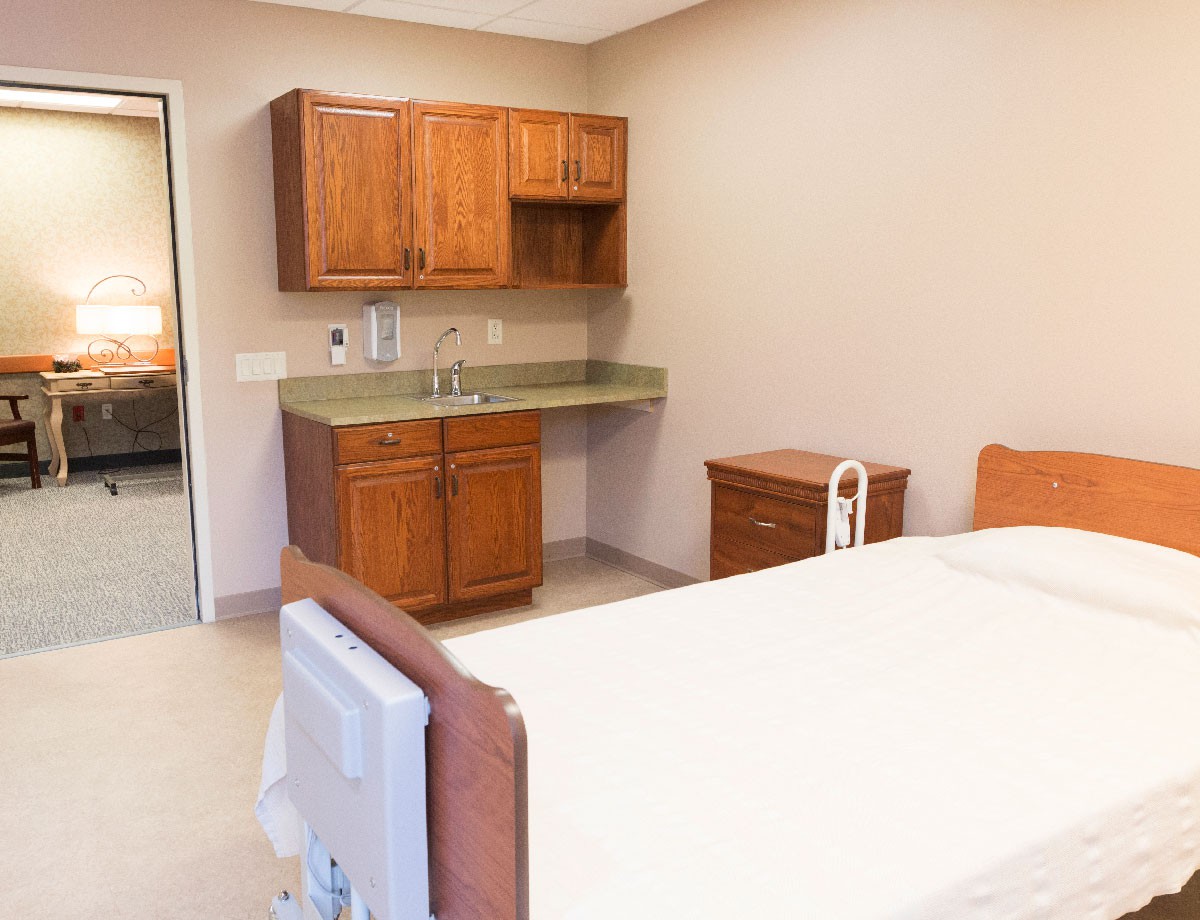
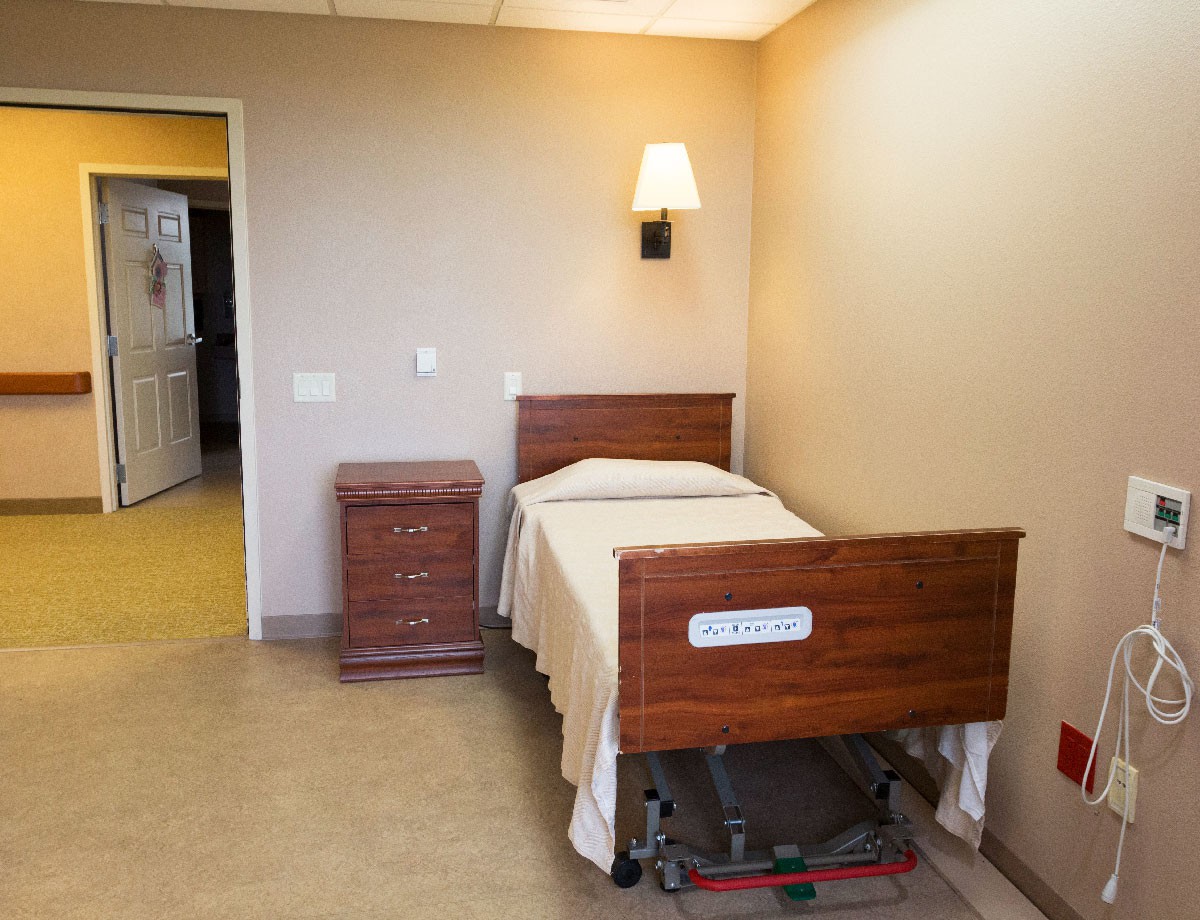
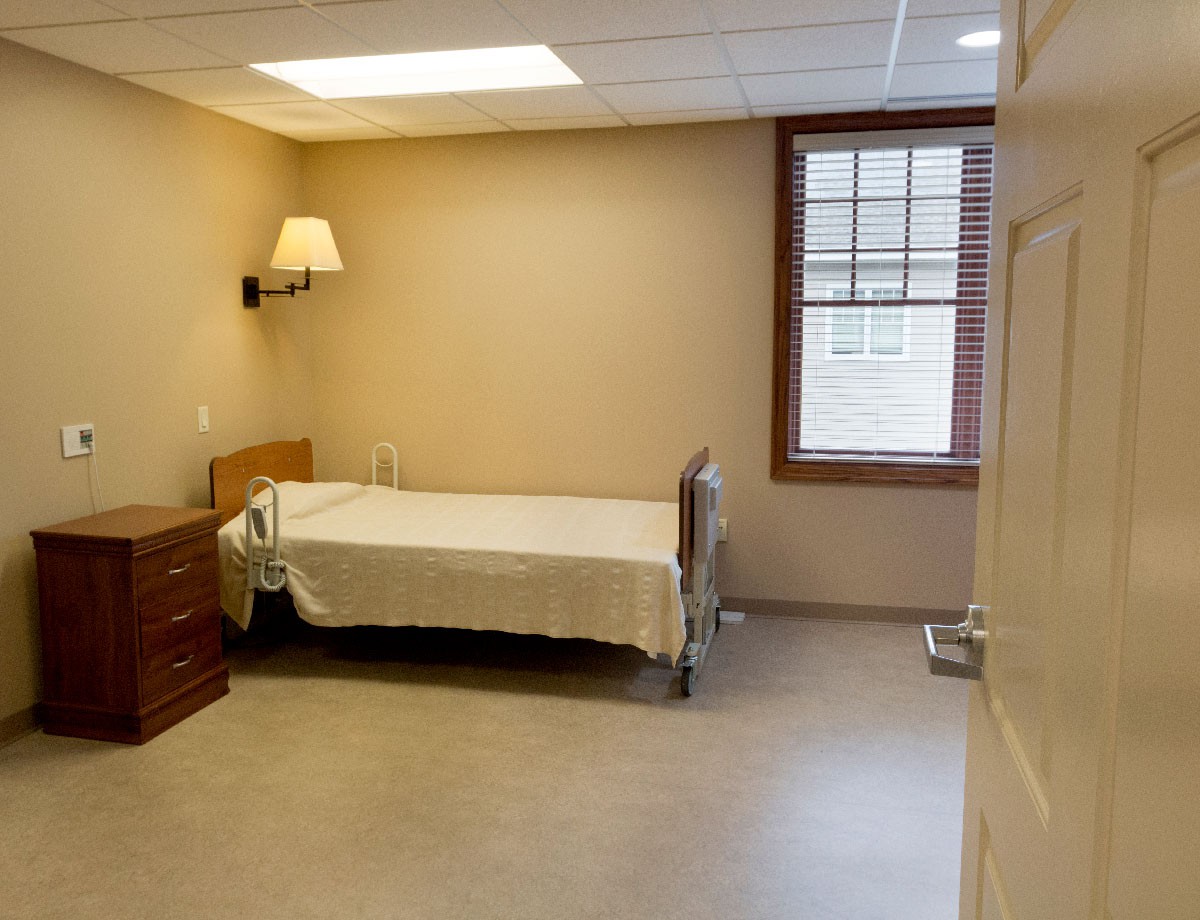
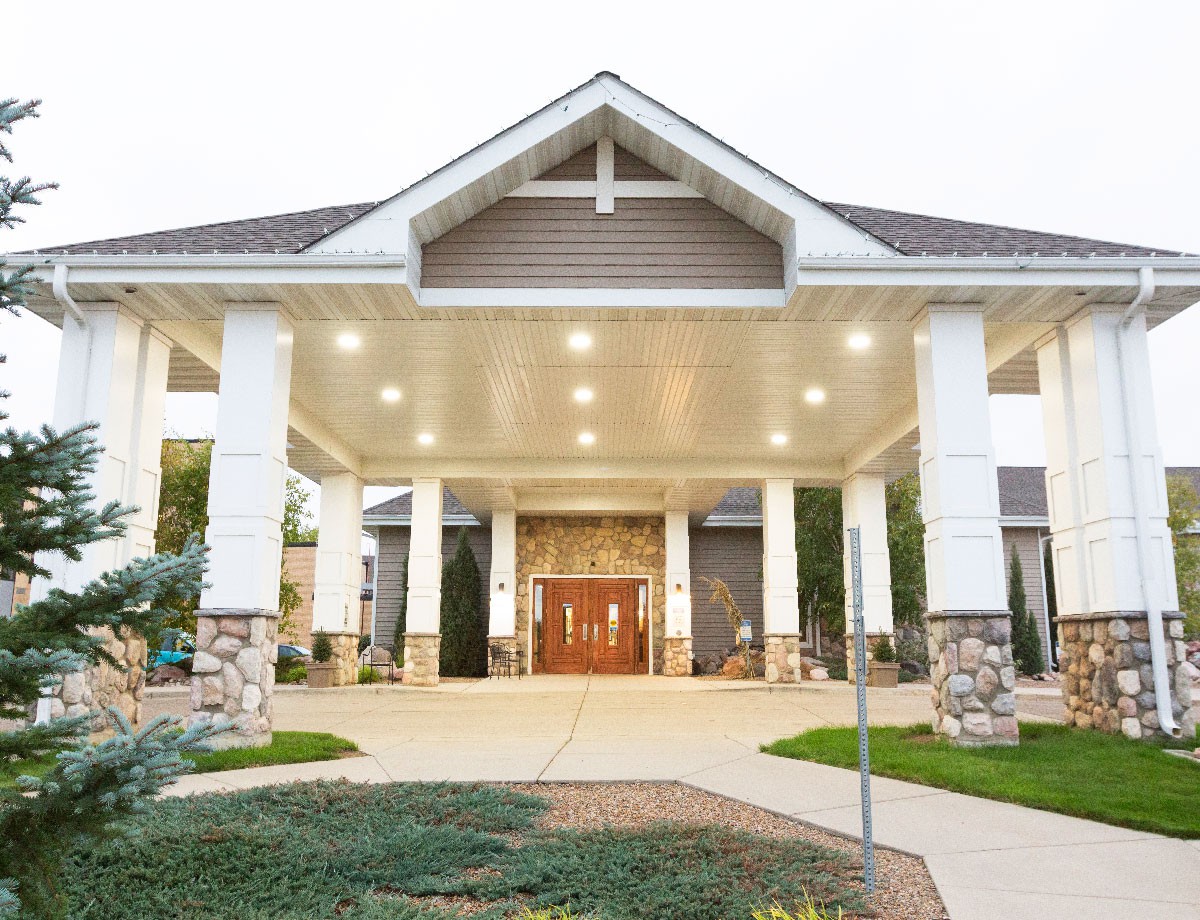
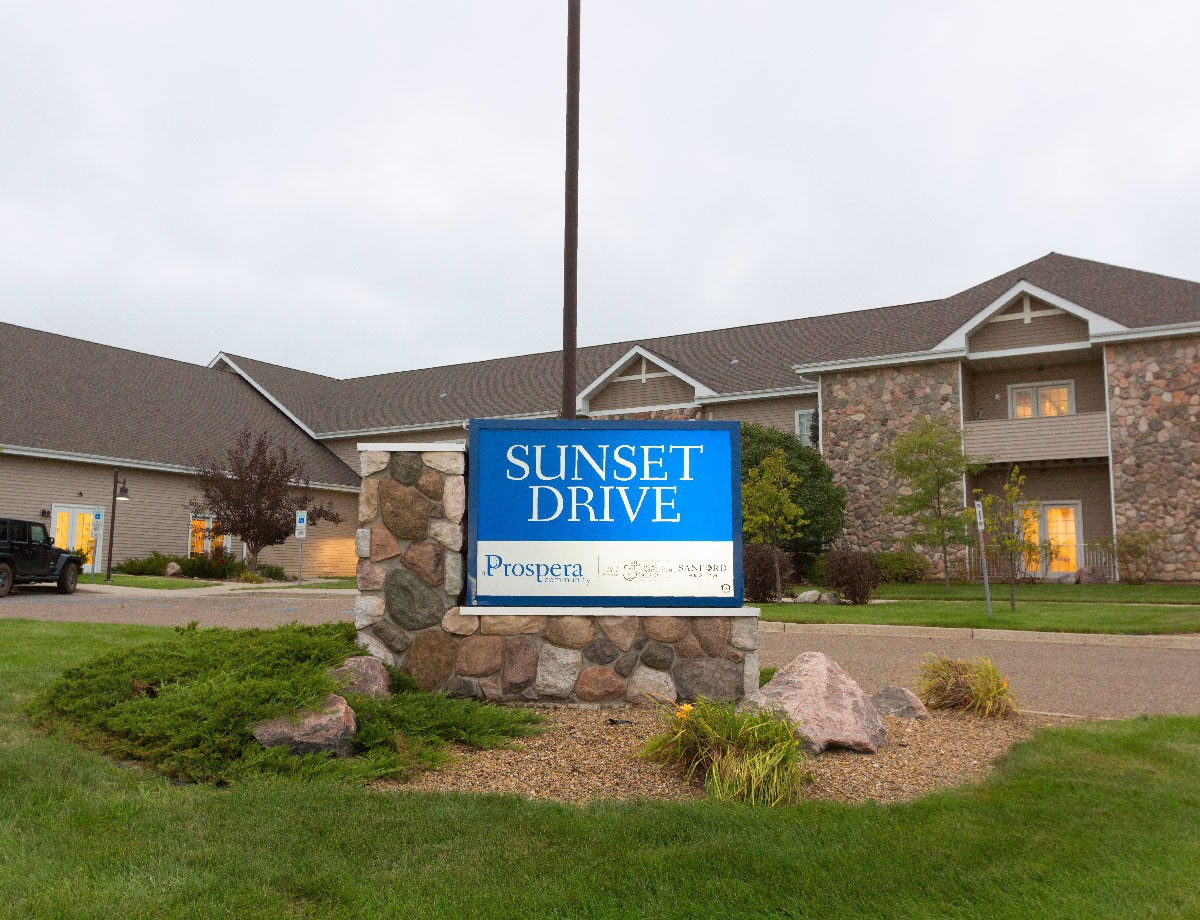
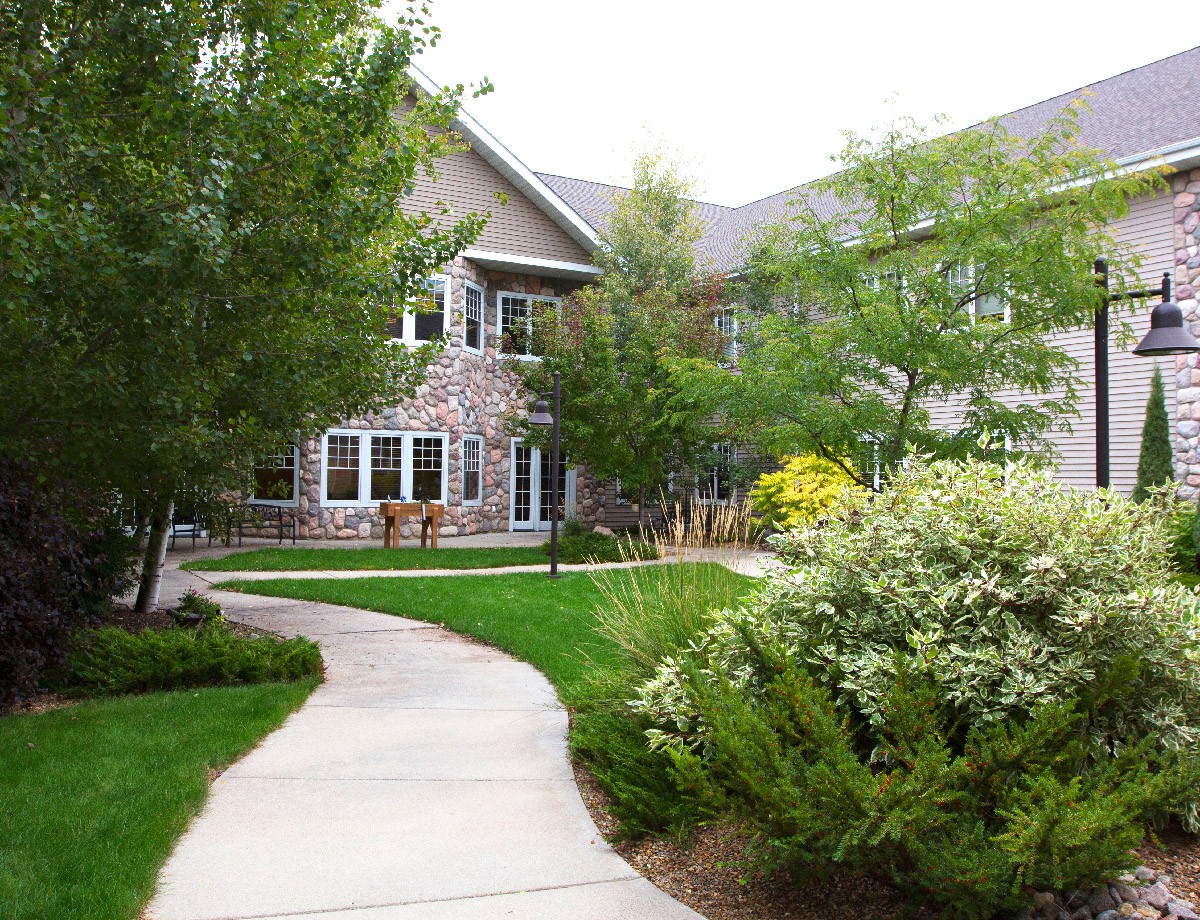
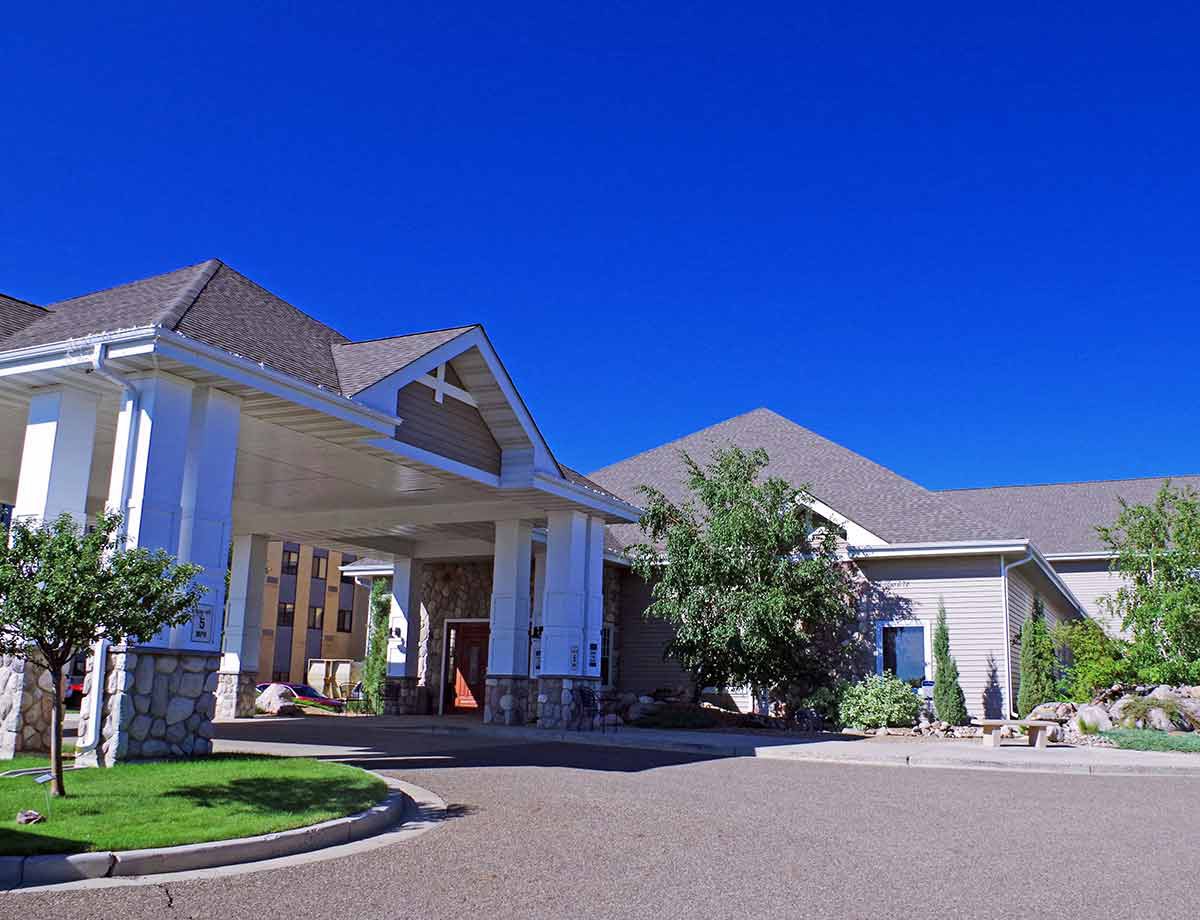
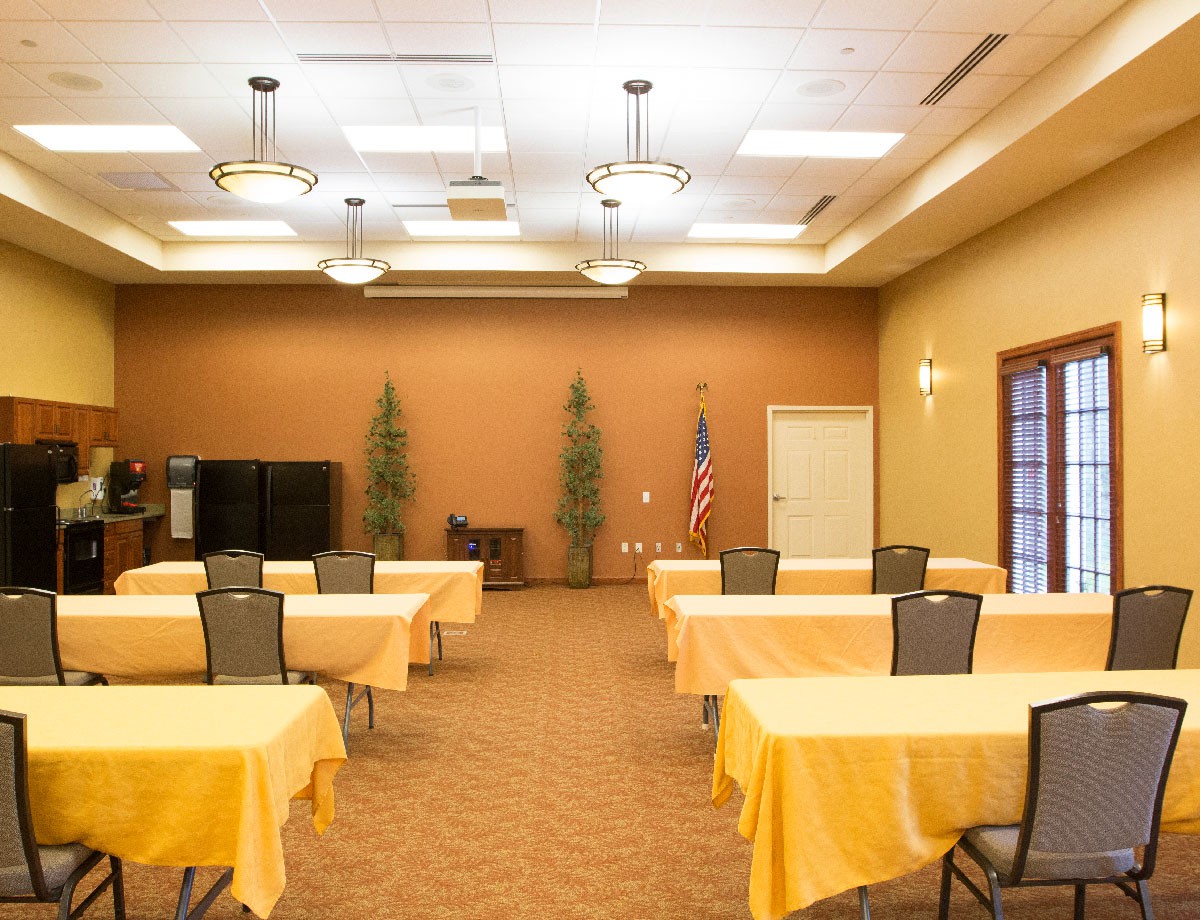
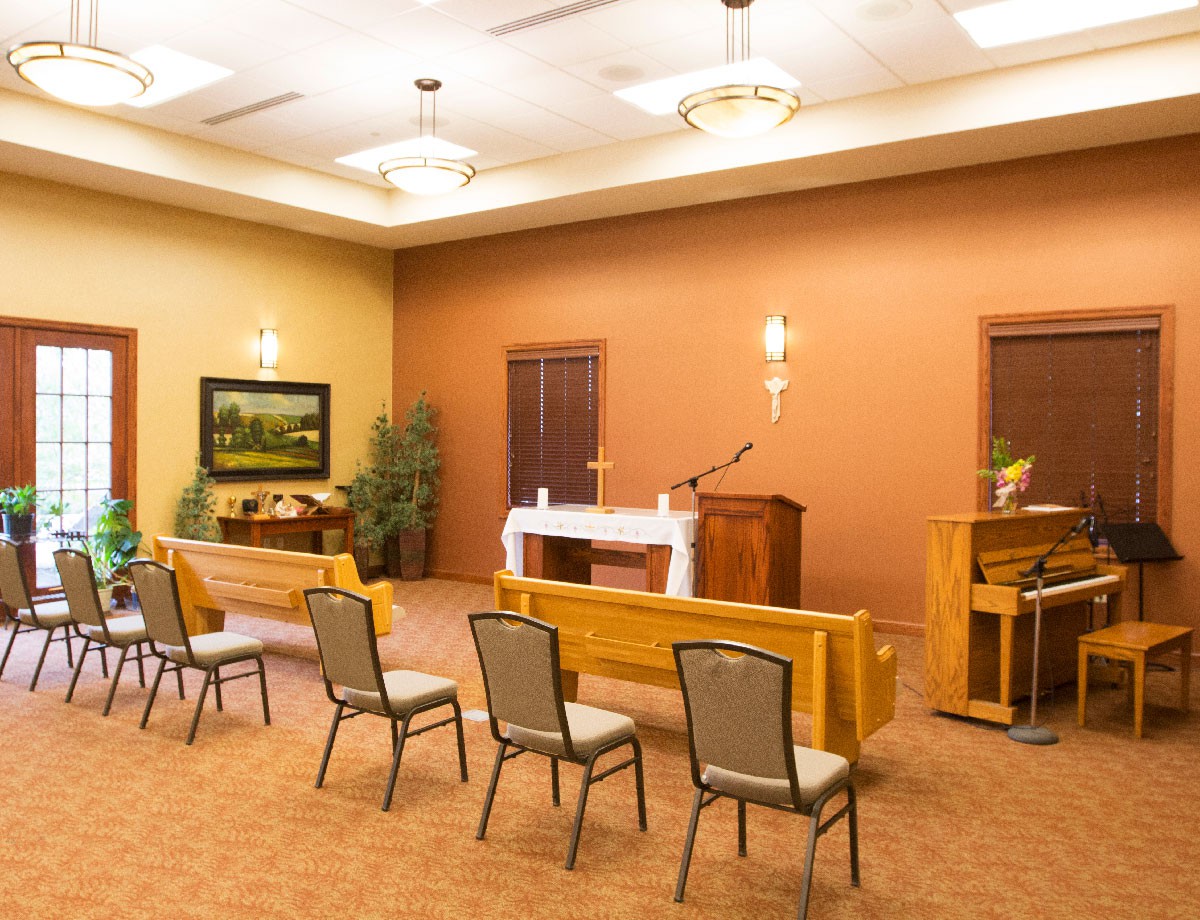
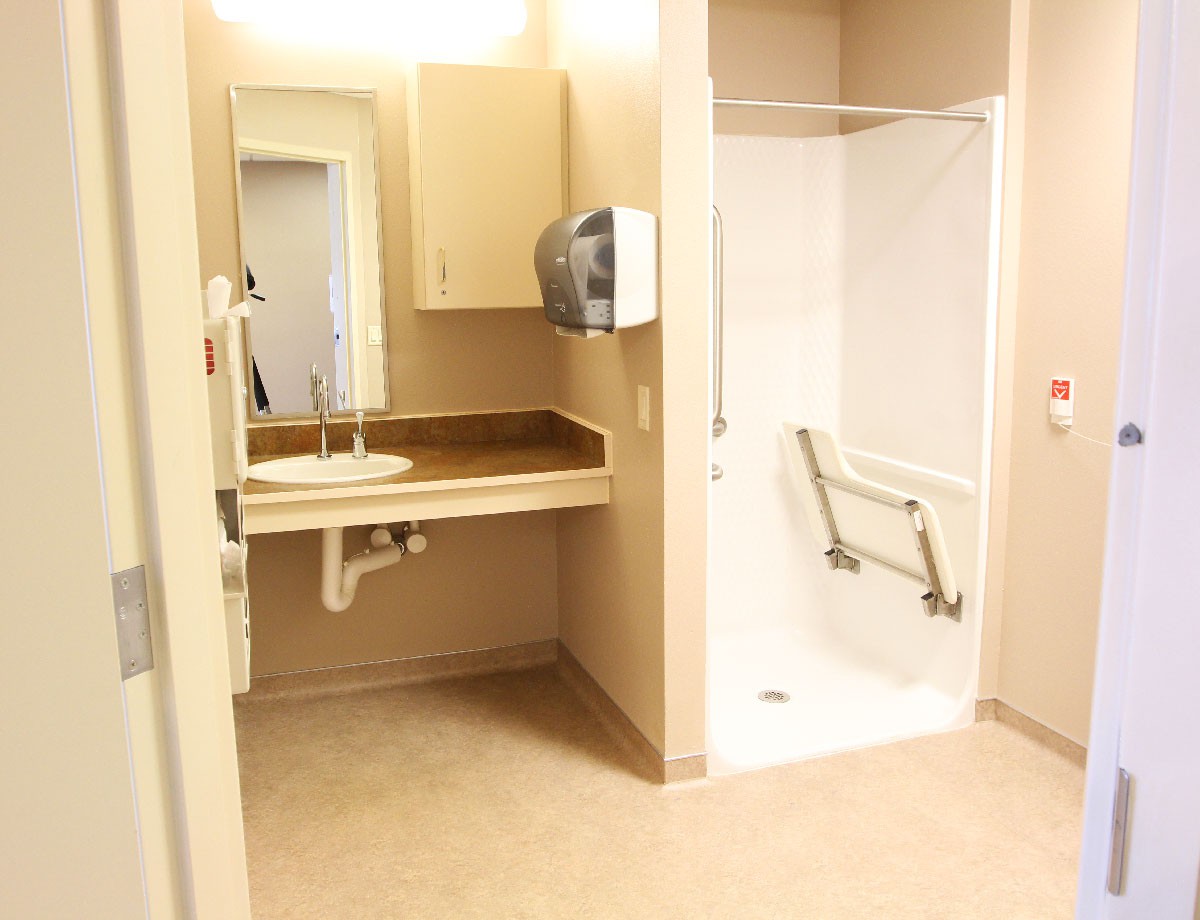
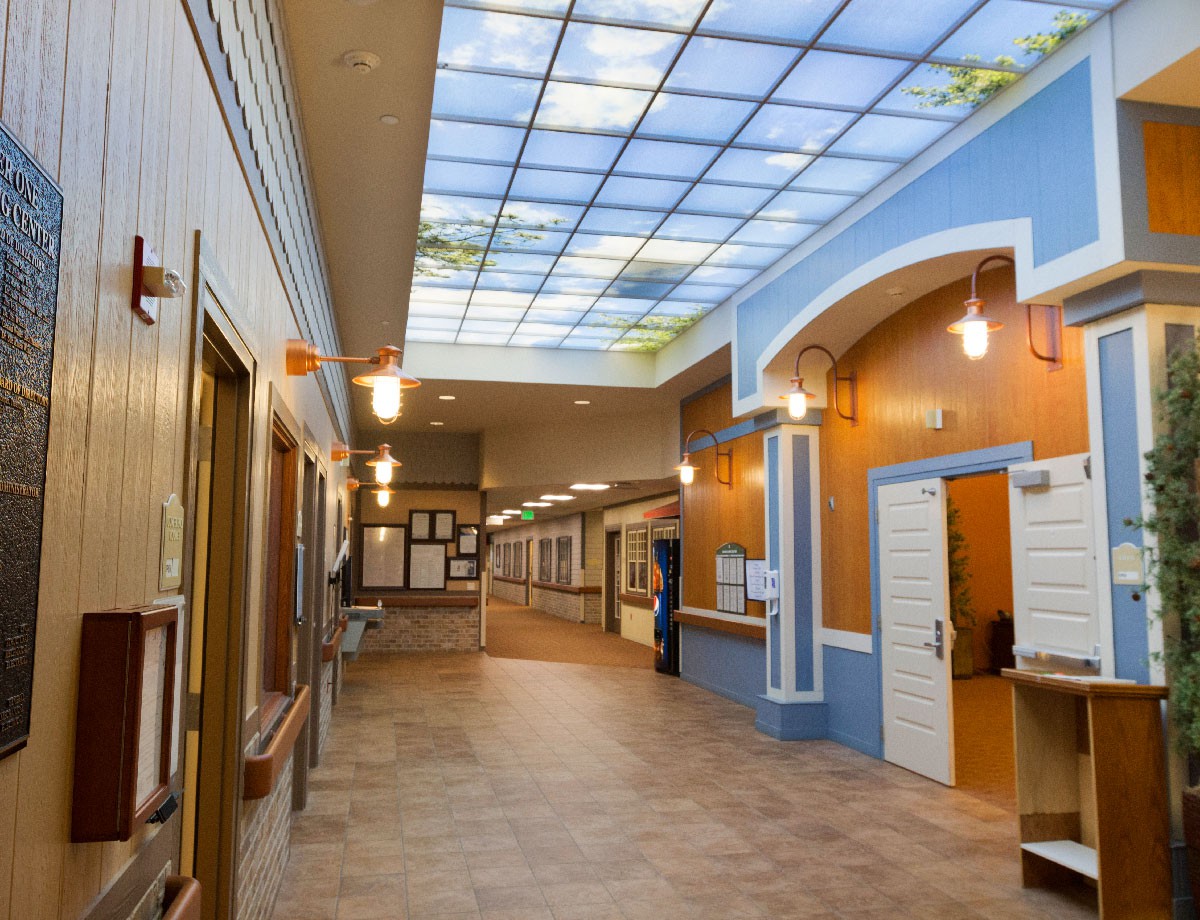
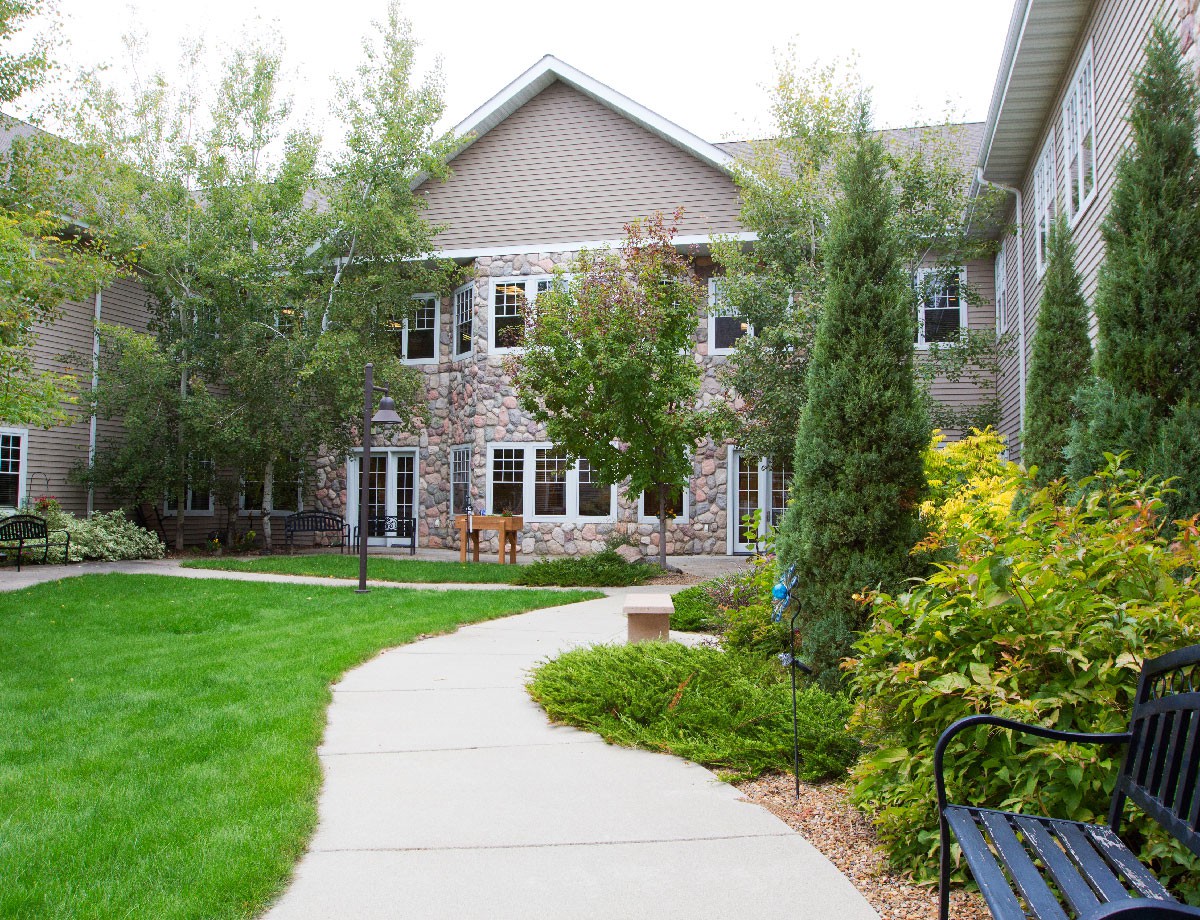
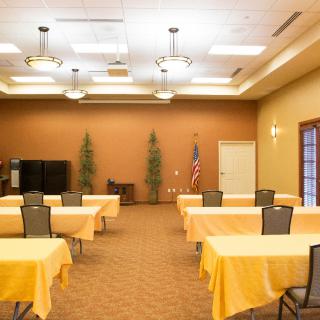
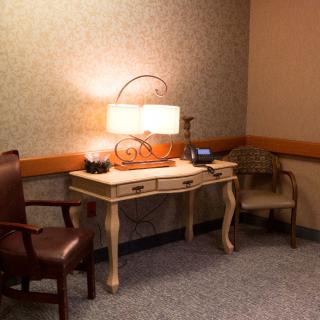
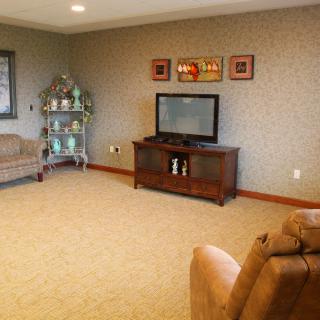
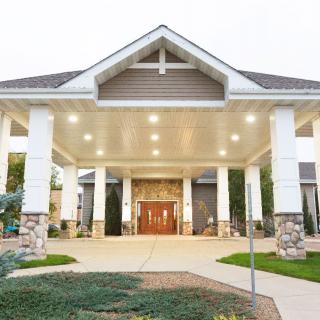
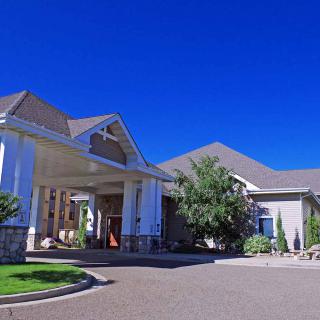
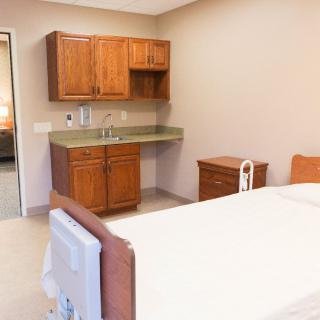
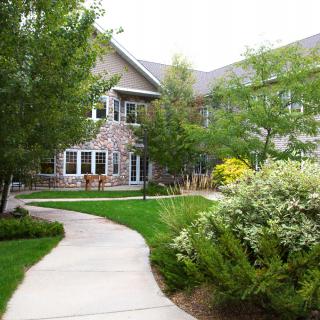
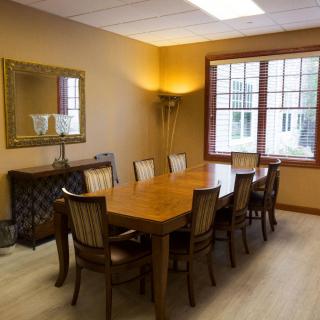
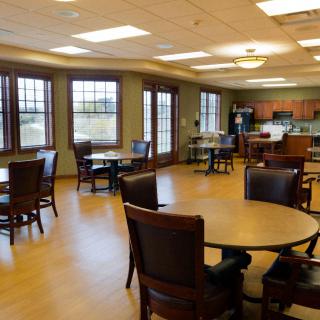
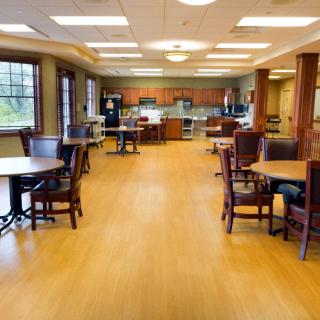
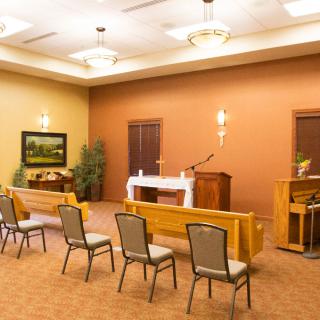
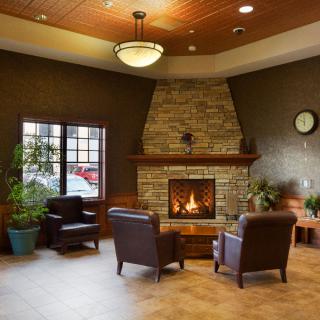
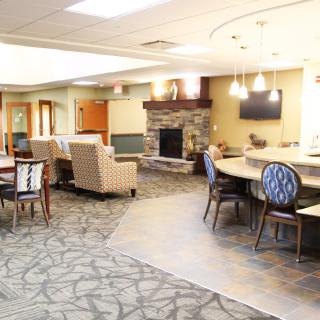
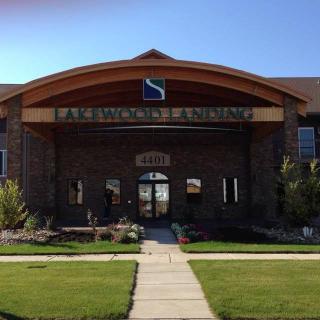
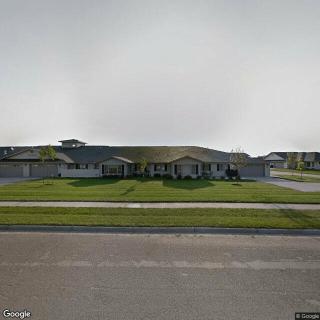
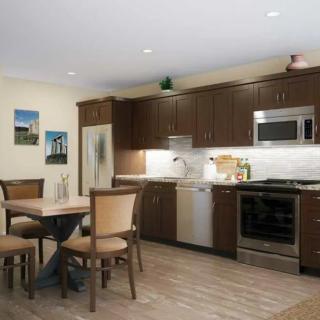
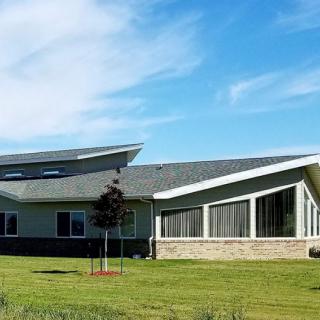
Sunset Drive - A Prospera Community on seniors.fyi includes 21 photos including images showing interior, landscaping, building, windows, bedroom, lighting, exercise equipment, kitchen, and more.
Nearby Communities
Dakota Alpha
Mandan, ND
3.5 from 4 reviews
Fully furnished apartments with restaurant-style dining and 24-hour supervision.
Medcenter One Care Ctr
Mandan, ND
24/7 skilled staff with diabetic care and on-site social activities in a peaceful setting.
Lakewood Landing, Inc.
Mandan, ND
3.4 from 29 reviews
$2,935 to $3,405 / month
Private studio apartments with an active, family-like community and dedicated staff.
Dakota Pointe
Mandan, ND
4 from 2 reviews
Diabetes-focused care with engaging indoor social spaces.
Miller Pointe - A Prospera Community
Mandan, ND
3.4 from 26 reviews
Extensive on-site amenities with 24/7 care support.
Lakewood Landing
Mandan, ND
Comprehensive care options (Independent, Assisted, Memory Care) with 24/7 supervision, dementia programming, and medication management; bundled amenities (furnished apartments, dining, housekeeping, transport).
Edgewood Mandan, LLC
Mandan, ND
4.3 from 15 reviews
$2,650 to $4,775 / month
Excellent meals, friendly staff, and a clean, secure environment with diverse activities.
Touchmark On West Century
Bismarck, ND
4.5 from 45 reviews
Competitive pricing with comprehensive care
Maple View Memory Care
Bismarck, ND
4.3 from 6 reviews
$4,530 to $5,610 / month
Friendly, responsive staff and engaging activity spaces in a pleasant environment.
Home health care aides provide vital medical and non-medical support to individuals at home, assisting with daily living activities and promoting emotional well-being, while the demand for these services increases due to an aging population. Families benefit from in-home care's flexibility and cost-effectiveness but face challenges like scheduling consistency and caregiver turnover.
Older adults with urinary tract infections (UTIs) often present atypical symptoms, complicating diagnosis due to factors like incomplete bladder emptying and chronic health conditions that increase their susceptibility. Effective management involves prompt treatment with antibiotics, hydration, and preventive strategies while minimizing antibiotic resistance and focusing on holistic care approaches.
California's Form 602A is a vital tool for evaluating the health needs of seniors seeking residential care, detailing their medical conditions and daily living requirements to ensure proper service alignment. This standardized form enhances communication among physicians, families, and facilities, serving as a regulatory measure for admissions and ongoing care while adapting to changing healthcare practices.
Rehabilitation, Physical Therapy, and Therapy Room
Minimalist
Conference Room
Apartment Complex
Meeting Space and Decorative Plants
Chapel
Get PricingAsk A QuestionSchedule A TourContact Senior Advisor
By clicking submit, you agree to our Partner's Terms of Use. You
also consent to receive calls and texts, which may be autodialed, from our Partner. Your consent is not a condition to
using our Partner's service. Please visit our Partner's Privacy Policy for information about their privacy practices.




 128 resident community capacity
 Skilled Nursing Facility
 Air-conditioning
 Beauty salon
 Cable or satellite TV
 Computer center
 Dining room
 Fitness room
 Fully furnished
 Gaming room
 Garden
 Housekeeping services
 Kitchenette
 Move-in coordination
 Outdoor space
 Private bathrooms
 Restaurant-style dining
 Small library
 Telephone
 Wellness center
 Wi-Fi/high-speed internet available
 Bismarck Municipal (9 miles away)
 Community operated transportation
 12-16 hour nursing
 24-hour call system
 Activities of daily living assistance
 Assistance with bathing
 Assistance with dressing
 Assistance with transfers
 Diabetes diet
 Medication management
 Mental wellness program
 Special dietary restrictions
 Concierge services
 Planned day trips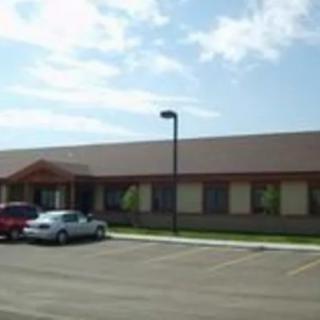
 Fully furnished apartments with restaurant-style dining and 24-hour supervision.

 Home Health Care Aides: Understanding Their Role and Supporting Your Family
 Urinary Tract Infections in Older Adults: Comprehensive Insights on Symptoms, Treatment, and Prevention
 California's Form 602A: An In-Depth Examination of Senior Care Assessment