Miller Pointe - A Prospera Community

Save

  • Interior

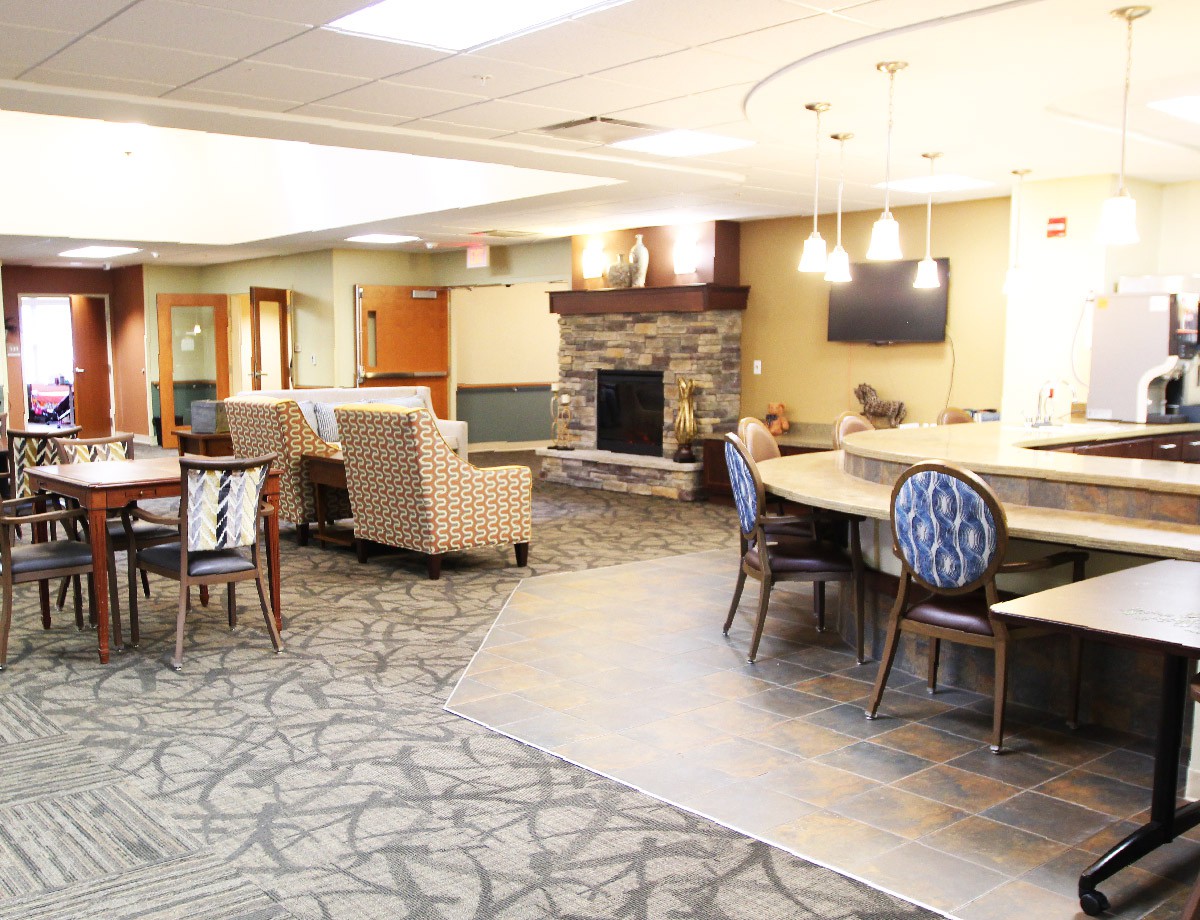
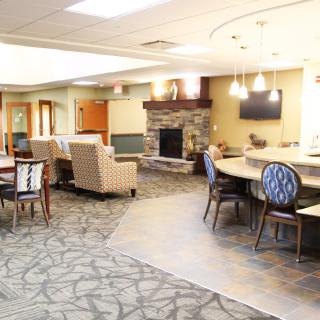
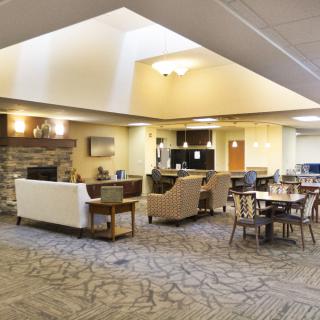
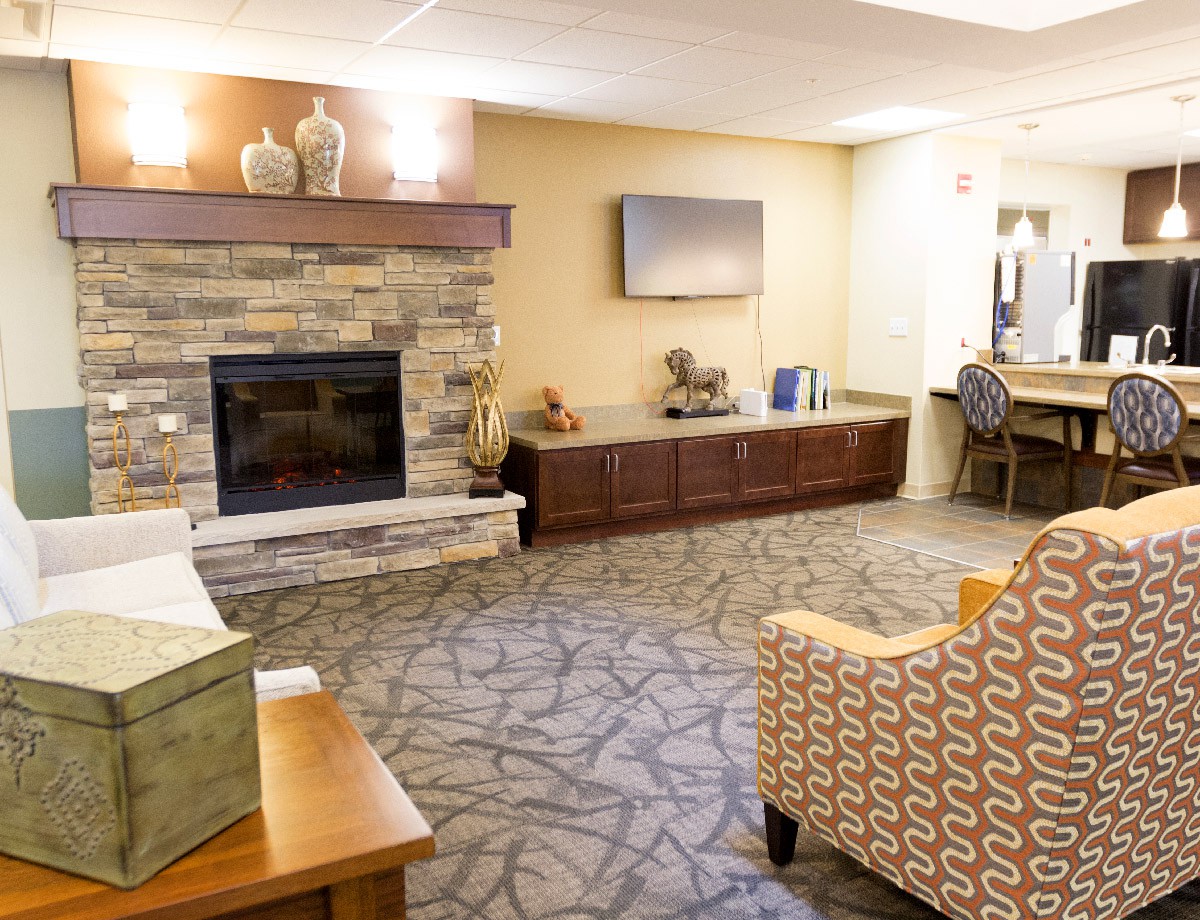
    A modern and comfortable lounge area featuring a fireplace, seating, and a television.
  • Outdoors

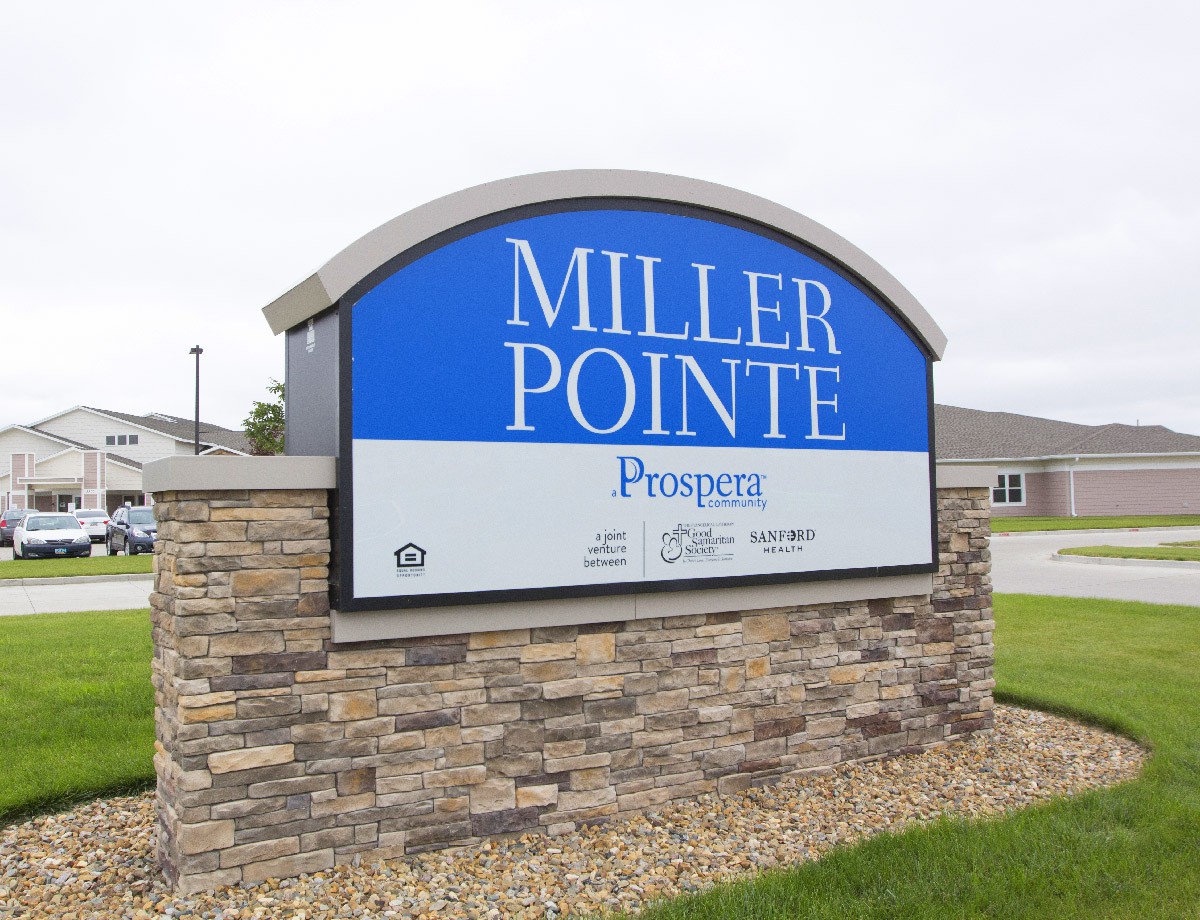
    A sign for Miller Pointe, a prominent landmark in the area.
  • Decor

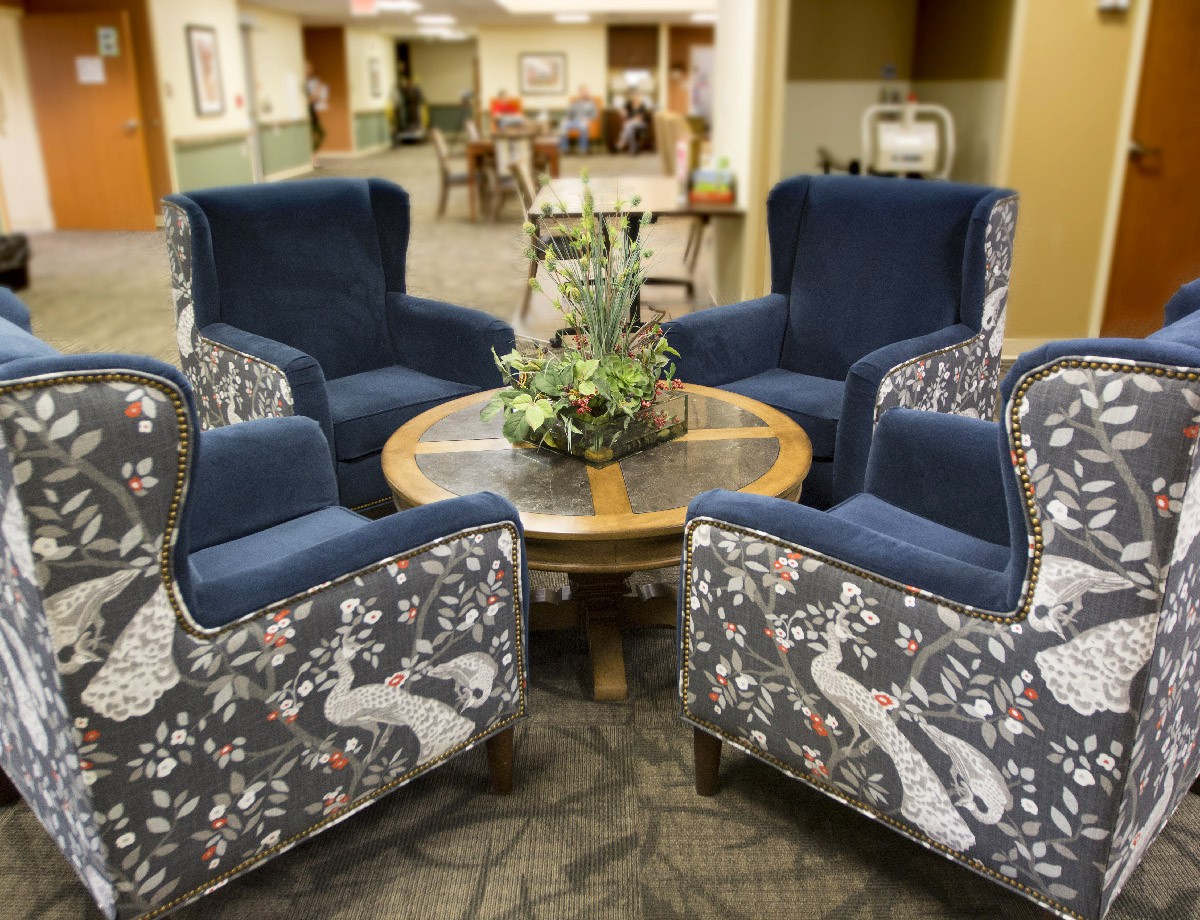
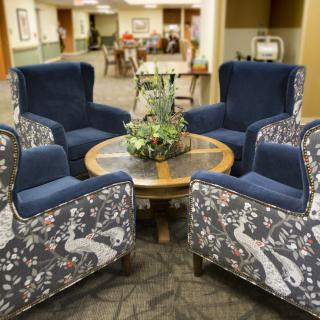
    A cozy lounge area featuring a set of four blue and patterned armchairs surrounding a round table with a decorative plant centerpiece.
  • Living Room

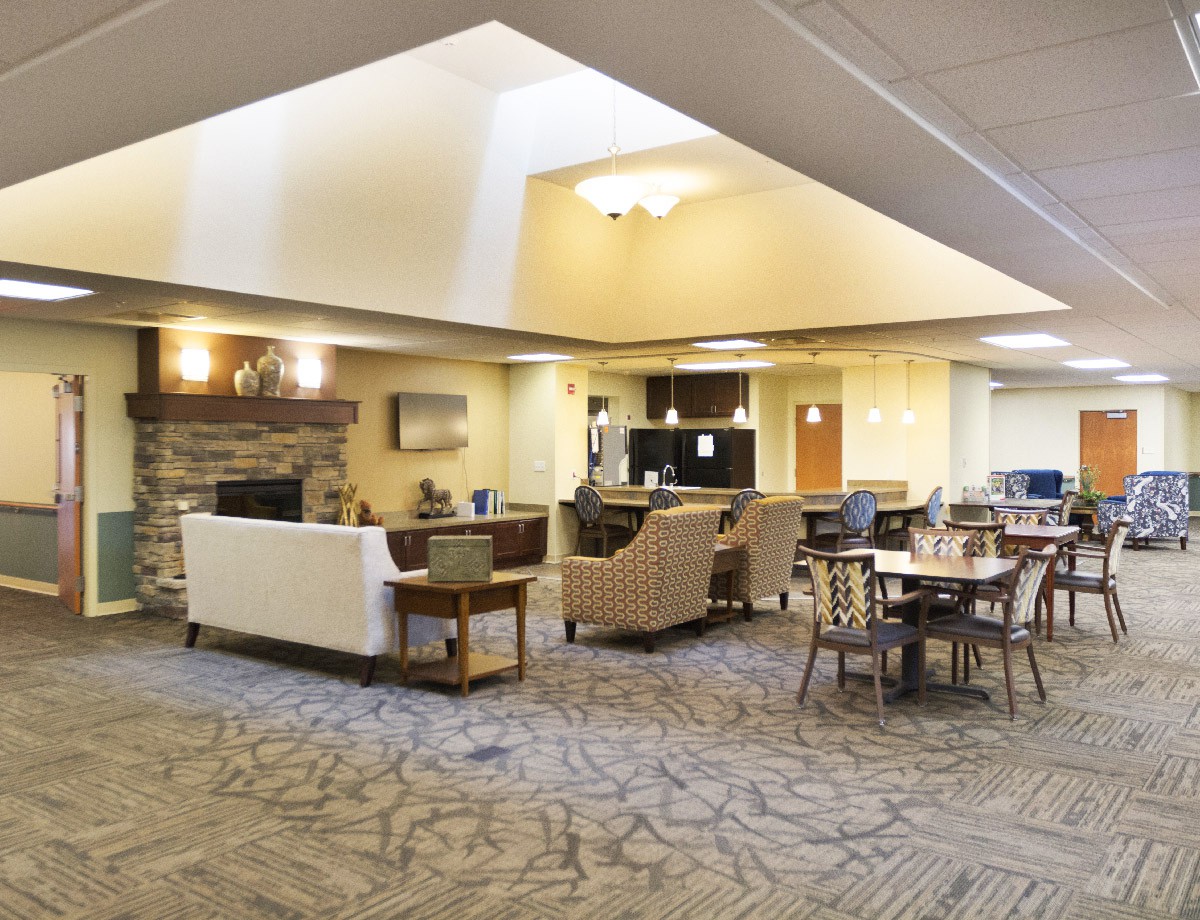
    A spacious living room area with comfortable seating, tables, and natural lighting.
  • Building

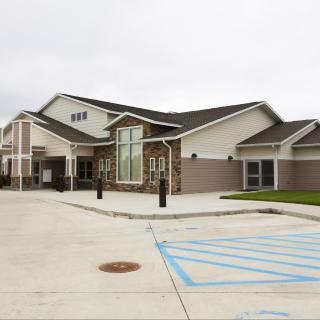
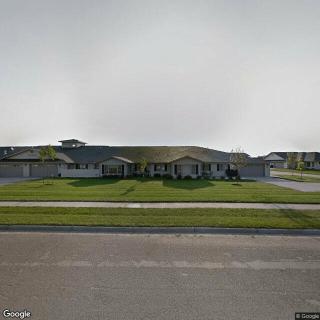
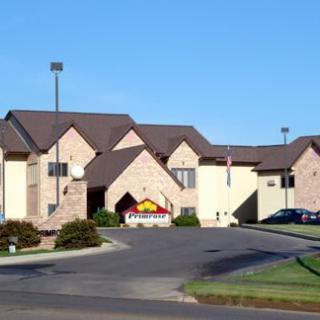
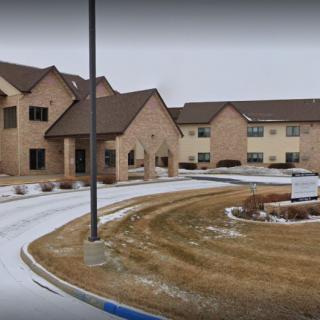
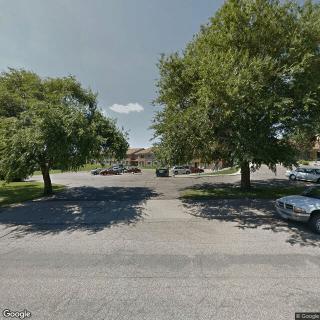
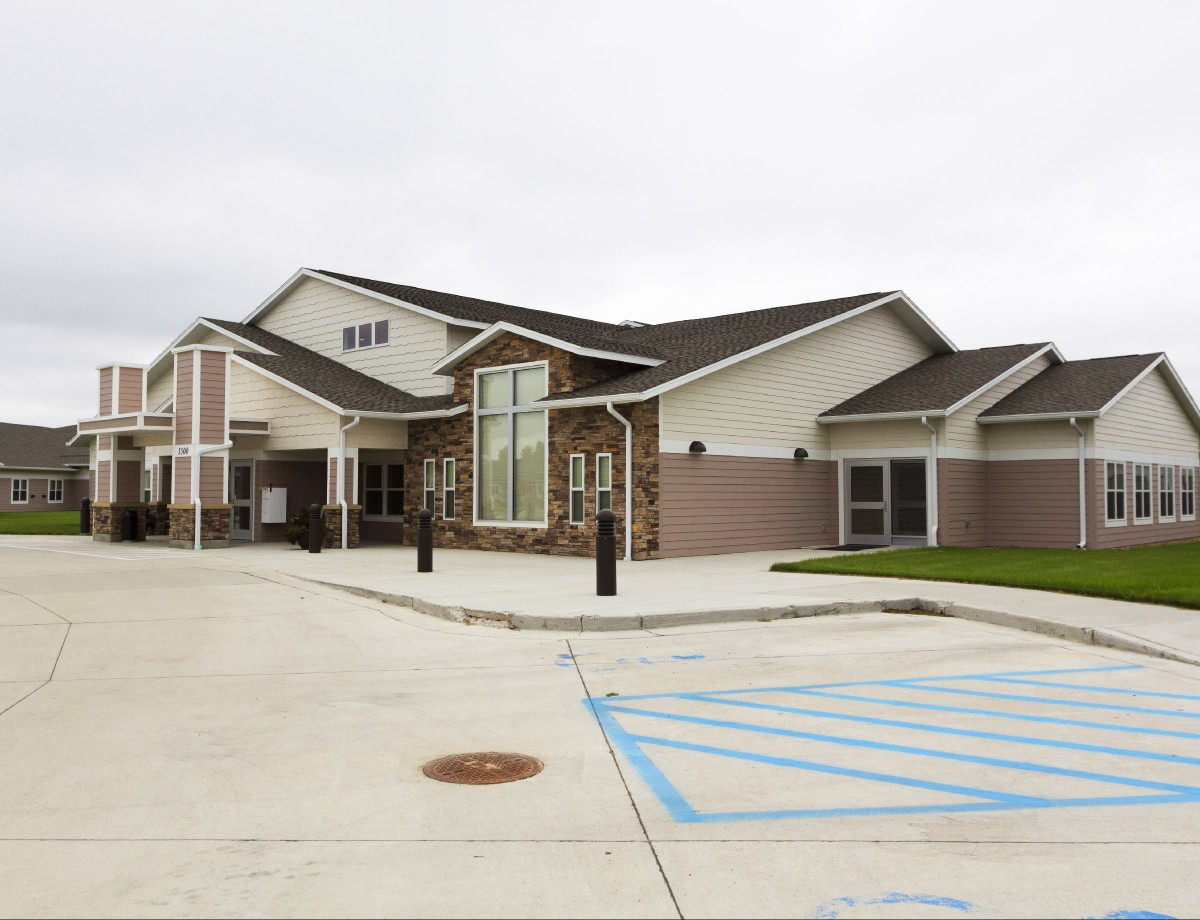
    A modern building with a parking lot on a cloudy day.
  • Windows

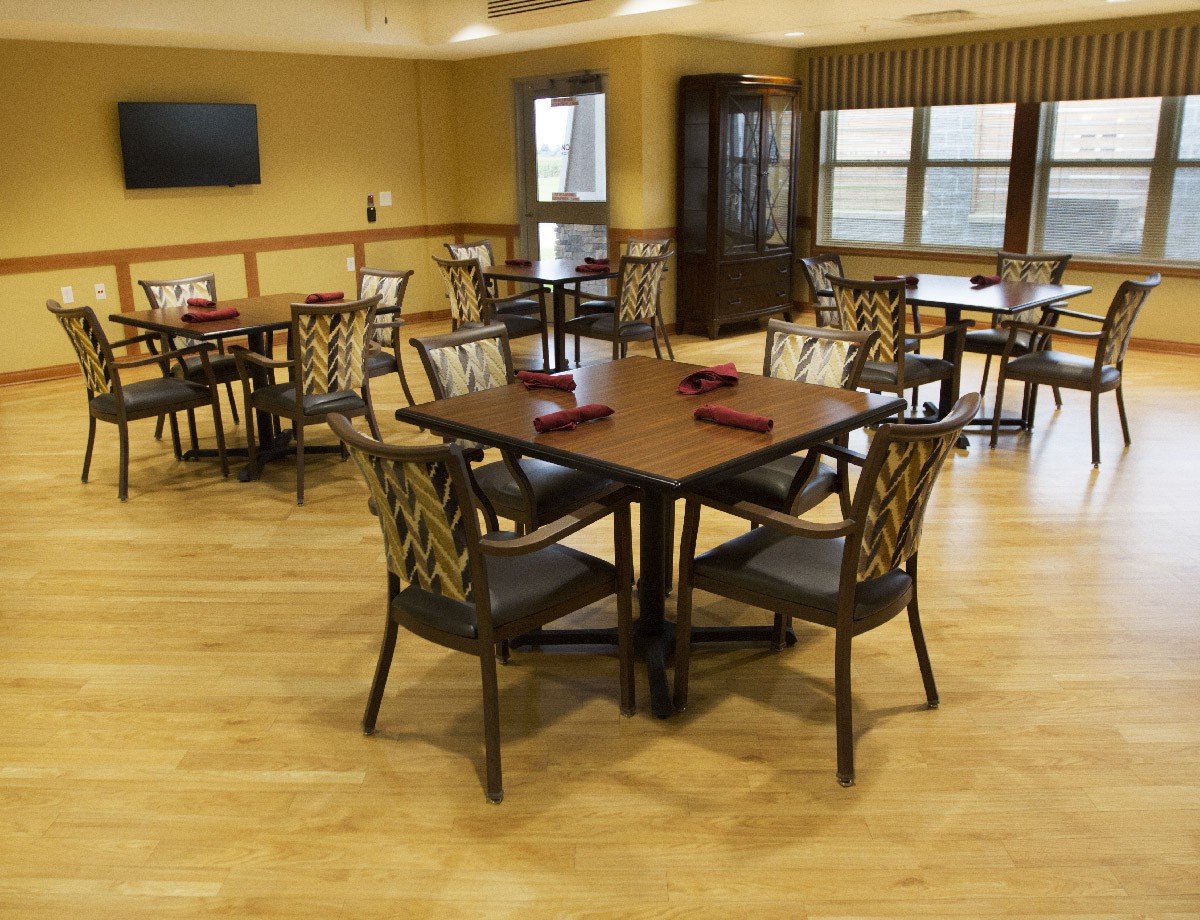
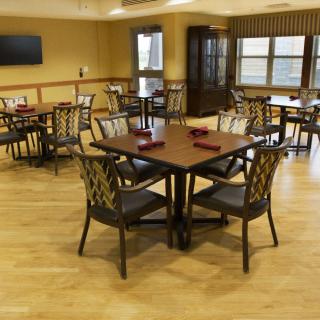
    An empty dining room with neatly arranged tables and chairs on a wooden floor.
  • Lighting

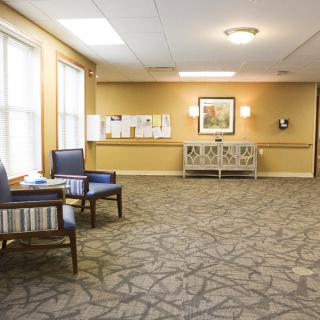
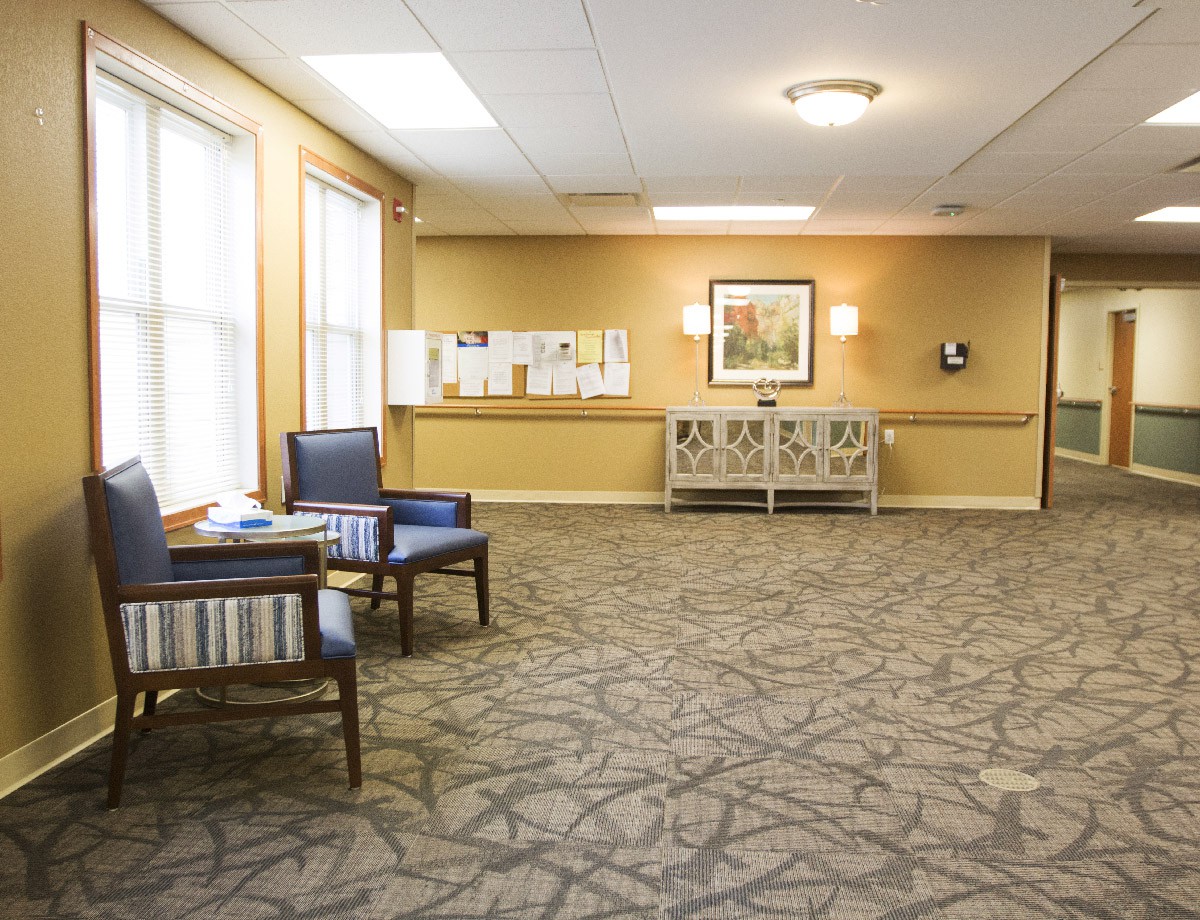
    A quiet lobby area with chairs and carpeted flooring.
  • Fireplace

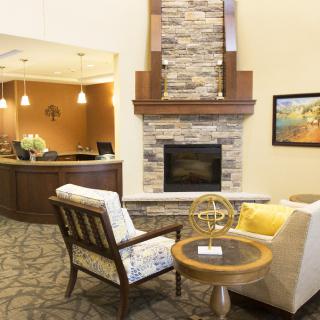
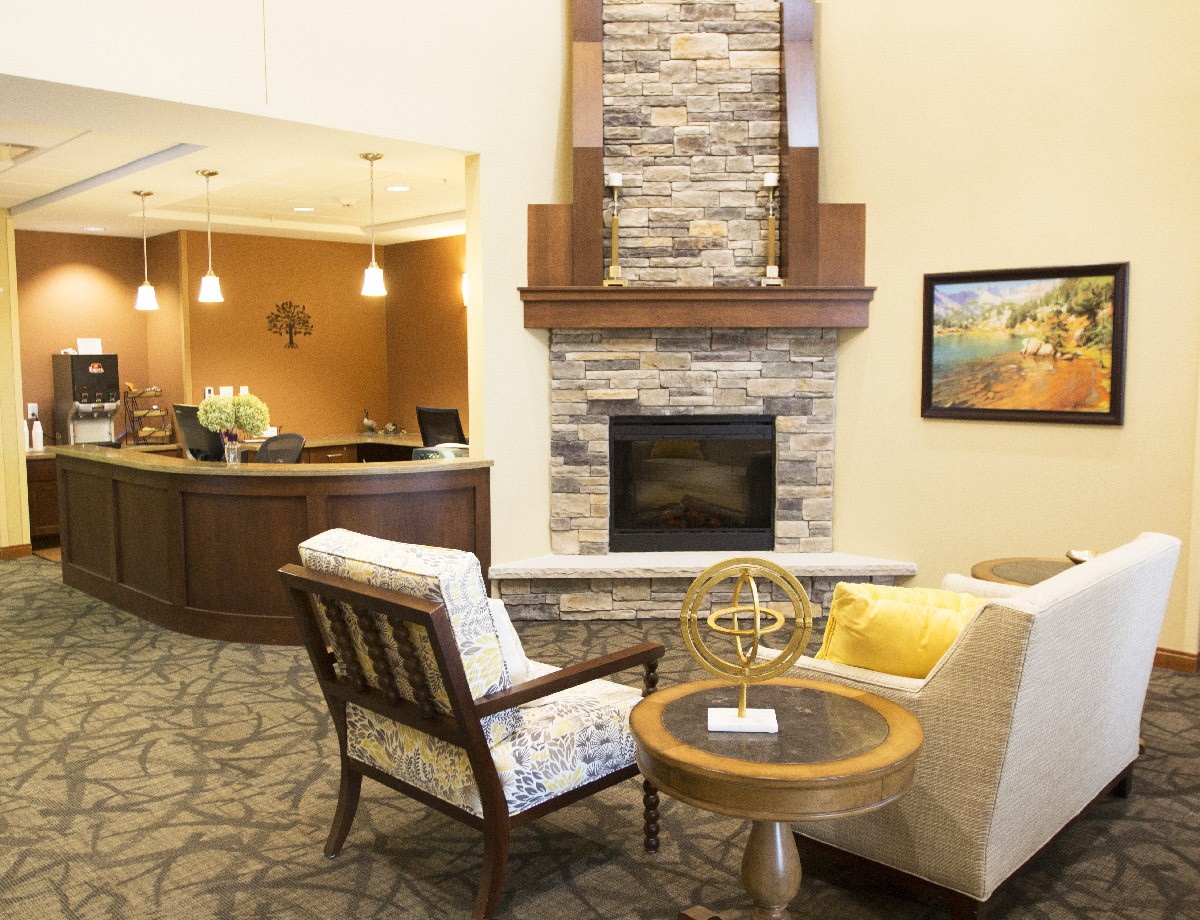
    The image shows a cozy lobby area with a stone fireplace, comfortable seating, and a reception desk in the background.
  • Television

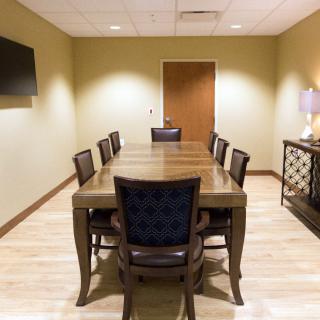
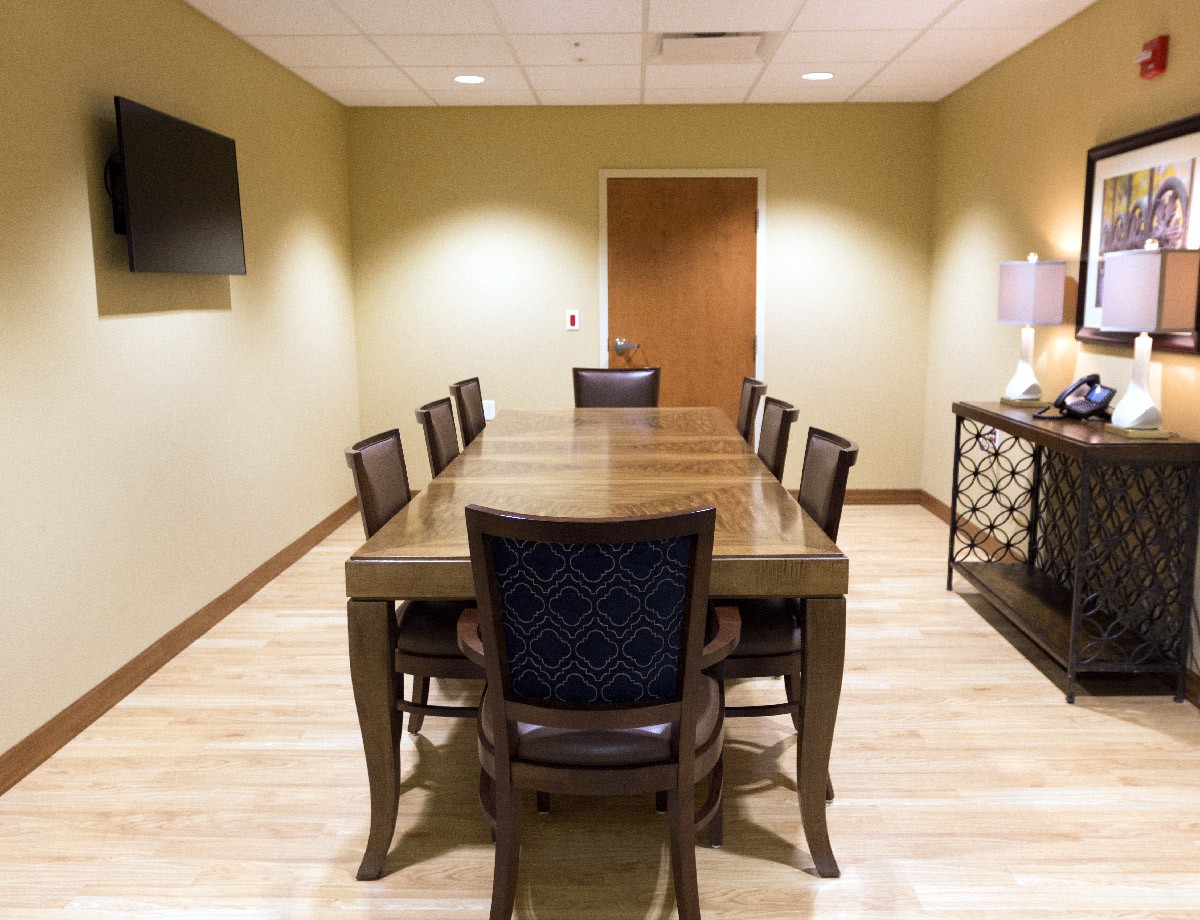
    A well-appointed conference room with a large table and chairs, featuring modern decor and a wall-mounted television.
  • Natural Light

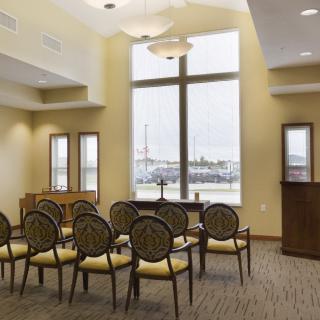
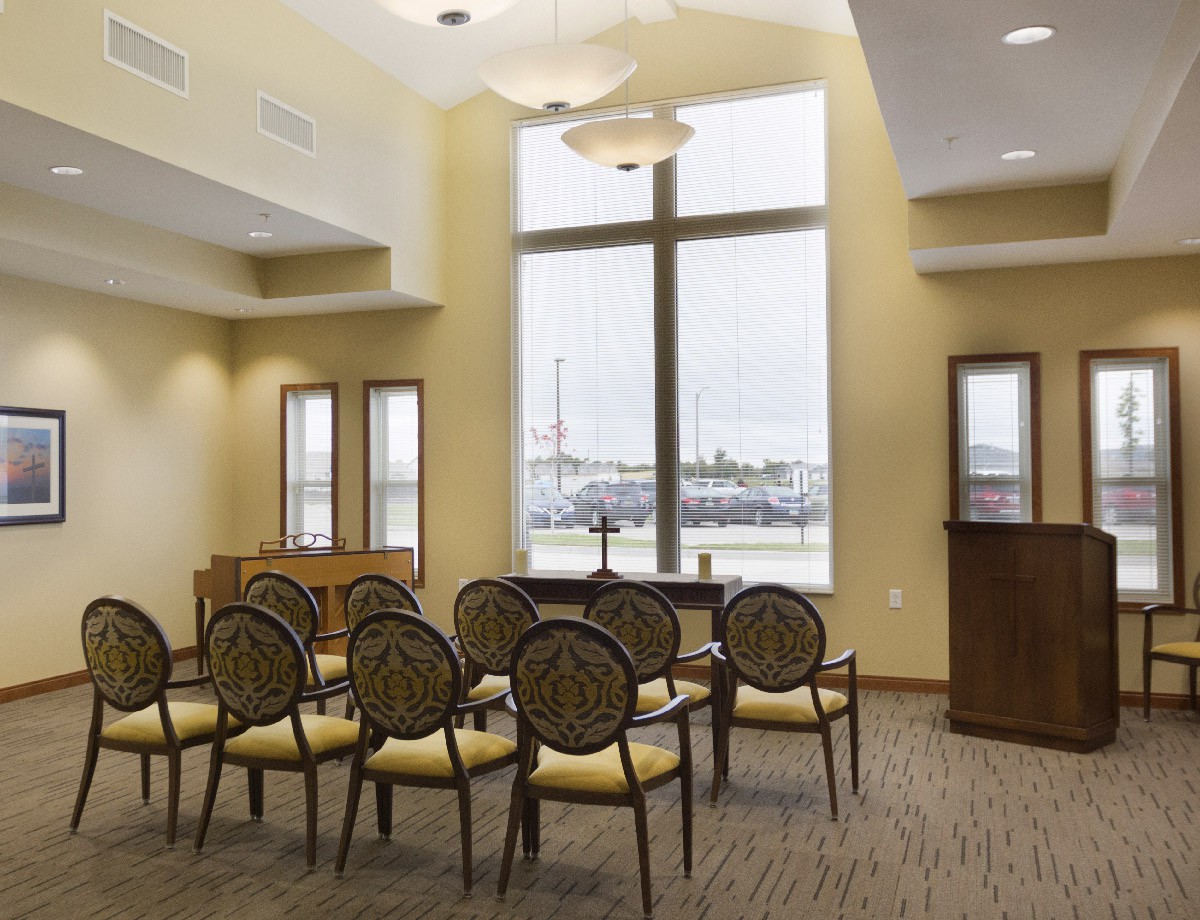
    A small, well-lit meeting or lecture room with chairs arranged in rows and large windows overlooking an outdoor view.
  • Exercise Equipment

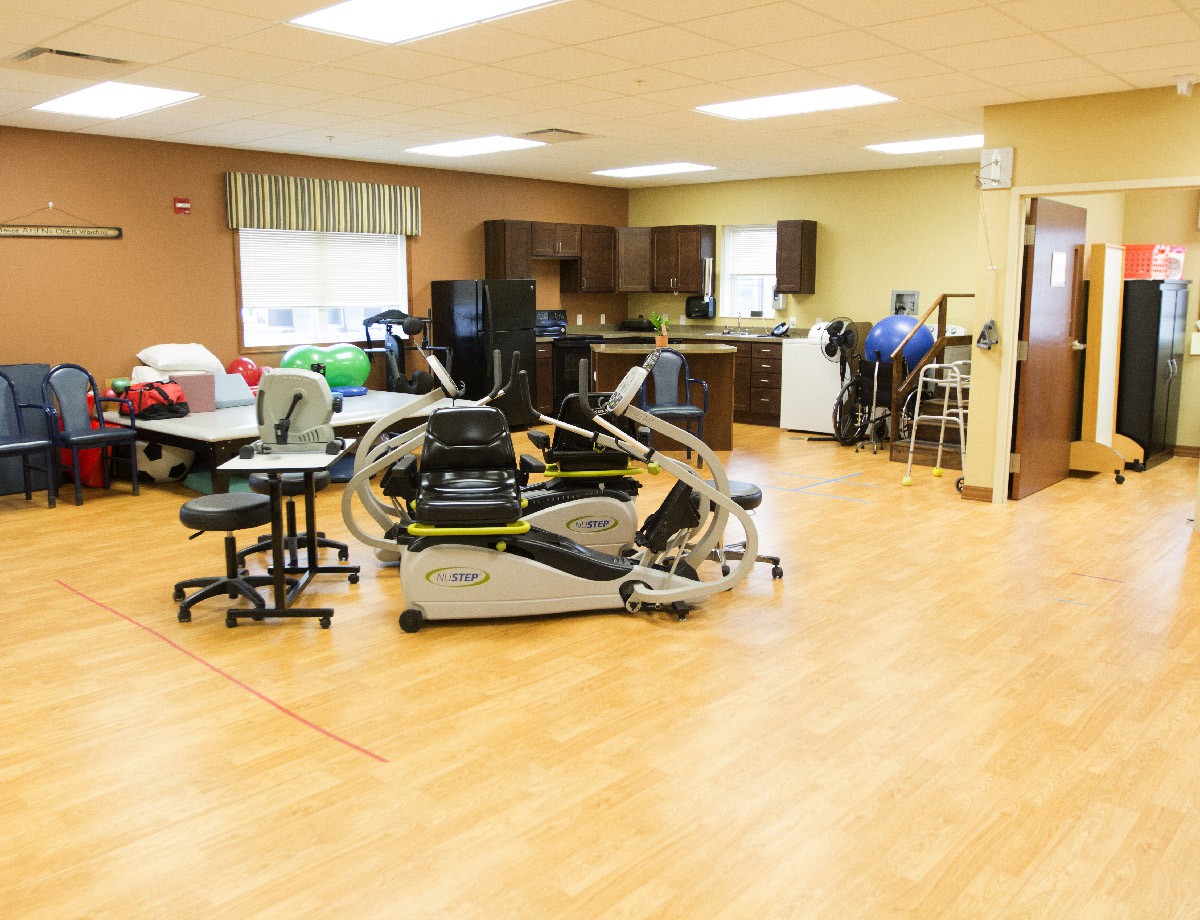
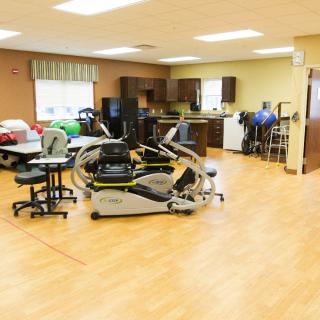
    A rehabilitation center with exercise equipment and beds for physical therapy sessions.

Miller Pointe - A Prospera Community

3500 21St Street Se, Mandan, ND 58554

For more information about senior living options: (844) 490-3973

3.5 from 25 reviews
5 stars
15
4 stars
0
3 stars
1
2 stars
1
1 stars
8

Skilled Nursing Facility

What level of care are you interested in?

Assisted Living

Memory Care

Independent Living

Skilled Nursing Facility

Continuing Care Retirement Community (CCRC)CCRC

Other


Request a tour at Miller Pointe - A Prospera Community

    Overall Review of Miller Pointe - A Prospera Community

    Pros

    • pro The facility is described as a great place to work at.
    • pro The staff is caring and passionate about their work, taking pride in making the facility a home for residents.
    • pro The staff goes out of their way to meet residents' needs and ensure they are cared for.
    • pro The facility hosts events like trick-or-treating that bring joy to residents and show love and concern.
    • pro The facility is described as the best place around with a wonderful staff.
    • pro The facility is wonderful, clean, and well-maintained.
    • pro The facility is a lovely place for older persons.
    • pro The facility is viewed as a home away from home for residents.

    Cons

    • pro Staffing shortages lead to slow responses and inadequate care for residents.
    • pro Management is accused of passing blame to families and not seriously addressing concerns.
    • pro Families were billed for services paid by insurance and threatened with collections.
    • pro Communication about declines or deaths is poor, with families often not notified promptly.
    • pro Medication errors occur, medications are withheld, or doses are incorrect or unavailable.
    • pro Residents are described as unsafe or neglected, with some discharged against family wishes (AMA/VAP).
    • pro Some staff are described as bullying and unprofessional, contributing to unstable care environments.

    Review

    Miller Pointe draws a wide range of impressions from families, residents, and visitors, creating a complicated portrait of a facility that some describe as a welcoming home and others condemn as unsafe and poorly managed. Within the same facility, the tone shifts from warm appreciation to sharp criticism, sometimes within the same paragraph, as people recount both bright moments and troubling experiences. A number of caregivers and residents are praised for their dedication, while a chorus of concerns centers on staffing, communication, and accountability.

    On the more troubling end of the spectrum, several reviewers paint a picture of persistent under-staffing and slow responses to calls for help. One family describes a long-standing frustration with staff being "few and far between," noting that when a resident signals for assistance, the delay can lead to bathroom or other urgent needs going unattended. The implication is that even when help is requested, the response time can be dangerously slow, leaving residents in vulnerable situations. This concern about staffing levels and responsiveness appears repeatedly, with families associating it with heightened distress for both residents and their loved ones who worry about safety and dignity.

    Administrative and communication issues also emerge as a recurring theme. Families describe tense meetings where concerns about a resident's progress are discussed without addressing broader systemic problems. In one account, the family claims to have recorded a meeting and pressed for official minutes, only to be told that the minutes did not exist and then to hear a narrative that did not align with the recording. Billing practices and expectations further complicate matters: a family recounts receiving a demand for payment for several days that apparently had already been covered by insurance, accompanied by threats of collections. In another thread, families report that discharge paperwork labeled as AMA (against medical advice) and VAP (voluntary assisted living program) were used in ways that felt inconsistent with the resident's situation, especially after the resident had chosen to leave for a safer environment at home. The combination of disputed charges, missing or inconsistent documentation, and allegations of miscommunication about a resident's status underscores a sense of distrust for some who interact with the facility's administrative side.

    Nevertheless, there are clear, positive testimonials that illuminate the facility's strengths when things are proceeding smoothly. A number of reviewers commend Miller Pointe for the care and compassion of the staff, calling it a "wonderful" place with "amazing" people who take pride in creating a comfortable, home-like atmosphere for residents. Events like a well-received trick-or-treat gathering are highlighted as evidence of genuine care and community spirit, with reviewers praising the enthusiasm and effort put forth by staff to engage residents and bring joy to their days. Some residents themselves attest to the quality of care, describing the place as a "home away from home" and noting that the staff go above and beyond to meet residents' needs, maintaining cleanliness and a high standard of personal hygiene for those in their care.

    The social and cultural fabric of the staff is also a source of mixed feedback. While several reviewers emphasize the commitment and warmth of caregivers, others point to more troubling dynamics. A review cites concerns about "bullying" among some staff, a perception reinforced by comments about turnover and reliance on travel staff. One account specifically mentions a shift toward using traveling CNAs and raises a cautionary note about how such staffing changes may affect daily care and oversight. There is also a controversial and problematic claim about the composition of staff from certain regions, which reflects bias and raises questions about how such statements should be weighed and addressed within the broader discussion of quality care.

    There are particularly vivid, distressing anecdotes that underscore the gravity of family concerns when a loved one's health is deteriorating. One reviewer recalls a resident who was found unresponsive due to a severe urinary tract infection and accuses the facility of misplacing a wheelchair belonging to the resident. Others recount heartbreaking moments when families were not informed that a loved one was declining, with painful memories of being told of a death over the phone rather than being invited to be present at the bedside. Such stories emphasize the human stakes involved and highlight why clear, compassionate communication is essential in long-term care settings, especially during end-of-life moments.

    Another thread of criticism centers on medical management and daily operations. Reviewers describe instances of medications being mixed up, lost, or unavailable for extended periods, leading to gaps in treatment that are understandably alarming to families caring for medically fragile residents. There is also a narrative of delays and mismanagement that culminates in changes of facility, with family members choosing to move a loved one elsewhere after repeated concerns about safety, attention, and proper medication administration. An intense, later note claims the facility accumulated a significant number of deficiencies in January, signaling a broader pattern of concerns that some families feel were not adequately addressed or resolved.

    Amid the harsh critiques, the facility's defenders occasionally remind readers that experiences can vary widely from one person to the next, and that the realities of operating a busy nursing home mean that mistakes can occur even when staff are well-intentioned. Some residents and families express gratitude for the overall environment, the cleanliness of the facility, and the evident care provided by many team members. The contrast between praise and complaint is stark, and it points to a central tension: Miller Pointe can feel like a sanctuary and a challenge in equal measure, depending on which caregiver is on duty, what day it is, and how a particular situation is handled in real time.

    For readers considering Miller Pointe, the landscape of reviews suggests a facility capable of delivering warmth, connection, and attentiveness when things run smoothly, but also a place where systemic issues - staffing, communication, accountability, and consistency in care - can lead to serious, emotionally charged problems for families and residents alike. The experiences compiled here underscore the importance of proactive staffing strategies, transparent communication, meticulous documentation, and a culture that prioritizes safety and respect for residents' needs. If you're evaluating this facility, it would be prudent to seek current, firsthand observations, request detailed explanations of policies and procedures, and ask for recent state inspection results and staffing data to form a well-rounded view.

    Features

    Housing

    • 120 resident community capacity 120 resident community capacity

    Types of Care

    • Skilled Nursing Facility Skilled Nursing FacilitySkilled Nursing Facilities are crucial for seniors as they provide round-the-clock medical care, rehabilitation services, and assistance with daily activities. These facilities ensure that seniors receive the specialized care they need to maintain their health and well-being as they age.

    Amenities

    • Air-conditioning Air-conditioningAir conditioning is important for seniors as they are more vulnerable to heat-related illnesses and may have underlying health conditions that make it difficult for them to regulate their body temperature. It helps to keep them comfortable, safe, and healthy in hot weather.
    • Beauty salon Beauty salonBeauty salons are important for seniors because they provide a space for them to feel pampered, socialize, and maintain their personal grooming and hygiene. Regular visits to a beauty salon can help boost seniors' self-esteem and overall well-being.
    • Cable or satellite TV Cable or satellite TVCable or satellite TV is important for seniors because it provides entertainment, news, and companionship, helping to combat loneliness and boredom. It also offers a wide range of programming options tailored to different interests and preferences.
    • Computer center Computer centerA computer center is essential for seniors as it provides access to technology, communication tools, and resources that can enhance their daily lives. It allows them to stay connected with loved ones, engage in online activities, and learn new skills, ultimately promoting socialization and mental stimulation.
    • Dining room Dining roomDining rooms are important for seniors as they provide a space for socialization, connection, and nutritious meals. They offer opportunities for residents to bond over shared meals, foster a sense of community, and promote healthy eating habits. Dining rooms also ensure that seniors have access to well-balanced meals tailored to their dietary needs and preferences.
    • Fitness room Fitness roomHaving a fitness room in a senior living community is essential for seniors to stay active, maintain their physical health, and improve their overall well-being. Regular exercise can help prevent falls, reduce the risk of chronic diseases, and promote mental sharpness. It also provides social opportunities for residents to connect with others and enjoy a sense of community.
    • Fully furnished Fully furnishedFully furnished senior living communities are important for seniors because they provide convenience, comfort, and a hassle-free moving experience. Seniors can easily settle into their new living space without the stress of having to buy and move furniture. This allows them to focus on enjoying their new home and community.
    • Gaming room Gaming roomGaming rooms are important for seniors as they provide a fun and engaging environment for socializing, cognitive stimulation, and physical activity. Games can improve memory, problem-solving skills, and overall mental well-being while fostering friendships and reducing feelings of isolation.
    • Garden GardenGardens are important for seniors as they provide a peaceful and therapeutic environment for relaxation, physical activity, and socialization. Being in nature has been shown to reduce stress, improve mood, and promote overall well-being. Gardens also offer opportunities for seniors to engage in gardening activities, which can improve mobility, flexibility, and cognitive function. Additionally, gardens create a sense of community and connection with others who share a passion for plants and outdoor spaces.
    • Housekeeping services Housekeeping servicesHousekeeping services are important for seniors because they help maintain a clean and safe living environment, promote independence, and reduce the risk of accidents or illnesses. Additionally, having assistance with household chores can alleviate physical strain and allow seniors to focus on other aspects of their well-being.
    • Kitchenette KitchenetteKitchenettes are important for seniors living in senior living communities because they provide the convenience and independence of being able to prepare simple meals and snacks in the comfort of their own living space. This can help promote a sense of autonomy and well-being for seniors, allowing them to maintain some level of control over their dietary choices and daily routines.
    • Move-in coordination Move-in coordinationMove-in coordination is important for seniors because it helps ease the transition into their new living environment. It ensures that all logistics, such as packing, organizing movers, and setting up utilities are taken care of, allowing seniors to focus on settling in and adjusting to their new home. Having a smooth move-in process can alleviate stress and anxiety, making the transition smoother and more enjoyable for seniors.
    • Outdoor space Outdoor spaceOutdoor spaces are important for seniors as they provide opportunities for physical activity, social interaction, exposure to natural light and fresh air, and a sense of connection to nature. Having access to outdoor spaces can improve overall well-being and quality of life for older adults living in senior communities.
    • Private bathrooms Private bathroomsPrivate bathrooms are important for seniors in senior living communities because they provide independence, dignity, and comfort. Having a private bathroom allows seniors to maintain their personal hygiene routines without the need for assistance, promoting a sense of autonomy and privacy. Additionally, private bathrooms help prevent the spread of infections and provide a safe and clean environment for seniors to navigate safely.
    • Restaurant-style dining Restaurant-style diningRestaurant-style dining is important for seniors because it allows them to enjoy delicious, nutritious meals in a social and upscale setting. This enhances their dining experience, promotes healthy eating habits, and fosters socialization with fellow residents, ultimately contributing to their overall well-being and quality of life.
    • Small library Small librarySmall libraries are important for seniors as they provide access to a variety of reading materials, including books, newspapers, and magazines. This can help stimulate their minds, keep them engaged, and provide a sense of community through book clubs and other social activities. Additionally, reading has been shown to improve cognitive function and overall mental well-being in older adults.
    • Telephone TelephoneTelephones are important for seniors as they provide a lifeline for communication with loved ones, emergency services, and healthcare providers. They offer a sense of security and independence, enabling seniors to stay connected and access assistance when needed.
    • Wellness center Wellness centerWellness centers are important for seniors because they offer a variety of programs and services that promote physical, mental, and emotional well-being. These centers provide opportunities for exercise, socialization, education, and relaxation, helping seniors maintain their overall health and quality of life.
    • Wi-Fi/high-speed internet available Wi-Fi/high-speed internet availableWi-Fi/high-speed internet is important for seniors to stay connected with loved ones, access online resources, and participate in virtual activities to combat feelings of loneliness and isolation. It also allows them to easily manage healthcare needs, access entertainment, and engage in lifelong learning opportunities.

    Transportation

    • Bismarck Municipal (5 miles away) Bismarck Municipal (5 miles away)
    • Community operated transportation Community operated transportationCommunity operated transportation is crucial for seniors as it provides them with the means to access essential services, social activities, and medical appointments. It allows seniors to maintain their independence and quality of life by ensuring they can participate in activities outside of their homes. Additionally, community-operated transportation services offer a safe and reliable way for seniors to travel without having to rely on family or friends for assistance.
    • Transportation arrangement Transportation arrangementTransportation arrangements are crucial for seniors as they may face challenges with driving, mobility, or access to public transportation. Having reliable transportation services ensures that seniors can easily attend appointments, social activities, and maintain their independence and quality of life.
    • Transportation arrangement (non-medical) Transportation arrangement (non-medical)Transportation arrangements are essential for seniors as they provide access to essential services, activities, and social interactions outside the home. This service helps maintain independence, mobility, and overall well-being for seniors who may have limited transportation options.
    • Transportation to doctors appointments Transportation to doctors appointmentsTransportation to doctors appointments is crucial for seniors as it ensures they have access to necessary medical care and support, promoting their health and well-being. It allows them to receive timely treatment, monitor existing conditions, and address any new health concerns efficiently. Additionally, transportation services can help seniors maintain their independence and quality of life by enabling them to stay connected with their healthcare providers.

    Care Services

    • 12-16 hour nursing 12-16 hour nursing12-16 hour nursing care is crucial for seniors in order to ensure around-the-clock monitoring, timely medication administration, and prompt response to any health concerns or emergencies. This level of care helps to promote the overall well-being and safety of seniors living in senior living communities.
    • 24-hour call system 24-hour call system24-hour call systems are important for seniors because they provide peace of mind and immediate assistance in case of emergencies. This technology ensures that help is always available, promoting safety and security for elderly individuals living alone or in assisted living facilities.
    • 24-hour supervision 24-hour supervision24-hour supervision is important for seniors to ensure their safety, well-being, and access to immediate assistance in case of emergencies or health issues. This constant support provides peace of mind for both seniors and their loved ones, allowing them to age in place with dignity and security.
    • Activities of daily living assistance Activities of daily living assistanceActivities of daily living assistance are important for seniors because they provide essential support with tasks such as eating, bathing, dressing, and mobility. This assistance helps seniors maintain their independence, dignity, and overall quality of life as they age.
    • Assistance with bathing Assistance with bathingAssistance with bathing is crucial for seniors as it helps maintain personal hygiene, prevents infections, and ensures their overall well-being and comfort. It also provides a sense of dignity and independence for seniors who may struggle with this task on their own.
    • Assistance with dressing Assistance with dressingAssistance with dressing is important for seniors because it helps maintain their independence, promotes personal hygiene, prevents accidents and injuries, and improves overall quality of life. This service ensures that seniors can continue to dress comfortably and confidently, despite any physical limitations they may have.
    • Assistance with transfers Assistance with transfersAssistance with transfers is crucial for seniors as it helps prevent falls and injuries, maintains their independence, and ensures they can safely navigate their living environment. It also provides peace of mind for both seniors and their loved ones.
    • Diabetes diet Diabetes dietA diabetes diet is crucial for seniors as it helps manage blood sugar levels, reduce risks of complications, and improve overall health and well-being. By following a balanced and nutritious diet tailored to their specific needs, seniors can better control their diabetes and enhance their quality of life.
    • Meal preparation and service Meal preparation and serviceMeal preparation and service are crucial for seniors as they may have limited mobility or energy to cook nutritious meals. Having access to healthy and convenient food options can ensure they are getting the proper nutrition needed to maintain their overall health and well-being.
    • Medication management Medication managementMedication management is crucial for seniors to ensure they are taking the right medications at the correct dosages and times. This helps prevent adverse drug interactions, reduces the risk of medication errors, and promotes overall health and well-being. Proactive management also allows for adjustments as needed based on changing health conditions or new prescriptions.
    • Mental wellness program Mental wellness programMental wellness programs are essential for seniors as they promote cognitive stimulation, emotional support, and social engagement. These programs help prevent isolation, depression, and cognitive decline, ultimately enhancing the overall quality of life for older adults.
    • Special dietary restrictions Special dietary restrictionsSpecial dietary restrictions are important for seniors because age-related changes in metabolism and health conditions can make it difficult for their bodies to process certain foods. By following a diet tailored to their specific needs, seniors can maintain their overall health and well-being, manage chronic conditions, and reduce the risk of complications such as malnutrition or food interactions with medications.

    Dining

    • Diabetes diet Diabetes dietA diabetes diet is crucial for seniors as it helps manage blood sugar levels, reduce risks of complications, and improve overall health and well-being. By following a balanced and nutritious diet tailored to their specific needs, seniors can better control their diabetes and enhance their quality of life.
    • Special dietary restrictions Special dietary restrictionsSpecial dietary restrictions are important for seniors because age-related changes in metabolism and health conditions can make it difficult for their bodies to process certain foods. By following a diet tailored to their specific needs, seniors can maintain their overall health and well-being, manage chronic conditions, and reduce the risk of complications such as malnutrition or food interactions with medications.

    Activities

    • Community-sponsored activities Community-sponsored activitiesCommunity-sponsored activities are important for seniors as they provide opportunities for social interaction, mental stimulation, and physical activity. These activities can help improve overall well-being, combat loneliness and isolation, and promote a sense of belonging and purpose among older adults.
    • Concierge services Concierge servicesConcierge services are essential for seniors as they provide assistance with daily tasks and errands, enhance their quality of life by offering convenience and personalized care, and promote a sense of safety and security.
    • Fitness programs Fitness programsFitness programs are crucial for seniors as they help improve strength, flexibility, balance, and overall well-being. Staying active can reduce the risk of chronic diseases, improve mental health, and enhance quality of life in older adults.
    • Planned day trips Planned day tripsPlanned day trips are important for seniors because they offer opportunities for socialization, mental stimulation, and physical activity. They provide a change of scenery and help seniors stay engaged and connected to their community, promoting overall well-being and quality of life.
    • Resident-run activities Resident-run activitiesResident-run activities are important for seniors as they encourage social interaction, creativity, and a sense of autonomy. These activities empower seniors to stay engaged and active in their community while fostering meaningful connections with their peers.
    • Scheduled daily activities Scheduled daily activitiesScheduled daily activities are important for seniors because they provide structure, socialization, mental stimulation, and physical activity. Engaging in regular activities can improve overall well-being and quality of life for seniors living in a community setting.

    Description

    Miller Pointe is an assisted living community located in Mandan, ND. We offer a range of amenities and care services to ensure our residents' comfort and well-being. Our community features a beauty salon where residents can receive professional hair and grooming services. They can also enjoy their favorite shows on cable or satellite TV in the privacy of their own rooms.

    We provide community operated transportation for our residents who may need assistance getting around town. Our computer center offers internet access for residents to stay connected with friends and family. Our spacious dining room serves restaurant-style meals prepared by our skilled culinary staff. Special dietary restrictions are accommodated.

    At Miller Pointe, we value our residents' health and fitness. Our fitness room is equipped with exercise equipment for physical activities. For relaxation and entertainment, we have a gaming room where residents can engage in friendly competition. The outdoor space includes a garden where residents can enjoy the outdoors.

    Housekeeping services keep our community clean and tidy, ensuring that residents have a comfortable living environment. Each resident has a private bathroom for their convenience and privacy. Move-in coordination is provided to make the transition as seamless as possible.

    Our small library offers a quiet space for reading and relaxation, while the wellness center promotes mental well-being through various programs. Wi-Fi/high-speed internet is available throughout the community.

    Our care services include a 24-hour call system for emergency assistance and 24-hour supervision to ensure the safety of our residents at all times. Trained staff provide assistance with daily activities such as bathing, dressing, and transfers. Medication management is available to help residents maintain their health.

    Miller Pointe's location offers easy access to various amenities nearby. There are numerous cafes, parks, pharmacies, physicians, restaurants, places of worship, and theaters within close proximity to cater to our residents' needs and preferences.

    Overall, Miller Pointe provides a warm and welcoming environment with attentive care services and convenient amenities to enhance the quality of life for our residents.

    Nearby Places of Interest

    Restaurants

    • Lonesome Dove (0.6 miles)
    • Pier Restaurant & Bar (1.9 miles)
    • McDonald's (2.2 miles)
    • Carino's Italian (2.3 miles)
    • Eat Thai Cafe (2.4 miles)
    • Taco Bell (2.5 miles)
    • Jimmy John's (2.6 miles)

    Parks

    • DogTown Dog Park (1.7 miles)
    • Sertoma Park (1.7 miles)
    • Igoe Park (2.4 miles)
    • Slant Indian Village (2.7 miles)
    • Hillside Park (4 miles)

    Places of Worship

    • Redeemer Lutheran Church (1.7 miles)
    • The Cathedral of the Holy Spirit (2.4 miles)
    • House of Prayer Lutheran Church (2.7 miles)
    • St Joesph's Catholic Church (2.7 miles)
    • Mandan Baptist Church (2.9 miles)
    • Calvary Chapel Bisman (3 miles)
    • McCabe United Methodist Church (3.1 miles)

    Physicians

    • Regional Medical Center (1.8 miles)
    • Thomas Thorson, MD (2 miles)
    • Face & Jaw Surgery Center (2.2 miles)
    • Institute of Facial Surgery (2.3 miles)
    • Boyko Kimber M Dr (2.3 miles)
    • Dakota Neurology (2.5 miles)
    • Grube Retina Clinic (2.7 miles)

    Cafes

    • City Brew (2.1 miles)
    • Starbucks (2.5 miles)
    • Caribou Coffee (2.8 miles)
    • Panera Bread (3.1 miles)
    • Cafe Etc (3.3 miles)
    • Bistro (3.3 miles)
    • Starbucks (3.8 miles)

    Pharmacies

    • Health Mart Pharmacy (2.1 miles)
    • Churchill Pharmacy (2.1 miles)
    • Gateway Pharmacy Mandan (2.2 miles)
    • Gateway Health Mart Pharmacy (2.2 miles)
    • The Medicine Shoppe (2.7 miles)
    • Medicine Shoppe Pharmacy (2.7 miles)
    • Northbrook Drug (2.9 miles)

    Theaters

    • Grand Theatres (4.1 miles)

    Frequently Asked Questions

    Where is Miller Pointe - A Prospera Community?
    What photos are available for Miller Pointe - A Prospera Community in Mandan, North Dakota?

    Nearby Communities

    Related Resources

    • 602 formCalifornia's Form 602A: An In-Depth Examination of Senior Care Assessment

      California's Form 602A is a vital tool for evaluating the health needs of seniors seeking residential care, detailing their medical conditions and daily living requirements to ensure proper service alignment. This standardized form enhances communication among physicians, families, and facilities, serving as a regulatory measure for admissions and ongoing care while adapting to changing healthcare practices.

    • elderly blood pressure chartComprehensive Look at Senior Blood Pressure Charts: Normal and Elevated Levels by Age

      The overview of blood pressure management for seniors emphasizes the importance of monitoring and interpreting blood pressure readings, noting that normal ranges can vary due to age-related factors and individual health conditions. It highlights tailored guidelines for systolic and diastolic levels, the necessity of early detection and consistent management to prevent serious health complications, and advocates for personalized care strategies that incorporate lifestyle changes and medication adherence.

    • best dog for seniorsTop Canine Companions for Older Adults
      Dogs can greatly improve the lives of older adults by offering emotional support and encouraging physical activity, with factors such as size, temperament, and grooming needs being crucial in selecting a suitable breed. Senior dogs often make ideal companions for this demographic, promoting social connections and requiring care routines that align with seniors' capabilities.


    Get Pricing Ask A Question Schedule A Tour Contact Senior Advisor