




3534 University Drive S, Fargo, ND 58104
For more information about senior living options: (866) 208-4318
Overall Review of Elim Care Center
Pros
 Elim provides phenomenal care for patients recovering from cancer and major surgery.
- The staff, including the case manager, kitchen, and care teams, are kind, attentive, and intentional in their care.
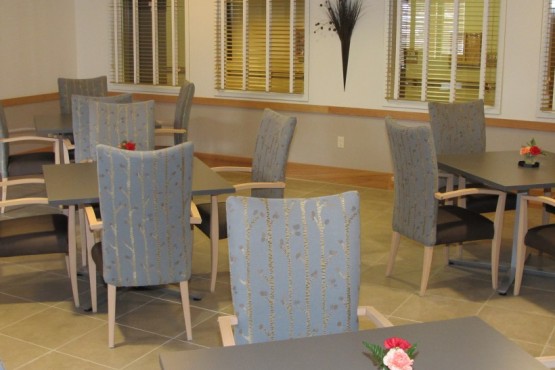
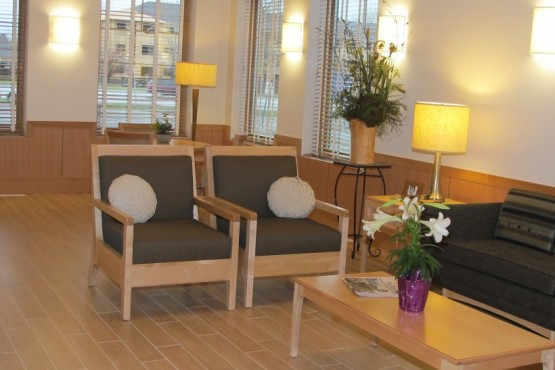
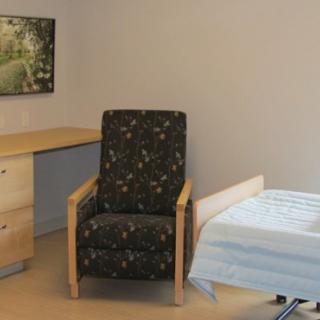
- The facility is clean, fresh, and welcoming, with comfortable spaces for family gatherings and deliciously prepared food.
- Patients and families wholeheartedly recommend Elim.
- The Fargo team consistently goes above and beyond for both patients and their families.
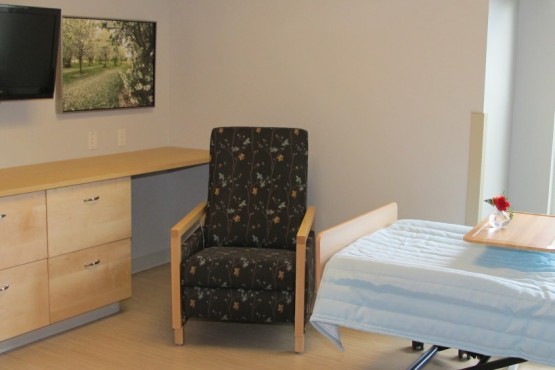
- The overall care experience is described as top-tier, with a home-like atmosphere, friendly and prompt staff, great food, skilled PT/OT teams, and spacious rooms.
Cons
 The management was poor.
- Everything else was not so great.
- The facility had trouble retaining staff, and if the employees wouldn’t stay, loved ones wouldn’t stay.
- The staff were always trying to take advantage of the family financially.
Review
Elim Care Center in Fargo is best suited for families seeking a warmth-forward, recovery-oriented environment where a loved one can rebuild strength after cancer treatment or major surgery and feel actively supported by a hands-on staff. The care narrative here centers on tangible gains in physical function, improved mood, and a sense that life can resume at home. Families report notable improvements in mental health and daily independence, driven by attentive caregiving, involved case management, and a kitchen team that makes meals a positive part of the day. The facility itself offers clean, fresh surroundings and comfortable spaces to visit, which matters when recovery stretches across weeks. In short, this community shines for recovery-focused residents who value human connection and practical support.
However, several voices warn that stability at Elim depends on administration and staffing patterns. For families that prize rock-solid management, clear, consistent policies, and transparent billing, alternatives may be prudent. Reviews raise red flags about poor management and staff turnover, issues that can translate into uneven experiences for residents and families alike. If a loved one requires continuous, predictable staffing or has sensitivities about financial practices, this community warrants scrutiny. The idea of a homey, attentive environment competes with the reality that the leadership and retention picture can shift, which matters when ongoing care and monthly costs are in play.
On the plus side, the strongest pros are in the everyday care and the human touch. Case management, patient care, and family responsiveness stand out as genuine strengths; caregivers are described as kind, attentive, and intentional. Frontline staff across nursing and therapy are praised for their promptness and empathy, with several accounts noting especially positive outcomes from PT/OT and routine daily support. The kitchen staff earns praise for meals, and the overall vibe leans toward a homelike setting with space and amenities that invite family gatherings. For families watching a loved one regain strength and mood after a major health event, these elements translate into meaningful, observable progress.
Still, the negatives cannot be ignored. The most persistent concern is management quality, as one review labels it poor. The perception that management is inconsistent or not fully aligned with family needs undermines trust. Compounding this, staff turnover is repeatedly cited as a problem; if the workforce does not stay, families worry about continuity of care and the reliability of their loved one’s daily routine. A third warning comes from a claim of financial manipulation or lack of transparency, which, even if contested, is a red flag for families budgeting for care. Taken together, these cons temper the otherwise compelling care story.
Pros and cons interact in a practical way: the excellent front-line care and recovery outcomes offer substantial value to residents who can tolerate potential administrative volatility. The care quality and home-like environment can offset some concerns about turnover if they trust the administration to address issues promptly and keep family communication clear. Yet for households prioritizing long-term stability and airtight financial clarity, the balance tilts toward caution. Prospective families should demand a candid discussion about staffing plans, retention strategies, leadership oversight, and a detailed, written billing policy. A tour with specific questions can reveal whether the current experiences match what’s advertised or felt by others.
Bottom line: Elim Care Center is a strong option for recovery-focused care in Fargo, best suited for families who value compassionate frontline care, meaningful rehab progress, and a homey environment, and who are comfortable with the possibility of administrative variability. It is less ideal for those who require unwavering management consistency or impeccable financial transparency. The decision should hinge on a frank evaluation of staffing stability, leadership continuity, and the comfort level with the proposed care plan and costs. If these conditions align, Elim offers a veteran-equipped option where residents can regain zest for life and families can witness tangible improvements.
 120 resident community capacity
 Skilled Nursing Facility
 Air-conditioning
 Beauty salon
 Cable or satellite TV
 Computer center
 Dining room
 Fitness room
 Fully furnished
 Gaming room
 Garden
 Housekeeping services
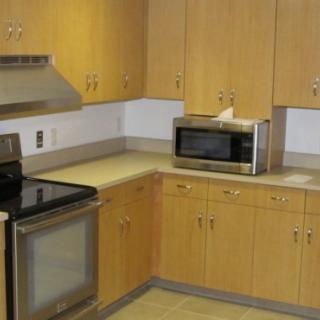
 Kitchenette
 Move-in coordination
 Outdoor space
 Private bathrooms
 Restaurant-style dining
 Small library
 Telephone
 Wellness center
 Wi-Fi/high-speed internet available
 Hector International (7 miles away)
 Community operated transportation
 12-16 hour nursing
 24-hour call system
 Activities of daily living assistance
 Assistance with bathing
 Assistance with dressing
 Assistance with transfers
 Diabetes diet
 Medication management
 Mental wellness program
 Special dietary restrictions
 Concierge services
 Planned day trips



 Understanding the Nuances of Palliative Care and Hospice: A Comprehensive Exploration
 Fecal Incontinence in Older Adults: A Comprehensive Guide
 Nurturing Well-Being Through Gardening: A Detailed Guide for Senior Enthusiasts