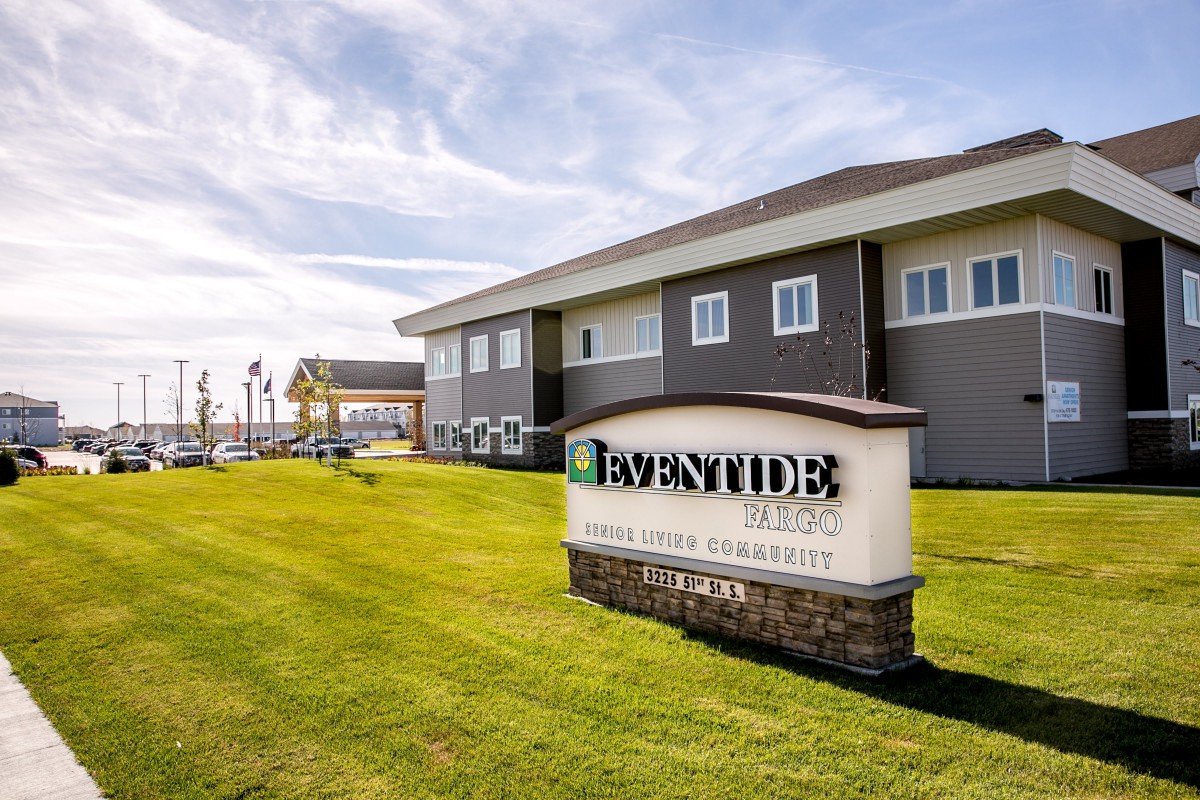











3225 51st St S, Fargo, ND 58104
To contact a resident: (218) 291-2200
For more information about senior living options: (866) 208-4318
Eventide Fargo Senior Living Apartments Costs & Pricing
Eventide Fargo Senior Living Apartments offers competitive pricing for its accommodations, making it an attractive option for seniors in the region. The monthly cost for a one-bedroom apartment is $2,794, which is notably lower than both the average rates in Cass County at $3,287 and across North Dakota, where prices reach approximately $3,800. For those considering two-bedroom options, Eventide Fargo also stands out with a rate of $3,554, compared to Cass County's average of $3,210 and the higher state average of $3,966. This pricing structure not only highlights Eventide Fargo's commitment to affordability but also emphasizes its value within the local market for senior living solutions.
| Floor plans | Eventide Fargo Senior Living Apartments | Cass County | North Dakota |
|---|---|---|---|
| 1 Bedroom | $2,794 | $3,287 | $3,800 |
| 2 Bedrooms | $3,554 | $3,210 | $3,966 |
Assisted Living communities with a similar price nearby
-
from -$219 / mo
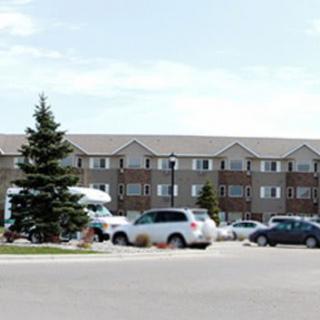
Edgewood Fargo
$2,575 to $2,900 / month2.4 miles away -
from +$246 / mo
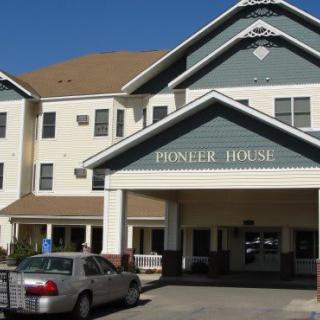
Fargo Elim Senior Senior Living Community
$3,040 to $4,450 / month0.5 miles away -
from +$201 / mo
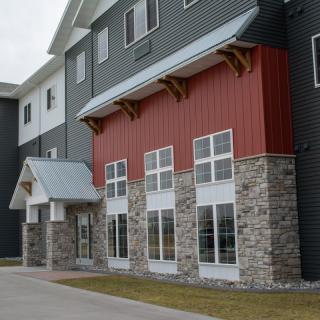
Farmstead Living
$2,995 to $3,950 / month5.7 miles away -
from +$133 / mo
Ecumen Evergreens of Fargo
$2,927 / month2.9 miles away -
from -$294 / mo
Arbor Park Senior Living Center
$2,500 / month5.5 miles away
Overall Review of Eventide Fargo Senior Living Apartments
Pros
 The staff were respectful and genuinely cared for the resident and her family.
- Eventide staff were awesome and took very good care of all needs.
- They would recommend the facility, praising the staff as angels on earth.
- The rehab stay was positive, with the staff taking excellent care of all needs.
- The place is wonderful and provides loving, attentive care.
- The staff seem happy and love their jobs, contributing to a welcoming environment.
- They treated the resident very well.
- The staff were friendly and welcoming, with great food at the cafe.
Cons
 The facility was described as chronically understaffed, with two nurses for 24 residents, leaving CNAs overworked.
 - The patient had to wait about 30 minutes to use the bathroom.
- A kidney collection bag was found full on the bathroom floor, suggesting neglect.
- The patient’s shirts and pajamas were taken, despite assurances that family laundry would be handled, and a check was issued later for them.
- The patient could not eat solid foods due to a limited menu and had to rely on Doordash for two weeks, resulting in malnutrition.
- There were concerns about whether staff could recognize sepsis and respond appropriately.
- One reviewer described the facility as racist with gossip and inappropriate administration, advising others to avoid it.
- The patient was brought home not feeling well and ultimately died from sepsis.
Review
Eventide Fargo Senior Living Apartments is best suited for families seeking a warm, caregiver-centered community where long‑term relationships with staff matter and family involvement in care planning is welcomed. The campus tends to reward residents who value a home-like atmosphere, social engagement, and a hands-on approach to care planning, including collaboration with hospice when needed. It is a strong option for those prioritizing compassionate, resident-focused staff and a community feel over clinical一定 rigidity. Those whose priorities include ironclad 24/7 medical oversight, rapid crisis response, or highly varied dining options may want to consider alternatives.
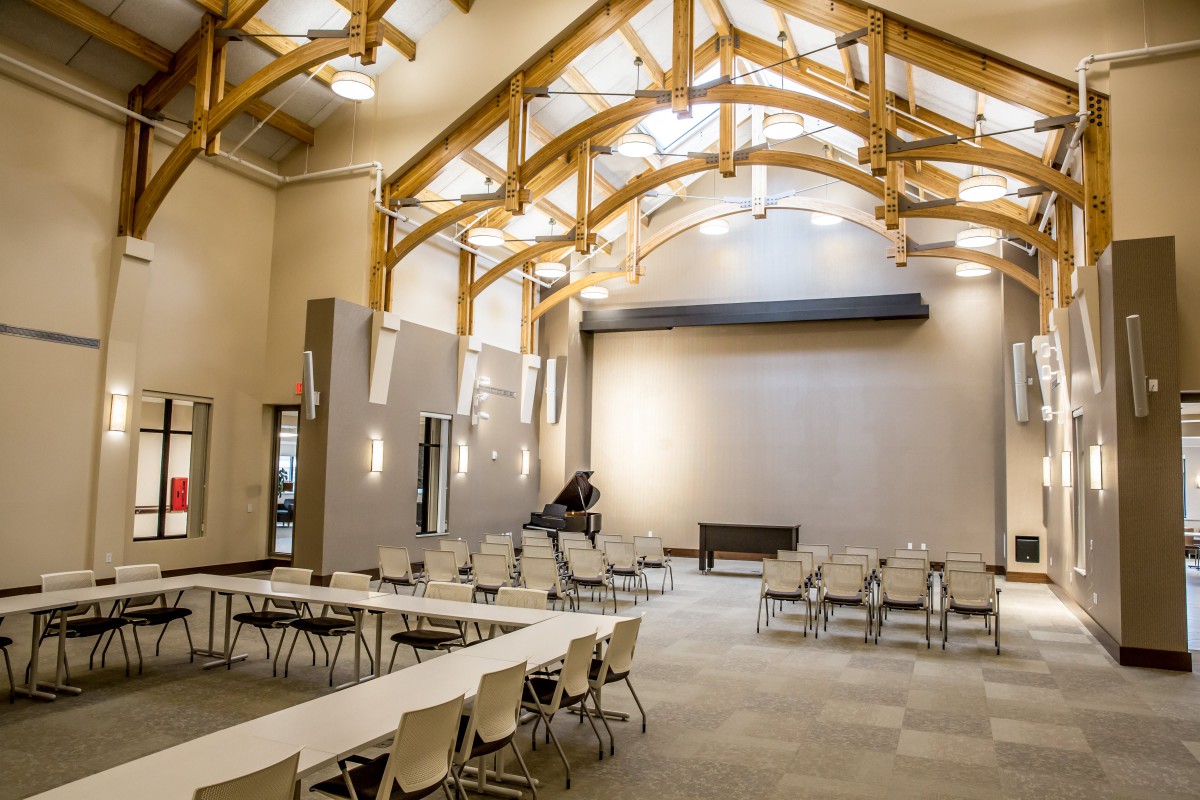
A clear throughline in the positive feedback centers on staff sincerity and stability. Families repeatedly describe staff as kind, caring, and genuinely invested in residents’ well‑being, with timely communication and dedicated involvement in care plans. Rehab stays are portrayed as well-supported, with therapists and aides who attend to needs promptly, and staff who help coordinate with hospice when appropriate. The facility’s social fabric also shines, welcoming dining spaces, a cafe with good food, and parking that accommodates visitors, all of which contribute to a sense of community and normalcy for residents and families alike.
But the record isn’t without serious caveats. A troubling degree of variability surfaces in some accounts: delays in basic care, gaps in assistance, and safety concerns that feel systemic rather than isolated. One review describes extended wait times for essential needs, a neglected medical situation involving a wound/kitney bag, and an overall impression of overstressed staff. Another account cites damaged clothing, inadequate nutrition due to a limited menu, and reliance on outside meal services while the resident was inpatient. The most alarming note points to staffing ratios, two nurses for roughly two dozen residents, raising questions about responsiveness and ongoing monitoring. Add in a racially charged accusation from at least one reviewer, and the risk profile becomes nontrivial for families prioritizing a consistently equitable, tightly supervised environment.
From the perspective of decision-making, the positives do offset some drawbacks when family oversight is active and care plans are rigorously reviewed. The strongest offset comes from the demonstrated capacity to provide warm, compassionate care and to coordinate with hospice and rehab services when needed. A stable, engaged staff culture translates into meaningful daily interactions and a reassuring emotional climate for residents and relatives. When care is organized and family members remain closely involved, the facility can deliver a high quality of life for many residents, particularly those who do not require constant critical medical attention and who value a social, connected living experience.
That said, certain residents may find Eventide Fargo less suitable. Anyone requiring near-constant clinical surveillance, rapid escalation of care, or highly controlled, nutritionally diverse menus could be better served elsewhere. The reports of understaffing, delayed responses, and a constrained food program suggest the need for careful assessment of personal care goals. Potential cultural concerns, as alleged in one review, further underscore the importance of direct conversations about policy enforcement, staff training, and a facility-wide commitment to respectful, inclusive care.
Practically, prospective families should undertake targeted due diligence. Schedule visits across different shifts to observe call-light response, staffing dynamics, and resident interaction. Ask for current nurse-to-resident ratios, review complaint and incident-tracking processes, and request specifics on how care plans are updated and communicated. Inquire about dietary accommodations, menu flexibility, and the availability of alternative dining options for residents with restricted diets. Finally, probe how staff turnover is managed, what steps are taken when concerns arise, and how the facility supports both residents and families amid transitions in care. When these conversations are thorough and candid, Eventide Fargo emerges as a solid option for those seeking a warm, community-focused environment with proven rehab and hospice collaboration, balanced by a realistic awareness of staffing and dietary limitations.
 Assisted Living
 Independent Living
 Cats allowed
 Dogs allowed
 Activities off-site
 Air-conditioning
 Beautician on-site
 Cable or satellite TV
 Devotional services off-site
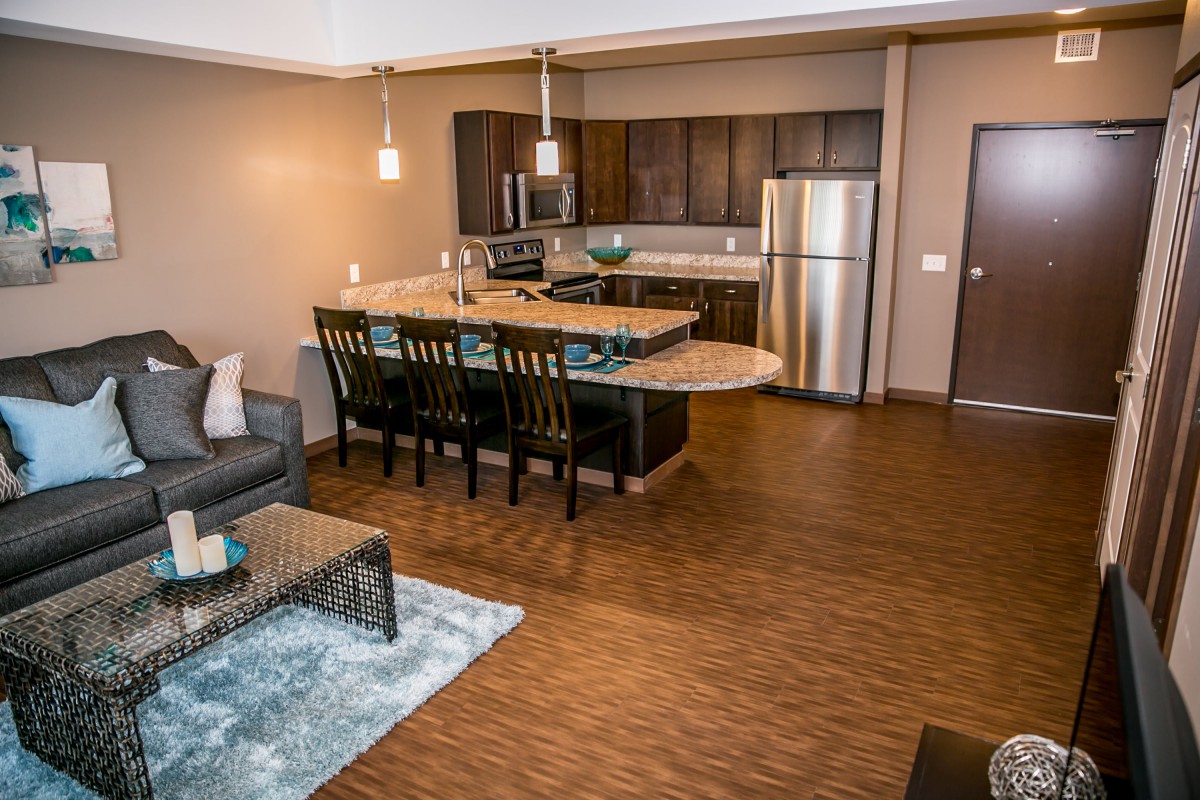
 Full kitchen
 Ground floor units
 Handicap accessible
 Indoor common areas
 Outdoor common areas
 Private bathrooms
 Wheelchair accessible showers
 Wi-Fi/high-speed internet available
 Hector International (7 miles away)
 Ambulatory care
 Diabetic care
 High acuity care
 Incontinence care
 Medication management
 Guest meals
 Art classes
 Catholic services
 Cooking classes
 Day trips and outings
 Educational speakers / life long learning
 Karaoke
 Live well programs




 Understanding the True Cost of Assisted Living in 2025: A Comprehensive Guide
 Understanding Medicaid Coverage for Assisted Living: A Comprehensive Guide
 How and When Medicaid May Cover Assisted Living Costs