4761 Ward Boulevard, Wilson, NC 27893
For more information about senior living options: (866) 208-4318
Longleaf Neuro-Medical Treatment Center Costs & Pricing
Longleaf Neuro-Medical Treatment Center offers competitive monthly rates for its accommodations, especially when compared to both Wilson County and the broader state of North Carolina. For a semi-private room, residents can expect to pay $2,700, which is notably lower than the county average of $2,978 and the state average of $3,584. The private room option is similarly priced at $3,240, again more affordable than Wilson County's average of $3,680 and North Carolina's statewide average of $4,425. Additionally, the studio rooms at Longleaf are priced at $3,510 - still below the county's rate of $3,777 and the state's $4,020. Overall, Longleaf presents an attractive financial option for those seeking neuro-medical care in a community setting.
| Floor plans | Longleaf Neuro-Medical Treatment Center | Wilson County | North Carolina |
|---|---|---|---|
| Semi-Private | $2,700 | $2,978 | $3,584 |
| Private | $3,240 | $3,680 | $4,425 |
| Studio | $3,510 | $3,777 | $4,020 |
Overall Review of Longleaf Neuro-Medical Treatment Center
Pros
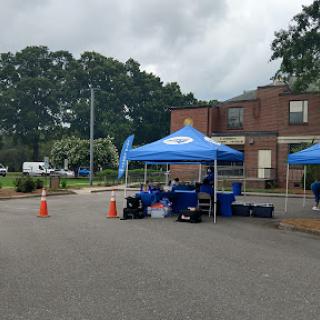
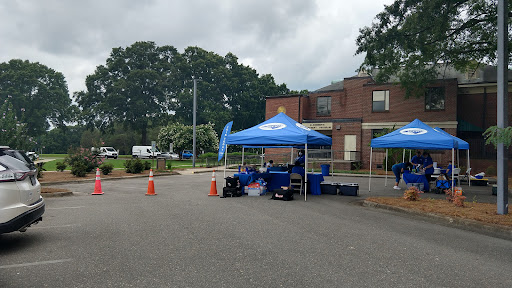
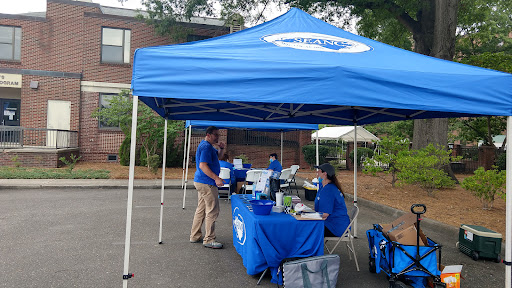
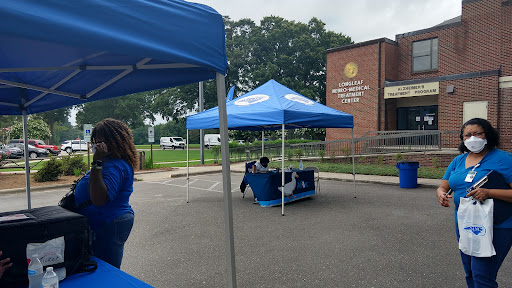
 They enjoyed meeting the employees at the recruitment event.
- The staff were very nice and the grounds were clean.
- The place is among the nicest and friendliest homes the reviewer has visited.
- The staff are welcoming and can answer questions.
- The reviewer would want to live there.
- The reviewer plans to volunteer again.
- The staff at Longleaf Neuro-medical Treatment Center were attentive to the residents.
- The residents received very good care.
Review
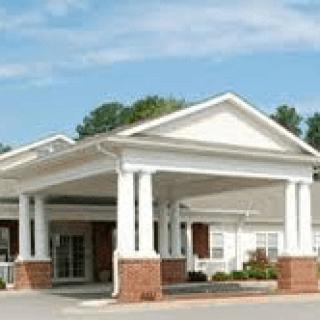
Longleaf Neuro-Medical Treatment Center in Wilson, North Carolina is best suited for seniors who require ongoing neuro-medical support but who also value a warm, resident-centered culture. The community earns trust quickly through staff warmth, attentiveness, and a palpable sense of daily care. Visitors repeatedly note that the team answers questions thoughtfully, residents appear well-cared-for, and the environment feels welcoming. The grounds are well-kept with a spacious front yard, and the building's size creates a sense of scale that supports social interaction. The practical routines, such as meals being followed by prompt tray removal, reflect a disciplined approach to resident comfort. In short, for families prioritizing reliable care and a humane, friendly atmosphere, this is a principled fit.
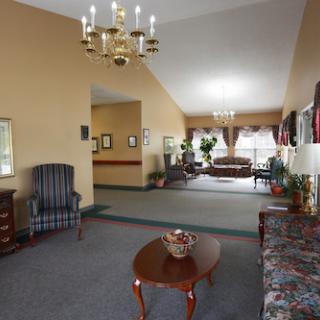
Those who want the newest interiors, the most modern amenities, or highly specialized, high-tech neuro-rehab environments may want alternatives. Reviews acknowledge the facility is older, albeit clean and well-maintained, and modernization would be gradual. If the top priority is looking for a cutting-edge design, sleek decor, or expansive, spa-like facilities, other options in Wilson or nearby markets will likely deliver those features sooner than Longleaf. Likewise, families seeking highly specialized memory-care layouts or aggressive medical technologies should compare options to ensure the center's neuro-medical capabilities align with expectations.
Yet the practical gains from the pros often outweigh the drawbacks. Attentive, personable staff who can answer questions and proactively address resident needs create a dependable care core that offsets the aging aesthetic. Cleanliness and well-kept surroundings matter, an older building that looks cared-for communicates stability. The big front yard and generous footprint support social activities and outdoor time, while consistent meal service and respectful treatment of residents contribute to daily dignity. The candor from residents, a long-time occupant praising respect, good food, and comfort, underlines that the experience centers on living well, not just medical outcomes.
For families evaluating a move, focus on what happens day-to-day. Observe staff-resident interactions, ask about how care plans are developed and updated, and confirm the center’s ability to accommodate neuro-medical needs on an ongoing basis. Inquire about programming, therapy services, and transportation if relevant. Talk to current residents when possible to gauge happiness, and notice whether meals, activity schedules, and social events reflect a true community rather than a clinic vibe. The culture described in reviews, friendly, welcoming, and community-oriented, should be validated during a first-hand visit.
Financial and practical considerations matter most in the decision. While ratings are strong (roughly four-and-a-half stars from thirteen reviews) and the staff earns trust, confirm pricing, what is included in rates, and whether there are limits on long-term care or memory-care-specific services. Because this is a neuro-medical setting, verify the staff-to-resident ratio during shifts, the availability of on-site physicians or nurse practitioners, and the scope of rehabilitative therapies. If family members value a home-like, neighborly feel with reliable routines, Longleaf delivers; if the goal is the most modern facility or highly specialized care design, use this as a baseline to vet alternatives.
In sum, Longleaf Neuro-Medical Treatment Center is a compelling choice for families prioritizing authentic care, steady staff attention, and a warm community vibe over a glossy, new-construction look. It offsets its older footprint with clean, well-maintained spaces, responsive service, and a strong sense of resident respect. For those who can tolerate incremental modernization in exchange for proven care quality and a sociable atmosphere, this center should sit near the top of the short list. For others, especially those chasing the latest interior design or highly specialized care layouts, it should be compared with more contemporary options to ensure alignment with expectations and budget.
 248 resident community capacity
 Skilled Nursing Facility
 Air-conditioning
 Beauty salon
 Cable or satellite TV
 Computer center
 Dining room
 Fitness room
 Fully furnished
 Gaming room
 Garden
 Housekeeping services
 Kitchenette
 Move-in coordination
 Outdoor space
 Private bathrooms
 Restaurant-style dining
 Small library
 Telephone
 Wellness center
 Wi-Fi/high-speed internet available
 Community operated transportation
 12-16 hour nursing
 24-hour call system
 Activities of daily living assistance
 Assistance with bathing
 Assistance with dressing
 Assistance with transfers
 Diabetes diet
 Medication management
 Mental wellness program
 Special dietary restrictions
 Concierge services
 Planned day trips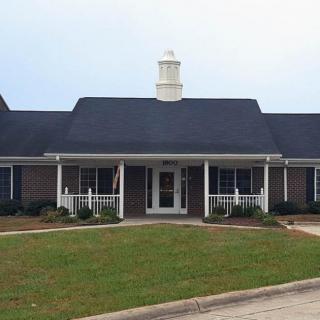

 A Comprehensive Exploration of Common Misunderstandings about Powers of Attorney
 Senior Move Management: Understanding the Role, Value, and Associated Costs
 Weight Training for Seniors: Building Strength and Vitality