South Village in Rocky Mount, NC

Save

  • Interior

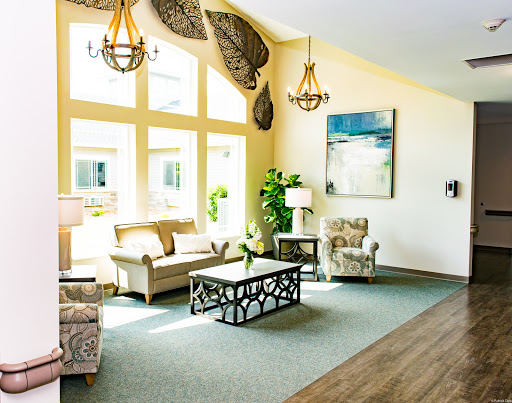
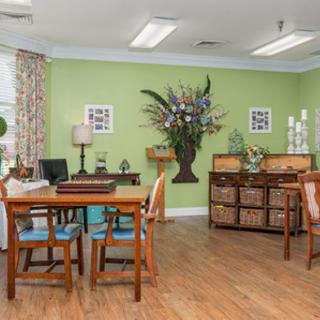
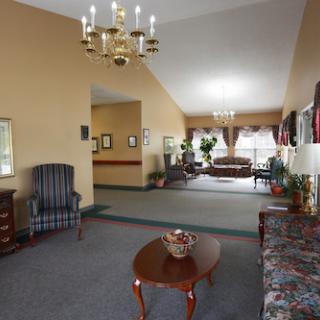
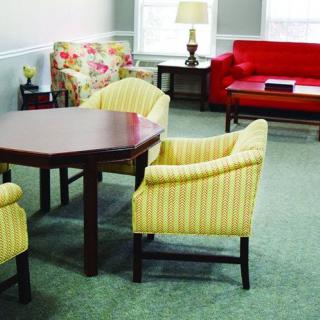
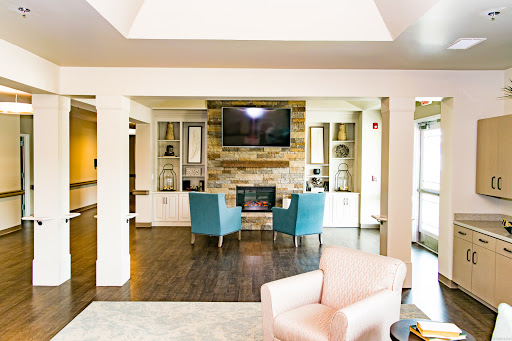
    A bright and inviting living room featuring modern furniture, elegant lighting, and decorative elements.
  • Decor

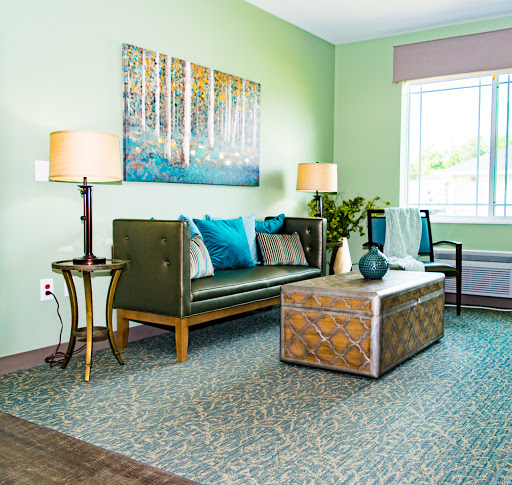
    A cozy living room with modern furnishings and a welcoming atmosphere.
  • Living Room

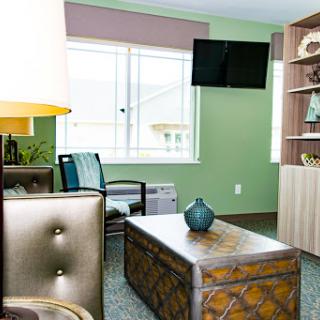
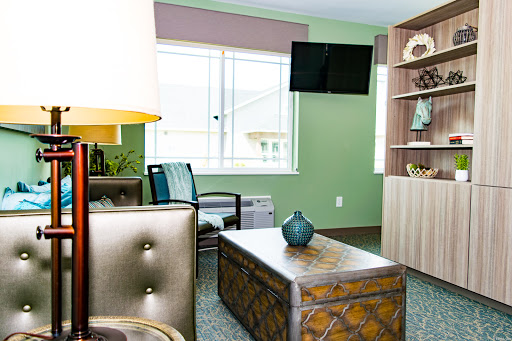
    A modern living room featuring a stylish coffee table, comfortable seating, and a television against a soothing green backdrop.
  • Building

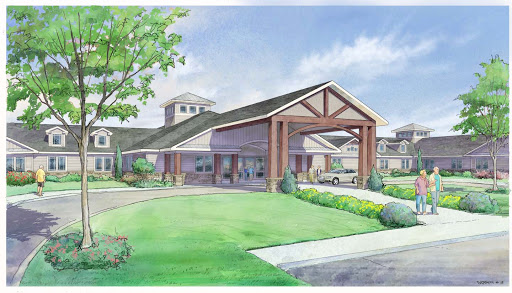
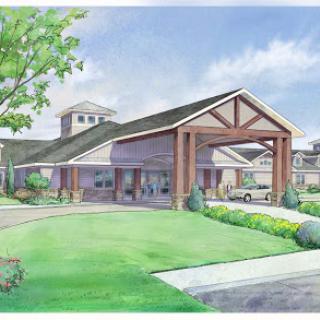
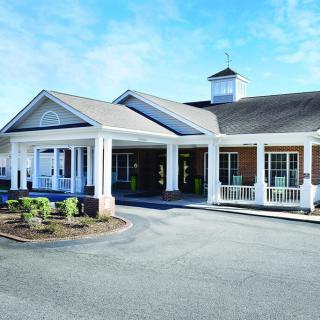
    A beautifully designed entrance to a residential building, surrounded by landscaped gardens and clear skies.
  • Bedroom

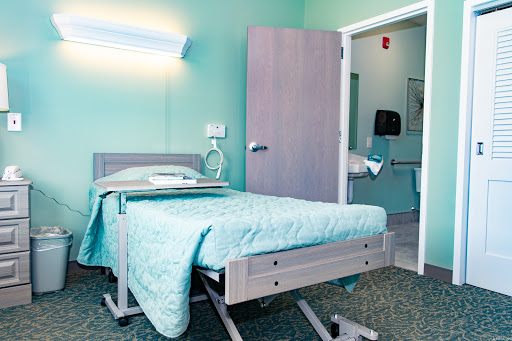
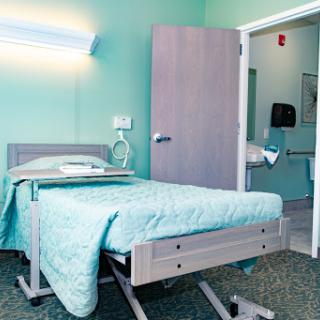
    A view of a hospital patient room featuring a hospital bed and calming green walls.
  • Landscaping

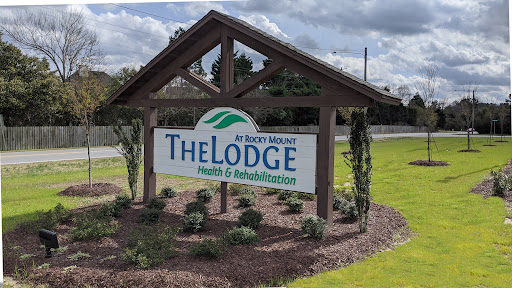
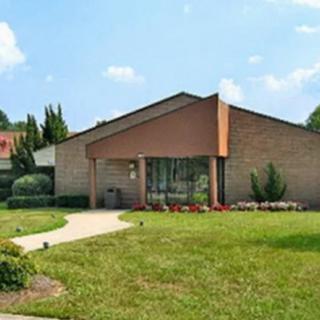
    A welcoming sign for 'The Lodge' at Rocky Mount, highlighting health and rehabilitation services.
  • Artwork

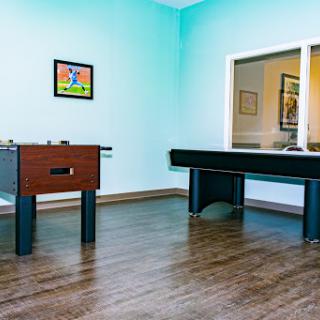
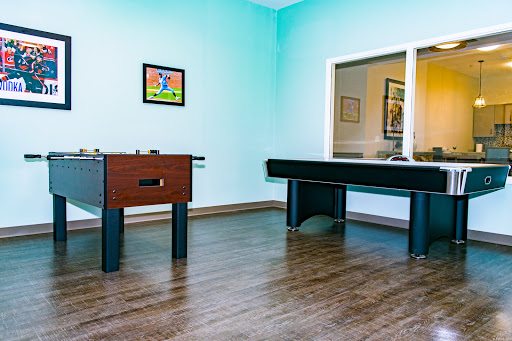
    A vibrant game room featuring a foosball table and an air hockey table with blue walls.
  • Bathroom

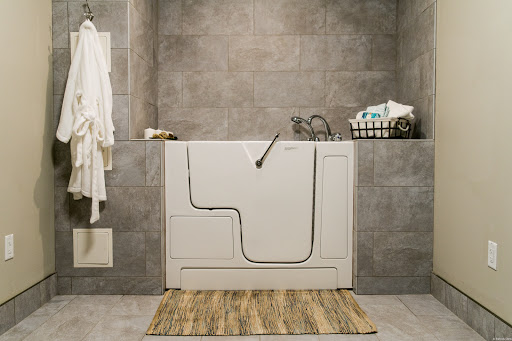
    A modern bathroom featuring a walk-in tub, designed for accessibility and comfort.
  • Plant

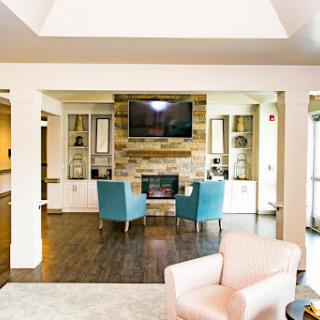
    A cozy living room with modern decor, featuring a stylish couch, decorative plants, and a beautifully arranged bookshelf.

South Village in Rocky Mount, NC

Information last verified:

3322 Village Road, Rocky Mount, NC 27804

For more information about senior living options: (844) 490-3973

3.7 from 59 reviews
5 stars
38
4 stars
3
3 stars
0
2 stars
0
1 stars
18

Overall Review of South Village

Pros

  • pro JoAnn is truly an exceptional nurse and an absolute gift to every patient she cares for.
  • pro JoAnn brings not only outstanding clinical skill, but also deep compassion and empathy to her work.
  • pro She takes the time to understand her patients’ needs, advocate for their well-being, and provide comfort during some of the most vulnerable moments of their lives.
  • pro JoAnn's attention to detail, calm demeanor, and unwavering commitment to excellence set her apart as a true professional.
  • pro JoAnn treats every patient as if they were family, never cutting corners and always striving to deliver the highest level of care.
  • pro JoAnn deserves recognition for her tireless dedication, compassion, and excellence in nursing.
  • pro Mrs. Billie JoAnn Duncan is an absolutely phenomenal nurse who goes above and beyond for her patients every single day.
  • pro Her professionalism, compassion, and attention to detail set her apart; Billie treats every patient like family.
  • pro She is the kind of nurse everyone hopes to have and absolutely deserves recognition for being the very best.
  • pro The Lodge at Rocky Mount has a dedicated and compassionate staff.
  • pro This facility is wonderful with very caring staff.
  • pro The lodge at rocky mount is a beautiful facility. The care provided by the staff is incredible.
  • pro The staff are great and take care of the residents.
  • pro The finest therapy department and excellent professional and friendly staff.
  • pro Brandi is helpful and knowledgeable.

Cons

  • pro The staff were rude and snappy when asked a simple question.
  • pro The call button doesn’t work, and patients have to track someone down to get help.
  • pro The care is described as the worst, with neglect leading to bedsores, UTIs, and hospitalizations.
  • pro The social worker is not professional and the administrative staff are rude.
  • pro Some of the staff are very rude and unprofessional, and agency workers are not treated with respect.
  • pro The facility may look nice on the outside, but the level of care is horrible.
  • pro Not worth the cost; not worth 8000 dollars for the care received.
  • pro The director seemed more focused on supporting her team than ensuring patients receive medications.

Review

This community is best suited for families prioritizing strong rehabilitation and a warm, socially engaging environment where compassionate nurses and a robust therapy program can drive meaningful recovery and ongoing care. The Lodge at Rocky Mount should be considered by those who want a facility that presents well, feels welcoming, and provides a visible emphasis on therapy, activities, and resident engagement. It is a practical option for long-term care when the priority is a pleasant atmosphere, accessible staff, and an emphasis on daily routines that keep residents connected. Those who demand flawless consistency in every shift, or who need near-zero tolerance for any care lapses, will want to explore alternatives.

On the plus side, the standout reality is a line of staff who demonstrate genuine care and professional skill in many interactions. Several nurses and aides are repeatedly praised for listening, advocating, and going the extra mile to keep residents comfortable and respected. The therapy department earns frequent praise for its quality and effectiveness, with families noting noticeable progress after rehabilitation. The facility’s cleanliness and maintenance are consistently cited as very strong, and the environment often feels like a “home with purpose,” where activities, newsletters, and a palpable sense of community help residents stay engaged. When care teams align with families’ expectations, the results can be impressive, and the overall culture can feel supportive and hopeful.

Yet the chorus of reviews is not without urgent warnings. The most consequential gaps revolve around inconsistent staffing and uneven quality of care. Multiple accounts describe serious consequences when staffing is thin or overwhelmed, bedsores, infections, and lapses in timely assistance for basic needs. Call bells and responsiveness emerge as recurring pain points, with families reporting long waits and the sense that residents are not always attended to promptly. Management and scheduling issues surface in several anecdotes, including miscommunications, discharges mishandled, and rooms reserved or reassigned in ways that shake families’ confidence. The result is a community where care quality can swing dramatically from one shift to the next, and where a few negative experiences color overall impressions even when many interactions are positive.

The key pros offset the main cons only to the extent that dedicated staff and effective therapy drive outcomes when they are present. When nurses and aides embody compassion and competence, residents experience better symptom management, timely medication administration, and clearer communication with families. A strong therapy program can accelerate rehabilitation, reduce hospital readmissions, and restore independence, which in turn eases the emotional and logistical burden on families. A clean, well-kept building with a friendly, family-like atmosphere reinforces a sense of safety and normalcy that benefits mood and participation in daily activities. However, the offset is not guaranteed. When staffing gaps occur or leadership falters, the same facility that shines on certain days can falter on others, nullifying the benefits of even excellent clinical care and rehabilitation.

For families weighing a decision, concrete action steps are essential. First, conduct a thorough onsite evaluation focused on staffing levels during peak hours, responsiveness of call bells, and the ability of staff to translate medical plans into daily routines. Ask to speak directly with the director of nursing and the therapy manager to understand how the facility handles short-staffed shifts, weekend coverage, and emergency contingencies. Request recent QA metrics and read recent family council notes to gauge consistency over time. Compare costs, what is included in long-term care versus rehab services, and whether corporate policies have shifted recently. Finally, explore alternatives that offer a similar environment but with stronger, more reliable staffing patterns and transparent operations.

In the end, this community is a practical, compelling choice for families who can actively participate in oversight and prefer a facility that blends a beautiful setting with a capable rehab and caregiving cadre. The strong performers, particularly in nursing attentiveness and therapeutic care, can deliver meaningful benefits, making long-term stays tolerable and even comfortable when the care team is aligned with families’ expectations. However, the less favorable experiences cannot be dismissed: inconsistent staffing, delayed responses, and administrative missteps pose real risks that can substantially impact safety and outcomes. If those risks are unacceptable, and if steady, predictable day-to-day care is non-negotiable, it is prudent to shop for alternatives with a track record of uniform performance and fewer escalation-worthy incidents. The decision hinges on whether the family can actively monitor care, advocate effectively, and tolerate the possibility that quality may fluctuate, and on whether the value of a pleasant environment and high-touch rehab justifies the price in light of that potential variability.

Features

Housing

  • 100 resident community capacity 100 resident community capacity

Types of Care

  • Skilled Nursing Facility Skilled Nursing FacilitySkilled Nursing Facilities are crucial for seniors as they provide round-the-clock medical care, rehabilitation services, and assistance with daily activities. These facilities ensure that seniors receive the specialized care they need to maintain their health and well-being as they age.

Amenities

  • Air-conditioning Air-conditioningAir conditioning is important for seniors as they are more vulnerable to heat-related illnesses and may have underlying health conditions that make it difficult for them to regulate their body temperature. It helps to keep them comfortable, safe, and healthy in hot weather.
  • Beauty salon Beauty salonBeauty salons are important for seniors because they provide a space for them to feel pampered, socialize, and maintain their personal grooming and hygiene. Regular visits to a beauty salon can help boost seniors' self-esteem and overall well-being.
  • Cable or satellite TV Cable or satellite TVCable or satellite TV is important for seniors because it provides entertainment, news, and companionship, helping to combat loneliness and boredom. It also offers a wide range of programming options tailored to different interests and preferences.
  • Computer center Computer centerA computer center is essential for seniors as it provides access to technology, communication tools, and resources that can enhance their daily lives. It allows them to stay connected with loved ones, engage in online activities, and learn new skills, ultimately promoting socialization and mental stimulation.
  • Dining room Dining roomDining rooms are important for seniors as they provide a space for socialization, connection, and nutritious meals. They offer opportunities for residents to bond over shared meals, foster a sense of community, and promote healthy eating habits. Dining rooms also ensure that seniors have access to well-balanced meals tailored to their dietary needs and preferences.
  • Fitness room Fitness roomHaving a fitness room in a senior living community is essential for seniors to stay active, maintain their physical health, and improve their overall well-being. Regular exercise can help prevent falls, reduce the risk of chronic diseases, and promote mental sharpness. It also provides social opportunities for residents to connect with others and enjoy a sense of community.
  • Fully furnished Fully furnishedFully furnished senior living communities are important for seniors because they provide convenience, comfort, and a hassle-free moving experience. Seniors can easily settle into their new living space without the stress of having to buy and move furniture. This allows them to focus on enjoying their new home and community.
  • Gaming room Gaming roomGaming rooms are important for seniors as they provide a fun and engaging environment for socializing, cognitive stimulation, and physical activity. Games can improve memory, problem-solving skills, and overall mental well-being while fostering friendships and reducing feelings of isolation.
  • Garden GardenGardens are important for seniors as they provide a peaceful and therapeutic environment for relaxation, physical activity, and socialization. Being in nature has been shown to reduce stress, improve mood, and promote overall well-being. Gardens also offer opportunities for seniors to engage in gardening activities, which can improve mobility, flexibility, and cognitive function. Additionally, gardens create a sense of community and connection with others who share a passion for plants and outdoor spaces.
  • Housekeeping services Housekeeping servicesHousekeeping services are important for seniors because they help maintain a clean and safe living environment, promote independence, and reduce the risk of accidents or illnesses. Additionally, having assistance with household chores can alleviate physical strain and allow seniors to focus on other aspects of their well-being.
  • Kitchenette KitchenetteKitchenettes are important for seniors living in senior living communities because they provide the convenience and independence of being able to prepare simple meals and snacks in the comfort of their own living space. This can help promote a sense of autonomy and well-being for seniors, allowing them to maintain some level of control over their dietary choices and daily routines.
  • Move-in coordination Move-in coordinationMove-in coordination is important for seniors because it helps ease the transition into their new living environment. It ensures that all logistics, such as packing, organizing movers, and setting up utilities are taken care of, allowing seniors to focus on settling in and adjusting to their new home. Having a smooth move-in process can alleviate stress and anxiety, making the transition smoother and more enjoyable for seniors.
  • Outdoor space Outdoor spaceOutdoor spaces are important for seniors as they provide opportunities for physical activity, social interaction, exposure to natural light and fresh air, and a sense of connection to nature. Having access to outdoor spaces can improve overall well-being and quality of life for older adults living in senior communities.
  • Private bathrooms Private bathroomsPrivate bathrooms are important for seniors in senior living communities because they provide independence, dignity, and comfort. Having a private bathroom allows seniors to maintain their personal hygiene routines without the need for assistance, promoting a sense of autonomy and privacy. Additionally, private bathrooms help prevent the spread of infections and provide a safe and clean environment for seniors to navigate safely.
  • Restaurant-style dining Restaurant-style diningRestaurant-style dining is important for seniors because it allows them to enjoy delicious, nutritious meals in a social and upscale setting. This enhances their dining experience, promotes healthy eating habits, and fosters socialization with fellow residents, ultimately contributing to their overall well-being and quality of life.
  • Small library Small librarySmall libraries are important for seniors as they provide access to a variety of reading materials, including books, newspapers, and magazines. This can help stimulate their minds, keep them engaged, and provide a sense of community through book clubs and other social activities. Additionally, reading has been shown to improve cognitive function and overall mental well-being in older adults.
  • Telephone TelephoneTelephones are important for seniors as they provide a lifeline for communication with loved ones, emergency services, and healthcare providers. They offer a sense of security and independence, enabling seniors to stay connected and access assistance when needed.
  • Wellness center Wellness centerWellness centers are important for seniors because they offer a variety of programs and services that promote physical, mental, and emotional well-being. These centers provide opportunities for exercise, socialization, education, and relaxation, helping seniors maintain their overall health and quality of life.
  • Wi-Fi/high-speed internet available Wi-Fi/high-speed internet availableWi-Fi/high-speed internet is important for seniors to stay connected with loved ones, access online resources, and participate in virtual activities to combat feelings of loneliness and isolation. It also allows them to easily manage healthcare needs, access entertainment, and engage in lifelong learning opportunities.

Transportation

  • Community operated transportation Community operated transportationCommunity operated transportation is crucial for seniors as it provides them with the means to access essential services, social activities, and medical appointments. It allows seniors to maintain their independence and quality of life by ensuring they can participate in activities outside of their homes. Additionally, community-operated transportation services offer a safe and reliable way for seniors to travel without having to rely on family or friends for assistance.
  • Transportation arrangement Transportation arrangementTransportation arrangements are crucial for seniors as they may face challenges with driving, mobility, or access to public transportation. Having reliable transportation services ensures that seniors can easily attend appointments, social activities, and maintain their independence and quality of life.
  • Transportation arrangement (non-medical) Transportation arrangement (non-medical)Transportation arrangements are essential for seniors as they provide access to essential services, activities, and social interactions outside the home. This service helps maintain independence, mobility, and overall well-being for seniors who may have limited transportation options.
  • Transportation to doctors appointments Transportation to doctors appointmentsTransportation to doctors appointments is crucial for seniors as it ensures they have access to necessary medical care and support, promoting their health and well-being. It allows them to receive timely treatment, monitor existing conditions, and address any new health concerns efficiently. Additionally, transportation services can help seniors maintain their independence and quality of life by enabling them to stay connected with their healthcare providers.

Care Services

  • 12-16 hour nursing 12-16 hour nursing12-16 hour nursing care is crucial for seniors in order to ensure around-the-clock monitoring, timely medication administration, and prompt response to any health concerns or emergencies. This level of care helps to promote the overall well-being and safety of seniors living in senior living communities.
  • 24-hour call system 24-hour call system24-hour call systems are important for seniors because they provide peace of mind and immediate assistance in case of emergencies. This technology ensures that help is always available, promoting safety and security for elderly individuals living alone or in assisted living facilities.
  • 24-hour supervision 24-hour supervision24-hour supervision is important for seniors to ensure their safety, well-being, and access to immediate assistance in case of emergencies or health issues. This constant support provides peace of mind for both seniors and their loved ones, allowing them to age in place with dignity and security.
  • Activities of daily living assistance Activities of daily living assistanceActivities of daily living assistance are important for seniors because they provide essential support with tasks such as eating, bathing, dressing, and mobility. This assistance helps seniors maintain their independence, dignity, and overall quality of life as they age.
  • Assistance with bathing Assistance with bathingAssistance with bathing is crucial for seniors as it helps maintain personal hygiene, prevents infections, and ensures their overall well-being and comfort. It also provides a sense of dignity and independence for seniors who may struggle with this task on their own.
  • Assistance with dressing Assistance with dressingAssistance with dressing is important for seniors because it helps maintain their independence, promotes personal hygiene, prevents accidents and injuries, and improves overall quality of life. This service ensures that seniors can continue to dress comfortably and confidently, despite any physical limitations they may have.
  • Assistance with transfers Assistance with transfersAssistance with transfers is crucial for seniors as it helps prevent falls and injuries, maintains their independence, and ensures they can safely navigate their living environment. It also provides peace of mind for both seniors and their loved ones.
  • Diabetes diet Diabetes dietA diabetes diet is crucial for seniors as it helps manage blood sugar levels, reduce risks of complications, and improve overall health and well-being. By following a balanced and nutritious diet tailored to their specific needs, seniors can better control their diabetes and enhance their quality of life.
  • Meal preparation and service Meal preparation and serviceMeal preparation and service are crucial for seniors as they may have limited mobility or energy to cook nutritious meals. Having access to healthy and convenient food options can ensure they are getting the proper nutrition needed to maintain their overall health and well-being.
  • Medication management Medication managementMedication management is crucial for seniors to ensure they are taking the right medications at the correct dosages and times. This helps prevent adverse drug interactions, reduces the risk of medication errors, and promotes overall health and well-being. Proactive management also allows for adjustments as needed based on changing health conditions or new prescriptions.
  • Mental wellness program Mental wellness programMental wellness programs are essential for seniors as they promote cognitive stimulation, emotional support, and social engagement. These programs help prevent isolation, depression, and cognitive decline, ultimately enhancing the overall quality of life for older adults.
  • Special dietary restrictions Special dietary restrictionsSpecial dietary restrictions are important for seniors because age-related changes in metabolism and health conditions can make it difficult for their bodies to process certain foods. By following a diet tailored to their specific needs, seniors can maintain their overall health and well-being, manage chronic conditions, and reduce the risk of complications such as malnutrition or food interactions with medications.

Dining

  • Diabetes diet Diabetes dietA diabetes diet is crucial for seniors as it helps manage blood sugar levels, reduce risks of complications, and improve overall health and well-being. By following a balanced and nutritious diet tailored to their specific needs, seniors can better control their diabetes and enhance their quality of life.
  • Special dietary restrictions Special dietary restrictionsSpecial dietary restrictions are important for seniors because age-related changes in metabolism and health conditions can make it difficult for their bodies to process certain foods. By following a diet tailored to their specific needs, seniors can maintain their overall health and well-being, manage chronic conditions, and reduce the risk of complications such as malnutrition or food interactions with medications.

Activities

  • Community-sponsored activities Community-sponsored activitiesCommunity-sponsored activities are important for seniors as they provide opportunities for social interaction, mental stimulation, and physical activity. These activities can help improve overall well-being, combat loneliness and isolation, and promote a sense of belonging and purpose among older adults.
  • Concierge services Concierge servicesConcierge services are essential for seniors as they provide assistance with daily tasks and errands, enhance their quality of life by offering convenience and personalized care, and promote a sense of safety and security.
  • Fitness programs Fitness programsFitness programs are crucial for seniors as they help improve strength, flexibility, balance, and overall well-being. Staying active can reduce the risk of chronic diseases, improve mental health, and enhance quality of life in older adults.
  • Planned day trips Planned day tripsPlanned day trips are important for seniors because they offer opportunities for socialization, mental stimulation, and physical activity. They provide a change of scenery and help seniors stay engaged and connected to their community, promoting overall well-being and quality of life.
  • Resident-run activities Resident-run activitiesResident-run activities are important for seniors as they encourage social interaction, creativity, and a sense of autonomy. These activities empower seniors to stay engaged and active in their community while fostering meaningful connections with their peers.
  • Scheduled daily activities Scheduled daily activitiesScheduled daily activities are important for seniors because they provide structure, socialization, mental stimulation, and physical activity. Engaging in regular activities can improve overall well-being and quality of life for seniors living in a community setting.

Description

South Village is an assisted living community located in Rocky Mount, NC. This vibrant and welcoming community offers a wide range of amenities to enhance the comfort and convenience of its residents.

Residents can enjoy regular visits to the beauty salon to stay well-groomed and feel their best. They can also watch their favorite shows and movies on cable or satellite TV in the privacy of their own rooms. For those who prefer not to drive, community-operated transportation is available for various purposes, including shopping trips and social outings.

The computer center allows residents to stay connected with loved ones through email and social media, or pursue personal interests online. The dining room offers restaurant-style dining experiences where residents can savor delicious meals prepared by professional chefs.

Fitness enthusiasts can benefit from the fitness room, which provides equipment for various exercises and activities to help maintain physical health. The gaming room offers opportunities for friendly competition and entertainment.

The outdoor space includes a beautiful garden where residents can take peaceful walks or simply relax amidst nature's beauty. Housekeeping services are provided, ensuring that residents enjoy clean and tidy living spaces at all times.

Each resident has access to a private bathroom for their convenience and privacy. A small library is available for those who love reading, providing a quiet space for relaxation or intellectual stimulation.

Telephone service is provided, allowing residents to easily connect with family and friends. Transportation arrangements are made for non-medical purposes as well as assisting residents with transportation to doctors' appointments.

The wellness center promotes overall well-being through various programs tailored to mental wellness and ensuring special dietary restrictions are met. Wi-Fi/high-speed internet is available throughout the community, allowing residents to stay connected online.

Care services include 24-hour call system for immediate assistance when needed, as well as 24-hour supervision for added safety and peace of mind. Staff members provide assistance with activities of daily living such as bathing, dressing, transfers, and medication management.

Special dietary restrictions are accommodated, ensuring that residents with specific nutritional needs are catered to. Meal preparation and service are provided by professional chefs who prioritize taste and nutrition.

A variety of activities are offered to keep residents engaged and entertained. Concierge services are available to assist with various requests. Fitness programs promote physical well-being, while planned day trips offer opportunities for exploration and socialization. Resident-run activities allow individuals to share their hobbies and talents, fostering a sense of community. Scheduled daily activities ensure there is always something interesting happening for residents to participate in.

In summary, South Village offers a comprehensive assisted living experience that prioritizes comfort, convenience, and personalized care for its residents.

Virtual Tour

Nearby Places of Interest

Frequently Asked Questions

Where is South Village?
What photos are available for South Village in Rocky Mount, North Carolina?

Nearby Communities

  • Hunter Hills Nursing And Rehabilitation Center

    Hunter Hills Nursing And Rehabilitation Center

    Rocky Mount, NC

    1 from 1 review
     

    pro Proactive family advocacy and patient resilience noted.


  • Rocky Mount Rehabilitation Center

    Rocky Mount Rehabilitation Center

    Rocky Mount, NC

    2.9 from 48 reviews
     

    pro Luxurious setting with extensive on-site amenities and round-the-clock care.

  • Knight's Family Care Home

    Knight's Family Care Home

    Rocky Mount, NC


    pro Warm, family-style care with comprehensive services and convenient amenities.

  • Brekenridge Retirement Center

    Brekenridge Retirement Center

    Rocky Mount, NC

    4.3 from 9 reviews
     

    pro Well-decorated, inviting, home-like atmosphere with engaging resident activities.

  • Spring Arbor of Rocky Mount

    Spring Arbor of Rocky Mount

    Rocky Mount, NC

    4.8 from 63 reviews
    $3,710 to $6,150 / month

    pro Long-tenured, caring staff and a clean, welcoming memory-care focused environment.

  • Covenant Homes Inc

    Covenant Homes Inc

    Rocky Mount, NC

    4.5 from 23 reviews
    $3,400 to $7,200 / month

    pro Competitive pricing for studio and 1-bedroom units relative to Nash County and NC averages.

  • Autumn Care Of Nash

    Autumn Care Of Nash

    Nashville, NC

    3.8 from 39 reviews
     

    pro Caring staff, clean facility, and engaging activities

  • Spring Arbor of Wilson

    Spring Arbor of Wilson

    Wilson, NC

    4.9 from 30 reviews
    $3,579 to $5,759 / month

    pro Caring staff in a clean, home-like setting with engaging activities.

  • Parkwood Village

    Parkwood Village

    Wilson, NC

    4.6 from 29 reviews
    $2,600 to $4,785 / month

    pro Caring staff, clean environment, and robust dining/activities.

Related Resources

  • best dog for seniorsTop Canine Companions for Older Adults

    Dogs can greatly improve the lives of older adults by offering emotional support and encouraging physical activity, with factors such as size, temperament, and grooming needs being crucial in selecting a suitable breed. Senior dogs often make ideal companions for this demographic, promoting social connections and requiring care routines that align with seniors' capabilities.

  • elderly blood pressure chartComprehensive Guide to Blood Pressure Charts for Older Adults: Understanding Normal and High Readings by Age

    The guide on blood pressure charts for older adults stresses the importance of understanding normal and high blood pressure readings influenced by age, genetics, and lifestyle, while emphasizing regular monitoring and lifestyle modifications to prevent serious health issues. It provides insights into blood pressure categories, dietary recommendations, medication considerations, and the role of caregivers in supporting healthy habits.

  • how to pay for nursing home care with social securityFinancing Long-Term Nursing Home Care Through Social Security: A Thorough Exploration
    The article explores the complexities of using Social Security to finance long-term nursing home care in the U.S., detailing eligibility requirements and misconceptions, while emphasizing that these benefits often do not cover full costs and highlighting the need for strategic financial planning and professional guidance.