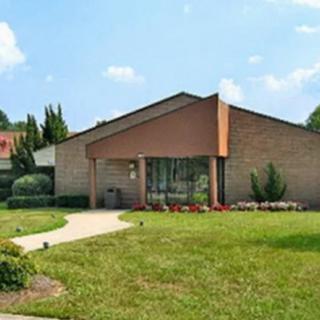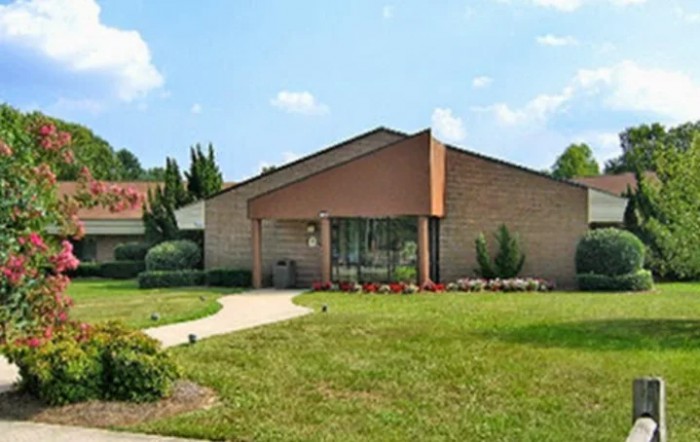
7369 Hunter Hill Road, Rocky Mount, NC 27804
For more information about senior living options: (866) 208-4318
Overall Review of Hunter Hills Nursing And Rehabilitation Center
Cons
 The place was described as horrible and not suitable for loved ones.
- The patient felt like they were in rehab for two weeks rather than receiving proper care.
- The nurses and staff were rude and disrespectful.
- The food was awful.
- The physical therapy staff allegedly misidentified the patient and refused to show records.
- The patient was left in their own feces for three and a half hours during the first two nights.
Review
Hunter Hills Nursing and Rehabilitation Center in Rocky Mount is best suited for families that must make a choice on a constrained budget and are prepared to provide close, ongoing oversight to protect basic safety and dignity. It is not a destination for those who demand consistently respectful interactions, transparent communication, and steady, accountable care. In practice, this facility functions as a last-resort option when no better alternatives are accessible, and a vigilant family remains the primary safeguard against lapses in treatment.
Those who should seriously consider alternatives are families prioritizing everyday humanity in care, courtesy from the nursing team, timely responsiveness to concerns, and clear, accessible records. Any resident with delicate needs for respectful communication, predictable routines, or dependable hygiene and supervision will likely fare better elsewhere. Individuals requiring specialized, compassionate support for complex medical conditions or cognitive challenges should seek environments with proven reputations for patient-centered care and strong oversight. In short, residents and families can expect meaningful improvements by looking beyond Hunter Hills to peers with stronger track records.
The limited positive attributes at Hunter Hills do exist, but they do not compensate for the dominant drawbacks. The facility appears to offer a functioning rehabilitation framework: some physical therapy resources and the basic capability to support mobility attempts, as evidenced by the presence of walkers and parallel bars during treatment. Yet these assets are overshadowed by the overall care climate. The most consequential failures are in how residents are treated on a daily basis, staff demeanor that can feel dismissive, food quality that undermines comfort and morale, and a culture that leaves residents uncertain about whether their needs will be acknowledged or acted upon. The mismatch between capability and care experience makes the rehabilitation label hard to justify in light of the interpersonal and operational gaps.
The core risks become vividly clear when focusing on daily life: respect and humanity appear to be uneven at best. Several concrete red flags emerge, improper handling of personal records, resistance to sharing medical information, and questions about accuracy in patient identification, each eroding trust and undermining safety. The most troubling anecdote, an extended delay in basic personal hygiene care, highlights a potential pattern of neglect that families simply cannot ignore. When staff communication is inconsistent and basic rights to information and privacy feel compromised, the entire care trajectory suffers, and recovery goals become harder to achieve. These are not mere discomforts; they are meaningful barriers to a dignified elder-care experience.
Decision-making becomes straightforward in light of these realities. Prospective residents should demand rigorous, on-site assessments focused on staff responsiveness, consistency in care plans, and the treatment of residents with courtesy and respect. Inquire about staff-to-resident ratios, turnover rates, and the facility’s incident and complaint history. Request current menus, sample meal textures, and opportunities to observe meal service and resident interactions in real time. Seek transparent access to medical records, and ensure that any transfer plans or discharge protocols are clear and resident-centered. If any doubt persists after a thorough tour and frank conversations with leadership, consider expanding the search to other communities with stronger reputations for safety, dignity, and accountable care.
Ultimately, Hunter Hills should be approached with heightened caution. The single, explicit negative review indicates a level of care and respect that falls far short of what families should expect for a loved one in need of skilled nursing and rehabilitation. For most families, this equates to a clear recommendation to explore other options first, reserving Hunter Hills only for those rare cases where every alternative is deemed unattainable and an extensive family oversight plan is in place to monitor, intervene, and advocate at all times.
 141 resident community capacity
 Skilled Nursing Facility
 Air-conditioning
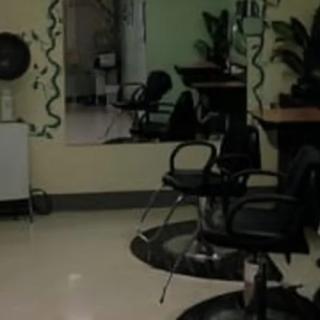
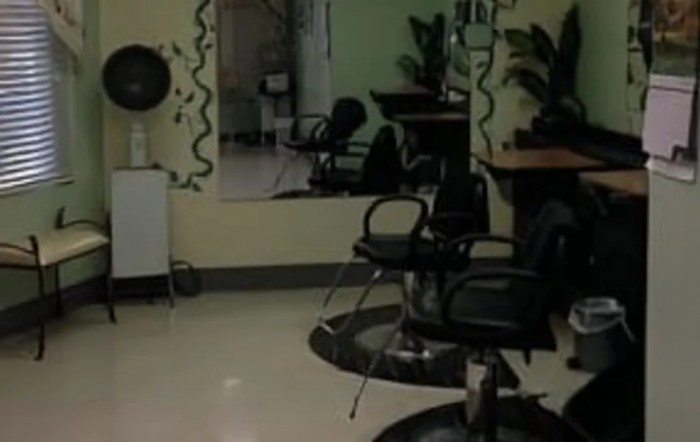
 Beauty salon
 Cable or satellite TV
 Computer center
 Dining room
 Fitness room
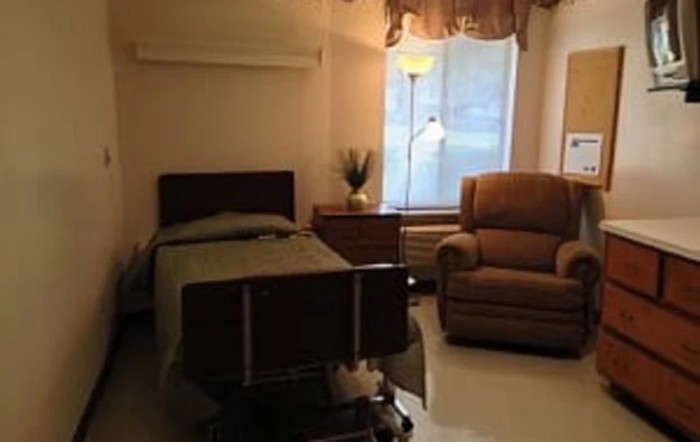
 Fully furnished
 Gaming room
 Garden
 Housekeeping services
 Kitchenette
 Move-in coordination
 Outdoor space
 Private bathrooms
 Restaurant-style dining
 Small library
 Telephone
 Wellness center
 Wi-Fi/high-speed internet available
 Community operated transportation
 12-16 hour nursing
 24-hour call system
 Activities of daily living assistance
 Assistance with bathing
 Assistance with dressing
 Assistance with transfers
 Diabetes diet
 Medication management
 Mental wellness program
 Special dietary restrictions
 Concierge services
 Planned day trips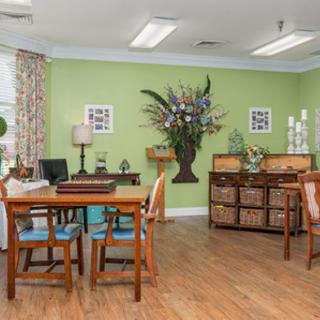
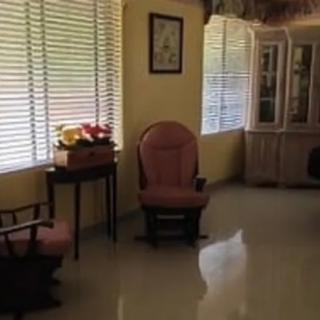
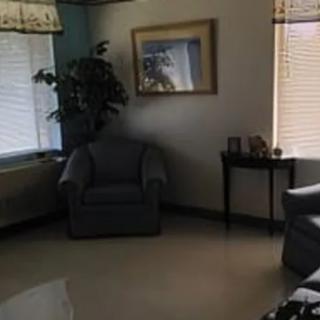
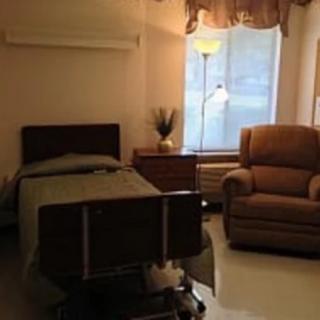
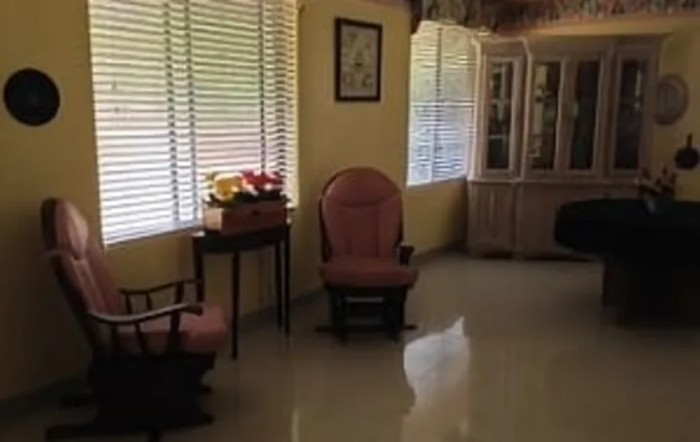
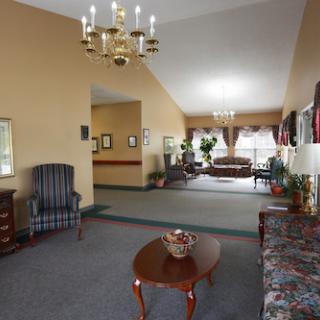
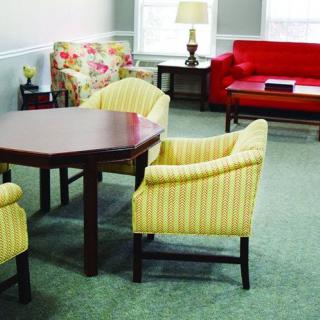
 Well-decorated, inviting, home-like atmosphere with engaging resident activities.
 Urinary Tract Infections in Older Adults: Comprehensive Insights on Symptoms, Treatment, and Prevention
 California's Form 602A: An In-Depth Examination of Senior Care Assessment
 Comprehensive Look at Senior Blood Pressure Charts: Normal and Elevated Levels by Age