Overall Review of Hillcrest Raleigh At Crabtree Valley
common34 reviews mention this
Staff friendliness and responsiveness
Residents and visitors consistently describe staff as friendly, helpful, and attentive.
Across the reviews, people repeatedly mention warm welcomes, polite front-desk help, and staff who take time to orient them. Many also describe responsive caregiving and support with day-to-day needs, along with examples like help with signing in, directions, and immediate assistance when issues come up. A smaller number of reviews are strongly negative about responsiveness and accountability, but even those comments generally still differentiate between better and worse individual staff members.
common26 reviews mention this
Facility stays clean and well kept
A major recurring point is that the facility looks clean and maintained.
Many visitors say the building is clean, odor-free, and well maintained, including patient areas that look neat and cared for. Several reviews also reference smooth check-in and an overall impression of cleanliness and order. There are also a few negative reviews that describe dirty or unsanitary conditions, including problems with rooms and pests, so the cleanliness experience is not uniform across reviewers.
differentiator11 reviews mention this
Therapy support drives improvement
Residents describe physical, occupational, and speech therapy as a key part of recovery.
Several reviews connect progress to consistent therapy support, including physical and occupational therapy, and in some cases speech therapy. People describe therapists as thorough and capable, and they note improvements like stronger mobility or moving forward after setbacks. A number of positive comments also pair therapy with staff attention to daily needs, while the negative reviews tend to focus on delays or insufficient support in care delivery rather than the therapy itself.
caveat9 reviews mention this
Food is sometimes hit or miss
Food quality varies, with both praise and strong complaints.
Some reviews say meals are good, better than expected, or enjoyed by residents and families. Others describe meals as cold, tasteless, or poorly matched to needs, including complaints about delivery to rooms when residents can’t use the dining area. A few negative reviews also pair dining complaints with broader concerns about care, which suggests food dissatisfaction is part of a wider service experience for those reviewers.
caveat8 reviews mention this
Concerns about care delays
Some reviewers raise serious concerns about neglect, delays, and lack of accountability.
A minority of reviews report issues such as long response times, unaddressed needs, and difficulties getting timely help. Several of the most critical comments describe problems during daily care (including assistance needs, toileting support, and attention to medical or mobility concerns), alongside allegations of poor accountability. These reviews also sometimes include complaints about room condition and hygiene, which further intensifies the overall negative impression for those families.
common4 reviews mention this
Outdoor access and gardens
Outdoor space and gardens come up as a positive detail for stays.
Some reviewers highlight easy access to being outside, describing gardens, quiet natural areas, and seasonal touches like outdoor flowers. Others mention outdoor common areas (like a patio or gazebo) as pleasant places during a visit. These comments stand out because they add a calmer, home-like element alongside indoor care and therapy.
How we summarize
Counts show how many written reviews mention each theme; a review can touch several themes, and only frequently mentioned themes are displayed.
Features
Housing
134 resident community capacity
Types of Care
Skilled Nursing Facility
Amenities
Air-conditioning
Beauty salon
Cable or satellite TV
Computer center
Dining room
Fitness room
Fully furnished
Gaming room
Garden
Housekeeping services
Kitchenette
Move-in coordination
Outdoor space
Private bathrooms
Restaurant-style dining
Small library
Telephone
Wellness center
Wi-Fi/high-speed internet available
Transportation
Raleigh-Durham International (7 miles away)
Community operated transportation
Transportation arrangement
Transportation arrangement (non-medical)
Transportation to doctors appointments
Care Services
12-16 hour nursing
24-hour call system
24-hour supervision
Activities of daily living assistance
Assistance with bathing
Assistance with dressing
Assistance with transfers
Diabetes diet
Meal preparation and service
Medication management
Mental wellness program
Special dietary restrictions
Dining
Diabetes diet
Special dietary restrictions
Activities
Community-sponsored activities
Concierge services
Fitness programs
Planned day trips
Resident-run activities
Scheduled daily activities
Nearby Places of Interest
Located in Raleigh, North Carolina, this area offers a variety of amenities and services that cater to seniors. With a range of restaurants including P.F. Chang's China Bistro and local cafes like Starbucks, residents can enjoy dining options close to home. Healthcare needs can be met with nearby physicians, pharmacies, and hospitals such as Duke Raleigh Hospital and UNC Specialty Women's Center at Rex. For leisure activities, several parks provide opportunities for outdoor recreation, while theaters like Cinemark Raleigh NC offer entertainment options. Transportation is convenient with car rental services available and the Raleigh-Durham International Airport just seven miles away. Places of worship are also easily accessible for spiritual support. Overall, this neighborhood provides a comfortable and convenient environment for seniors looking to settle in Raleigh.
Restaurants
P.F. Chang's China Bistro (0.6 miles)
Vivace (2.1 miles)
Lime & Lemon Indian Grill & Bar (3 miles)
Raleigh Beer Garden (3.6 miles)
Irregardless Cafe & Catering (3.8 miles)
Bojangles' Famous Chicken 'n Biscuits (3.8 miles)
Panda Express (3.9 miles)
Physicians
ENT & Audiology Associates (1.3 miles)
Wake Internal Medicine Consultants (1.5 miles)
Rex Wound Care Center (1.5 miles)
Rex Surgical Specialists (1.6 miles)
Rex Hematology & Oncology (1.7 miles)
Raleigh Orthopaedic (1.8 miles)
Wake Endoscopy Center (1.8 miles)
Pharmacies
CVS Pharmacy (1.5 miles)
Walgreens (2.2 miles)
CVS Pharmacy (2.7 miles)
Walgreens (2.8 miles)
Walgreens (2.8 miles)
CVS Pharmacy (3.5 miles)
Walgreens (3.8 miles)
Parks
Brookhaven Nature Park (1.5 miles)
Williams Park (2.8 miles)
Method Road Park & Community Center (2.8 miles)
Eastgate Park (3.3 miles)
Dorothea Dix Park (4.2 miles)
Chavis Park (5.2 miles)
Carolina Pines Dog Park (5.8 miles)
Hospitals
UNC Specialty Women's Center at Rex (1.7 miles)
Duke Raleigh Hospital (3.5 miles)
WakeMed Heart Center (6.1 miles)
WakeMed Health & Hospitals (6.2 miles)
Cafes
Starbucks (2.2 miles)
Starbucks (3 miles)
Starbucks (6 miles)
Panera Bread (6.1 miles)
Starbucks (6.7 miles)
Starbucks (6.8 miles)
Starbucks (7.1 miles)
Theaters
Cinemark Raleigh NC (3.4 miles)
Alamo Drafthouse Raleigh (5.6 miles)
Places of Worship
Gethsemane Lutheran Church (4.4 miles)
Beacon Baptist Church (6.1 miles)
Christ the King Lutheran Church (6.3 miles)
Transportation
Enterprise Rent-A-Car (5.8 miles)
Raleigh-Durham International Airport (RDU) (7 miles)
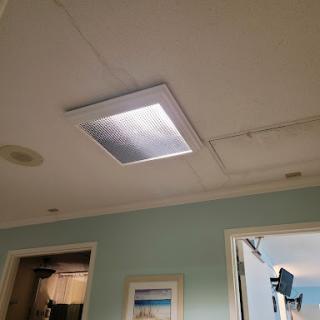
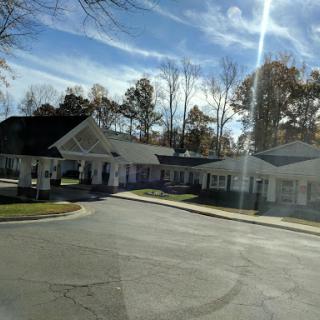
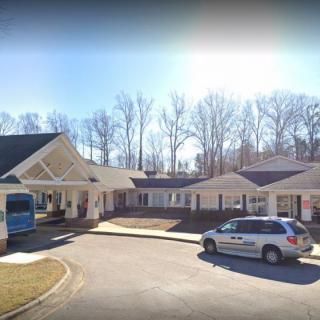
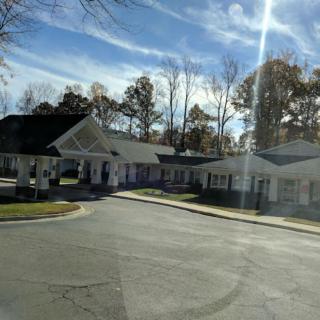
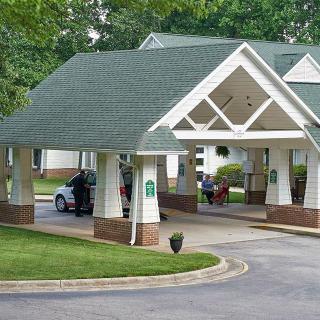
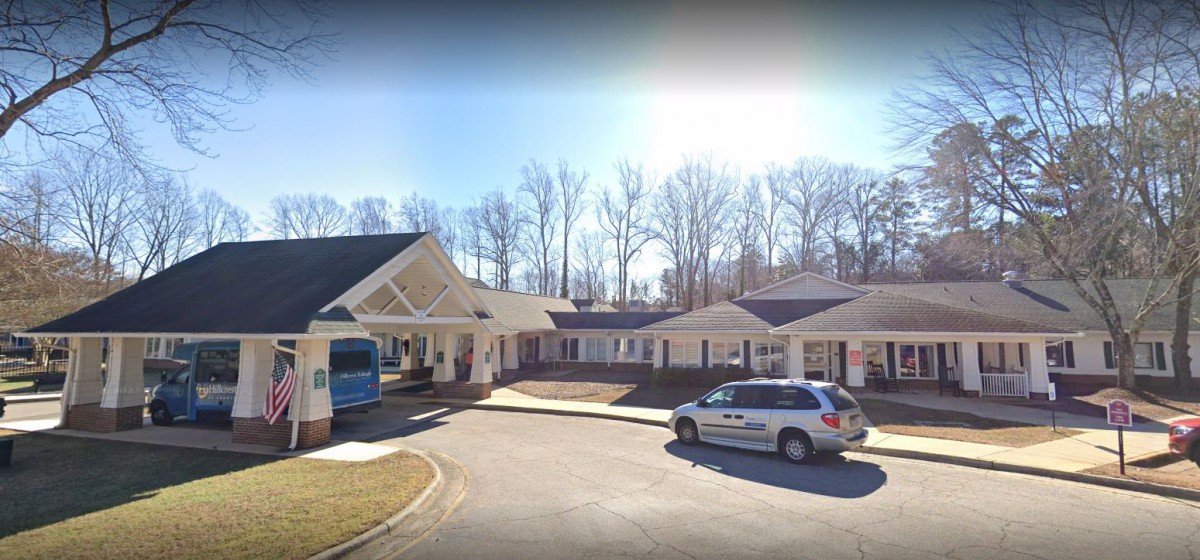
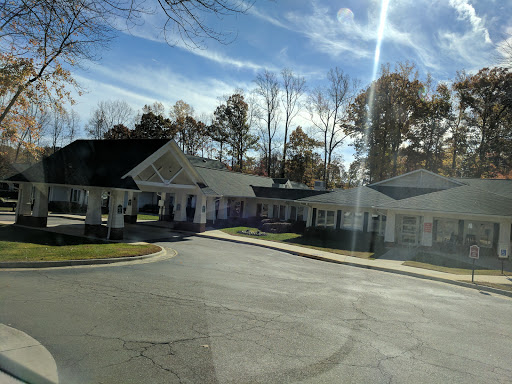
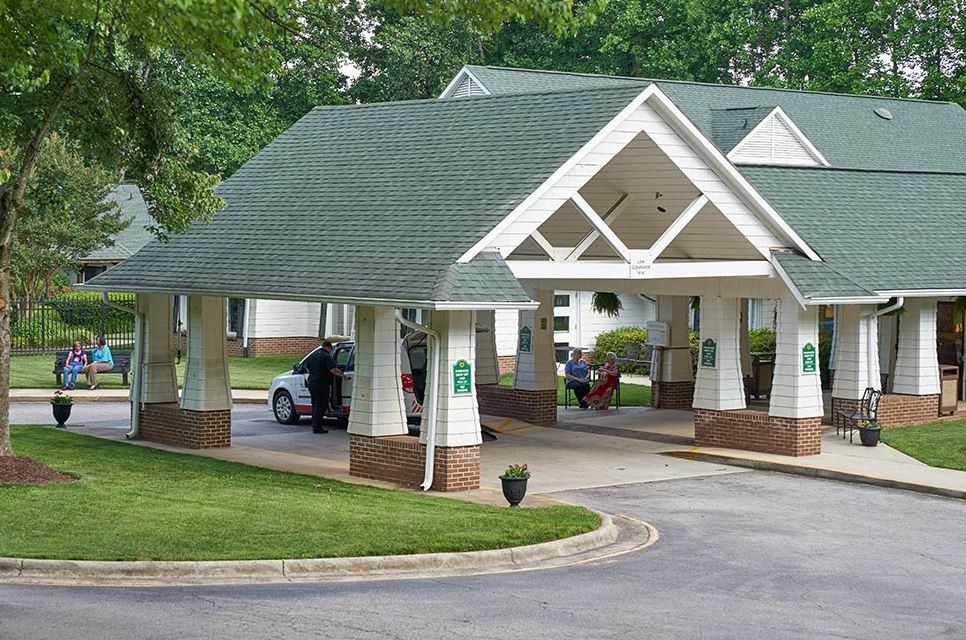
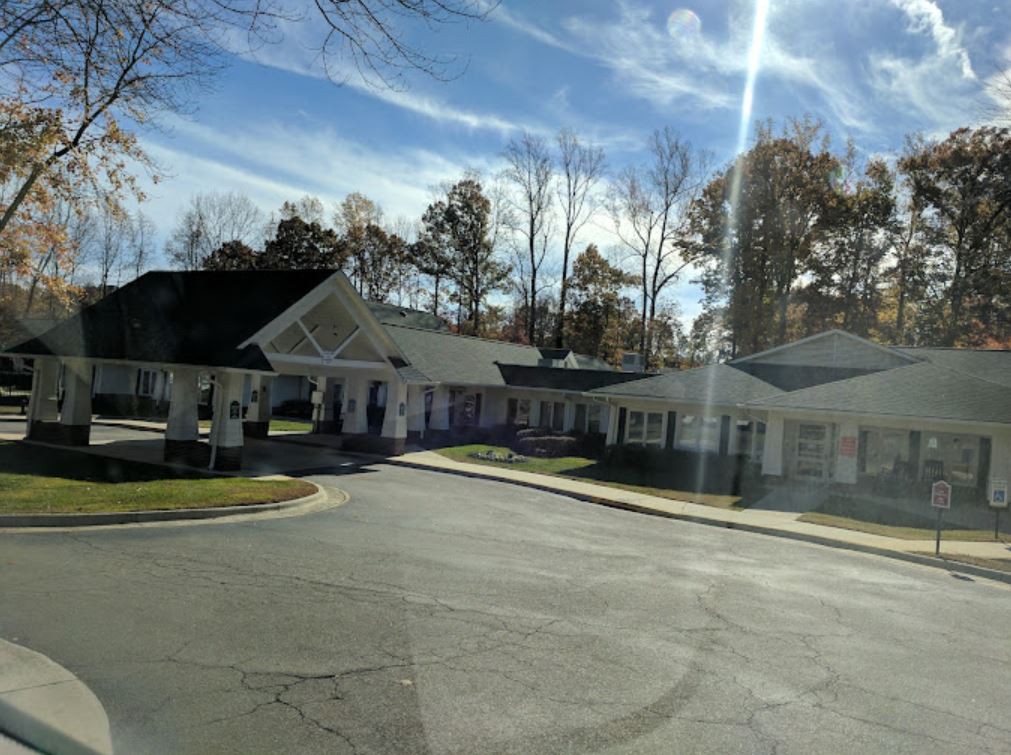
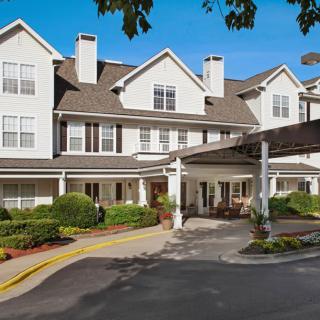
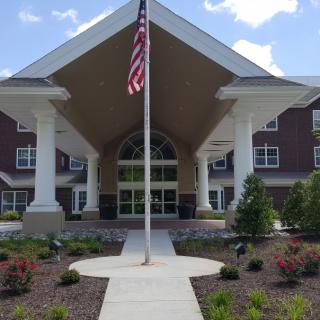
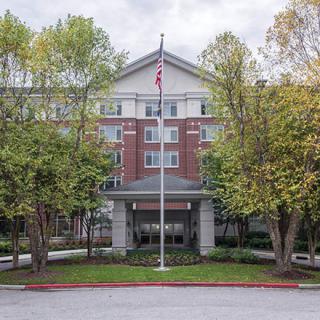
Hillcrest Raleigh At Crabtree Valley on seniors.fyi includes 6 photos including images showing building, trees, entrance, landscaping, road, architecture, outdoors, clouds, and more.
Nearby Communities
HomeChoice Healthcare Raleigh
Raleigh, NC
3.2 from 10 reviews
Some aides are kind and helpful; some staff strive to improve care.
Sunrise Of Raleigh
Raleigh, NC
3.9 from 104 reviews
$6,000 to $6,870 / month
Caring, responsive staff in a clean, welcoming community with engaging activities.
Overture Crabtree
Raleigh, NC
4.3 from 77 reviews
$1,650 to $2,675 / month
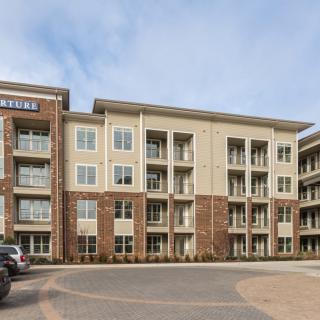
Modern, well-designed apartments with strong amenities and friendly staff.
Synergy Home Care
Raleigh, NC
5 from 13 reviews
Excellent access to nearby amenities and healthcare options.
Bright Horizon Senior Care 2
Raleigh, NC
Prime Raleigh location with extensive nearby amenities (dining, parks, healthcare, and entertainment).
Val's Place
Raleigh, NC
3 from 2 reviews
Small, intimate board-and-care with 24/7 supervision, ADL support, medication management, and transportation to medical appointments, plus furnished rooms and an active, garden-friendly setting.
Brighton Gardens Of Raleigh
Raleigh, NC
4.1 from 97 reviews
$3,990 to $8,460 / month
Caring staff and a clean, welcoming environment with engaging activities.
Capital Oaks Retirement Resort
Raleigh, NC
4.6 from 48 reviews
$3,336 to $5,254 / month
Beautiful facility with a welcoming community and robust on-site amenities and activities.
Brookdale North Raleigh
Raleigh, NC
4.5 from 107 reviews
$2,615 to $5,360 / month
Strong sense of community with friendly staff and diverse daily activities.
The article highlights nine memory-boosting activities for seniors that enhance cognitive health and social interaction, including puzzles, trivia quizzes, and storytelling, while emphasizing the importance of adapting these activities to individual preferences to maximize enjoyment and engagement. Consistent mental engagement is linked to improved cognitive function and emotional well-being in older adults.
Medicare provides limited coverage for skilled nursing home care, covering full benefits for the first 20 days and partial benefits up to 100 days under certain conditions, after which families must explore alternative funding options like Medicaid or long-term care insurance to manage potentially high costs. Proactive planning is essential to navigate the complexities of financing ongoing care once Medicare coverage ends.
Geriatric care managers create personalized care plans for older adults, addressing their medical, social, financial, and psychological needs while coordinating services and advocating for their well-being. They help families navigate caregiving challenges but may be hindered by high costs and a shortage of qualified professionals.
Get PricingAsk A QuestionSchedule A TourContact Senior Advisor
By clicking submit, you agree to our Partner's Terms of Use. You
also consent to receive calls and texts, which may be autodialed, from our Partner. Your consent is not a condition to
using our Partner's service. Please visit our Partner's Privacy Policy for information about their privacy practices.

 134 resident community capacity
 Skilled Nursing Facility
 Air-conditioning
 Beauty salon
 Cable or satellite TV
 Computer center
 Dining room
 Fitness room
 Fully furnished
 Gaming room
 Garden
 Housekeeping services
 Kitchenette
 Move-in coordination
 Outdoor space
 Private bathrooms
 Restaurant-style dining
 Small library
 Telephone
 Wellness center
 Wi-Fi/high-speed internet available
 Raleigh-Durham International (7 miles away)
 Community operated transportation
 12-16 hour nursing
 24-hour call system
 Activities of daily living assistance
 Assistance with bathing
 Assistance with dressing
 Assistance with transfers
 Diabetes diet
 Medication management
 Mental wellness program
 Special dietary restrictions
 Concierge services
 Planned day trips
 Some aides are kind and helpful; some staff strive to improve care.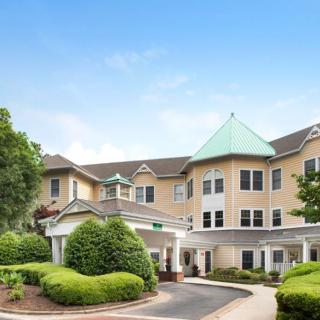

 9 Stimulating Memory Activities for Seniors: Puzzles, Cards, and Much More
 Managing Nursing Home Expenses After Medicare Coverage Ends
 Is a Geriatric Care Manager the Right Choice for Your Family?