Val's Place in Raleigh, NC

Information last verified:

4910 Morehead Drive, Raleigh, NC 27612

For more information about senior living options: (844) 490-3973

1 from 1 review

Overall Review of Val's Place

Pros

  • pro The staff have backgrounds.

Cons

  • pro It is the worst place to have a loved one.
  • pro Employees are not state-certified.
  • pro They administer medications to residents without the family knowing.

Review

Val's Place in Raleigh, NC is best suited for families that are navigating very tight options and are prepared to take an unusually active, skeptical role in oversight. The reviewer’s strongest warning is a reminder that safety hinges on trustworthy staffing and transparent practice, and this community appears to require families to do extensive vetting rather than rely on standard assurances. In practical terms, only those who can insist on rigorous credential verification, insist on documented medication procedures, and commit to ongoing supervision should consider moving forward. For most families seeking dependable, regulated care, this setting signals risk that outweighs any convenience of location or potential cost savings.

Those who should probably look elsewhere are families whose priority is a predictable, safety-first environment with clearly defined staffing credentials and accountable medication management. If the resident requires reliable oversight, consistent nursing presence, and clear, documented medication administration, other communities with licensed, state-certified staff and transparent policies are likely to deliver far better protection. Alternatives that emphasize regulated care, regular audits, and staff background checks should be pursued first, especially for residents with complex medical needs, memory care requirements, or a history of medication sensitivities.

The lack of documented positives in the limited feedback available makes the cons feel even more consequential. The one-star verdict highlights two core issues: staff members who may not be state certified and a troubling pattern of medication administration without family knowledge. In a market with numerous well-regulated options, these red flags cannot be offset by any vague “benefits” or perceived savings. The absence of reliable credentialing and transparent medication practices undermines trust from the outset, and the failure to provide clear, verifiable information about who is administering care effectively erases the possibility of confident decision-making for families contemplating placement.

From a risk-management perspective, the most tangible concerns revolve around regulatory compliance, resident safety, and family rights. Uncertified staff raise questions about the adequacy of training, supervision, and accountability, while medication practices that bypass family involvement or fail to log administration create opportunities for errors, adverse drug events, and regulatory scrutiny. For families, this translates into a need for immediate, proactive verification: require proof of current state certifications, verify staff-to-resident ratios, demand a documented med-pass policy with nurse oversight, and insist on access to a resident’s medication records and administration logs. Without these assurances, the risk profile remains unacceptably high for most seniors.

To navigate this decision with confidence, take a structured approach. First, demand documentation that staff are state-certified where required and that every care role has clearly defined qualifications. Second, obtain a copy of the facility’s medication management policy, plus recent examples of med administration records, automated alerts, and any oversight agreements with a licensed nurse or pharmacy. Third, arrange direct conversations with the administrator and, if possible, a nursing supervisor to discuss how medications are scheduled, reconciled, and communicated to families. Fourth, seek references from families with residents currently in the community or nearby facilities to gauge real-world experiences with care quality and transparency. Finally, compare this information against alternatives that emphasize licensure, routine nursing presence, and open reporting practices.

In conclusion, Val's Place presents a set of alarms rather than assurances. The best-fit scenario here is limited to families who are prepared to demand and verify every credential, record, and policy, and who can tolerate a level of oversight that would be the norm only in highly regulated settings. For the vast majority of families, especially those prioritizing safety, reliable medication management, and transparent operations, the risks clearly outweigh any potential upside. The prudent move is to pursue options with strong regulatory credibility and well-documented care practices, and to treat this community as a last-resort consideration rather than a viable first choice.

Features

Housing

  • 6 resident community capacity 6 resident community capacity

Types of Care

  • Assisted Living Assisted LivingAssisted living facilities provide crucial support and care for seniors who may need help with daily tasks such as medication management, bathing, and meal preparation. These communities offer a safe and comfortable environment where seniors can maintain their independence while receiving the assistance they need to thrive in their golden years.
  • Board and Care Home Board and Care HomeBoard and care homes provide a smaller, more intimate setting for seniors who require assistance with daily tasks but do not need the level of care offered by a nursing home. They offer personalized care, meals, and social activities in a homelike environment, ensuring that seniors receive individualized attention and support in their golden years.

Amenities

  • Cable or satellite TV Cable or satellite TVCable or satellite TV is important for seniors because it provides entertainment, news, and companionship, helping to combat loneliness and boredom. It also offers a wide range of programming options tailored to different interests and preferences.
  • Dining room Dining roomDining rooms are important for seniors as they provide a space for socialization, connection, and nutritious meals. They offer opportunities for residents to bond over shared meals, foster a sense of community, and promote healthy eating habits. Dining rooms also ensure that seniors have access to well-balanced meals tailored to their dietary needs and preferences.
  • Fully furnished Fully furnishedFully furnished senior living communities are important for seniors because they provide convenience, comfort, and a hassle-free moving experience. Seniors can easily settle into their new living space without the stress of having to buy and move furniture. This allows them to focus on enjoying their new home and community.
  • Garden GardenGardens are important for seniors as they provide a peaceful and therapeutic environment for relaxation, physical activity, and socialization. Being in nature has been shown to reduce stress, improve mood, and promote overall well-being. Gardens also offer opportunities for seniors to engage in gardening activities, which can improve mobility, flexibility, and cognitive function. Additionally, gardens create a sense of community and connection with others who share a passion for plants and outdoor spaces.
  • Housekeeping services Housekeeping servicesHousekeeping services are important for seniors because they help maintain a clean and safe living environment, promote independence, and reduce the risk of accidents or illnesses. Additionally, having assistance with household chores can alleviate physical strain and allow seniors to focus on other aspects of their well-being.
  • Move-in coordination Move-in coordinationMove-in coordination is important for seniors because it helps ease the transition into their new living environment. It ensures that all logistics, such as packing, organizing movers, and setting up utilities are taken care of, allowing seniors to focus on settling in and adjusting to their new home. Having a smooth move-in process can alleviate stress and anxiety, making the transition smoother and more enjoyable for seniors.
  • Outdoor space Outdoor spaceOutdoor spaces are important for seniors as they provide opportunities for physical activity, social interaction, exposure to natural light and fresh air, and a sense of connection to nature. Having access to outdoor spaces can improve overall well-being and quality of life for older adults living in senior communities.
  • Telephone TelephoneTelephones are important for seniors as they provide a lifeline for communication with loved ones, emergency services, and healthcare providers. They offer a sense of security and independence, enabling seniors to stay connected and access assistance when needed.
  • Wi-Fi/high-speed internet available Wi-Fi/high-speed internet availableWi-Fi/high-speed internet is important for seniors to stay connected with loved ones, access online resources, and participate in virtual activities to combat feelings of loneliness and isolation. It also allows them to easily manage healthcare needs, access entertainment, and engage in lifelong learning opportunities.

Transportation

  • Raleigh-Durham International (6 miles away) Raleigh-Durham International (6 miles away)

Care Services

  • 24-hour supervision 24-hour supervision24-hour supervision is important for seniors to ensure their safety, well-being, and access to immediate assistance in case of emergencies or health issues. This constant support provides peace of mind for both seniors and their loved ones, allowing them to age in place with dignity and security.
  • Activities of daily living assistance Activities of daily living assistanceActivities of daily living assistance are important for seniors because they provide essential support with tasks such as eating, bathing, dressing, and mobility. This assistance helps seniors maintain their independence, dignity, and overall quality of life as they age.
  • Assistance with bathing Assistance with bathingAssistance with bathing is crucial for seniors as it helps maintain personal hygiene, prevents infections, and ensures their overall well-being and comfort. It also provides a sense of dignity and independence for seniors who may struggle with this task on their own.
  • Assistance with dressing Assistance with dressingAssistance with dressing is important for seniors because it helps maintain their independence, promotes personal hygiene, prevents accidents and injuries, and improves overall quality of life. This service ensures that seniors can continue to dress comfortably and confidently, despite any physical limitations they may have.
  • Assistance with transfers Assistance with transfersAssistance with transfers is crucial for seniors as it helps prevent falls and injuries, maintains their independence, and ensures they can safely navigate their living environment. It also provides peace of mind for both seniors and their loved ones.
  • Coordination with health care providers Coordination with health care providersCoordination with health care providers is crucial for seniors to ensure proper medical care, medication management, and overall well-being. This collaboration helps prevent overlapping treatments, track progress more effectively, and provide comprehensive support tailored to individual needs.
  • Diabetes diet Diabetes dietA diabetes diet is crucial for seniors as it helps manage blood sugar levels, reduce risks of complications, and improve overall health and well-being. By following a balanced and nutritious diet tailored to their specific needs, seniors can better control their diabetes and enhance their quality of life.
  • Meal preparation and service Meal preparation and serviceMeal preparation and service are crucial for seniors as they may have limited mobility or energy to cook nutritious meals. Having access to healthy and convenient food options can ensure they are getting the proper nutrition needed to maintain their overall health and well-being.
  • Medication management Medication managementMedication management is crucial for seniors to ensure they are taking the right medications at the correct dosages and times. This helps prevent adverse drug interactions, reduces the risk of medication errors, and promotes overall health and well-being. Proactive management also allows for adjustments as needed based on changing health conditions or new prescriptions.
  • Special dietary restrictions Special dietary restrictionsSpecial dietary restrictions are important for seniors because age-related changes in metabolism and health conditions can make it difficult for their bodies to process certain foods. By following a diet tailored to their specific needs, seniors can maintain their overall health and well-being, manage chronic conditions, and reduce the risk of complications such as malnutrition or food interactions with medications.
  • Transportation arrangement (medical) Transportation arrangement (medical)Transportation arrangements for medical purposes are essential for seniors as they may have difficulty driving themselves to appointments or accessing public transportation. Having reliable and safe transportation options ensures that seniors can receive timely medical care and maintain their health and well-being.
  • Transportation to doctors appointments Transportation to doctors appointmentsTransportation to doctors' appointments is crucial for seniors as it ensures they have access to necessary medical care and support for their health needs. Without reliable transportation, seniors may struggle to attend important appointments, leading to potential delays in treatment and health complications. Providing transportation services helps seniors maintain their overall well-being and quality of life.
Dining

  • Diabetes diet Diabetes dietA diabetes diet is crucial for seniors as it helps manage blood sugar levels, reduce risks of complications, and improve overall health and well-being. By following a balanced and nutritious diet tailored to their specific needs, seniors can better control their diabetes and enhance their quality of life.
  • Special dietary restrictions Special dietary restrictionsSpecial dietary restrictions are important for seniors because age-related changes in metabolism and health conditions can make it difficult for their bodies to process certain foods. By following a diet tailored to their specific needs, seniors can maintain their overall health and well-being, manage chronic conditions, and reduce the risk of complications such as malnutrition or food interactions with medications.

Activities

  • Community-sponsored activities Community-sponsored activitiesCommunity-sponsored activities are important for seniors as they provide opportunities for social interaction, mental stimulation, and physical activity. These activities can help improve overall well-being, combat loneliness and isolation, and promote a sense of belonging and purpose among older adults.
  • Scheduled daily activities Scheduled daily activitiesScheduled daily activities are important for seniors because they provide structure, socialization, mental stimulation, and physical activity. Engaging in regular activities can improve overall well-being and quality of life for seniors living in a community setting.

Description

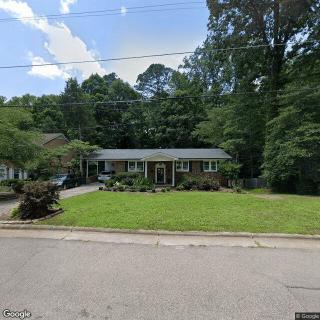
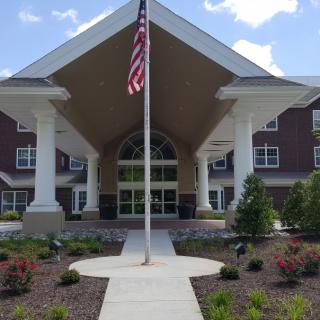
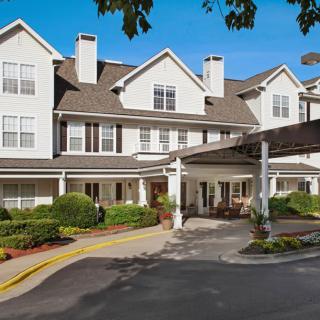
Val's Place is a welcoming and supportive board and care home located in the heart of Raleigh, NC. Designed to provide a nurturing environment for seniors, Val's Place offers an array of amenities that ensure comfort and convenience. Residents can enjoy delicious meals in the inviting dining room, relax in the beautifully landscaped garden, or take advantage of housekeeping services that alleviate daily chores. Each accommodation is fully furnished and thoughtfully arranged to create a homely atmosphere.

The community promotes an active lifestyle with scheduled daily activities tailored to engage residents both physically and mentally. For those needing assistance with daily tasks, Val's Place provides dedicated support including help with bathing, dressing, transfers, and medication management. Individual dietary needs are carefully considered with meal preparation designed around special dietary restrictions such as diabetes management.

Val's Place prides itself on its coordinated approach to healthcare, ensuring that residents receive comprehensive support through partnerships with local healthcare providers. Transportation arrangements for medical appointments are also readily available.

Conveniently situated near two cafes and multiple parks, residents have ample opportunities for social outings and leisure activities. The area also boasts access to ten pharmacies, eleven physicians, sixteen restaurants, one place of worship, one theater, and two hospitals, all within close proximity.

At Val's Place in Raleigh, seniors will find not just a place to live but a vibrant community where they can thrive while receiving the personalized care they need.

Nearby Places of Interest

Parks

  • Brookhaven Nature Park (0.4 miles)
  • Williams Park (1.9 miles)
  • Eastgate Park (3.5 miles)
  • Method Road Park & Community Center (3.9 miles)
  • Dorothea Dix Park (5.4 miles)
  • Chavis Park (6.3 miles)
  • Durant Nature Park (6.5 miles)

Restaurants

  • P.F. Chang's China Bistro (0.7 miles)
  • Vivace (2.4 miles)
  • Brigs Great Beginnings (3.5 miles)
  • McDonald's (3.8 miles)
  • Metro Diner (3.8 miles)
  • Salt & Lime Cabo Grill (3.9 miles)
  • Chick-Fil-A (3.9 miles)

Cafes

  • Starbucks (1.2 miles)
  • Starbucks (4.2 miles)
  • Panera Bread (5.9 miles)
  • Starbucks (6.1 miles)
  • Starbucks (6.8 miles)
  • Starbucks (7 miles)

Pharmacies

  • CVS Pharmacy (1.8 miles)
  • Walgreens (1.8 miles)
  • CVS Pharmacy (2.4 miles)
  • Walgreens (2.4 miles)
  • Walgreens (3.8 miles)
  • CVS Pharmacy (4 miles)
  • Walmart Pharmacy (4.4 miles)

Physicians

  • ENT & Audiology Associates (2 miles)
  • Wake Internal Medicine Consultants (2.1 miles)
  • Rex Wound Care Center (2.2 miles)
  • Raleigh Orthopaedic (2.3 miles)
  • Rex Surgical Specialists (2.3 miles)
  • Rex Hematology & Oncology (2.5 miles)
  • Wake Endoscopy Center (2.5 miles)

Theaters

  • Cinemark Raleigh NC (2.4 miles)
  • Alamo Drafthouse Raleigh (6.6 miles)

Hospitals

  • UNC Specialty Women's Center at Rex (2.5 miles)
  • Duke Raleigh Hospital (4 miles)
  • WakeMed Heart Center (7 miles)
  • WakeMed Health & Hospitals (7 miles)

Places of Worship

  • Gethsemane Lutheran Church (3.8 miles)
  • Beacon Baptist Church (6.7 miles)
  • Christ the King Lutheran Church (6.9 miles)

Transportation

  • Enterprise Rent-A-Car (5.8 miles)
  • Raleigh-Durham International Airport (RDU) (6.3 miles)
  • RDU - Terminal 2 (6.3 miles)
  • American Airlines (6.4 miles)
  • Hertz Rent A Car (6.5 miles)
  • National Car Rental (6.6 miles)
  • CCO Concourse (7.7 miles)

Frequently Asked Questions

Where is Val's Place?

Nearby Communities

  • Magnolia Glen

    Magnolia Glen

    Raleigh, NC

    4.6 from 124 reviews
    $3,610 to $5,250 / month

    pro Strong staff care and a wide range of amenities that support an active, engaging lifestyle.

  • Sunrise Of Raleigh

    Sunrise Of Raleigh

    Raleigh, NC

    4 from 101 reviews
    $6,000 to $6,870 / month

    pro Caring, responsive staff in a clean, welcoming community with engaging activities.

  • Overture Crabtree

    Overture Crabtree

    Raleigh, NC

    4.3 from 74 reviews
    $1,650 to $2,675 / month

    pro Modern, well-designed apartments with strong amenities and friendly staff.

  • Serenity Place III

    Serenity Place III

    Raleigh, NC

    4 from 3 reviews
    $1,500 / month

    pro Very affordable private-room assisted living with abundant nearby amenities and parks.

  • HomeChoice Healthcare Raleigh

    HomeChoice Healthcare Raleigh

    Raleigh, NC

    3.2 from 10 reviews
     

    pro Some aides are kind and helpful; some staff strive to improve care.

  • Val's Place At Dodsworth

    Val's Place At Dodsworth

    Raleigh, NC


    pro Comprehensive care with 24-hour supervision, daily living assistance, meals, and health?care coordination.

  • Capital Oaks Retirement Resort

    Capital Oaks Retirement Resort

    Raleigh, NC

    4.5 from 43 reviews
    $3,336 to $5,254 / month

    pro Beautiful facility with a welcoming community and robust on-site amenities and activities.

  • Brighton Gardens Of Raleigh

    Brighton Gardens Of Raleigh

    Raleigh, NC

    4.1 from 95 reviews
    $3,990 to $8,460 / month

    pro Caring staff and a clean, welcoming environment with engaging activities.

  • The Cambridge at Brier Creek

    The Cambridge at Brier Creek

    Raleigh, NC

    4.6 from 36 reviews
    $4,575 to $5,095 / month

    pro Friendly, welcoming community with immaculate facilities, varied activities, and strong on-site dining and wellness amenities.

Related Resources

  • when to move from assisted living to memory careWhen to Transition from Assisted Living to Memory Care: Key Indicators, Steps, and Finding the Right Community

    Transitioning from assisted living to memory care is driven by an individual's cognitive decline and specific needs, requiring careful evaluation of indicators like increased confusion and wandering. The process involves consulting medical professionals, researching suitable communities, considering financial and legal aspects, and ensuring effective communication for personalized care plans.

  • assisted living vs memory careAssisted Living and Memory Care: Understanding Their Core Differences

    Assisted living provides moderate support for seniors seeking independence, while memory care offers specialized support for individuals with dementia or cognitive impairments through structured routines and trained staff. Key differences include care approaches, environment security measures, staff training levels, activity types, and cost considerations.

  • assisted living activitiesBeyond the Bingo Hall: 50+ Enriching Activities for Seniors in Assisted Living

    Assisted living communities offer diverse activities beyond traditional games to enhance seniors' physical health, cognitive well-being, emotional enrichment, and social connections, including fitness classes, creative expression, and intergenerational interactions. These enriching programs foster community bonds and support residents' independence and happiness.