
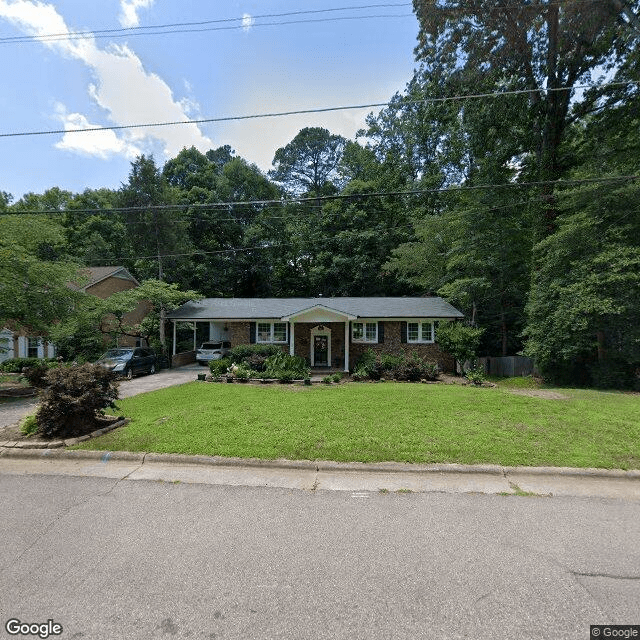
5005 Holly Ridge Dr, Raleigh, NC 27612
To contact a resident: (919) 363-6493
For more information about senior living options: (866) 208-4318
Serenity Place III Costs & Pricing
Serenity Place III offers competitive pricing for its accommodations, particularly when compared to the broader market in Wake County and the state of North Carolina. With both private and semi-private rooms priced at $1,500 per month, Serenity Place III significantly undercuts the average costs in Wake County, where private room rates soar to approximately $4,658 and semi-private options are around $4,391. Even within the context of state averages, which stand at $4,425 for private rooms and $3,584 for semi-private spaces, Serenity Place III presents a compelling value. This makes it an attractive choice for individuals seeking quality care without the financial strain typically associated with similar facilities in the region.
| Floor plans | Serenity Place III | Wake County | North Carolina |
|---|---|---|---|
| Private | $1,500 | $4,658 | $4,425 |
| Semi-Private | $1,500 | $4,391 | $3,584 |
Senior living communities with a similar price nearby
-
from -$202 / mo
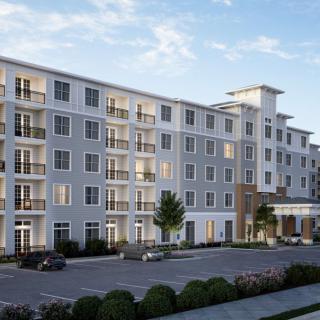
Overture Chapel Hill
$1,298 to $1,950 / month16.5 miles away -
from +$150 / mo
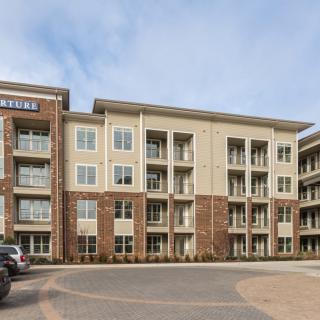
Overture Crabtree
$1,650 to $2,675 / month1.6 miles away -
About the same
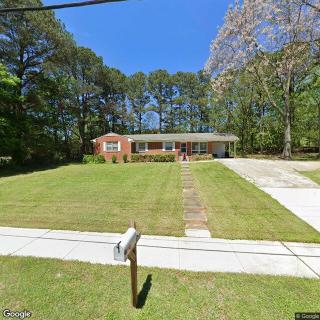
Serenity Place IV
$1,500 / month5.0 miles away -
from +$250 / mo
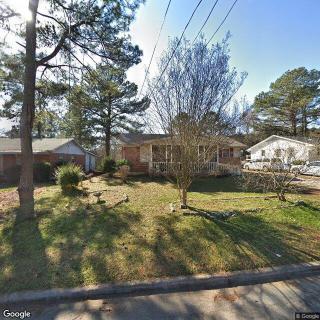
Linda's Family Care Home
$1,750 to $2,400 / month8.0 miles away -
About the same
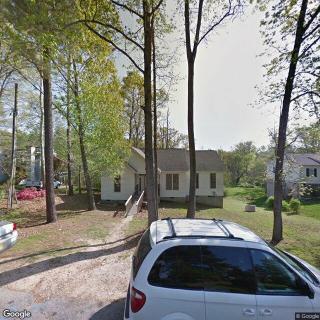
Tender Touch Fch
$1,500 to $1,700 / month11.6 miles away
Overall Review of Serenity Place III
Pros
 The client felt empowered to speak their mind because the therapist promised confidentiality.
- The client trusted that what they shared would stay private between them and the therapist.
Cons
 They feel betrayed because the therapist promised confidentiality but revealed their private conversations to others who are paying.
- They feel unable to speak freely since their private talks are relayed back to the payer.
- They distrust the therapeutic relationship because confidentiality was broken.
Review
Serenity Place III in Raleigh, NC is best suited for families seeking a generally solid assisted living option with credible therapeutic support and a track record that other families have found reassuring. The community carries a respectable overall rating and multiple highly rated voices suggesting meaningful engagement, attentive care, and dependable programming. In practice, this adds up to a setting that feels reliable for everyday living, social participation, and routine caregiving needs. The strongest word of caution attached to this profile is a real concern over privacy and how confidential conversations are handled, which can be a decisive factor for families with sensitive information at stake.
Those who must have airtight confidentiality should seriously consider alternatives or demand a clearly documented privacy framework before moving forward. The most pointed critique centers on a breach of trust: a therapistā€™s private discussions being relayed to others who are paying for services. In settings like assisted living, where counseling and family conversations often touch on intimate or financially sensitive matters, such disclosures can undermine confidence and strain family relationships. If confidentiality is non-negotiable, as it often is for families navigating medical histories, financial planning, or elder-care decisions, this facility demands rigorous assurances, independent verification, and transparent governance before any commitment is made.
On balance, the apparent pros, strong overall satisfaction signals, the presence of therapeutic support, and a functioning care framework, do offset some concerns when the privacy apparatus is clarified and tightened. Positive ratings from multiple residents suggest a community that delivers dependable daily routines, social opportunities, and responsive staff in many situations. Yet the quality of care and the perceived value hinge heavily on trust: if confidential information can migrate beyond private hands, the benefits of a comfortable living environment can quickly feel compromised. The risk is not merely a misstep; it is a potential pattern that can erode the very foundation of family confidence in the care team. Pros become meaningful only to the extent that privacy is demonstrably protected.
To move forward with confidence, demand concrete privacy safeguards and a clear data-flow policy before committing. Families should request a formal confidentiality policy, a written description of who has access to resident information, and the exact circumstances under which disclosures occur. Inquire about HIPAA training for staff, the existence of a designated privacy officer, and a documented, accessible grievance process for breaches. Insist on a private space for counseling and family conferences, and confirm that information shared during sessions is not relayed to payers or third parties without explicit, written consent. A tour focused on privacy practices, private rooms, soundproofed meeting areas, and discreet handling of records, can reveal whether promises align with everyday operations.
Post-move, ongoing monitoring becomes crucial. Families should observe whether staff routinely document care discussions with discretion, and whether any information sharing remains strictly on a need-to-know basis. Build in routine check-ins with the privacy officer and establish a clear, easy route for reporting concerns. Review billing and care coordination communications for signs of leakage or over-sharing, and solicit candid feedback from residents and family members about whether conversations feel confidential. A facility that welcomes scrutiny and provides timely, transparent responses to privacy concerns demonstrates alignment with best practices and reduces the likelihood of repeated missteps.
Ultimately, Serenity Place III can serve as a practical, dependable living option for many families, provided privacy concerns are addressed with vigor. For households where confidentiality is nonnegotiable, alternatives should be on the table until a robust privacy framework is demonstrated and independently validated. If a thorough, verifiable commitment to protecting private conversations and sensitive information is established, alongside the existing strengths in care, programming, and resident satisfaction, the community can deliver a balanced, sensible choice for aging in place in the Raleigh area. Families weighing this option should arrange a focused privacy review as a non-negotiable step, then compare the outcome against other communities with transparent governance and affirmed confidentiality standards.
 Board and Care Home
 Private
 Raleigh-Durham International (5 miles away)


 Highly Beneficial Low-Impact Exercises for Senior Living Residents
 Is In-Home Healthcare Tax Deductible? Your Comprehensive Guide
 Nurturing Well-Being Through Gardening: A Detailed Guide for Senior Enthusiasts