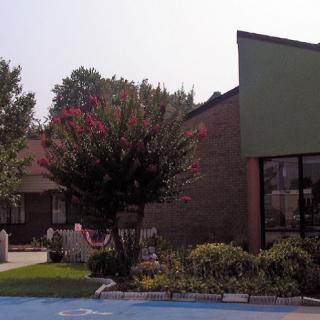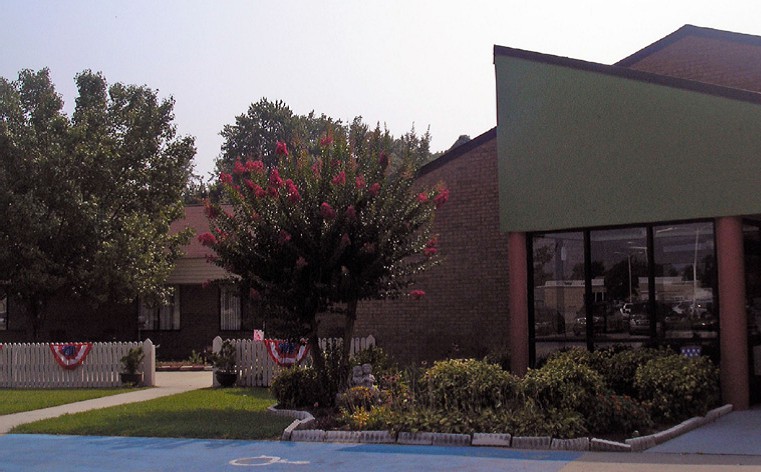


1084 Us 64 East, Plymouth, NC 27962
For more information about senior living options: (866) 208-4318
Overall Review of Roanoke Landing Nursing And Rehabilitation Center
Pros
 Carrolton of Plymouth is a great place to put a loved one who needs that kind of care.
- They are a great group of people.
- They do the very best they can with what they have.
- The physical and occupational therapy were awesome; they kept her motivated and helped her make a lot of progress.
Cons
 They were told it had been two months since their family member died, which felt rude and dismissive.
- The grandmother was placed in a rundown room with broken furniture, and nurses were slow to respond to her call button.
- On Christmas, she was discharged without equipment she needed to function.
- They were told nothing could be sent home with her, then offered old used equipment after they complained.
- The reviewer warns others not to take a loved one there.
- A nurse allegedly had the mother sign paperwork declining treatment, and the mother died soon after.
- They would not allow the family to pick up belongings after the loved one passed.
- The number provided was out of order.
- Upon entering, the Roanoke Landing facility smelled of urine, with many patients looking lost, and the overall experience felt expensive and uncaring.
- The staff were unfriendly and items were frequently misplaced, making it not suitable for stroke patients due to lack of guard rails and risk of falls.
- The facility was described as terrible.
Review
This community is best suited for families seeking a short-term rehabilitation path where the therapy team can drive meaningful progress, and where cost-conscious options are important. It is most appropriate when the primary goal is physical and occupational therapy that motivates improvement after an injury or surgery, and when a family can tolerate inconsistencies in day-to-day experience, including variable staffing and environmental quality. In short, it serves recovery-minded residents who need hands-on therapy more than a consistently seamless care environment.
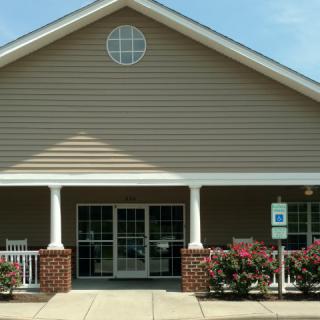
Those weighing alternatives should note who may want to look elsewhere. For residents requiring steady, attentive nursing, rigorous safety measures, and a consistently dignified atmosphere, this center is not the best match. Stroke patients or anyone needing robust safety supports, guard rails, fall prevention attention, and reliable assistance around the clock, may be better served elsewhere. The facility sits beside a hospital, but the overall experience can feel impersonal and disjointed, and that matters when the daily experience is what families must rely on.
The strongest asset lies in the rehab program. Physical and occupational therapists are described as motivating and effective, capable of delivering tangible progress that can shorten recovery timelines. When therapy is the priority, this center can produce meaningful gains and help residents regain function. That therapeutic momentum, however, does not fully compensate for broader deficiencies observed in everyday care, because progress in therapy can be undermined by problems outside the rehab gym.
What weighs heavily against the overall value are persistent environmental and care-quality concerns. Several reviews depict rooms that feel rundown, with broken furniture and odors of urine that linger in public areas. Hallways often show a lineup of wheelchairs with residents who appear disengaged or undercare. Safety concerns are routinely raised, no guard rails in some beds and the impression that basic safety features are not consistently provided, creating real risk for falls. In short, the setting undermines confidence in the ability to sustain dignity and comfort once rehabilitation ends.
Operational issues compound the clinical risks. Reports of delayed responses to call bells, missed equipment at discharge, and mismanagement of a loved one’s belongings after death signal systems that fail families at critical moments. Administrative interactions can come across as detached, and some families explicitly describe the experience as “being treated as a number.” Even when staff are described as professional in brief interactions, the broader pattern of organization appears unreliable and ill-coordinated, which amplifies stress during what is already a vulnerable time.
For decision-making, the verdict is clear: this center offers meaningful rehab potential but comes with substantial trade-offs in daily care quality, safety, and respect. Families prioritizing aggressive therapy and a cost-conscious option may tolerate the inconsistencies in environment and staffing when therapy yields real function gains. Others should weigh Carrolton of Plymouth and similar nearby facilities as stronger all-around environments, where a more consistently managed atmosphere, better safety provisions, and more predictable staffing translate into fewer moments of crisis and disappointment. If Roanoke Landing is pursued, insist on a formal, written care plan that secures equipment at discharge, clarifies safety measures, and guarantees consistent nursing response times, then prepare to supplement with vigilant family advocacy.
 114 resident community capacity
 Skilled Nursing Facility
 Air-conditioning
 Beauty salon
 Cable or satellite TV
 Computer center
 Dining room
 Fitness room
 Fully furnished
 Gaming room
 Garden
 Housekeeping services
 Kitchenette
 Move-in coordination
 Outdoor space
 Private bathrooms
 Restaurant-style dining
 Small library
 Telephone
 Wellness center
 Wi-Fi/high-speed internet available
 Community operated transportation
 12-16 hour nursing
 24-hour call system
 Activities of daily living assistance
 Assistance with bathing
 Assistance with dressing
 Assistance with transfers
 Diabetes diet
 Medication management
 Mental wellness program
 Special dietary restrictions
 Concierge services
 Planned day trips

 Engaging Brain Games and Innovative Apps to Keep Senior Minds Active
 Effective Strategies for Keeping Seniors' Minds Active: A Deep Dive into Brain Games and Apps
 In-Depth Look at the VA Aid and Attendance Program