Physical, occupational, and speech therapy are frequently described as helpful for recovery.
Many reviewers mention progress they attributed to the rehab therapy team, including PT and OT helping patients regain mobility, strength, or confidence. Several also call out speech therapy and other therapy services as part of the same support they relied on during skilled nursing rehab. A few reviewers connect the therapy approach to faster improvement and a smoother path back home.
common35 reviews mention this
Caring staff earn repeat praise
Residents and families frequently describe staff as respectful, compassionate, and attentive.
Across many reviews, families describe nurses, CNAs, and rehab staff as kind and responsive, with frequent mentions of respect and dignity during care. Several also say they felt kept informed about medical needs and day-to-day progress, with staff taking time to answer questions. At the same time, a smaller set of reviews describe moments where attention to needs fell short, including requests not acted on quickly.
caveat7 reviews mention this
Cleanliness is a mixed story
Reviews are split between praising cleanliness and describing unpleasant odors.
Some reviewers praise the facility as clean, sometimes mentioning no bad smells and rooms kept spotless. Others describe strong odor issues in hallways, including smells associated with urine, feces, vomit, or other bodily fluids. A few reviews tie cleanliness concerns to broader concerns about care attention, especially during times when assistance seemed delayed.
caveat9 reviews mention this
Food quality draws contrasting feedback
Food gets both positive feedback and sharp complaints.
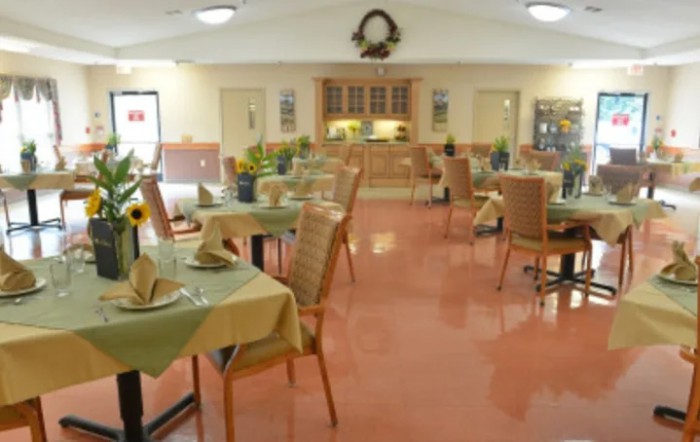
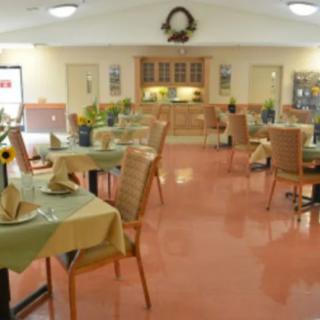
Several reviewers say the food was good or tasty, and some note that dietary staff were responsive to preferences or that meals helped patients feel better. Others report the meals were average or not enjoyable, while a few describe poor quality and even refusal-level dissatisfaction. The community also states it offers restaurant-style dining along with diet support topics like diabetes and special dietary restrictions.
caveat8 reviews mention this
Communication and follow-through vary
Families describe both strong communication and serious gaps in follow-through.
Many reviewers appreciate staff updates and question-and-answer support, including responsiveness when families needed information about recovery or next steps. However, some reviews describe missed or incomplete medication changes and paperwork problems around discharge, including medication lists not being accurate. A few also mention difficulty reaching staff for non-emergency requests, such as delays responding to phones or assistance needs.
How we summarize
Counts show how many written reviews mention each theme; a review can touch several themes, and only frequently mentioned themes are displayed.
Features
Housing
140 resident community capacity
Types of Care
Skilled Nursing Facility
Amenities
Air-conditioning
Beauty salon
Cable or satellite TV
Computer center
Dining room
Fitness room
Fully furnished
Gaming room
Garden
Housekeeping services
Kitchenette
Move-in coordination
Outdoor space
Private bathrooms
Restaurant-style dining
Small library
Telephone
Wellness center
Wi-Fi/high-speed internet available
Transportation
Raleigh-Durham International (24 miles away)
Community operated transportation
Transportation arrangement
Transportation arrangement (non-medical)
Transportation to doctors appointments
Care Services
12-16 hour nursing
24-hour call system
24-hour supervision
Activities of daily living assistance
Assistance with bathing
Assistance with dressing
Assistance with transfers
Diabetes diet
Meal preparation and service
Medication management
Mental wellness program
Special dietary restrictions
Dining
Diabetes diet
Special dietary restrictions
Activities
Community-sponsored activities
Concierge services
Fitness programs
Planned day trips
Resident-run activities
Scheduled daily activities
Nearby Places of Interest
Physicians
Central Carolina Orthopaedic Associates (0.2 miles)
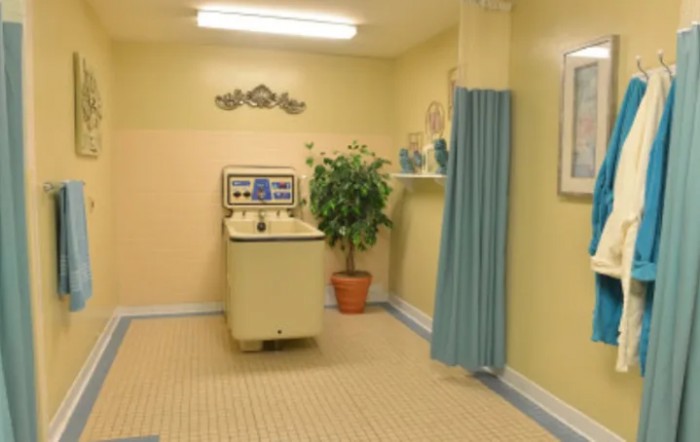
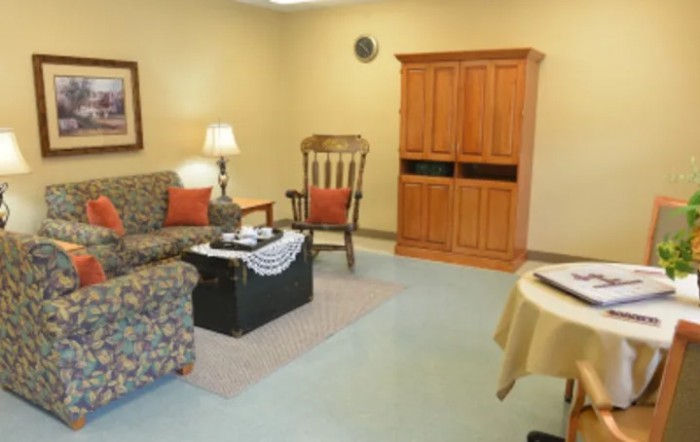
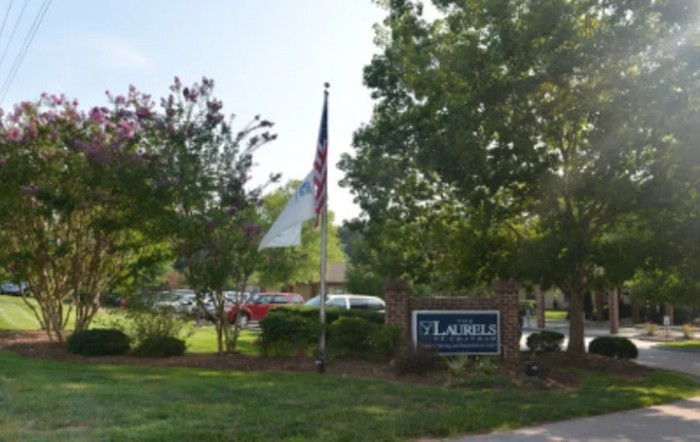
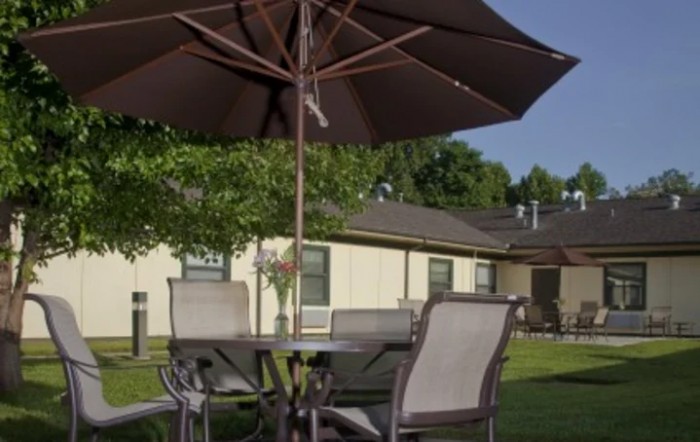
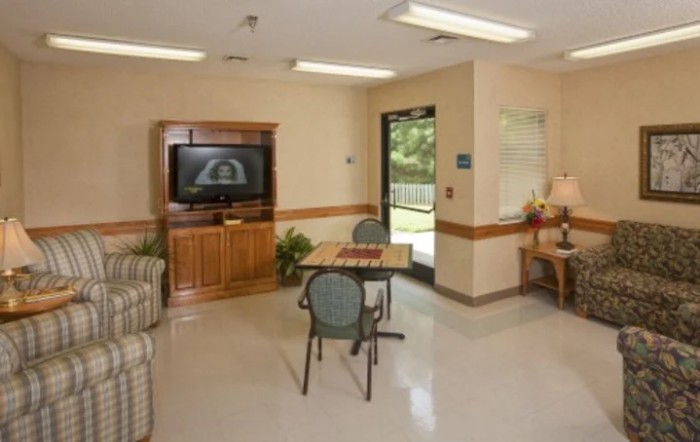
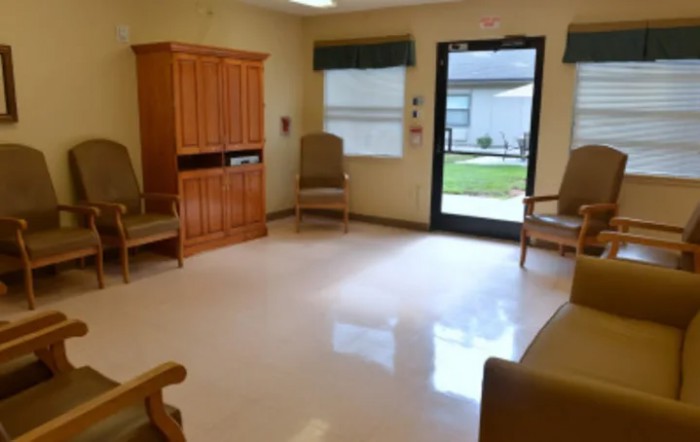
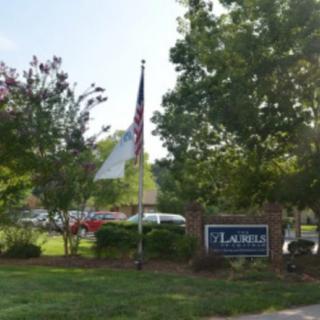
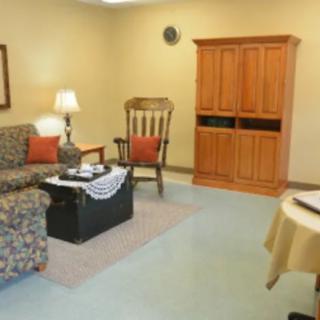
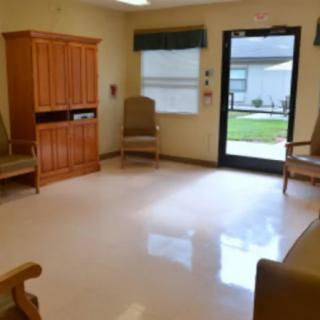
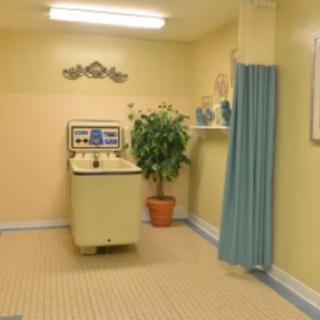
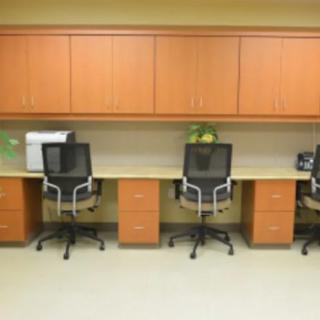
The Laurels Of Chatham on seniors.fyi includes 12 photos including images showing interior, dining, landscaping, television, windows, living room, decor, office, and more.
Nearby Communities
Pittsboro Christian Village
Pittsboro, NC
5 from 10 reviews
CCRC with 24/7 staff and memory care; diverse on-site amenities.
ComForcare Senior Services
Pittsboro, NC
Accessible healthcare and nearby dining/shops in a peaceful, well-established setting.
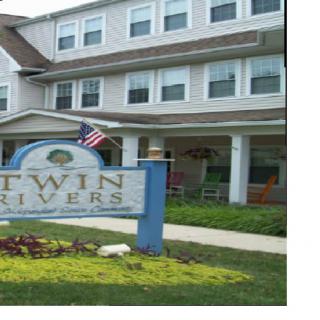
Twin Rivers Senior Independent Living
Pittsboro, NC
4.7 from 20 reviews
$2,400 to $4,200 / month
Friendly, attentive staff with a close-knit community and engaging activities.
Helping Hands of America
Pittsboro, NC
Near dining options, pharmacies, physicians, hospitals, and a nearby park.
Cambridge Hills of Pittsboro
Pittsboro, NC
4.5 from 57 reviews
$4,300 to $5,300 / month
Warm, attentive staff in a small, home-like setting with engaging activities.
The Arbor
Pittsboro, NC
3.7 from 3 reviews
$5,047 to $6,561 / month
Intimate 16-bed setting with comprehensive care, on-site dining, and engaging activities.
Galloway Ridge at Fearrington
Pittsboro, NC
4.7 from 55 reviews
Bright, well-maintained apartments with friendly staff and engaging activities.
Chatham Ridge Assisted Living
Chapel Hill, NC
4 from 92 reviews
$4,195 to $5,950 / month
Caring staff, clean facility, engaging activities, and good family communication.
Carolina Spring
Carrboro, NC
3.8 from 25 reviews
$692 to $834 / month
Responsive staff, well-maintained property, affordable income-based rents, plus transportation to shops and social activities.
The article highlights nine memory-boosting activities for seniors that enhance cognitive health and social interaction, including puzzles, trivia quizzes, and storytelling, while emphasizing the importance of adapting these activities to individual preferences to maximize enjoyment and engagement. Consistent mental engagement is linked to improved cognitive function and emotional well-being in older adults.
Medicare provides limited coverage for skilled nursing home care, covering full benefits for the first 20 days and partial benefits up to 100 days under certain conditions, after which families must explore alternative funding options like Medicaid or long-term care insurance to manage potentially high costs. Proactive planning is essential to navigate the complexities of financing ongoing care once Medicare coverage ends.
Geriatric care managers create personalized care plans for older adults, addressing their medical, social, financial, and psychological needs while coordinating services and advocating for their well-being. They help families navigate caregiving challenges but may be hindered by high costs and a shortage of qualified professionals.
Get PricingAsk A QuestionSchedule A TourContact Senior Advisor
By clicking submit, you agree to our Partner's Terms of Use. You
also consent to receive calls and texts, which may be autodialed, from our Partner. Your consent is not a condition to
using our Partner's service. Please visit our Partner's Privacy Policy for information about their privacy practices.







 140 resident community capacity
 Skilled Nursing Facility
 Air-conditioning
 Beauty salon
 Cable or satellite TV
 Computer center
 Dining room
 Fitness room
 Fully furnished
 Gaming room
 Garden
 Housekeeping services
 Kitchenette
 Move-in coordination
 Outdoor space
 Private bathrooms
 Restaurant-style dining
 Small library
 Telephone
 Wellness center
 Wi-Fi/high-speed internet available
 Raleigh-Durham International (24 miles away)
 Community operated transportation
 12-16 hour nursing
 24-hour call system
 Activities of daily living assistance
 Assistance with bathing
 Assistance with dressing
 Assistance with transfers
 Diabetes diet
 Medication management
 Mental wellness program
 Special dietary restrictions
 Concierge services
 Planned day trips
 CCRC with 24/7 staff and memory care; diverse on-site amenities.



 9 Stimulating Memory Activities for Seniors: Puzzles, Cards, and Much More
 Managing Nursing Home Expenses After Medicare Coverage Ends
 Is a Geriatric Care Manager the Right Choice for Your Family?