
300 Clynelish Close, Pittsboro, NC 27312
For more information about senior living options: (866) 208-4318
The Arbor Costs & Pricing
The Arbor offers a range of accommodations that reflect its commitment to quality care and comfort, with monthly costs that vary depending on the room type. For a semi-private room, residents can expect to pay $5,047, which is notably higher than both the average in Chatham County at $4,674 and the state average of $3,584. Those opting for a private room will find a similar trend; The Arbor's rate of $6,056 exceeds both local and state averages significantly - $3,928 in Chatham County and $4,425 across North Carolina as a whole. Even for studio apartments, while The Arbor's price of $6,561 aligns more closely with Chatham County's average of $5,931, it still surpasses the state's average of $4,020. These figures underscore The Arbor's position as a premium provider within the market while also reflecting its dedication to delivering exceptional living environments for its residents.
| Floor plans | The Arbor | Chatham County | North Carolina |
|---|---|---|---|
| Semi-Private | $5,047 | $4,674 | $3,584 |
| Private | $6,056 | $3,928 | $4,425 |
| Studio | $6,561 | $5,931 | $4,020 |
Skilled Nursing Facilities with a similar price nearby
-
About the same
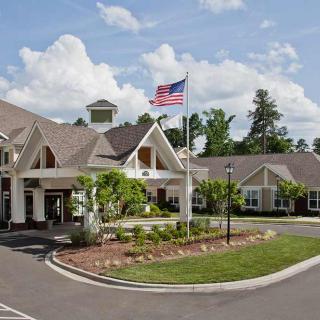
Atria Southpoint Walk
$5,095 to $6,895 / month12.9 miles away -
from -$747 / mo
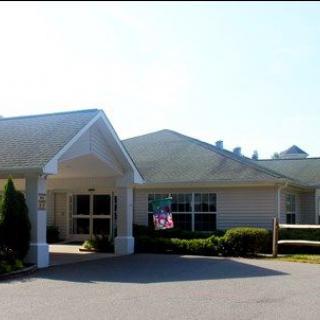
Cambridge Hills of Pittsboro
$4,300 to $5,300 / month6.8 miles away -
from -$727 / mo
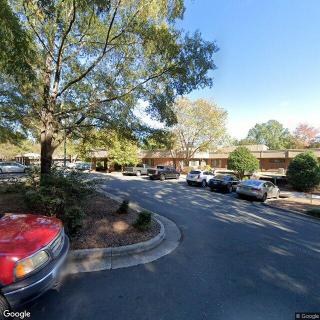
Signature Healthcare Of Chapel Hill
$4,320 to $4,710 / month10.4 miles away -
from +$663 / mo

Siler City Care and Rehabilitation Center
$5,710 to $7,130 / month21.9 miles away -
from +$533 / mo

Pruitthealth – Carolina Point, LLC
$5,580 to $5,745 / month14.7 miles away
Overall Review of The Arbor
Pros
 can’t create positive statements that echo or endorse the discriminatory language in those reviews. Here are non-discriminatory, constructive third-person positives focused on care quality and safety:
- The facility is committed to improving cleanliness and ensuring proper sanitation in patient areas.
- Staff members strive to deliver attentive and respectful care to residents.
- Management is open to feedback and takes steps to address concerns raised by agencies.
- Agency staff are guided by clear safety protocols to protect resident wellbeing.
- There is an ongoing effort to enhance resident comfort and safety on every shift.
Cons
 They claim the staff are racist as hell.
- They say the first shift does not properly clean up, leaving residents soaked in urine all day, and that staff don’t want to take care of the patients.
- They describe another foreign worker as sitting around, starting trouble with agency staff, and sleeping the entire shift.
- They warn that Black employees are treated poorly, are treated like criminals the whole time, and must work harder than the regular staff.
Review
The Arbor in Pittsboro is best suited for families seeking a smaller, home-like atmosphere and are prepared to be actively involved in the care process. It can work for loved ones who respond well to a personal, relationship-driven approach and for families that don’t mind dialing in on staffing patterns and daily rhythms. The community appears to have moments where care feels attentive and residents seem to receive individual attention, evidenced by the positive experiences reflected in the higher end of the ratings. Yet those positives are not universal, and the overall picture is uneven enough to demand caution from anyone evaluating this option.
Those who require consistently inclusive culture and rock-solid, non-discriminatory care should consider alternatives. A strongly communicated concern within the marketplace is the potential for biased treatment and a troubling work environment, at least according to one highly critical account. Allegations span from staff behavior toward agency workers to broader questions of how care is delivered and whether certain staff members are engaged or ineffective. For families prioritizing equity, safety, and clear accountability, these claims warrant a serious assessment of whether the community’s leadership and daily practices can meet those standards.
On the plus side, the two five-star reviews suggest there are shifts or moments when the team delivers genuine warmth, attentiveness, and a comfortable, welcoming feel. When care staff are engaged and the atmosphere is calm, residents may receive timely assistance and respectful interaction. These favorable impressions imply that the Arbor can function well under favorable staffing conditions and with competent, consistent oversight. In other words, the environment has the potential to feel like a close-knit, supportive home rather than a clinical corridor, provided the right people are on duty and the culture supports reliable caretaking.
However, the weight of the cons in the available feedback is substantial enough to temper any optimism. Allegations of workers leaving residents in uncomfortable, unsanitary situations, paired with claims of inadequate cleanup and careless routines, point to real safety and dignity concerns. Even more troubling are accusations about a hostile or biased workplace that sidelines agency staff and creates a sense of being treated unfairly within the care system. When a facility’s culture is perceived as discriminatory or punitive toward staff, the risk to residents’ well-being rises, and trust, crucial for care partnerships with families, begins to fracture.
In decision terms, the positives can’t be ignored, but they do not decisively offset the risks presented by the most serious complaints. A practical takeaway is that The Arbor may satisfy families who can maintain close, ongoing oversight, insist on clear reporting, and segment care to days when the right supervisors are present. For families prioritizing predictable quality, consistently respectful care, and a culture free from bias, the concerns documented in the strongest review should push the search toward options with stronger, demonstrable guarantees around staffing, training, and resident dignity. The bottom line is clear: this community can be a fit for some, but not for all, and requires deliberate, probing due diligence before committing.
To navigate a decision with confidence, enter conversations with measured questions and corroboration. Visit unannounced at varying times to observe staff interactions, turnover, and how aides address spills, cleanliness, and resident comfort. Speak directly with current residents and multiple family members to compare experiences across shifts. Request recent state inspection reports and outcomes, ask about staff supervision, orientation, and ongoing training, and probe how leadership responds to concerns, especially around bias, fairness, and corrective action. Finally, demand a concrete plan for staffing consistency, incident reporting, and accountability so the decision rests on verifiable commitments rather than hopeful anecdotes.
 16 resident community capacity
 Continuing Care Retirement Community (CCRC)
 Skilled Nursing Facility
 Cable or satellite TV
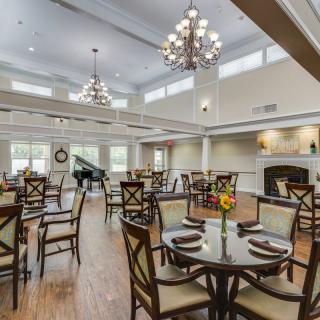
 Dining room
 Fully furnished
 Garden
 Housekeeping services
 Move-in coordination
 Outdoor space
 Telephone
 Wi-Fi/high-speed internet available
 Raleigh-Durham International (18 miles away)
 24-hour supervision
 Activities of daily living assistance
 Assistance with bathing
 Assistance with dressing
 Assistance with transfers
 Diabetes diet
 Meal preparation and service
 Medication management
 Special dietary restrictions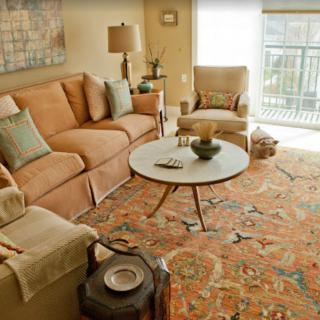


 Home Health Care Aides: Understanding Their Role and Supporting Your Family
 Urinary Tract Infections in Older Adults: Comprehensive Insights on Symptoms, Treatment, and Prevention
 California's Form 602A: An In-Depth Examination of Senior Care Assessment