Carrington Place offers competitive pricing for its accommodations compared to the broader market in Union County and the state of North Carolina. With monthly costs for a semi-private room at $2,189, it stands significantly lower than the county average of $3,730 and the state average of $3,584. Similarly, residents seeking a private room will find Carrington Place's rate of $2,626 to be favorable against Union County's $4,918 and North Carolina's $4,425. For those interested in studio apartments, Carrington Place charges $2,845 - a stark contrast to Union County's cost of $4,789 and North Carolina's average of $4,020. These price points highlight Carrington Place's commitment to providing quality care while remaining accessible in terms of affordability within the region.
Floor plans
Carrington Place
Union County
North Carolina
Semi-Private
$2,189
$3,730
$3,584
Private
$2,626
$4,918
$4,425
Studio
$2,845
$4,789
$4,020
Skilled Nursing Facilities with a similar price nearby
Rehab and therapy support is a frequent focus in reviews, with structured daily care described by residents and families.
Many reviewers describe active rehabilitation during their stay, including physical therapy, occupational therapy, and speech therapy several times per week. Others say the staff helped with day-to-day needs and kept them engaged through scheduled activities and common spaces rather than leaving residents in rooms. The experience also lines up with the facility offering skilled nursing support and nursing coverage plus assistance with activities of daily living and medication management. A few reviewers also note they expected a higher level of therapy for more complex medical needs, like ostomy-related care.
caveat5 reviews mention this
Food quality and diet accuracy
Food and diet handling are mixed in reviews, with both appetizing meals and recurring diet-temperature complaints.
Some families say meals were appetizing, with variety and an overall improvement in food during their stay. Others describe problems such as food being barely warm or cold, portions that did not meet expectations, and meals sent back due to incorrect diets. A reviewer also mentions difficulties with special diet requirements and temperature concerns, alongside concerns about limited snacks at night. Overall, dining quality appears inconsistent, especially when it comes to matching dietary needs.
caveat7 reviews mention this
Care lapses and night staffing concerns
Several reviews describe serious care breakdowns, particularly around overnight attention and end-of-life support.
A number of reviewers report night-related staffing and supervision problems, including descriptions of nurses or aids sleeping and residents being left in urine overnight. Others describe missed medications, lack of bathing for multiple days, and skin concerns that worsened during a period of decline. There are also accounts of residents not being turned or repositioned regularly, along with families feeling they had to push repeatedly to get basic care done. While some days are described positively, the negative reviews repeatedly return to reliability during the late hours and during critical moments.
common22 reviews mention this
Staff communication and bedside support
Reviews are split, but many families highlight caring, responsive staff and noticeable effort at the bedside.
Many reviewers praise specific nurses, therapy staff, and caregivers as friendly, attentive, and willing to help, including quick follow-up when questions come up. Several families also describe communication and emotional support, such as listening to concerns, planning around medical orders, and providing comfort to residents. At the same time, other reviews criticize the staff experience, describing slow buzzer response, rude nurse-aid interactions, and lack of concern for families. Taken together, the staff experience seems to vary from resident to resident and shift to shift.
How we summarize
Counts show how many written reviews mention each theme; a review can touch several themes, and only frequently mentioned themes are displayed.
Features
Housing
166 resident community capacity
Types of Care
Skilled Nursing Facility
Amenities
Air-conditioning
Beauty salon
Cable or satellite TV
Computer center
Dining room
Fitness room
Fully furnished
Gaming room
Garden
Housekeeping services
Kitchenette
Move-in coordination
Outdoor space
Private bathrooms
Restaurant-style dining
Small library
Telephone
Wellness center
Wi-Fi/high-speed internet available
Transportation
Charlotte Douglas International (14 miles away)
Community operated transportation
Transportation arrangement
Transportation arrangement (non-medical)
Transportation to doctors appointments
Care Services
12-16 hour nursing
24-hour call system
24-hour supervision
Activities of daily living assistance
Assistance with bathing
Assistance with dressing
Assistance with transfers
Diabetes diet
Meal preparation and service
Medication management
Mental wellness program
Special dietary restrictions
Dining
Diabetes diet
Special dietary restrictions
Activities
Community-sponsored activities
Concierge services
Fitness programs
Planned day trips
Resident-run activities
Scheduled daily activities
Nearby Places of Interest
This area of Matthews, North Carolina, offers a variety of amenities and services that cater to senior living. With several pharmacies within close proximity, accessing necessary medications and healthcare products is convenient. Additionally, there are reputable physicians in the area such as the Center for Wellness and Arboretum Pediatrics for regular health check-ups. Places of worship like Carmel Baptist Church and Idlewild Baptist Church provide spiritual support and community engagement opportunities. For leisure activities, residents can enjoy dining at restaurants like Mac's Speed Shop or Metro Diner, grab a coffee at The Collective Cafe or Starbucks, catch a movie at Regal Stonecrest at Piper Glen or AMC Carolina Pavilion, or relax in Blakney Park. If medical attention is needed, Carolinas Medical Center-Pineville is just a short drive away. Overall, this neighborhood offers a blend of convenience, entertainment, and essential services for seniors looking to settle in Matthews.
Carrington Place offers competitive pricing for its accommodations compared to the broader market in Union County and the state of North Carolina. With monthly costs for a semi-private room at $2,189, it stands significantly lower than the county average of $3,730 and the state average of $3,584. Similarly, residents seeking a private room will find Carrington Place's rate of $2,626 to be favorable against Union County's $4,918 and North Carolina's $4,425. For those interested in studio apartments, Carrington Place charges $2,845 - a stark contrast to Union County's cost of $4,789 and North Carolina's average of $4,020. These price points highlight Carrington Place's commitment to providing quality care while remaining accessible in terms of affordability within the region.
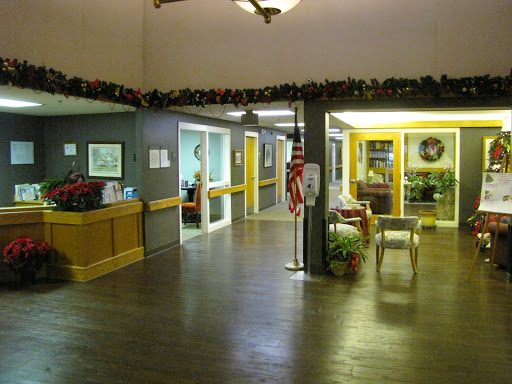
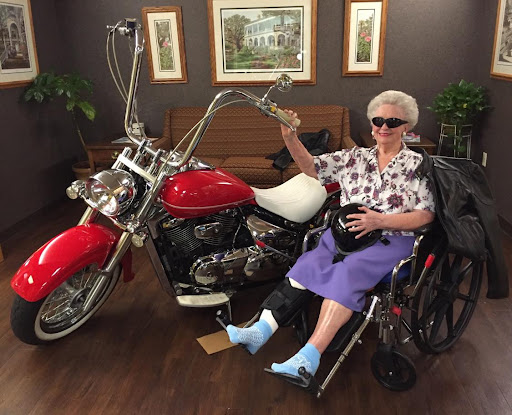
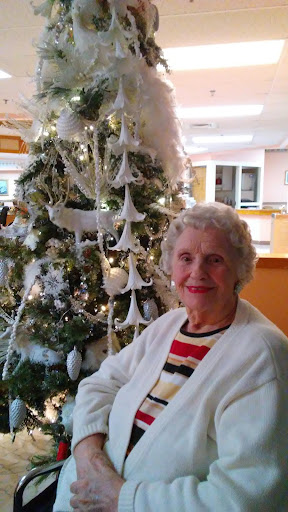
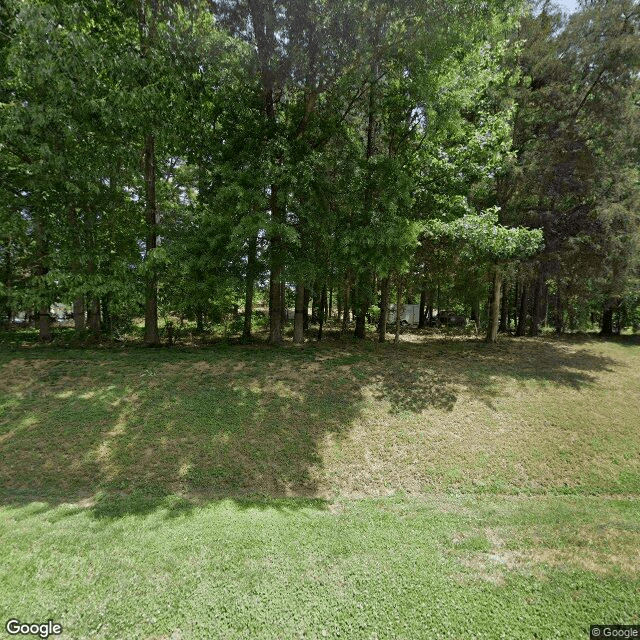
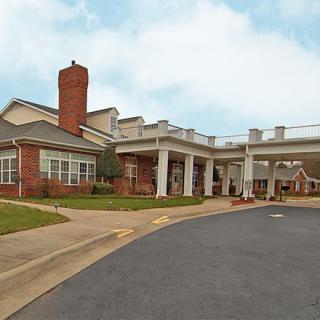
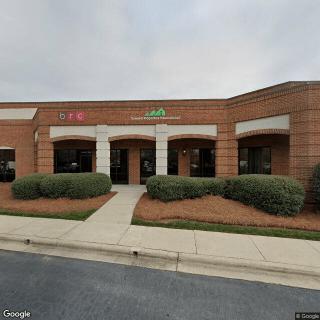
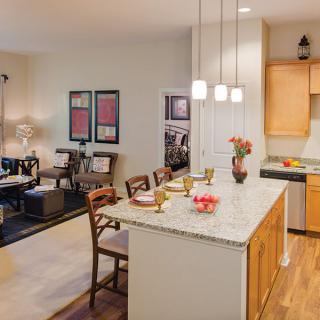
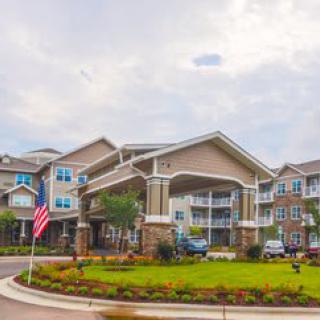
Carrington Place on seniors.fyi includes 4 photos including images showing office space, decorative plants, wheelchair, interior, lobby, healthcare, waiting area, reception, and more.
Nearby Communities
Matthews Glen
Matthews, NC
4.3 from 125 reviews
Impressive, well-maintained facilities with friendly staff and a broad activities program.
Willowbrooke Court Sc Center At Plantation Estates
Matthews, NC
4.4 from 96 reviews
24/7 staff supervision and diabetes-friendly meals.
Eden Hall
Matthews, NC
Comprehensive care (dressing assistance, medication management) with meals and connectivity (Wi-Fi/phone).
Living Spring Home Health
Matthews, NC
4.8 from 5 reviews
Convenient access to nearby pharmacies, physicians, restaurants, cafes, and places of worship within a nurturing assisted living community.
Brookdale Weddington Park
Matthews, NC
4.5 from 56 reviews
$5,080 to $7,350 / month
Caring staff with personalized care, great food, and engaging activities.
Amore Home Care Services
Charlotte, NC
4.7 from 15 reviews
Professional, compassionate in-home care that treats clients like family.
Windsor Run
Matthews, NC
4.4 from 7 reviews
Beautiful, modern facility with extensive amenities and friendly staff.
Providence Meadows
Charlotte, NC
4.7 from 71 reviews
$2,765 to $4,595 / month
Friendly, attentive staff in a well-maintained, engaging community.
Brookdale Carriage Club Providence
Charlotte, NC
3.9 from 152 reviews
$3,545 to $5,945 / month
Friendly, accommodating staff and a welcoming community with diverse amenities and flexible care options.
Weight training is vital for seniors to maintain muscle mass, bone density, and overall health, combating age-related declines through customized resistance exercises that enhance balance and well-being. Safe routines should start with realistic goals and proper form, while emphasizing gradual progress and consultations with healthcare providers to ensure safety and effectiveness.
The Sandwich Generation comprises adults managing the dual responsibilities of caring for aging parents and raising children, leading to significant emotional, logistical, and financial challenges. This situation is exacerbated by longer life expectancies and cultural expectations, necessitating effective coping strategies and support resources to alleviate caregiver stress and burnout.
The article highlights eight essential assistive devices that improve the independence and safety of older adults, addressing issues related to mobility, balance, vision, hearing, and dexterity. It emphasizes the importance of proper selection guided by healthcare professionals to enhance seniors' quality of life while allowing them to age in place.
Get PricingAsk A QuestionSchedule A TourContact Senior Advisor
By clicking submit, you agree to our Partner's Terms of Use. You
also consent to receive calls and texts, which may be autodialed, from our Partner. Your consent is not a condition to
using our Partner's service. Please visit our Partner's Privacy Policy for information about their privacy practices.


 166 resident community capacity
 Skilled Nursing Facility
 Air-conditioning
 Beauty salon
 Cable or satellite TV
 Computer center
 Dining room
 Fitness room
 Fully furnished
 Gaming room
 Garden
 Housekeeping services
 Kitchenette
 Move-in coordination
 Outdoor space
 Private bathrooms
 Restaurant-style dining
 Small library
 Telephone
 Wellness center
 Wi-Fi/high-speed internet available
 Charlotte Douglas International (14 miles away)
 Community operated transportation
 12-16 hour nursing
 24-hour call system
 Activities of daily living assistance
 Assistance with bathing
 Assistance with dressing
 Assistance with transfers
 Diabetes diet
 Medication management
 Mental wellness program
 Special dietary restrictions
 Concierge services
 Planned day trips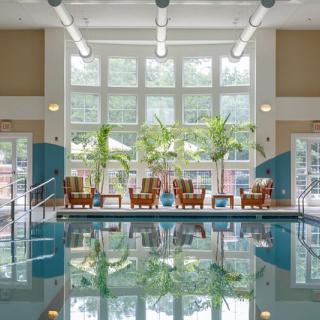
 Impressive, well-maintained facilities with friendly staff and a broad activities program.

 Weight Training for Seniors: Building Strength and Vitality
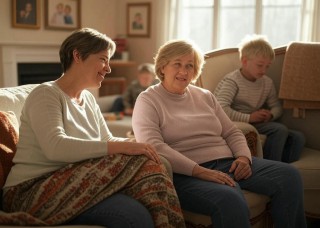 Understanding the Sandwich Generation: Stress and Responsibilities for Multigenerational Caregivers
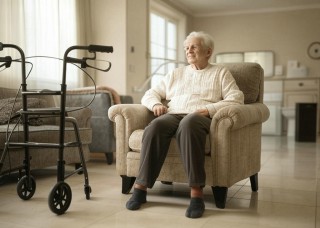 8 Essential Assistive Devices for Older Adults