For more information about senior living options: (866) 208-4318
4.4 from 87 reviews
5 stars
65
4 stars
8
3 stars
4
2 stars
8
1 stars
2
Overall Review of Nc State Veterans Home-Kinston
caveat4 reviews mention this
Staffing and follow-through are mixed
Several residents’ families describe staffing and response gaps that affected safety and timely care.
While many reviews are positive about care, a recurring concern is staffing and whether help is available when it is needed. Some families describe falls and being concerned their loved one was not safe, including difficulty with monitoring when someone attempted to get up. Other reviewers mention minimal care during shifts or challenges getting timely responses to requests. Taken together, these accounts suggest the experience can depend heavily on day-to-day coverage.
common15 reviews mention this
Clean, well-kept facility stands out
Residents and families repeatedly mention the building is clean and well maintained.
Multiple reviews highlight cleanliness, including comments about rooms and common areas looking neat and well kept. Several reviewers also mention that the facility does not have unpleasant odors, which they contrast with other nursing homes. Even among critical reviews, there are references to hygiene and housekeeping that point to how much cleanliness affects the overall impression. Overall, cleanliness comes through as one of the most consistently cited positives.
common5 reviews mention this
Food quality is consistently praised
Many reviewers say the food is good and plentiful, with some noting options for preferences.
Dining comes up often in straightforward terms, with multiple reviews saying the food is very good or great. Families also describe meals as abundant and sometimes adjustable based on what their loved one likes. This aligns with the community offering restaurant-style dining and dietary support such as special dietary restrictions. For families comparing places, food quality is a frequent reason they feel comfortable with the move.
differentiator4 reviews mention this
Therapy and rehab support is strong
Reviews frequently credit therapy and rehab for noticeable progress and engagement.
Several residents’ families describe positive results from physical and occupational therapy, including improvements after a difficult rehab experience elsewhere. Others say therapy staff are attentive and that treatment helped their loved one become more mobile or better supported day to day. The community also provides therapy-focused care levels such as skilled nursing, which fits with the way reviewers talk about rehab and ongoing therapy involvement. While not every review is about outcomes, therapy is one of the clearest strengths that comes through.
common6 reviews mention this
Social activities help fill the day
Many reviews mention social activities and programs that keep residents engaged.
Reviews commonly describe a schedule with activities such as bingo, game nights, and other events that offer structure beyond basic care. Some families also say their loved ones stay busy with exercise and programs, and that therapy teams help drive day-to-day engagement. A few reviewers note gaps at certain times, like fewer late-afternoon options while waiting for dinner. Overall, activities are a frequent part of the positive day-to-day experience.
caveat2 reviews mention this
Communication and responsiveness vary
Some families report communication issues and delays when they needed action or updates.
Alongside praise for being kept informed, a couple of reviewers describe problems getting timely answers or follow-through on specific requests. One account focuses on frustrations around care planning and transportation decisions, while another mentions difficulty resolving administrative communication after a prepaid period. These complaints stand out because they relate to being heard and getting updates when families expected them. This suggests families may want to clarify expectations for communication up front.
How we summarize
Counts show how many written reviews mention each theme; a review can touch several themes, and only frequently mentioned themes are displayed.
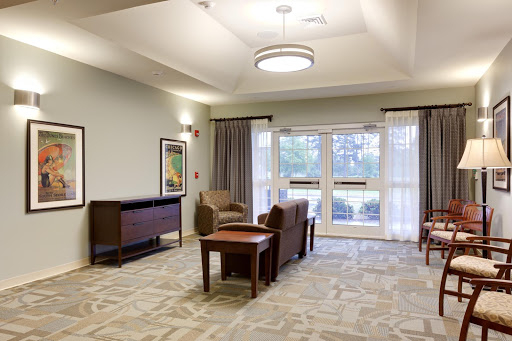
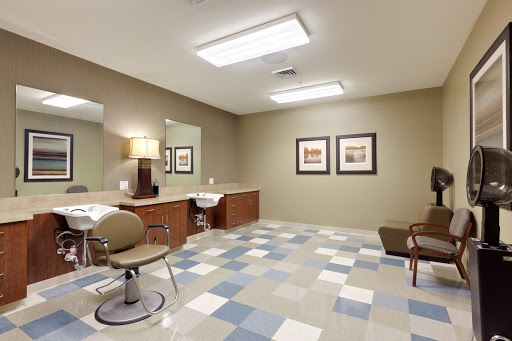
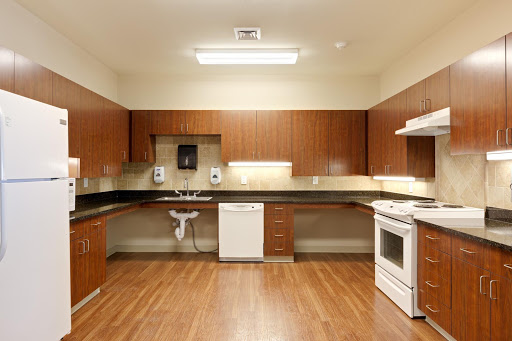
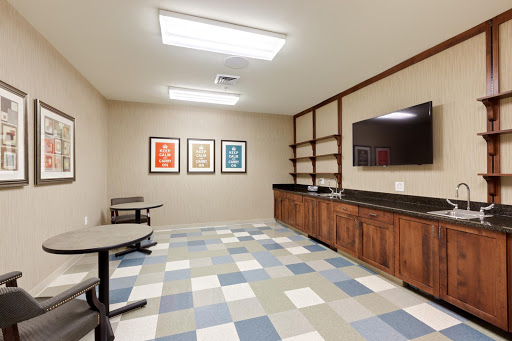
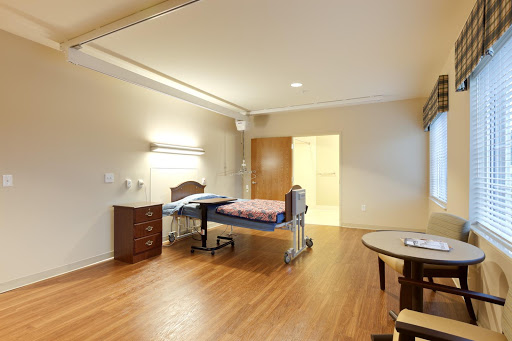
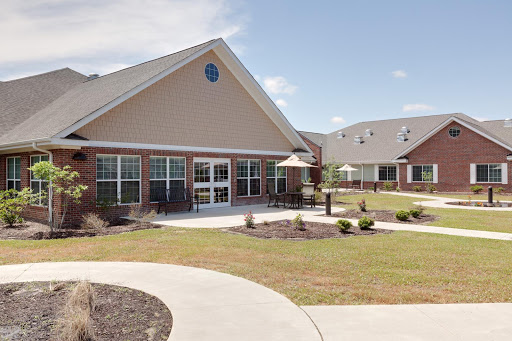
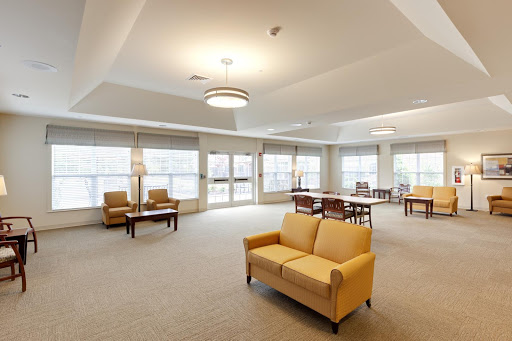
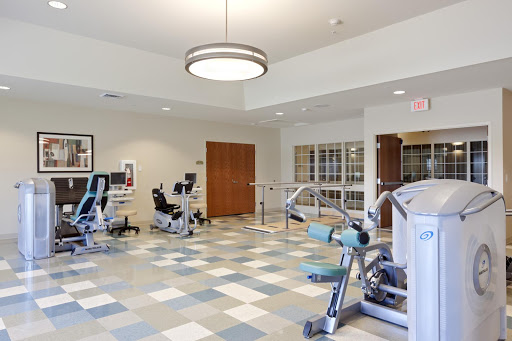
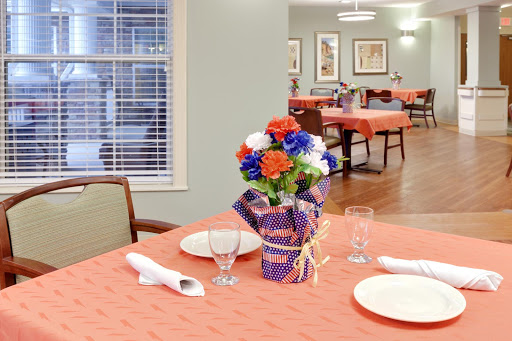
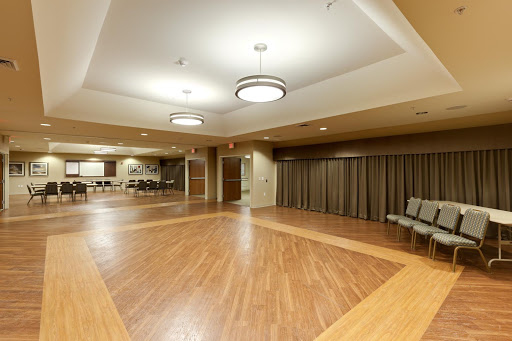
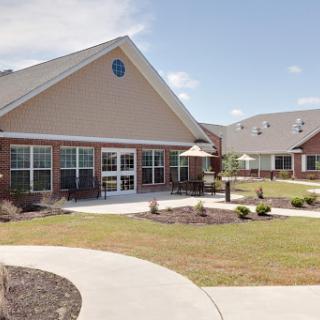
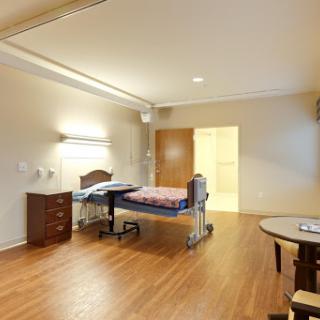
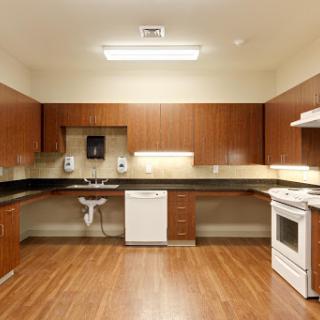
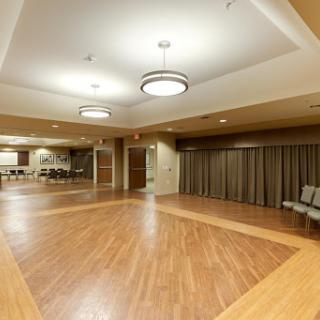
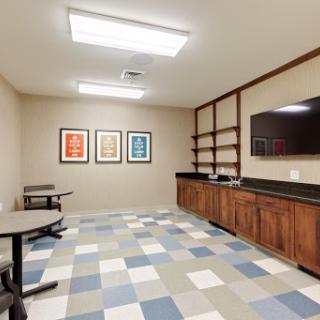
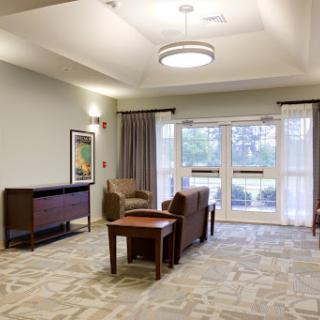
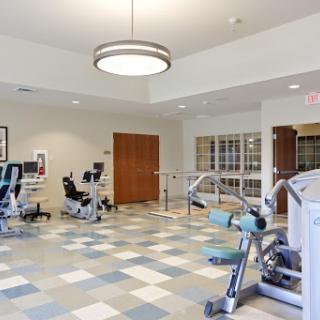
Nc State Veterans Home-Kinston on seniors.fyi includes 10 photos including images showing interior, lighting, lounge, seating area, dining, salon, office, artwork, and more.
Nearby Communities
Spring Arbor of Kinston
Kinston, NC
4.7 from 53 reviews
$3,850 to $8,300 / month
Caring staff with personalized attention and restaurant-style dining.
Greenbrier Landing
Kinston, NC
4.5 from 15 reviews
$539 / month
Affordable two-bedroom option with ample amenities
Herritage Elite Estate
Kinston, NC
5 from 10 reviews
Clean, well-laid-out rooms with friendly staff and flexible dining options.
Addus Healthcare
Kinston, NC
2.3 from 3 reviews
Strong caregiver support and continuity of care.
A New Beginning
Kinston, NC
2 from 1 review
Residential board-and-care with communal spaces and outdoor areas.
Joseph's Family Care Home, Inc
Kinston, NC
5 from 7 reviews
Residential board and care home with communal spaces and a garden ambiance.
The Village Of Kinston
Kinston, NC
4.1 from 11 reviews
$2,600 to $2,900 / month
Family-oriented atmosphere with attentive staff and ongoing renovations.
Sutton's Retirement Center
Goldsboro, NC
3.7 from 3 reviews
Intimate 40-bed setting with personalized care, restaurant-style dining, and active resident programs.
Somerset Court of Goldsboro
Goldsboro, NC
3.9 from 21 reviews
$2,500 to $7,081 / month
Comfortable rooms, pleasant dining, engaging activities, on-site grooming, and devotional offerings.
Palliative care focuses on alleviating distress at any stage of a serious illness and can accompany curative treatments, while hospice care is for those nearing the end of life with a prognosis of six months or less, emphasizing comfort over curative measures. Both prioritize holistic care for patients and families but differ in timing, goals, and scope.
The guide details the tax deductibility of in-home healthcare expenses according to IRS guidelines, differentiating between medically necessary services and non-medical assistance, while emphasizing the need for proper documentation and itemization requirements. It also highlights state-level variations, the importance of record-keeping, and encourages seeking professional tax help to understand evolving regulations.
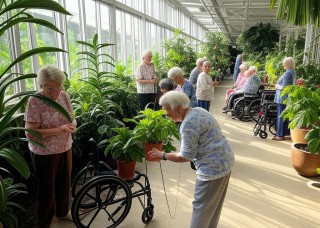
Gardening provides seniors with physical exercise, mental and emotional support, and social interaction opportunities, while accommodating their needs through raised beds and ergonomic tools. It promotes health benefits like improved dexterity and cardiovascular health, encourages sustainable practices, and allows for manageable upkeep with low-maintenance plants.
Exercise Equipment, Gym, Rehabilitation, and Fitness Center
Salon
Natural Light and Living Space
Lounge
Get PricingAsk A QuestionSchedule A TourContact Senior Advisor
By clicking submit, you agree to our Partner's Terms of Use. You
also consent to receive calls and texts, which may be autodialed, from our Partner. Your consent is not a condition to
using our Partner's service. Please visit our Partner's Privacy Policy for information about their privacy practices.




 100 resident community capacity
 Skilled Nursing Facility
 Air-conditioning
 Beauty salon
 Cable or satellite TV
 Computer center
 Dining room
 Fitness room
 Fully furnished
 Gaming room
 Garden
 Housekeeping services
 Kitchenette
 Move-in coordination
 Outdoor space
 Private bathrooms
 Restaurant-style dining
 Small library
 Telephone
 Wellness center
 Wi-Fi/high-speed internet available
 Community operated transportation
 12-16 hour nursing
 24-hour call system
 Activities of daily living assistance
 Assistance with bathing
 Assistance with dressing
 Assistance with transfers
 Diabetes diet
 Medication management
 Mental wellness program
 Special dietary restrictions
 Concierge services
 Planned day trips
 Caring staff with personalized attention and restaurant-style dining.




 Understanding the Nuances of Palliative Care and Hospice: A Comprehensive Exploration
 Is In-Home Healthcare Tax Deductible? Your Comprehensive Guide
 Nurturing Well-Being Through Gardening: A Detailed Guide for Senior Enthusiasts