The Shannon Gray Rehabilitation & Recovery Center in Jamestown, NC

Save

  • Interior

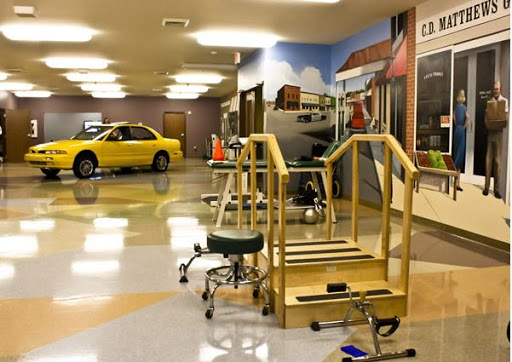
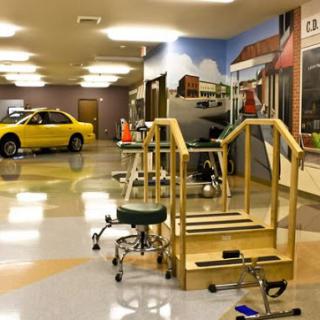
    A physical therapy room featuring rehab equipment and a yellow car, designed to create a supportive environment for recovery.
  • Decor

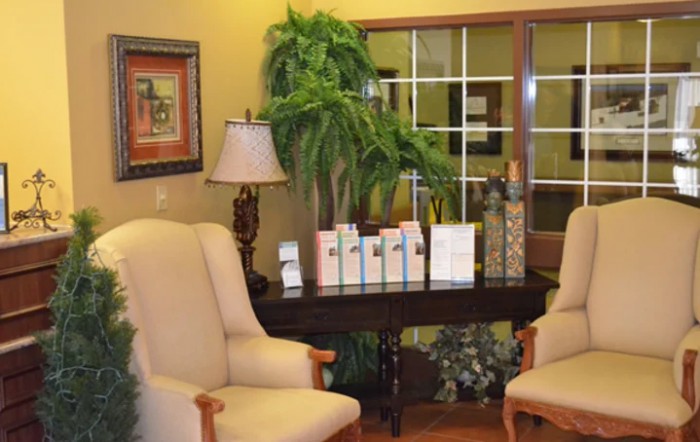
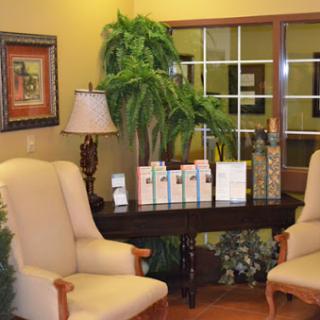
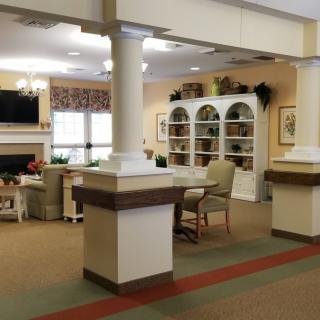
    A cozy waiting room with comfortable chairs, a table adorned with books and decorative items, and lush green plants.
  • Living Room

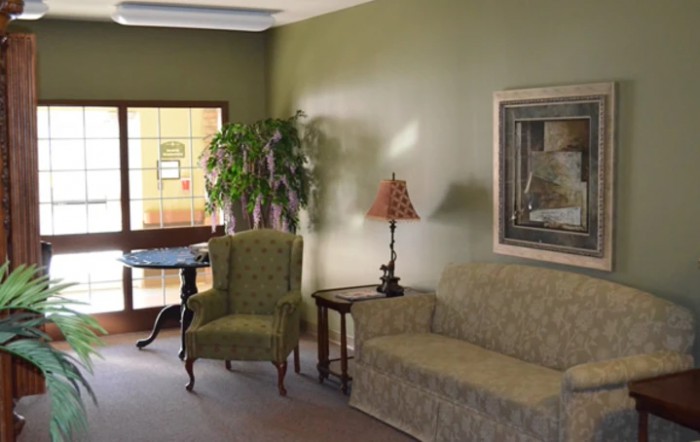
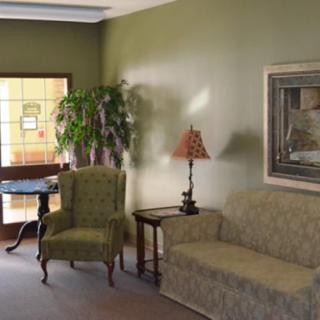
    A cozy living room featuring a sofa, armchair, and table with a lamp, decorated with a potted plant and wall art.
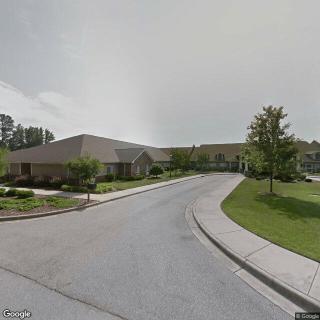
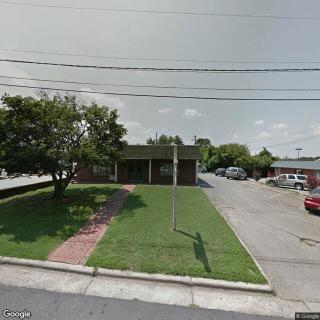
  • Building

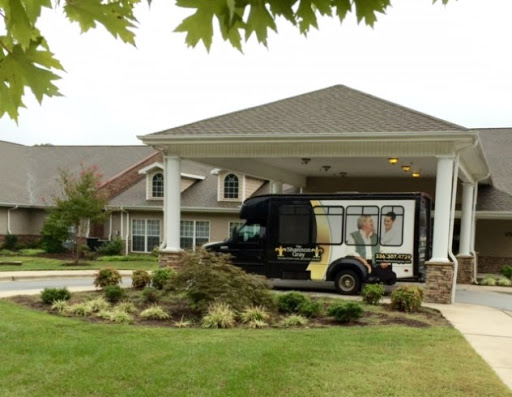
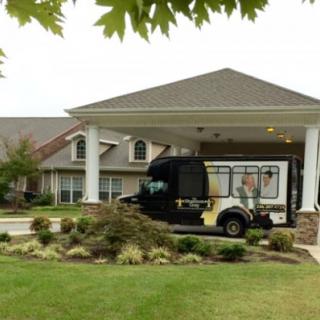
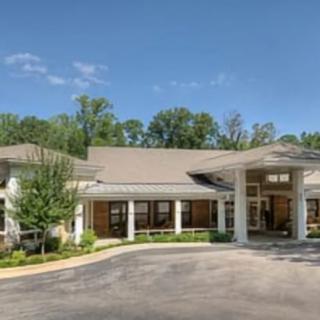
    A delivery truck parked at the entrance of a commercial building.
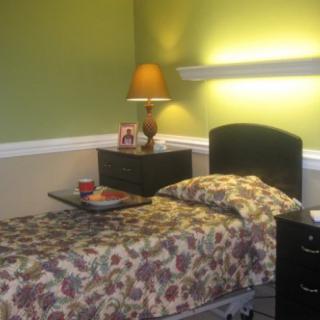
  • Windows

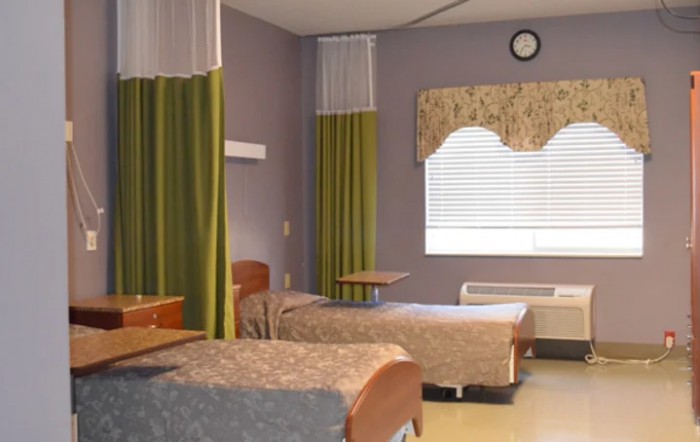
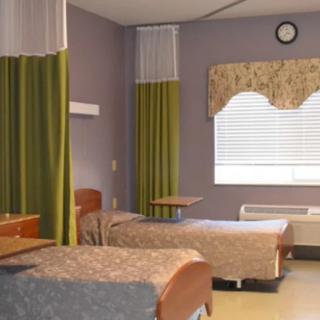
    A hospital room with two beds, green privacy curtains, and a window.
  • Fireplace

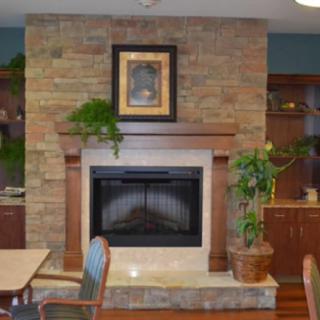
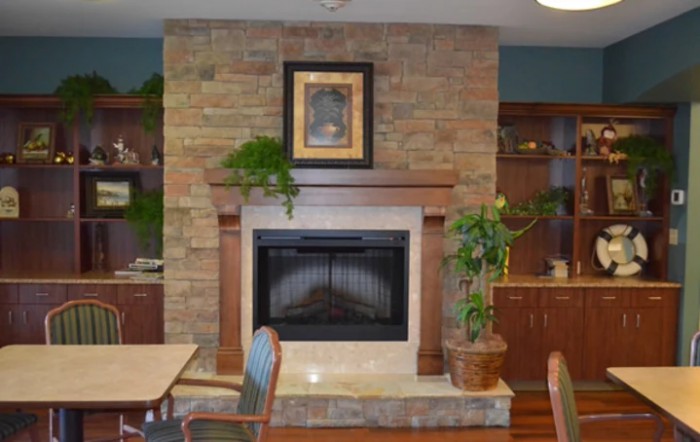
    A cozy living room with a brick fireplace, surrounded by plants and wooden furniture.
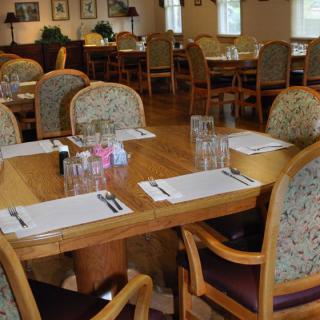
  • Waiting Area

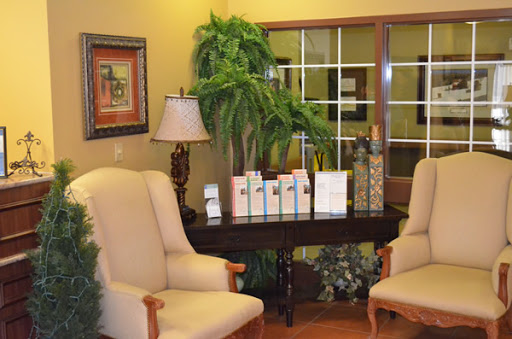
    A cozy waiting area featuring comfortable chairs, indoor plants, and a welcoming ambiance.

The Shannon Gray Rehabilitation & Recovery Center in Jamestown, NC

2005 Shannon Gray Court, Jamestown, NC 27282

For more information about senior living options: (844) 490-3973

3.6 from 81 reviews
5 stars
44
4 stars
7
3 stars
2
2 stars
6
1 stars
22

Skilled Nursing Facility

Overall Review of The Shannon Gray Rehabilitation & Recovery Center

Pros

  • pro The CNAs, nurses, therapy, and front office staff go above and beyond to provide excellent care.
  • pro The facility is very clean and spacious.
  • pro Communication with families is very good, and staff are approachable and responsive.
  • pro The staff treat residents with respect, dignity, and kindness.
  • pro The therapy team is top notch and highly effective.
  • pro The common areas are inviting and well-designed for socializing or quiet relaxation.
  • pro The rooms are spacious and comfortable, allowing residents to make the space their own.
  • pro The food is good, and the overall care is excellent.
  • pro Shannon Gray Rehab Center is highly recommended by families.

Cons

  • pro Some nurses do not perform their duties promptly, leading to pain medications being delayed for over two hours.
  • pro The director of nursing is criticized for failing to treat residents with respect and decency.
  • pro The rest of the nursing staff are described as a major concern and disappointment.
  • pro A resident developed a pressure ulcer from being left in bed for hours without relief or proper pressure-relieving measures.
  • pro The facility is severely understaffed, resulting in long wait times, missed treatments, and neglected care.
  • pro Staff are described as lazy, rude, and unresponsive, with call bells often ignored.
  • pro Upper management and administrative staff are accused of poor communication, broken promises, and failing to coordinate care or discharge planning.
  • pro The facility is labeled money-hungry, with high costs and fees (such as $200 for doctor transport) that undermine care quality.
  • pro The rehab unit is criticized for poor therapy and lack of medical coordination, including doctors not communicating with families and medication issues.
  • pro The facility is described as dirty or moldy-smelling, with crumbs in common areas and insufficient housekeeping.
  • pro A patient was reportedly drugged to the point of incapacity, leading to multiple falls.
  • pro Reviewers frequently say they would not recommend Shannon Gray due to safety and care concerns.

Review

This community is best suited for families prioritizing aggressive rehabilitation and a welcoming, clean environment for short-term recovery after surgery or a hospital discharge. It shines for those who want strong therapy engagement, clear family communication, and a facility that feels well cared-for on a day-to-day basis. Prospective residents with complex nursing needs or a pattern of safety concerns should consider other options first, as several families flag inconsistent nursing oversight and gaps in safety practices that can undermine recovery.

The most consistently lauded elements are the rehab and therapy teams, along with the overall atmosphere. Therapy staff are frequently described as skilled, motivated, and capable of pushing patients to regain strength, with praise for both physical and occupational therapy. CNAs and nurses are repeatedly commended for compassion and attentiveness, and the front-office and administrative personnel are recognized by many families for being responsive and communicative. The physical plant earns praise for being clean, spacious, and well designed, with amenities that support socialization and recovery, including a well-equipped rehab gym and even aqua therapy options in some programs. When these strengths are in play, residents feel respected, attended to, and on track to return home.

Yet, the downsides are repeatedly voiced with a seriousness that cannot be ignored. A sizable portion of reviews point to understaffing and uneven nursing performance, with instances of delayed medications, slow response to call bells, and lapses in basic safety precautions. Family members recount patients left unattended for long stretches, bed configurations or safety measures not implemented promptly, and troubling cases of falls or skin breakdown. Administrative communication also surfaces as a problem in multiple accounts: promises made by leaders were not always fulfilled, and calls or messages to the office sometimes went unanswered. These issues undermine the rehab benefits and create anxiety for families watching a loved one recover.

Those tensions matter because the rehab edge is real. For families who can tolerate the risk of uneven nursing coverage, Shannon Gray often delivers excellent therapy outcomes, a bright environment, and a team that genuinely seems to care. The top-tier therapy and active involvement of CNAs can translate into meaningful gains in mobility and daily functioning, especially after knee or hip procedures. In settings where administration aligns with frontline care and staffing is steady, the facility can feel like a collaborative, family-centered place. When the care team operates at its best, the overall quality of life and progress of residents can be substantial.

However, the balance tilts away for families who cannot ride out recurring administrative gaps or inconsistent risk management. For long-term residency or for residents with high medical complexity, the risk of missed treatments, delayed meds, or delayed calls can translate into real negative outcomes. Several reviews describe experiences that feel more concerning than comforting - ranging from apparent neglect to frustration with leadership's responsiveness. These patterns suggest that Shannon Gray is less reliable for those who need unwavering nursing oversight, constant safety vigilance, or transparent, consistently proactive discharge planning and in-hospital coordination.

For families weighing choices, alternatives deserve serious consideration if cost, staffing consistency, or rigorous safety standards are paramount. If a facility's governance and nurse-to-patient ratios are a core concern, or if a loved one requires around-the-clock medical attention with flawless communication among hospital, family, and home health teams, other nearby options may offer more predictable reliability. Those who prioritize a pristine aesthetic and robust therapy without compromising safety may still find Shannon Gray a compelling fit - provided due diligence confirms current staffing stability, responsive leadership, and a track record of timely medication administration and safety rounding.

In the end, Shannon Gray Rehab Center presents a pragmatic calculus: exceptional rehabilitative potential and a warm, professional therapy culture versus episodic concerns about nursing consistency and administrative responsiveness. Families should visit with questions that matter most to recovery outcomes - nurse-to-patient ratios, call-bell responsiveness, bed safety practices, discharge planning, and the transparency of daily routines. If those elements check out and the new leadership continues its recent momentum, this community can become a strong partner in a successful transition home. If not, alternatives with steadier nursing coverage and tighter operational communication will serve better in the long run.

Features

Housing

  • 150 resident community capacity 150 resident community capacity

Types of Care

  • Skilled Nursing Facility Skilled Nursing FacilitySkilled Nursing Facilities are crucial for seniors as they provide round-the-clock medical care, rehabilitation services, and assistance with daily activities. These facilities ensure that seniors receive the specialized care they need to maintain their health and well-being as they age.

Amenities

  • Air-conditioning Air-conditioningAir conditioning is important for seniors as they are more vulnerable to heat-related illnesses and may have underlying health conditions that make it difficult for them to regulate their body temperature. It helps to keep them comfortable, safe, and healthy in hot weather.
  • Beauty salon Beauty salonBeauty salons are important for seniors because they provide a space for them to feel pampered, socialize, and maintain their personal grooming and hygiene. Regular visits to a beauty salon can help boost seniors' self-esteem and overall well-being.
  • Cable or satellite TV Cable or satellite TVCable or satellite TV is important for seniors because it provides entertainment, news, and companionship, helping to combat loneliness and boredom. It also offers a wide range of programming options tailored to different interests and preferences.
  • Computer center Computer centerA computer center is essential for seniors as it provides access to technology, communication tools, and resources that can enhance their daily lives. It allows them to stay connected with loved ones, engage in online activities, and learn new skills, ultimately promoting socialization and mental stimulation.
  • Dining room Dining roomDining rooms are important for seniors as they provide a space for socialization, connection, and nutritious meals. They offer opportunities for residents to bond over shared meals, foster a sense of community, and promote healthy eating habits. Dining rooms also ensure that seniors have access to well-balanced meals tailored to their dietary needs and preferences.
  • Fitness room Fitness roomHaving a fitness room in a senior living community is essential for seniors to stay active, maintain their physical health, and improve their overall well-being. Regular exercise can help prevent falls, reduce the risk of chronic diseases, and promote mental sharpness. It also provides social opportunities for residents to connect with others and enjoy a sense of community.
  • Fully furnished Fully furnishedFully furnished senior living communities are important for seniors because they provide convenience, comfort, and a hassle-free moving experience. Seniors can easily settle into their new living space without the stress of having to buy and move furniture. This allows them to focus on enjoying their new home and community.
  • Gaming room Gaming roomGaming rooms are important for seniors as they provide a fun and engaging environment for socializing, cognitive stimulation, and physical activity. Games can improve memory, problem-solving skills, and overall mental well-being while fostering friendships and reducing feelings of isolation.
  • Garden GardenGardens are important for seniors as they provide a peaceful and therapeutic environment for relaxation, physical activity, and socialization. Being in nature has been shown to reduce stress, improve mood, and promote overall well-being. Gardens also offer opportunities for seniors to engage in gardening activities, which can improve mobility, flexibility, and cognitive function. Additionally, gardens create a sense of community and connection with others who share a passion for plants and outdoor spaces.
  • Housekeeping services Housekeeping servicesHousekeeping services are important for seniors because they help maintain a clean and safe living environment, promote independence, and reduce the risk of accidents or illnesses. Additionally, having assistance with household chores can alleviate physical strain and allow seniors to focus on other aspects of their well-being.
  • Kitchenette KitchenetteKitchenettes are important for seniors living in senior living communities because they provide the convenience and independence of being able to prepare simple meals and snacks in the comfort of their own living space. This can help promote a sense of autonomy and well-being for seniors, allowing them to maintain some level of control over their dietary choices and daily routines.
  • Move-in coordination Move-in coordinationMove-in coordination is important for seniors because it helps ease the transition into their new living environment. It ensures that all logistics, such as packing, organizing movers, and setting up utilities are taken care of, allowing seniors to focus on settling in and adjusting to their new home. Having a smooth move-in process can alleviate stress and anxiety, making the transition smoother and more enjoyable for seniors.
  • Outdoor space Outdoor spaceOutdoor spaces are important for seniors as they provide opportunities for physical activity, social interaction, exposure to natural light and fresh air, and a sense of connection to nature. Having access to outdoor spaces can improve overall well-being and quality of life for older adults living in senior communities.
  • Private bathrooms Private bathroomsPrivate bathrooms are important for seniors in senior living communities because they provide independence, dignity, and comfort. Having a private bathroom allows seniors to maintain their personal hygiene routines without the need for assistance, promoting a sense of autonomy and privacy. Additionally, private bathrooms help prevent the spread of infections and provide a safe and clean environment for seniors to navigate safely.
  • Restaurant-style dining Restaurant-style diningRestaurant-style dining is important for seniors because it allows them to enjoy delicious, nutritious meals in a social and upscale setting. This enhances their dining experience, promotes healthy eating habits, and fosters socialization with fellow residents, ultimately contributing to their overall well-being and quality of life.
  • Small library Small librarySmall libraries are important for seniors as they provide access to a variety of reading materials, including books, newspapers, and magazines. This can help stimulate their minds, keep them engaged, and provide a sense of community through book clubs and other social activities. Additionally, reading has been shown to improve cognitive function and overall mental well-being in older adults.
  • Telephone TelephoneTelephones are important for seniors as they provide a lifeline for communication with loved ones, emergency services, and healthcare providers. They offer a sense of security and independence, enabling seniors to stay connected and access assistance when needed.
  • Wellness center Wellness centerWellness centers are important for seniors because they offer a variety of programs and services that promote physical, mental, and emotional well-being. These centers provide opportunities for exercise, socialization, education, and relaxation, helping seniors maintain their overall health and quality of life.
  • Wi-Fi/high-speed internet available Wi-Fi/high-speed internet availableWi-Fi/high-speed internet is important for seniors to stay connected with loved ones, access online resources, and participate in virtual activities to combat feelings of loneliness and isolation. It also allows them to easily manage healthcare needs, access entertainment, and engage in lifelong learning opportunities.

Transportation

  • Piedmont Triad International (7 miles away) Piedmont Triad International (7 miles away)
  • Community operated transportation Community operated transportationCommunity operated transportation is crucial for seniors as it provides them with the means to access essential services, social activities, and medical appointments. It allows seniors to maintain their independence and quality of life by ensuring they can participate in activities outside of their homes. Additionally, community-operated transportation services offer a safe and reliable way for seniors to travel without having to rely on family or friends for assistance.
  • Transportation arrangement Transportation arrangementTransportation arrangements are crucial for seniors as they may face challenges with driving, mobility, or access to public transportation. Having reliable transportation services ensures that seniors can easily attend appointments, social activities, and maintain their independence and quality of life.
  • Transportation arrangement (non-medical) Transportation arrangement (non-medical)Transportation arrangements are essential for seniors as they provide access to essential services, activities, and social interactions outside the home. This service helps maintain independence, mobility, and overall well-being for seniors who may have limited transportation options.
  • Transportation to doctors appointments Transportation to doctors appointmentsTransportation to doctors appointments is crucial for seniors as it ensures they have access to necessary medical care and support, promoting their health and well-being. It allows them to receive timely treatment, monitor existing conditions, and address any new health concerns efficiently. Additionally, transportation services can help seniors maintain their independence and quality of life by enabling them to stay connected with their healthcare providers.

Care Services

  • 12-16 hour nursing 12-16 hour nursing12-16 hour nursing care is crucial for seniors in order to ensure around-the-clock monitoring, timely medication administration, and prompt response to any health concerns or emergencies. This level of care helps to promote the overall well-being and safety of seniors living in senior living communities.
  • 24-hour call system 24-hour call system24-hour call systems are important for seniors because they provide peace of mind and immediate assistance in case of emergencies. This technology ensures that help is always available, promoting safety and security for elderly individuals living alone or in assisted living facilities.
  • 24-hour supervision 24-hour supervision24-hour supervision is important for seniors to ensure their safety, well-being, and access to immediate assistance in case of emergencies or health issues. This constant support provides peace of mind for both seniors and their loved ones, allowing them to age in place with dignity and security.
  • Activities of daily living assistance Activities of daily living assistanceActivities of daily living assistance are important for seniors because they provide essential support with tasks such as eating, bathing, dressing, and mobility. This assistance helps seniors maintain their independence, dignity, and overall quality of life as they age.
  • Assistance with bathing Assistance with bathingAssistance with bathing is crucial for seniors as it helps maintain personal hygiene, prevents infections, and ensures their overall well-being and comfort. It also provides a sense of dignity and independence for seniors who may struggle with this task on their own.
  • Assistance with dressing Assistance with dressingAssistance with dressing is important for seniors because it helps maintain their independence, promotes personal hygiene, prevents accidents and injuries, and improves overall quality of life. This service ensures that seniors can continue to dress comfortably and confidently, despite any physical limitations they may have.
  • Assistance with transfers Assistance with transfersAssistance with transfers is crucial for seniors as it helps prevent falls and injuries, maintains their independence, and ensures they can safely navigate their living environment. It also provides peace of mind for both seniors and their loved ones.
  • Diabetes diet Diabetes dietA diabetes diet is crucial for seniors as it helps manage blood sugar levels, reduce risks of complications, and improve overall health and well-being. By following a balanced and nutritious diet tailored to their specific needs, seniors can better control their diabetes and enhance their quality of life.
  • Meal preparation and service Meal preparation and serviceMeal preparation and service are crucial for seniors as they may have limited mobility or energy to cook nutritious meals. Having access to healthy and convenient food options can ensure they are getting the proper nutrition needed to maintain their overall health and well-being.
  • Medication management Medication managementMedication management is crucial for seniors to ensure they are taking the right medications at the correct dosages and times. This helps prevent adverse drug interactions, reduces the risk of medication errors, and promotes overall health and well-being. Proactive management also allows for adjustments as needed based on changing health conditions or new prescriptions.
  • Mental wellness program Mental wellness programMental wellness programs are essential for seniors as they promote cognitive stimulation, emotional support, and social engagement. These programs help prevent isolation, depression, and cognitive decline, ultimately enhancing the overall quality of life for older adults.
  • Special dietary restrictions Special dietary restrictionsSpecial dietary restrictions are important for seniors because age-related changes in metabolism and health conditions can make it difficult for their bodies to process certain foods. By following a diet tailored to their specific needs, seniors can maintain their overall health and well-being, manage chronic conditions, and reduce the risk of complications such as malnutrition or food interactions with medications.

Dining

  • Diabetes diet Diabetes dietA diabetes diet is crucial for seniors as it helps manage blood sugar levels, reduce risks of complications, and improve overall health and well-being. By following a balanced and nutritious diet tailored to their specific needs, seniors can better control their diabetes and enhance their quality of life.
  • Special dietary restrictions Special dietary restrictionsSpecial dietary restrictions are important for seniors because age-related changes in metabolism and health conditions can make it difficult for their bodies to process certain foods. By following a diet tailored to their specific needs, seniors can maintain their overall health and well-being, manage chronic conditions, and reduce the risk of complications such as malnutrition or food interactions with medications.

Activities

  • Community-sponsored activities Community-sponsored activitiesCommunity-sponsored activities are important for seniors as they provide opportunities for social interaction, mental stimulation, and physical activity. These activities can help improve overall well-being, combat loneliness and isolation, and promote a sense of belonging and purpose among older adults.
  • Concierge services Concierge servicesConcierge services are essential for seniors as they provide assistance with daily tasks and errands, enhance their quality of life by offering convenience and personalized care, and promote a sense of safety and security.
  • Fitness programs Fitness programsFitness programs are crucial for seniors as they help improve strength, flexibility, balance, and overall well-being. Staying active can reduce the risk of chronic diseases, improve mental health, and enhance quality of life in older adults.
  • Planned day trips Planned day tripsPlanned day trips are important for seniors because they offer opportunities for socialization, mental stimulation, and physical activity. They provide a change of scenery and help seniors stay engaged and connected to their community, promoting overall well-being and quality of life.
  • Resident-run activities Resident-run activitiesResident-run activities are important for seniors as they encourage social interaction, creativity, and a sense of autonomy. These activities empower seniors to stay engaged and active in their community while fostering meaningful connections with their peers.
  • Scheduled daily activities Scheduled daily activitiesScheduled daily activities are important for seniors because they provide structure, socialization, mental stimulation, and physical activity. Engaging in regular activities can improve overall well-being and quality of life for seniors living in a community setting.

Description

The Shannon Gray Rehabilitation & Recovery Center in Jamestown, NC is a premier assisted living community offering a wide range of amenities and care services to cater to the needs and preferences of its residents. The center focuses on creating a comfortable and nurturing environment where individuals can maintain their independence while receiving the support they require.

Residents at Shannon Gray enjoy a plethora of amenities designed to enhance their quality of life. From a beauty salon to ensure they always look and feel their best, to cable or satellite TV for entertainment, residents have access to various conveniences. The community also provides community-operated transportation, making it easy for residents to get around town for errands or social activities. For those who want to stay connected with loved ones or engage in personal interests, there is a computer center and Wi-Fi/high-speed internet available.

Meals are an important aspect of daily life at Shannon Gray, and residents can dine in style at the elegant dining room with restaurant-style service. Special dietary restrictions are accommodated, ensuring that everyone's needs are met. Additionally, meal preparation and service are provided, taking the hassle out of cooking for those who prefer not to.

To promote physical well-being, the center offers a fitness room equipped with exercise equipment and fitness programs tailored to individual needs. There is also an outdoor space where residents can relax amidst beautiful gardens or engage in outdoor activities.

Care services provided at Shannon Gray include 24-hour call systems and supervision for round-the-clock assistance if needed. Trained caregivers offer assistance with activities of daily living such as bathing, dressing, transfers, and medication management. Special dietary needs such as diabetes diets are catered to as part of personalized care plans.

The center understands the importance of mental wellness and offers a mental wellness program aimed at promoting emotional well-being among residents. Concierge services are available to assist with any additional needs or requests.

At Shannon Gray, there is never a shortage of things to do. Planned day trips and scheduled daily activities ensure that residents can stay engaged and entertained. The center also encourages resident involvement by hosting resident-run activities, allowing them to showcase their talents and interests.

Located in Jamestown, NC, the community enjoys a convenient location with nearby amenities. Cafes, pharmacies, restaurants, places of worship, theaters, and hospitals are all within close proximity, making it easy for residents to access essential services or enjoy leisure activities.

Overall, Shannon Gray Rehabilitation & Recovery Center offers a comprehensive assisted living experience with a wide range of amenities and care services to support the well-being and independence of its residents.

Nearby Places of Interest

Pharmacies

  • Walgreens (0.3 miles)
  • Healthy House (0.7 miles)
  • Target Pharmacy (1.3 miles)
  • Walgreens (2.9 miles)
  • Walgreens (3.3 miles)
  • CVS Pharmacy (3.9 miles)
  • Walgreens (5 miles)

Restaurants

  • Rice Paper (1 miles)
  • Salsarita's Fresh Mexican Grill (3 miles)
  • Chicken Salad Chick (3 miles)
  • Porterhouse Burger Company (3.1 miles)
  • Chick-Fil-A (3.2 miles)
  • McAlister's Deli (3.3 miles)
  • Panda Express (5.1 miles)

Theaters

  • Regal Palladium & IMAX (3.1 miles)
  • AMC CLASSIC Greensboro 18 (5.7 miles)
  • Regal Greensboro Grande & RPX (9.2 miles)

Hospitals

  • Bethany Cardiology (3.1 miles)

Cafes

  • Panera Bread (3.2 miles)
  • Starbucks (5.4 miles)
  • Starbucks (7.6 miles)
  • Caribou Coffee (9.4 miles)
  • Panera Bread (10.6 miles)
  • Starbucks (10.6 miles)
  • Starbucks (11.8 miles)

Places of Worship

  • Immaculate Heart of Mary Catholic Church (4.8 miles)
  • Pinecroft Baptist Church (6.3 miles)
  • Lindley Park Baptist Church (7.8 miles)
  • Christ United Methodist Church (8.6 miles)
  • South Plainfield Friends Meeting (14.3 miles)
  • Baptist State Convention Of NC (15.4 miles)
  • Abundant Life (16.4 miles)

Physicians

  • Guilford Family Dentistry (6.7 miles)
  • Greensboro Imaging (7.9 miles)
  • Eagle Family Medicine At Triad (8.2 miles)
  • Eagle Family Medicine (8.3 miles)
  • Greensboro Orthopaedics (9.3 miles)
  • Greensboro Orthopedics (9.7 miles)
  • Northwest Pediatrics (10.2 miles)

Parks

  • Union Cross Park (11.2 miles)
  • Salem Lake Trail (15.4 miles)

Frequently Asked Questions

Where is The Shannon Gray Rehabilitation & Recovery Center?
What photos are available for The Shannon Gray Rehabilitation & Recovery Center in Jamestown, North Carolina?

Nearby Communities

  • Shannon Gray Rehab Center

    Shannon Gray Rehab Center

    Jamestown, NC

    3.6 from 68 reviews
     

    pro Friendly, attentive staff with good continuity of care in a pleasant, well-equipped facility.


  • Maryfield Nursing Home

    Maryfield Nursing Home

    High Point, NC

    5 from 1 review
     

    pro Compassionate, capable staff with long-standing independent living options and broad care services.

  • Pennybyrn at Maryfield

    Pennybyrn at Maryfield

    High Point, NC

    4.4 from 76 reviews
     

    pro Beautiful, well-maintained community with caring staff.

  • Bennett's Family Care Home 2

    Bennett's Family Care Home 2

    Jamestown, NC


    pro Small, home-like setting with 24/7 supervision and comprehensive ADL support.

  • Creative Home Care Solutions,  Inc

    Creative Home Care Solutions, Inc

    Jamestown, NC

    5 from 1 review
     

    pro Strong communication and compassionate care for loved ones, with reliable updates when family can't be present.

  • Piedmont Christian Home

    Piedmont Christian Home

    High Point, NC

    3.6 from 48 reviews
     

    pro Welcoming atmosphere with friendly staff and engaging activities.

  • Adams Farm Living & Rehabilitation

    Adams Farm Living & Rehabilitation

    Jamestown, NC

    3.7 from 15 reviews
     

    pro Attentive staff, clean facility, strong rehabilitation and engaging activities with a pleasant courtyard.

  • Westchester Harbour

    Westchester Harbour

    High Point, NC

    4 from 11 reviews
    $4,180 to $5,140 / month

    pro Clean, homelike setting with attentive staff and good meals.

  • Westchester Manor At Providence Place

    Westchester Manor At Providence Place

    High Point, NC

    3.3 from 33 reviews
     

    pro Clean, spacious rooms with friendly staff and solid therapy services.

Related Resources

  • what does the sandwich generation meanUnderstanding the Sandwich Generation: Stress and Responsibilities for Multigenerational Caregivers

    The Sandwich Generation comprises adults managing the dual responsibilities of caring for aging parents and raising children, leading to significant emotional, logistical, and financial challenges. This situation is exacerbated by longer life expectancies and cultural expectations, necessitating effective coping strategies and support resources to alleviate caregiver stress and burnout.

  • assistive devices for elderly8 Essential Assistive Devices for Older Adults

    The article highlights eight essential assistive devices that improve the independence and safety of older adults, addressing issues related to mobility, balance, vision, hearing, and dexterity. It emphasizes the importance of proper selection guided by healthcare professionals to enhance seniors' quality of life while allowing them to age in place.

  • how to pay for nursing homeNavigating the Financial Road to Nursing Home Care: In-Depth Guidance and Resources
    The article offers detailed guidance on the financial complexities of nursing home care, covering costs, payment methods, and alternative funding strategies while emphasizing the importance of proactive planning and legal considerations for individuals and families making care decisions.