

551 Kent Street, Andrews, NC 28901
For more information about senior living options: (866) 208-4318
Overall Review of Valley View Care & Rehab Center
Pros
 The staff were awesome.
- She met her goals and was discharged home, making it a really good experience.
- Valley View Care and Rehab is amazing, providing the best care and showing genuine love for the residents.
- The team goes the extra mile to ensure each person feels cared for and valued.
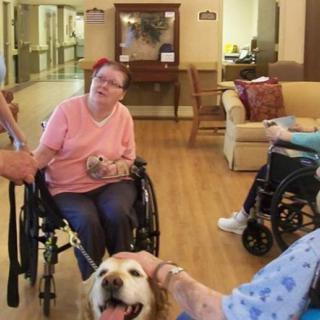
- The staff provide a warm, home-like environment with loving care and a beautiful valley view.
- The staff were caring, gentle, and sweet, even during difficult times.
- The nurses answered questions quickly, reflecting excellent, responsive care.
Cons
 They warned that no one should be placed there due to very low quality standards of care.
- They described the staff and management as HORRIBLE, AWFUL, and RUDE, and did not recommend the place.
- They called Valley View the most unprofessional, non-patient-centered care facility they had seen, citing mistreatment and unnecessary sedation of a relative and delays in records.
- They portrayed the administrator as a poor excuse for leadership who didn’t even know where the main headquarters were and who was verbally aggressive when records were requested.
- They claimed the facility cares about money rather than patients' best interests and is a for-profit institution.
- They criticized the facility for not listening to families' wishes.
Review
Valley View Care & Rehab Center is best suited for families seeking a warm, home-like environment where post-hospital rehabilitation is delivered with evident compassion and daily personal attention. The community shines for residents who value a caring staff, a relational approach to care, and a setting that feels like family rather than a clinical institution. When proximity to loved ones and a scenic view are important, and when the goal is a supportive, encouraging atmosphere that motivates participation in activities and social connections, Valley View is a compelling option. This is a place where the vibe and the people, the frontline caregivers and nurses, leave a lasting, reassuring impression for those prioritizing humanized care during recovery.
Those weighing alternatives should consider whether a consistently uniform level of clinical oversight and strict administrative responsiveness are non-negotiable. Some families report serious concerns about management and staff conduct, including allegations of rude interactions, difficulties getting records, and perceptions that decisions were influenced by cost or convenience rather than resident welfare. Others describe situations where sedation or treatment decisions did not align with family input or clinical recommendations, raising red flags for residents with complex medical or behavioral needs. For families that cannot accept such governance gaps or who demand rigorous, transparent processes, exploring other facilities is prudent.
On the positive side, the strongest pros revolve around the caregiving ethos. Staff are frequently praised for going beyond the call of duty, with nurses who answer questions quickly and aides who demonstrate genuine warmth. The atmosphere is repeatedly described as nurturing, with residents participating in activities, forming friendships, and feeling cared for in a way that makes the recovery journey feel manageable. The setting, view, comfort, and a “home” feel, adds to mood and engagement, which matters for motivation and adherence to rehab plans. For many families, this compassionate culture more than compensates for the inevitable bumps in daily operations.
Yet the cons carry weight that cannot be ignored. Several families recount experiences that spark real concern about safety and accountability: indications of poor communication, perceived lack of respect for family wishes, and staff turnover that undermines continuity of care. The most alarming notes center on alleged mistreatment and mismanagement, including allegations of sedating residents and slow or obstructed access to medical records. These voices suggest a pattern that, in some cases, erodes trust and can threaten the core objective of rehab, clear, coordinated, person-centered care.
These pros and cons create a nuanced balance. The care and warmth reported by many families offset the emotional and social needs of residents who respond well to affectionate, attentive staff and a home-like environment. In such cases, meaningful progress in rehab and a dignified daily experience can be achieved, with loved ones feeling reassurance from caregivers who treat residents as family. However, the more serious concerns about governance, consistency, and responsiveness cannot be dismissed; they raise legitimate questions about safety, governance, and long-term satisfaction, especially for residents requiring steady and clear medical decision-making.
For families making a decision, the practical path is direct and rigorous. Conduct a targeted tour focused on care planning and day-to-day operations: observe nurse-to-patient interactions, ask for the current staffing mix on different shifts, request recent care plans, and verify how family input is documented and acted upon. Probe the admissions process and the transparency of records, especially around medications and changes in treatment. If clinical certainty, reliable communication, and a governance standard that aligns with family expectations are non-negotiable, alternatives should be pursued. If a resident thrives on personal warmth, meaningful social engagement, and the kind of staff dedication that often translates into better mood and motivation, Valley View merits substantial consideration, approached with clear questions and careful judgment.
 76 resident community capacity
 Skilled Nursing Facility
 Air-conditioning
 Beauty salon
 Cable or satellite TV
 Computer center
 Dining room
 Fitness room
 Fully furnished
 Gaming room
 Garden
 Housekeeping services
 Kitchenette
 Move-in coordination
 Outdoor space
 Private bathrooms
 Restaurant-style dining
 Small library
 Telephone
 Wellness center
 Wi-Fi/high-speed internet available
 Community operated transportation
 12-16 hour nursing
 24-hour call system
 Activities of daily living assistance
 Assistance with bathing
 Assistance with dressing
 Assistance with transfers
 Diabetes diet
 Medication management
 Mental wellness program
 Special dietary restrictions
 Concierge services
 Planned day trips





 Is a Geriatric Care Manager the Right Choice for Your Family?
 Compassionate Conversations: How to Comfort Someone Who Is Grieving
 Home Health Care Aides: Understanding Their Role and Supporting Your Family