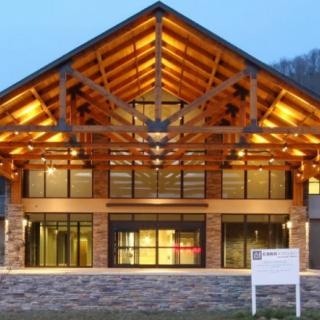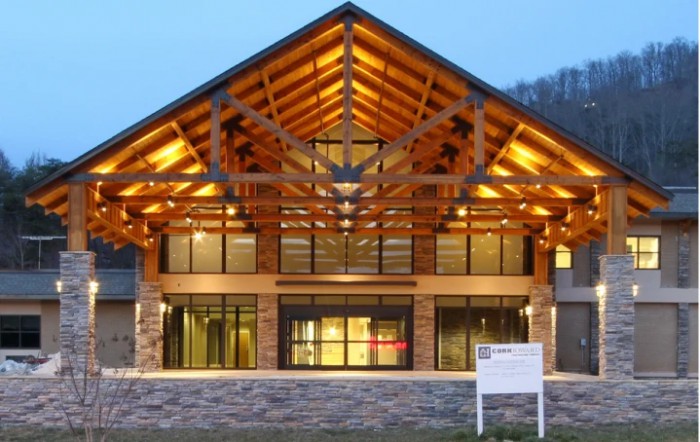
386 Belaire Drive, Hiawassee, GA 30546
For more information about senior living options: (866) 208-4318
Overall Review of Chatuge Regional Nursing Home
Pros
 The residents feel grateful and thankful for the staff.
- The facility is a great place to be, and it comes highly recommended to others seeking a new home.
- The staff are dedicated to providing great care to residents across all departments.
- The home is consistently clean and odor-free.
- Residents enjoy numerous activities and outings that keep them engaged.
- The care is structured and ongoing, with families able to participate in care plan meetings.
- The setting in the North Georgia mountains offers beautiful, inspiring views.
Cons
 The facility is described as a death trap with a lack of care that led directly to a resident’s death.
- The staff are not properly trained and are understaffed, failing to provide the care residents need.
- The staff did not follow doctors’ orders and forgot to administer medications that could have prevented death.
- Feeding and hydration were neglected, leading to aspiration and pneumonia.
- Residents were left in unsafe positions and not adequately monitored, sometimes found in dangerous postures.
- Hygiene was lacking, with bed sores and dirty diapers reported.
Review
Chatuge Regional Nursing Home in Hiawassee, GA is best suited for seniors who want a tightly-knit, home-like community where staff members are repeatedly described as caring and committed, and where residents can stay engaged through structured activities and regular care-planning meetings. The setting appeals to those who value cleanliness, a comforting routine, and the chance to build personal relationships with caregivers who see themselves as part of the resident’s extended family. For residents with mobility or health challenges who don’t require constant intensive medical supervision, CRNH can offer a stable, supportive environment and a sense that “home” is still achievable within a skilled-nursing framework.
That said, potential residents and their families should explicitly consider alternatives if safety and reliability are non-negotiable priorities. Several reviews flag serious red flags around staffing and responsiveness, with complaints ranging from delayed communication to accusations of neglect and harm. While others praise the staff’s dedication, the inconsistent experiences create a clear warning: a facility’s strengths can coexist with significant perceived or real lapses in supervision, training, and timely care. Families should weigh the risk tolerance for staffing variability and be prepared to scrutinize daily operations and incident reports rather than rely on surface impressions alone.
The strongest positives at CRNH center on daily life and the consistency of caregiving when it is present. Residents describe a clean environment that avoids the pervasive odors common in some nursing homes, and they highlight meaningful activities and social events, things like chili cook-offs and other outings, that give the day-to-day routine a sense of purpose and community. The facility’s location in the scenic Northeast Georgia Appalachian region also matters: the views and setting contribute to well-being and provide a calm backdrop for routine care. Crucially, families report that care plans are formally reviewed at triage-style, three-month intervals, with opportunities to weigh in and tailor procedures to the resident’s evolving needs.
However, the downside is equally tangible and cannot be ignored. Understaffing appears as a recurrent concern in several accounts, with caregivers facing physically demanding, labor-intensive duties and feedback that response times can falter when staff are stretched. Even where residents are satisfied with the care delivery, the fear of lapses, missed meals, delayed hydration, or insufficient monitoring, looms and raises questions about consistency during shift changes or peak periods. Additional alarms come from claims of disjointed adherence to physicians’ orders and variable hygiene outcomes; though these reports are not uniformly echoed, they underscore a fundamental truth: the quality of care at CRNH hinges on reliable staffing, vigilant supervision, and rigorous adherence to medical directives.
Given these dynamics, families should approach CRNH with a precise playbook for due diligence. Ask directly about current staffing ratios by shift, turnover rates, and ongoing training initiatives. Request a transparent review of recent incident logs, medication administration practices, and any corrective action taken after concerns were raised. Observe how staff communicate with residents and family members during visits, and evaluate responsiveness to phone calls and visit requests. Review the care-planning process in action, including who participates in meetings and how goals are updated. Finally, verify the facility’s commitment to preventing common complications, hydration, nutrition, skin integrity, and respiratory health, through concrete protocols and measurable outcomes.
In the end, CRNH represents a practical, if imperfect, option for families who prioritize a community-oriented atmosphere, staff who truly express care, and a setting that feels like a neighborly home rather than a sterile institution. It is a strong fit for residents who are comfortable with a well-implemented routine, where family engagement and structured care planning can meaningfully shape daily life. Families should proceed with a disciplined, fact-driven assessment: visit with diverse times of day, request detailed staffing and incident data, and insist on visible, ongoing oversight. If a loved one requires consistently impeccable safety records, rapid administrative responsiveness, or highly specialized medical attention, alternative communities with stronger continuity in staffing and stricter care-monitoring frameworks may be more suitable.
 112 resident community capacity
 Skilled Nursing Facility
 Air-conditioning
 Beauty salon
 Cable or satellite TV
 Computer center
 Dining room
 Fitness room
 Fully furnished
 Gaming room
 Garden
 Housekeeping services
 Kitchenette
 Move-in coordination
 Outdoor space
 Private bathrooms
 Restaurant-style dining
 Small library
 Telephone
 Wellness center
 Wi-Fi/high-speed internet available
 Community operated transportation
 12-16 hour nursing
 24-hour call system
 Activities of daily living assistance
 Assistance with bathing
 Assistance with dressing
 Assistance with transfers
 Diabetes diet
 Medication management
 Mental wellness program
 Special dietary restrictions
 Concierge services
 Planned day trips




 A Detailed Exploration of Living Wills and Advance Directives
 Comprehensive Guide to Medicare Coverage for Hospice Care
 Caring for Those Who Care: Recognizing, Understanding, and Overcoming Caregiver Burnout