For more information about senior living options: (866) 208-4318
2.5 from 110 reviews
5 stars
32
4 stars
7
3 stars
5
2 stars
8
1 stars
58
Overall Review of A Holly Patterson Extended Care Facility
differentiator6 reviews mention this
Recent management changes stand out
Recent management and nursing leadership changes are frequently credited for improvements.
Several reviews describe a shift with new administration or nursing leadership, with families saying they saw problems get addressed after that change. A number of the positive comments also tie the facility’s day-to-day feel—cleanliness, leadership attention, and residents appearing happier—to the same management period. On the other hand, many negative reviews don’t mention management changes at all, so satisfaction seems mixed across experiences and timeframes.
caveat12 reviews mention this
Cleanliness and odors are mixed
Reviews disagree sharply on cleanliness, including reports of strong odors.
Some residents and families praised the facility as clean and well maintained, including comments about reduced smells and housekeeping keeping rooms tidy. Other reviewers reported the opposite—units smelling strongly (including urine or vomit), and describing dirty, unpleasant conditions. Because both themes appear repeatedly, cleanliness may vary by unit, timeframe, or how visitors perceived conditions during their stay.
common3 reviews mention this
Food quality and dining experience
Food is discussed often, with both praise and complaints.
A few reviews mention the dietary department offering variety, and one describes food service as having multiple choices for residents. Others describe food as crummy or unpleasant-smelling. There are also comments about practical details around getting food delivery handled smoothly, suggesting dining logistics are not consistently experienced the same way.
caveat4 reviews mention this
Communication and follow-through concerns
Some families report difficulty getting timely answers and updates.
Several reviews criticize getting in touch—describing unreturned phone calls, limited daily updates, or being unable to reach staff for information. Other comments point to delays and confusion around requests or paperwork during a stay. While some reviews praise staff responsiveness, these recurring communication complaints are a notable downside for families seeking timely follow-through.
How we summarize
Counts show how many written reviews mention each theme; a review can touch several themes, and only frequently mentioned themes are displayed.
Features
Housing
589 resident community capacity
Types of Care
Skilled Nursing Facility
Amenities
Air-conditioning
Beauty salon
Cable or satellite TV
Computer center
Dining room
Fitness room
Fully furnished
Gaming room
Garden
Housekeeping services
Kitchenette
Move-in coordination
Outdoor space
Private bathrooms
Restaurant-style dining
Small library
Telephone
Wellness center
Wi-Fi/high-speed internet available
Transportation
John F Kennedy International (11 miles away)
LaGuardia (16 miles away)
Community operated transportation
Transportation arrangement
Transportation arrangement (non-medical)
Transportation to doctors appointments
Care Services
12-16 hour nursing
24-hour call system
24-hour supervision
Activities of daily living assistance
Assistance with bathing
Assistance with dressing
Assistance with transfers
Diabetes diet
Meal preparation and service
Medication management
Mental wellness program
Special dietary restrictions
Dining
Diabetes diet
Special dietary restrictions
Activities
Community-sponsored activities
Concierge services
Fitness programs
Planned day trips
Resident-run activities
Scheduled daily activities
Nearby Places of Interest
Restaurants
McDonald's (0.7 miles)
Marriott Concierge Lounge (1.6 miles)
Sonic Drive-In (1.6 miles)
Dave & Buster's (3.1 miles)
The Cheesecake Factory (3.2 miles)
Chick-Fil-A (3.2 miles)
Grand Lux Cafe (3.3 miles)
Pharmacies
CVS Pharmacy (1.6 miles)
CVS Pharmacy (1.7 miles)
Walgreens (2 miles)
Walgreens (2 miles)
CVS Pharmacy (2.6 miles)
CVS Pharmacy (2.6 miles)
Walgreens (3 miles)
Parks
Eisenhower Park (1.9 miles)
Coes Neck Park (1.9 miles)
Hempstead Lake State Park (3.6 miles)
Newbridge Road Park (4.1 miles)
Newbridge Dog Park (4.3 miles)
Oceanside Park (6 miles)
Hospitals
Nassau University Medical Center (2.3 miles)
Winthrop University Hospital (4.2 miles)
Winthrop University Hospital New Life Center (4.2 miles)
Kaur Rupinder P Do South Nassau Family Medicine Oceanside (4.3 miles)
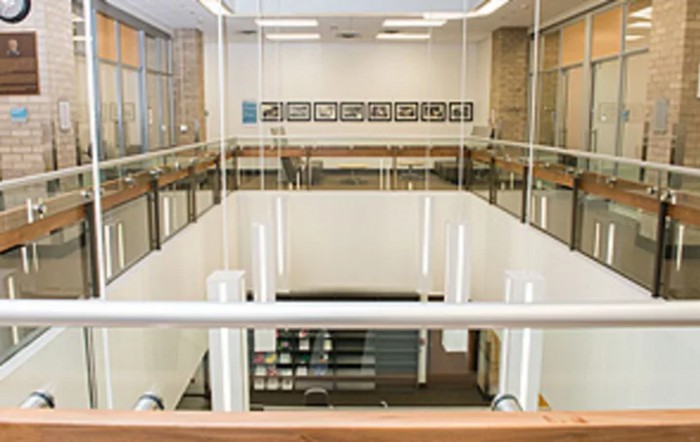
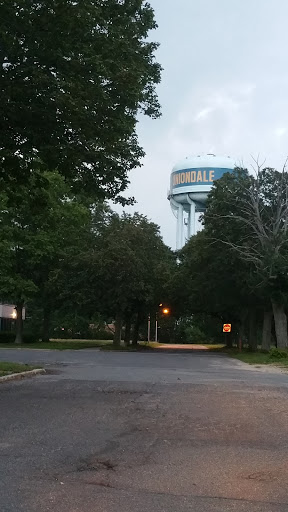
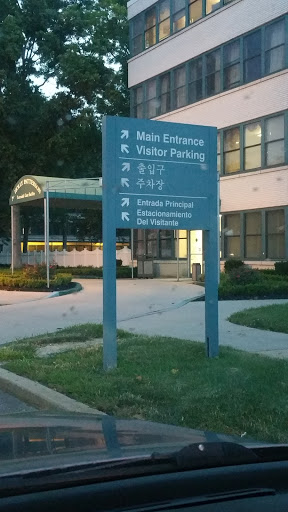
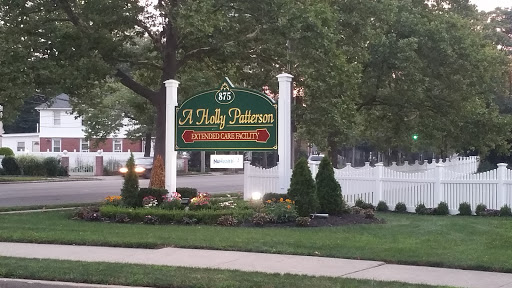
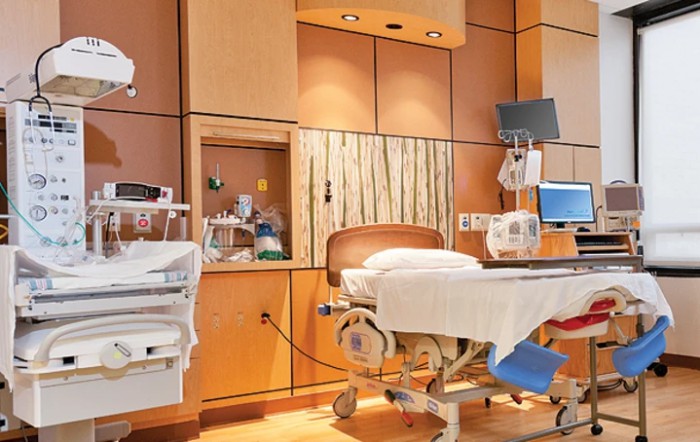
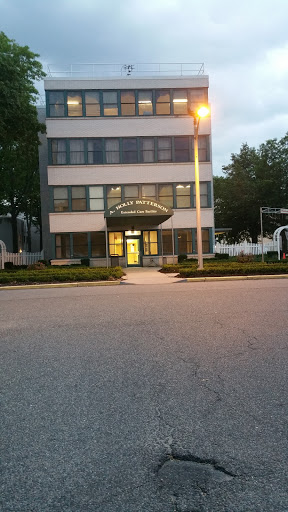
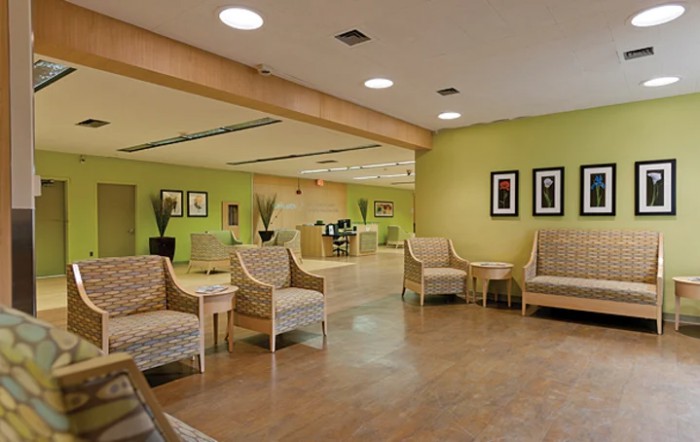
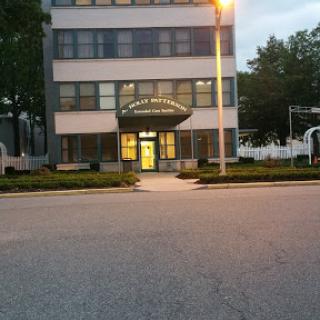
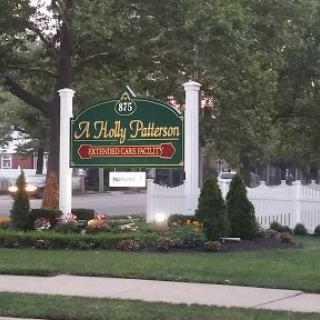
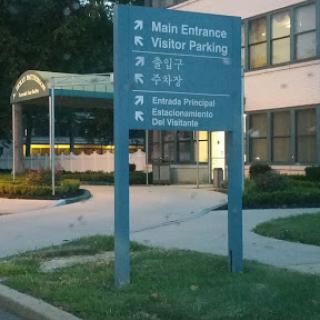
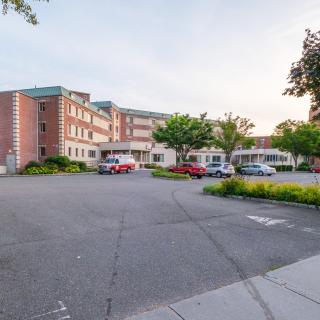
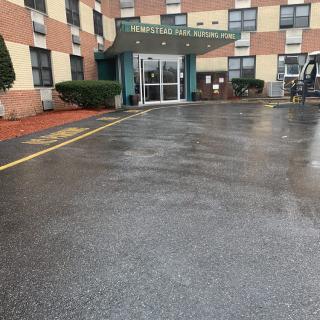
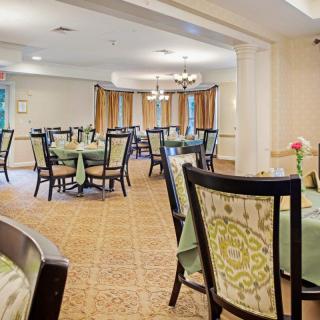
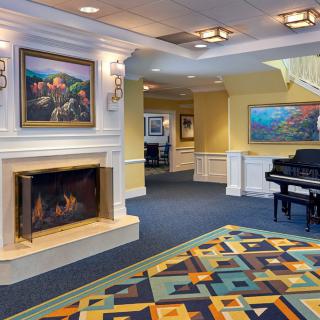
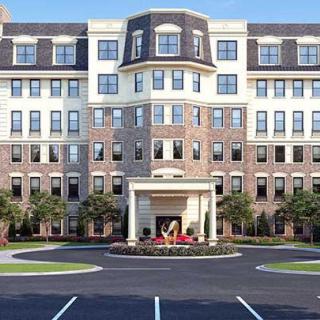
A Holly Patterson Extended Care Facility on seniors.fyi includes 9 photos including images showing landscaping, outdoor, building, interior, architecture, entrance, parking, bedroom, and more.
Home health care offers a range of clinical services provided in a patient's home, including nursing and therapy, tailored to individual needs, particularly for aging seniors with chronic conditions. This approach enhances patient independence, promotes better disease management, and utilizes technology for real-time monitoring while fostering collaboration among healthcare providers and family members.
Seniors benefit from ride-hailing services like Uber and Lyft, which provide convenient and accessible transportation options that promote independence and social engagement, while addressing mobility challenges. These platforms have adapted to meet senior needs with user-friendly features and safety measures, although costs can be a concern; community programs may help subsidize rides for older adults.
The guide outlines the eligibility criteria for home health care services, emphasizing clinical requirements, insurance options, and application processes. It distinguishes between Medicare's strict and Medicaid's flexible qualifications while addressing challenges families may face in securing necessary care at home.
Get PricingAsk A QuestionSchedule A TourContact Senior Advisor
By clicking submit, you agree to our Partner's Terms of Use. You
also consent to receive calls and texts, which may be autodialed, from our Partner. Your consent is not a condition to
using our Partner's service. Please visit our Partner's Privacy Policy for information about their privacy practices.







 589 resident community capacity
 Skilled Nursing Facility
 Air-conditioning
 Beauty salon
 Cable or satellite TV
 Computer center
 Dining room
 Fitness room
 Fully furnished
 Gaming room
 Garden
 Housekeeping services
 Kitchenette
 Move-in coordination
 Outdoor space
 Private bathrooms
 Restaurant-style dining
 Small library
 Telephone
 Wellness center
 Wi-Fi/high-speed internet available
 John F Kennedy International (11 miles away)
 Community operated transportation
 12-16 hour nursing
 24-hour call system
 Activities of daily living assistance
 Assistance with bathing
 Assistance with dressing
 Assistance with transfers
 Diabetes diet
 Medication management
 Mental wellness program
 Special dietary restrictions
 Concierge services
 Planned day trips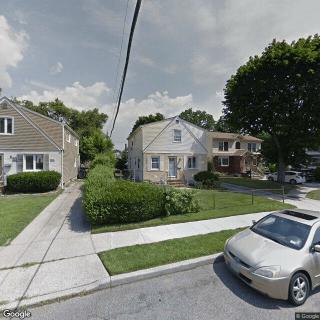
 Strong access to nearby amenities (pharmacies, doctors, hospitals, parks, restaurants, worship).

 Home Health Care Demystified: A Comprehensive Guide for Families and Caregivers
 Seniors and Modern Transportation: Exploring Uber, Lyft, and Other Ride-Hailing Options
 Comprehensive Guide to Qualifying for Home Health Care Services