Oneonta Nursing Home in Oneonta, NY
Save
Information last verified:
330 Chestnut St, Oneonta, NY 13820
For more information about senior living options: (844) 490-3973
Best suited for short-term rehab goals where the priority is rapid, facility-based therapy and a visibly compassionate therapy team. When therapy is the primary objective, this community can deliver meaningful progress thanks to dedicated physical and occupational therapists, attentive aides, and a kitchen and activity staff that contribute to a livelier, engaged environment. Families that can stay closely involved and insist on clear rehab plans will often see solid gains for returning home. However, this is not a place to assume consistent, around-the-clock quality in every shift; the experience hinges on staffing levels that can swing from excellent to perilously uneven.
Those considering alternatives should note that reliability in safety, medication management, and daily responsiveness remains a key concern here. For residents who require steady, 24/7 supervision, consistent call-bell response, or meticulous attention to falls prevention and hygiene, other facilities may offer more predictable outcomes. The most serious red flags cited by multiple families, unanswered call bells, delayed assistance, and instances of neglect, are enough to push families toward other options, especially for long-term care residents or individuals with complex medical needs.
On the plus side, when staffing aligns and communication stays open, the therapy-focused core shines. Reviews frequently praise the rehab team for getting residents back on their feet quickly, with several accounts of meaningful mobility gains and well-coordinated discharge planning. Administration and social services are repeatedly mentioned as responsive, offering help with insurance and discharge logistics. A number of residents and families applaud the culinary team and activity staff, noting engaging programs and quality meals as meaningful supports to overall well-being. These strengths demonstrate that the facility can perform at a high level under the right conditions.
Yet the strongest counterweight remains the pattern of understaffing and inconsistent care that permeates many accounts. Reports of rude or overwhelmed supervisors, hours-long waits for assistance, and personal equipment not being properly managed create real safety and dignity concerns. The most alarming anecdotes involve medication handling and infection risk, with claims of pills left in hallways, gaps in monitoring, and even serious outbreaks. Some families describe a troubling culture where neglect slips through the cracks during busy shifts, or where discharge practices feel financially rather than medically motivated. Such reports cannot be dismissed.
There are clear signs of gradual improvement under new ownership in portions of the facility, and several families report decisive, positive experiences tied to particular staff members and departments. Where administration is proactive, and where therapy, nursing, and housekeeping communicate well, residents do well and families feel reassured. For families evaluating this community, the prudent path is to confirm that current staffing levels are sufficient, that call bells and safety devices are functioning, and that a concrete, time-bound rehab plan is in place with regular progress updates. If those assurances are not forthcoming, or if recent incidents persist, pursuing alternatives is the wiser course.
In the end, the decision hinges on risk tolerance and rehab expectations. If the priority is a robust, results-driven rehab trajectory and family advocacy can be sustained to monitor care, this community can deliver meaningful benefits. If reliability, safety, and consistent staff responsiveness are non-negotiable, potential buyers should widen the search and request detailed, up-to-date metrics on staffing ratios, incident reports, and medication administration practices before committing. The choice should favor transparency, tangible progress indicators, and a clear plan that protects dignity and safety above all.
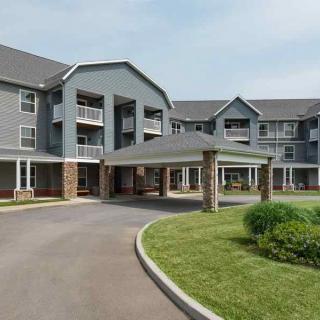
The Oneonta Nursing Home is a well-located assisted living community situated in Oneonta, NY. This facility offers a convenient and comfortable living environment for seniors looking for assistance with daily tasks and personalized care.
Residents of the Oneonta Nursing Home can enjoy the surrounding neighborhood, which boasts numerous amenities nearby. There are five cafes in close proximity, providing residents with options for socializing or enjoying a cup of coffee. Additionally, there is one park nearby where residents can take leisurely walks or relax amidst nature.
For any medical needs, the community is conveniently surrounded by three pharmacies and twelve physicians' offices. This ensures quick access to medication and healthcare services whenever needed. In case of emergencies or specialized treatments, there are also two hospitals located nearby for added peace of mind.
When it comes to dining out or trying new cuisines, residents have plenty of choices with thirty-three restaurants within reach. Whether they prefer fine dining or casual eateries, there is an array of options to suit every taste and occasion.
Transportation is made easy with one transportation option available near the community, ensuring residents can easily access off-site activities, appointments, or visits to local attractions.
For spiritual engagements and religious services, there are six places of worship located nearby that cater to various faiths. This allows residents to maintain their spiritual connections and attend religious gatherings if desired.
Overall, the Oneonta Nursing Home offers a vibrant community where seniors can enjoy quality care while benefiting from the numerous amenities close by. The combination of diverse food options, accessible medical services, recreational parks, and cultural opportunities make this assisted living community an ideal choice for seniors seeking both comfort and convenience in Oneonta's delightful surroundings.
This part of Oneonta, New York offers a variety of amenities and services that may be appealing to seniors looking for a comfortable and convenient living environment. The area features a range of dining options such as Iron Chef Buffet, Sloan's New York Grill, and Nick's Diner and Pizzeria, providing diverse choices for meals. There are several pharmacies in close proximity including Rite Aid and Walgreens for easy access to medications and health supplies. In terms of healthcare, there are reputable facilities like Bassett Healthcare Network–Oneonta Specialty Services and UHS Pediatrics nearby. Additionally, there are cafes like Table Rocks and Yellow Deli where seniors can enjoy a cup of coffee or tea with friends. Places of worship such as Temple Beth El and Community Gospel Church offer spiritual support within the community. For recreation, parks like Fortin Park and Gilbert Lake State Park provide opportunities for outdoor activities. Overall, this area provides a well-rounded environment with essential services for seniors considering senior living in Oneonta.
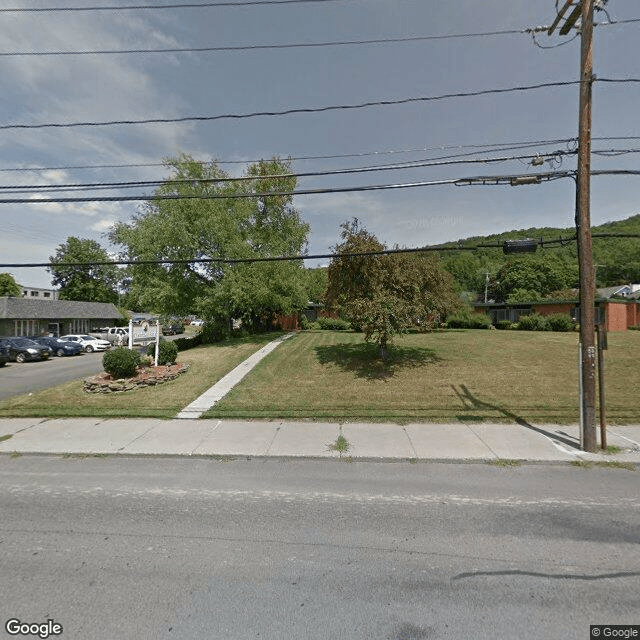
Oneonta Nursing Home is located at 330 Chestnut St, Oneonta, NY 13820 in Otsego County, New York
Fecal Incontinence in Older Adults: A Comprehensive Guide

Fecal incontinence, prevalent among older adults, arises from factors like weakened pelvic muscles and nerve damage, significantly affecting well-being and social interactions. Diagnosis involves clinical evaluation and tests to inform tailored treatments, while caregivers and preventive measures can aid in managing the condition effectively.
Recognizing the Journey: Understanding and Navigating Anticipatory Grief

Anticipatory grief is an emotional response to the impending loss of a loved one, characterized by complex emotions such as sadness and anger, and involves navigating stages similar to those identified by Kübler-Ross. Coping strategies are vital for managing this process, emphasizing compassionate communication, self-care, and support groups while recognizing the cultural influences on grieving.
Encouraging Participation in Adult Day Care: A Guide to Supporting a Hesitant Parent
Adult day care programs offer essential support and activities for older adults, yet many hesitate to participate due to concerns about independence and stigma. To alleviate these apprehensions, families should facilitate open discussions, explore financial resources, suggest trial visits, and collaborate with healthcare providers to highlight the benefits of such services for both the participants and their caregivers.