The New Jewish Home - Manhattan in New York, NY
SaveInformation last verified:
120 West 106Th Street, New York, NY 10025
For more information about senior living options: (844) 490-3973
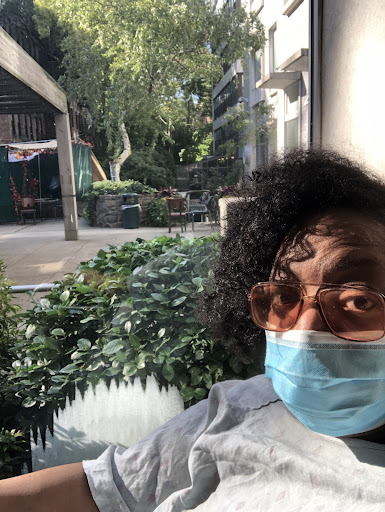
 The staff are incredibly caring, smart, and kind. The New Jewish Home provides therapy six days a week with outstanding staff. Rehab therapists and the overall treatment team are highly skilled and supportive. The facility is clean, welcoming, and well-run, with a beautiful garden. Doctors, nurses, social workers, and aides are consistently in touch and truly committed to high-quality care. The campus offers a robust calendar of activities and meaningful recreational programs. The SkillSpring program and volunteer opportunities are valuable and supportive for residents. Care meetings via FaceTime and other outreach show excellent communication and involvement with families. The organization is described as exceptional, delivering compassionate, high-quality care. The garden, koi pond, and turtles create a pleasant environment that residents and families enjoy.
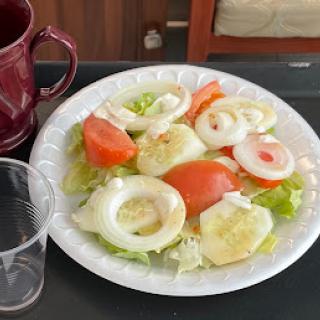
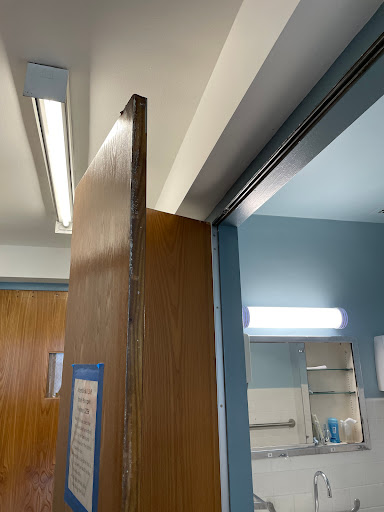
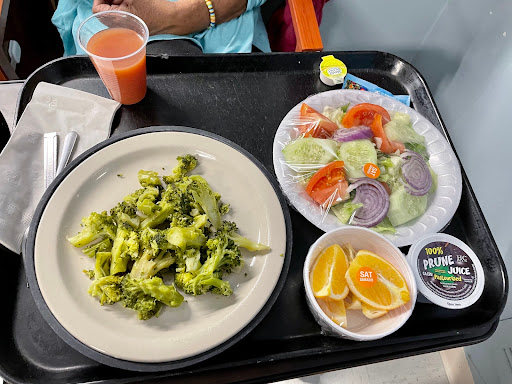
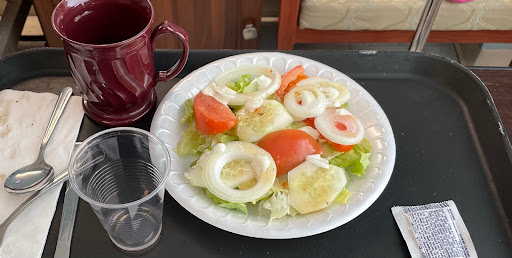
 They described the facility as a hellhole and a danger to patients, saying it should be shut down. They reported staff as hostile and emotionally abusive, even dismissing a patient’s screams for help as dramatic. They stated vegetarian meals were considered too much trouble and that patients were told to accept urinating in bed. They criticized understaffing and overworked staff, leading to neglect and inconsistent care. They noted rooms and bathrooms smelled of urine and were not cleaned properly. They claimed personal belongings were mishandled or discarded, including a wedding ring and other items. They described the food as terrible—soggy vegetables, rock-hard fish or chicken, and generally unpalatable. They described the environment as dirty, with filth, pests, and poor sanitation.
The New Jewish Home in Manhattan is best suited for families seeking aggressive, outcome-focused rehabilitation and skilled nursing with strong medical oversight, especially on the Upper West Side. This campus has repeatedly demonstrated its ability to mobilize multidisciplinary rehab teams, with on-site physician input from Mt. Sinai affiliates, and therapy teams that push patients to regain walking, balance, and speech after surgeries or strokes. The environment supports recovery through daily PT/OT/SLP, a well-regarded therapy schedule (often six days a week for serious rehab cases), and a comprehensive care planning process that includes social workers who coordinate transitions back home or to lesser-level skilled care. For families prioritizing measurable functional gains, clear care goals, and access to a garden, an aviary, and other enrichment programs, TNJH presents a compelling rehab-centric proposition.
Those weighing alternatives should be aware of the facility’s more mixed long-term performance signals. Several reviews flag serious concerns about long-term care: chronic understaffing, weekend gaps, and inconsistent responsiveness to call bells, with reports of housekeeping and sanitation lapsing in ways that undermine comfort and safety. There are repeated accusations of neglect, unmet hygiene needs, and difficulty obtaining timely updates from clinicians or administrators. For families whose loved ones require constant custodial care, consistent housekeeping, or a pristine daily routine, these recurring themes suggest that alternatives with stronger daily reliability and housekeeping standards may be preferable. For residents who cannot advocate vigorously for themselves or who live far away and depend on staff to steer care, the risk holiday of gaps becomes a critical factor.
On the positive side, the pros are substantial and often specific. Families frequently praise the core rehab ecosystem: therapists who are patient, skilled, and persistent; nurses and aides who deliver attentive bedside care; and a cadre of social workers who keep families informed and engaged through discharge planning and ongoing updates. Several reviewers highlight individual clinicians by name who made meaningful differences in mobility, wound care, or daily function, and they describe clear, measurable improvements in strength and independence. The campus also earns points for a rich social and cultural program, a warm garden setting with koi and turtles, and chaplaincy/fellowship services that help residents stay connected to their values and community. This blend of clinical excellence and human connection is a durable strength that can offset some of the systemic pressures the building sometimes carries.
Yet the spectrum of consumer experiences cannot be ignored. A sizable portion of reviews describes rooms that smell of urine, inconsistent housekeeping, and food that ranges from adequate to poor. There are persistent complaints about the dining experience, with some residents finding meals unpalatable or lacking protein, while others report chef-level quality that supports healing. The most alarming critiques focus on perceived neglect or mismanagement: delayed responses to telltale alarms, disorganized communication with families, and allegations of patient belongings being mishandled or discarded. A recurring thread is that the care floor can feel understaffed, especially on weekends, with aides and nurses stretched thin and families compelled to advocate loudly to obtain basic services. These experiences paint a cautionary backdrop to the facility’s clinical strengths.
How the positives and the negatives balance out depends on the care objective and the risk tolerance of the family. For someone pursuing post-acute rehab with ambitious mobility goals, TNJH is a strong contender: the therapy teams, doctor presence, and daily structured activities tend to yield tangible progress, and the garden and social calendar provide meaningful engagement that supports psychological recovery. For long-term care where consistent, predictable daily care, pristine sanitation, and reliable staffing are non-negotiable, the drawbacks described by many families cannot be ignored. The same facility that helps one resident walk again can, in another story, fall short of basic daily care expectations perceived as standard elsewhere. Families should insist on transparent conversations about staffing ratios, recent health inspections, and concrete care protocols before committing long-term.
The practical path for decision-making is explicit. First, define the primary aim: is the loved one most in need of aggressive rehab and medical oversight, or is long-term custodial care the dominant requirement? If rehab is paramount, schedule thorough tours, insist on meeting the rehab director and several therapists, and request current discharge-to-home metrics and patient mobility trajectories. Verify the availability of on-site MD presence, wound-care capabilities, and the ability to tailor therapy intensity to the individual’s tolerance. If long-term care is the driver, request a floor-by-floor visit at several times of day, speak with current residents and families about housekeeping, meals, and call-back times, and obtain a detailed written plan for every daily activity, hygiene routine, and nutrition. In any case, compile a candid list of questions about food service, odor control, laundry, and incident reporting, then compare with nearby options.
Ultimately, the Manhattan location of The New Jewish Home remains a compelling option for rehab-forward families who are willing to actively participate in care planning and monitoring. It offers proven clinical strengths, a robust activity calendar, and meaningful environmental amenities that can support recovery and emotional well-being. At the same time, care decisions should reflect a sober appraisal of reported staffing pressures, housekeeping consistency, and food quality. If the goal is to maximize rehab outcomes with engaged staff and accessible therapeutic resources, TNJH warrants serious consideration and diligent due diligence. If long-term, consistently spotless care with unwavering daily reliability is the priority, exploring alternatives with stronger track records in those domains is prudent.
 514 resident community capacity
 Skilled Nursing FacilitySkilled Nursing Facilities are crucial for seniors as they provide round-the-clock medical care, rehabilitation services, and assistance with daily activities. These facilities ensure that seniors receive the specialized care they need to maintain their health and well-being as they age.
 Air-conditioningAir conditioning is important for seniors as they are more vulnerable to heat-related illnesses and may have underlying health conditions that make it difficult for them to regulate their body temperature. It helps to keep them comfortable, safe, and healthy in hot weather.
 Beauty salonBeauty salons are important for seniors because they provide a space for them to feel pampered, socialize, and maintain their personal grooming and hygiene. Regular visits to a beauty salon can help boost seniors' self-esteem and overall well-being.
 Cable or satellite TVCable or satellite TV is important for seniors because it provides entertainment, news, and companionship, helping to combat loneliness and boredom. It also offers a wide range of programming options tailored to different interests and preferences.
 Computer centerA computer center is essential for seniors as it provides access to technology, communication tools, and resources that can enhance their daily lives. It allows them to stay connected with loved ones, engage in online activities, and learn new skills, ultimately promoting socialization and mental stimulation.
 Dining roomDining rooms are important for seniors as they provide a space for socialization, connection, and nutritious meals. They offer opportunities for residents to bond over shared meals, foster a sense of community, and promote healthy eating habits. Dining rooms also ensure that seniors have access to well-balanced meals tailored to their dietary needs and preferences.
 Fitness roomHaving a fitness room in a senior living community is essential for seniors to stay active, maintain their physical health, and improve their overall well-being. Regular exercise can help prevent falls, reduce the risk of chronic diseases, and promote mental sharpness. It also provides social opportunities for residents to connect with others and enjoy a sense of community.
 Fully furnishedFully furnished senior living communities are important for seniors because they provide convenience, comfort, and a hassle-free moving experience. Seniors can easily settle into their new living space without the stress of having to buy and move furniture. This allows them to focus on enjoying their new home and community.
 Gaming roomGaming rooms are important for seniors as they provide a fun and engaging environment for socializing, cognitive stimulation, and physical activity. Games can improve memory, problem-solving skills, and overall mental well-being while fostering friendships and reducing feelings of isolation.
 GardenGardens are important for seniors as they provide a peaceful and therapeutic environment for relaxation, physical activity, and socialization. Being in nature has been shown to reduce stress, improve mood, and promote overall well-being. Gardens also offer opportunities for seniors to engage in gardening activities, which can improve mobility, flexibility, and cognitive function. Additionally, gardens create a sense of community and connection with others who share a passion for plants and outdoor spaces.
 Housekeeping servicesHousekeeping services are important for seniors because they help maintain a clean and safe living environment, promote independence, and reduce the risk of accidents or illnesses. Additionally, having assistance with household chores can alleviate physical strain and allow seniors to focus on other aspects of their well-being.
 KitchenetteKitchenettes are important for seniors living in senior living communities because they provide the convenience and independence of being able to prepare simple meals and snacks in the comfort of their own living space. This can help promote a sense of autonomy and well-being for seniors, allowing them to maintain some level of control over their dietary choices and daily routines.
 Move-in coordinationMove-in coordination is important for seniors because it helps ease the transition into their new living environment. It ensures that all logistics, such as packing, organizing movers, and setting up utilities are taken care of, allowing seniors to focus on settling in and adjusting to their new home. Having a smooth move-in process can alleviate stress and anxiety, making the transition smoother and more enjoyable for seniors.
 Outdoor spaceOutdoor spaces are important for seniors as they provide opportunities for physical activity, social interaction, exposure to natural light and fresh air, and a sense of connection to nature. Having access to outdoor spaces can improve overall well-being and quality of life for older adults living in senior communities.
 Private bathroomsPrivate bathrooms are important for seniors in senior living communities because they provide independence, dignity, and comfort. Having a private bathroom allows seniors to maintain their personal hygiene routines without the need for assistance, promoting a sense of autonomy and privacy. Additionally, private bathrooms help prevent the spread of infections and provide a safe and clean environment for seniors to navigate safely.
 Restaurant-style diningRestaurant-style dining is important for seniors because it allows them to enjoy delicious, nutritious meals in a social and upscale setting. This enhances their dining experience, promotes healthy eating habits, and fosters socialization with fellow residents, ultimately contributing to their overall well-being and quality of life.
 Small librarySmall libraries are important for seniors as they provide access to a variety of reading materials, including books, newspapers, and magazines. This can help stimulate their minds, keep them engaged, and provide a sense of community through book clubs and other social activities. Additionally, reading has been shown to improve cognitive function and overall mental well-being in older adults.
 TelephoneTelephones are important for seniors as they provide a lifeline for communication with loved ones, emergency services, and healthcare providers. They offer a sense of security and independence, enabling seniors to stay connected and access assistance when needed.
 Wellness centerWellness centers are important for seniors because they offer a variety of programs and services that promote physical, mental, and emotional well-being. These centers provide opportunities for exercise, socialization, education, and relaxation, helping seniors maintain their overall health and quality of life.
 Wi-Fi/high-speed internet availableWi-Fi/high-speed internet is important for seniors to stay connected with loved ones, access online resources, and participate in virtual activities to combat feelings of loneliness and isolation. It also allows them to easily manage healthcare needs, access entertainment, and engage in lifelong learning opportunities.
 LaGuardia (5 miles away) Newark International (13 miles away) John F Kennedy International (15 miles away) Westchester Cty (23 miles away)
 Community operated transportationCommunity operated transportation is crucial for seniors as it provides them with the means to access essential services, social activities, and medical appointments. It allows seniors to maintain their independence and quality of life by ensuring they can participate in activities outside of their homes. Additionally, community-operated transportation services offer a safe and reliable way for seniors to travel without having to rely on family or friends for assistance. Transportation arrangementTransportation arrangements are crucial for seniors as they may face challenges with driving, mobility, or access to public transportation. Having reliable transportation services ensures that seniors can easily attend appointments, social activities, and maintain their independence and quality of life. Transportation arrangement (non-medical)Transportation arrangements are essential for seniors as they provide access to essential services, activities, and social interactions outside the home. This service helps maintain independence, mobility, and overall well-being for seniors who may have limited transportation options. Transportation to doctors appointmentsTransportation to doctors appointments is crucial for seniors as it ensures they have access to necessary medical care and support, promoting their health and well-being. It allows them to receive timely treatment, monitor existing conditions, and address any new health concerns efficiently. Additionally, transportation services can help seniors maintain their independence and quality of life by enabling them to stay connected with their healthcare providers.
 12-16 hour nursing12-16 hour nursing care is crucial for seniors in order to ensure around-the-clock monitoring, timely medication administration, and prompt response to any health concerns or emergencies. This level of care helps to promote the overall well-being and safety of seniors living in senior living communities.
 24-hour call system24-hour call systems are important for seniors because they provide peace of mind and immediate assistance in case of emergencies. This technology ensures that help is always available, promoting safety and security for elderly individuals living alone or in assisted living facilities. 24-hour supervision24-hour supervision is important for seniors to ensure their safety, well-being, and access to immediate assistance in case of emergencies or health issues. This constant support provides peace of mind for both seniors and their loved ones, allowing them to age in place with dignity and security.
 Activities of daily living assistanceActivities of daily living assistance are important for seniors because they provide essential support with tasks such as eating, bathing, dressing, and mobility. This assistance helps seniors maintain their independence, dignity, and overall quality of life as they age.
 Assistance with bathingAssistance with bathing is crucial for seniors as it helps maintain personal hygiene, prevents infections, and ensures their overall well-being and comfort. It also provides a sense of dignity and independence for seniors who may struggle with this task on their own.
 Assistance with dressingAssistance with dressing is important for seniors because it helps maintain their independence, promotes personal hygiene, prevents accidents and injuries, and improves overall quality of life. This service ensures that seniors can continue to dress comfortably and confidently, despite any physical limitations they may have.
 Assistance with transfersAssistance with transfers is crucial for seniors as it helps prevent falls and injuries, maintains their independence, and ensures they can safely navigate their living environment. It also provides peace of mind for both seniors and their loved ones.
 Diabetes dietA diabetes diet is crucial for seniors as it helps manage blood sugar levels, reduce risks of complications, and improve overall health and well-being. By following a balanced and nutritious diet tailored to their specific needs, seniors can better control their diabetes and enhance their quality of life. Meal preparation and serviceMeal preparation and service are crucial for seniors as they may have limited mobility or energy to cook nutritious meals. Having access to healthy and convenient food options can ensure they are getting the proper nutrition needed to maintain their overall health and well-being.
 Medication managementMedication management is crucial for seniors to ensure they are taking the right medications at the correct dosages and times. This helps prevent adverse drug interactions, reduces the risk of medication errors, and promotes overall health and well-being. Proactive management also allows for adjustments as needed based on changing health conditions or new prescriptions.
 Mental wellness programMental wellness programs are essential for seniors as they promote cognitive stimulation, emotional support, and social engagement. These programs help prevent isolation, depression, and cognitive decline, ultimately enhancing the overall quality of life for older adults.
 Special dietary restrictionsSpecial dietary restrictions are important for seniors because age-related changes in metabolism and health conditions can make it difficult for their bodies to process certain foods. By following a diet tailored to their specific needs, seniors can maintain their overall health and well-being, manage chronic conditions, and reduce the risk of complications such as malnutrition or food interactions with medications. Diabetes dietA diabetes diet is crucial for seniors as it helps manage blood sugar levels, reduce risks of complications, and improve overall health and well-being. By following a balanced and nutritious diet tailored to their specific needs, seniors can better control their diabetes and enhance their quality of life. Special dietary restrictionsSpecial dietary restrictions are important for seniors because age-related changes in metabolism and health conditions can make it difficult for their bodies to process certain foods. By following a diet tailored to their specific needs, seniors can maintain their overall health and well-being, manage chronic conditions, and reduce the risk of complications such as malnutrition or food interactions with medications. Community-sponsored activitiesCommunity-sponsored activities are important for seniors as they provide opportunities for social interaction, mental stimulation, and physical activity. These activities can help improve overall well-being, combat loneliness and isolation, and promote a sense of belonging and purpose among older adults.
 Concierge servicesConcierge services are essential for seniors as they provide assistance with daily tasks and errands, enhance their quality of life by offering convenience and personalized care, and promote a sense of safety and security. Fitness programsFitness programs are crucial for seniors as they help improve strength, flexibility, balance, and overall well-being. Staying active can reduce the risk of chronic diseases, improve mental health, and enhance quality of life in older adults.
 Planned day tripsPlanned day trips are important for seniors because they offer opportunities for socialization, mental stimulation, and physical activity. They provide a change of scenery and help seniors stay engaged and connected to their community, promoting overall well-being and quality of life. Resident-run activitiesResident-run activities are important for seniors as they encourage social interaction, creativity, and a sense of autonomy. These activities empower seniors to stay engaged and active in their community while fostering meaningful connections with their peers. Scheduled daily activitiesScheduled daily activities are important for seniors because they provide structure, socialization, mental stimulation, and physical activity. Engaging in regular activities can improve overall well-being and quality of life for seniors living in a community setting.
The New Jewish Home - Manhattan in New York, NY is a vibrant and welcoming assisted living community that offers a wide range of amenities and care services for seniors. Our residents enjoy a comfortable and fully furnished living space with private bathrooms and the convenience of cable or satellite TV and Wi-Fi/high-speed internet.
We understand the importance of maintaining an active lifestyle, which is why we provide a variety of activities to keep our residents engaged. From fitness programs to resident-run activities, planned day trips, and scheduled daily activities, there is always something fun to do at our community. Our concierge services are readily available to assist with any needs or requests.
At The New Jewish Home - Manhattan, we pride ourselves on providing top-notch care services for our residents. Our dedicated staff is available 24/7 to offer assistance with activities of daily living such as bathing, dressing, and transfers. We also have a mental wellness program in place to promote emotional well-being.
Nutrition is an important aspect of healthy aging, which is why we offer restaurant-style dining with special dietary restrictions catered for. Our experienced chefs prepare delicious meals while accommodating specific dietary needs such as diabetes diets or other special restrictions.
For added convenience, we provide transportation arrangement services for non-medical purposes as well as transportation to doctors' appointments. Move-in coordination ensures a smooth transition into our community.
Additionally, we take pride in our beautiful outdoor spaces and garden areas where residents can relax and enjoy the fresh air. Those who are interested can browse our small library or engage in friendly competition in the gaming room. A fitness room is available for those who wish to stay active.
Our location puts us close to various amenities that enhance our residents' quality of life. With six cafes, 19 parks, 35 pharmacies, four physicians nearby, 11 restaurants within reach, 16 transportation options nearby including community-operated transportation arrangements, one place of worship nearby, three theaters, and five hospitals, our residents have access to everything they may need.
The New Jewish Home - Manhattan is a warm and inclusive community where seniors can thrive and enjoy their golden years with peace of mind.
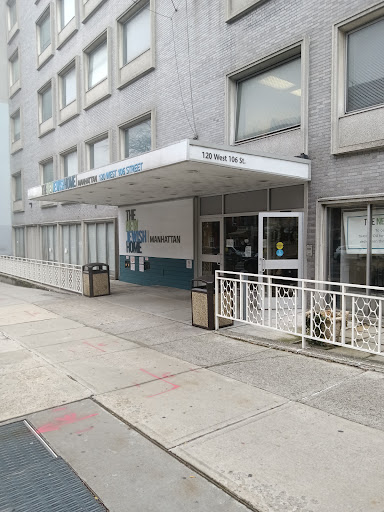
The New Jewish Home - Manhattan is located at 120 West 106Th Street, New York, NY 10025 in New York County, New York
The New Jewish Home - Manhattan on seniors.fyi includes 5 photos including images showing dining, building, lighting, landscaping, windows, entrance, urban, sidewalk, and more.
Griswold Home Care of Manhattan - New York, NY
New York, NY
Amsterdam Nursing Home (1992)
New York, NY
Attentive staff with strong rehab in a clean, amenity-rich facility.

Columbus Manor Inc
New York, NY
Urban location with abundant nearby amenities (dining, parks, healthcare, entertainment, worship).

Lott Community Home Health Care
New York, NY
Affordable pricing with extensive on-site amenities and 24-hour supervision.

Terence Cardinal Cooke Health Care Center
New York, NY
Strong rehab services with friendly, attentive staff.
5th Avenue Social Adult Day Care
New York, NY
Abundant nearby amenities and transport options support social and healthcare needs.
Sunrise of Edgewater
Edgewater, NJ
Caring staff with engaging activities and well-maintained facilities.
Waterford Towers
Edgewater, NJ
Affordable independent living with extensive on-site amenities and a social, hotel-like atmosphere.
Hudson View Care & Rehab Ctr
North Bergen, NJ
Compassionate staff and strong rehab in a clean, comfortable setting.
 8 Essential Assistive Devices for Older Adults
The article highlights eight essential assistive devices that improve the independence and safety of older adults, addressing issues related to mobility, balance, vision, hearing, and dexterity. It emphasizes the importance of proper selection guided by healthcare professionals to enhance seniors' quality of life while allowing them to age in place.
 Navigating the Financial Road to Nursing Home Care: In-Depth Guidance and Resources
The article offers detailed guidance on the financial complexities of nursing home care, covering costs, payment methods, and alternative funding strategies while emphasizing the importance of proactive planning and legal considerations for individuals and families making care decisions.
 Supportive Employee Benefits That Help Caregivers Attain Better Work-Life Harmony
The article emphasizes the critical role of supportive employee benefits for caregivers, advocating for flexible scheduling, paid leave, and mental health services to ease their challenges while enhancing employee well-being and organizational loyalty. It also highlights the importance of strong leadership in promoting these initiatives to foster a sustainable workplace culture that values caregivers.
Interior
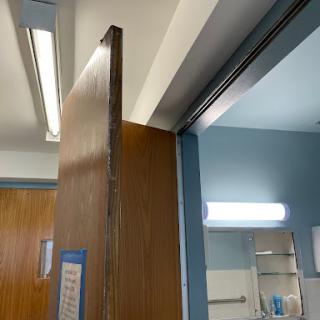
Building
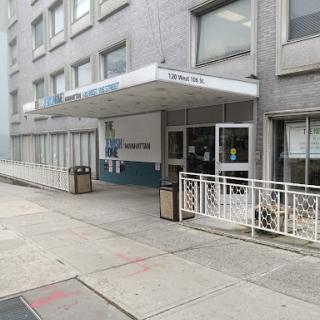
Windows

Dining

Vegetables