11 Murray Hill Drive, Mount Morris, NY 14510
For more information about senior living options: (866) 208-4318
Overall Review of Livingston County Center For Nursing And Rehab
Pros
 The Livingston County Center for Nursing & Rehabilitation is described as very good, very nice, and well taken care of.
- The food and staff are consistently good, with staff who are attentive, know what they’re doing, and genuinely care about the residents.
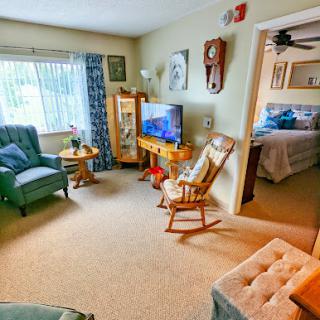
- The rooms are large and the facility is kept clean.
- The campus offers amenities such as a restaurant, a barber shop, and a computer room.
- The staff are very caring and keep families informed.
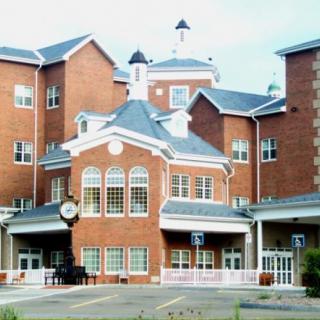
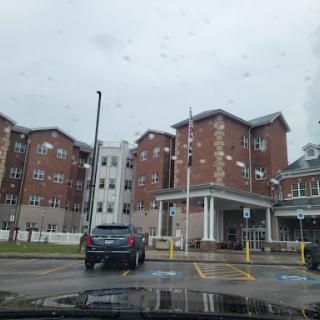
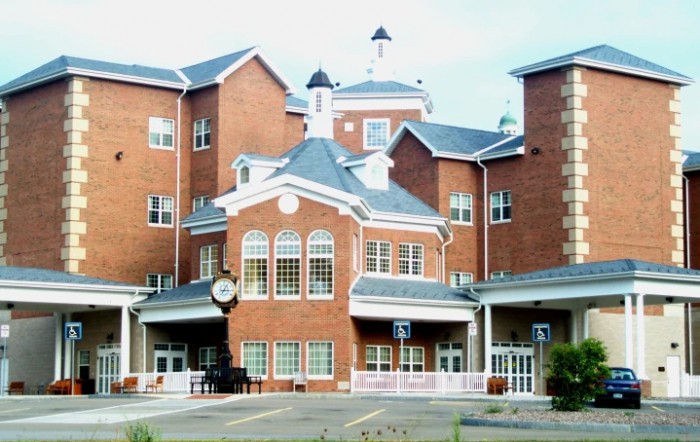
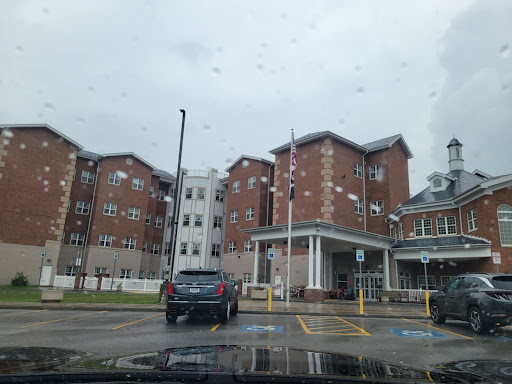
- It is regarded as one of the better facilities in upstate New York, with a beautiful building and a warm, inviting atmosphere.
- The nursing and aid staff are warm and readily accessible, always ready to assist residents.
Review
This community is best suited for seniors who need skilled nursing care or short- to medium-term rehabilitation and who place a premium on responsive staff, open family communication, and a warm, homelike atmosphere. The Livingston County Center for Nursing and Rehabilitation earns its strength from care teams that are attentive and proactive, and from a campus design that feels neighborhood-based rather than institutional. Residents benefit from amenities that support independence, an on-site restaurant, a barber shop, a computer room, and large, clean rooms that contribute to a sense of dignity. For families, the facility’s transparent updating and involvement are real advantages.
This setting may not be ideal for those seeking a quiet, ultra-streamlined environment or highly specialized memory care without confirming the specific services offered. Families who want a single-building, more clinical feel, or those who prioritize extremely low noise and minimal foot traffic, might prefer other options in the area. Additionally, anyone with an exceptional need for very small, private spaces or a different culture of care should compare options to ensure alignment with expectations around pace, social activity, and staff availability.
Pros are clear: consistently praised staff who keep families informed; high-quality daily care and rehab services; cleanliness and well-kept rooms; a kitchen-to-table feel with an on-site restaurant; accessible amenities that reduce the need to run errands off-site; and a design that encourages social engagement without sacrificing personal space. These strengths offset any potential downsides by reducing family stress and avoiding frequent transfers. The time-tested combination of 24-hour nursing and rehab, plus hospice experience when needed, means families can trust the care trajectory even during difficult months.
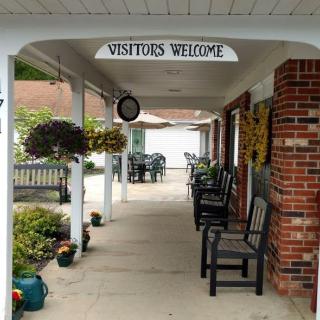
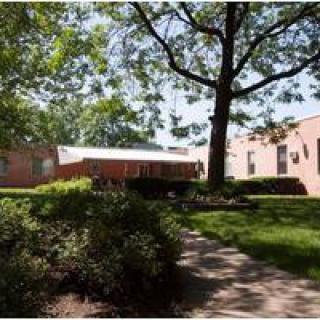
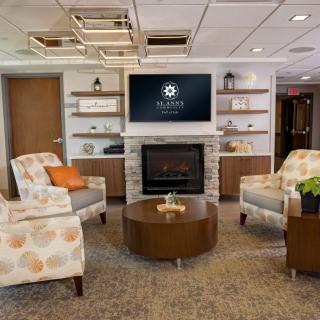
Observations about the building and atmosphere, neighborhood-based living quarters, coffee shop, gift shop, translate into real benefits: residents feel independence while still never far from help; staff are visible and accessible, with call bells answered promptly. The warm, inviting atmosphere helps mood, reduces anxiety for families, and supports positive recovery and ongoing wellness. In short, the environment complements clinical care, making the facility more than a place to rest; it becomes a setting where rehab and ongoing nursing can be integrated into daily life.
Decision-makers should weigh the value of continuity of care across neighborhoods within the campus. The two-neighborhood model seems to support transitions during rehab and the long arc of nursing needs, which matters when family schedules are tight. For families facing hospice or end-of-life planning, the documented compassionate care and staff communication make this option compelling. However, verify that the specific units meet the needed level of impairment and that any memory care requirements align with the program.
Overall, Livingston County Center for Nursing and Rehabilitation stands out as a prudent choice for those who want solid skilled nursing and rehab in a lively, considerate environment where staff and facilities work in concert to support recovery and daily living. Alternatives may be more suitable for those who crave a quieter, more singular setting or require services not detailed in the facility’s publicized amenities. With strong caretaking, clear family communication, and an atmosphere that respects resident dignity, this community earns serious consideration for families prioritizing intensive care with a human touch.
 266 resident community capacity
 Skilled Nursing Facility
 Air-conditioning
 Beauty salon
 Cable or satellite TV
 Computer center
 Dining room
 Fitness room
 Fully furnished
 Gaming room
 Garden
 Housekeeping services
 Kitchenette
 Move-in coordination
 Outdoor space
 Private bathrooms
 Restaurant-style dining
 Small library
 Telephone
 Wellness center
 Wi-Fi/high-speed internet available
 Community operated transportation
 12-16 hour nursing
 24-hour call system
 Activities of daily living assistance
 Assistance with bathing
 Assistance with dressing
 Assistance with transfers
 Diabetes diet
 Medication management
 Mental wellness program
 Special dietary restrictions
 Concierge services
 Planned day trips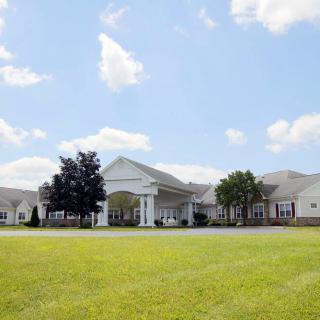

 Comprehensive Approaches for Arthritis: A Detailed Guide to Symptoms, Causes, and Care
 Comprehensive Insights and Practical Strategies to Help Older Adults Avoid Falls
 6 Crucial Ways an Elder Law Attorney Assists Families